
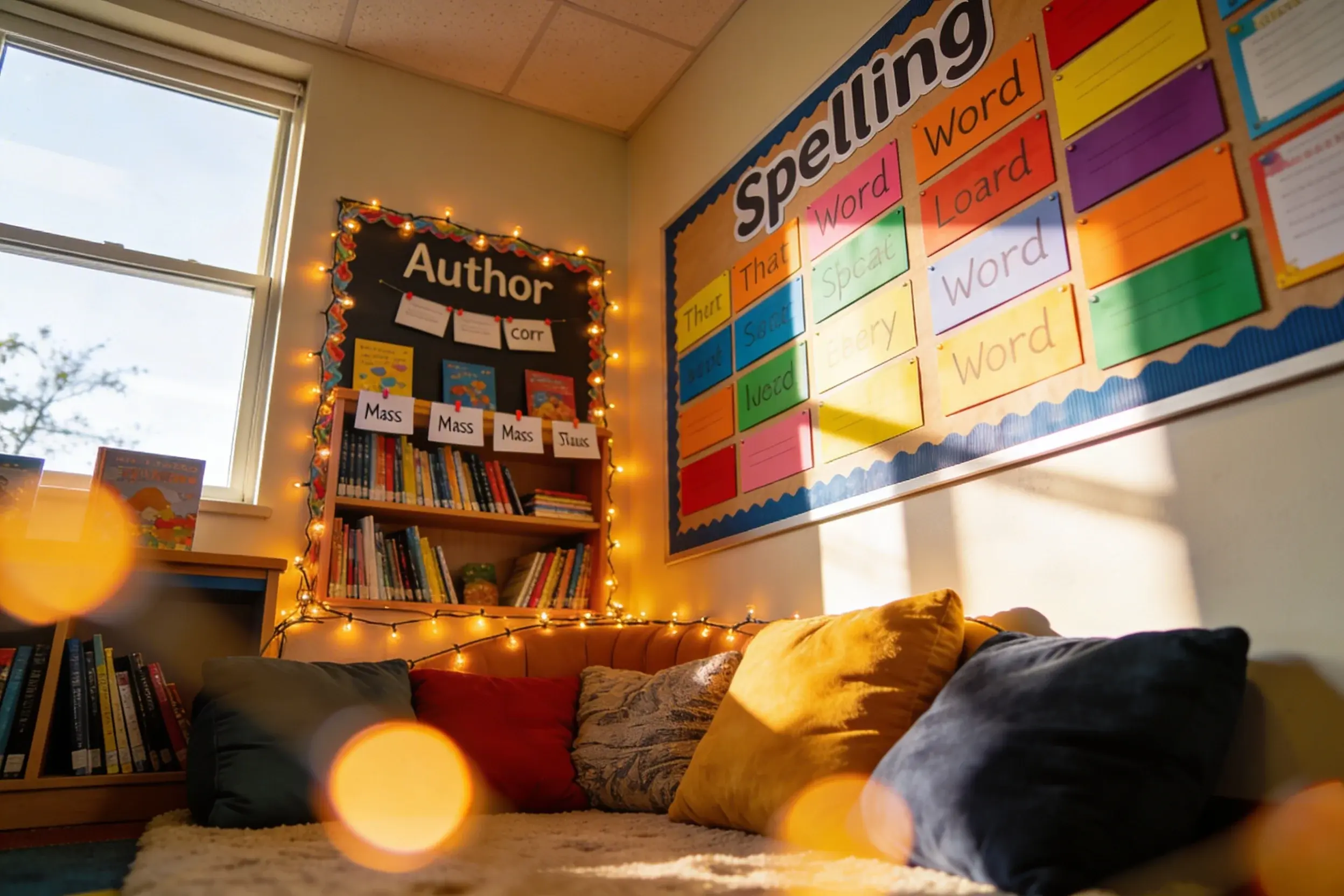
Ready to transform your classroom into a magnet for learning and laughter? These 12 ideas mix creativity with function so students actually want to be in language arts. FYI, small touches can spark big engagement.
1. Create a Spelling & Word Wall That Sparks Curiosity
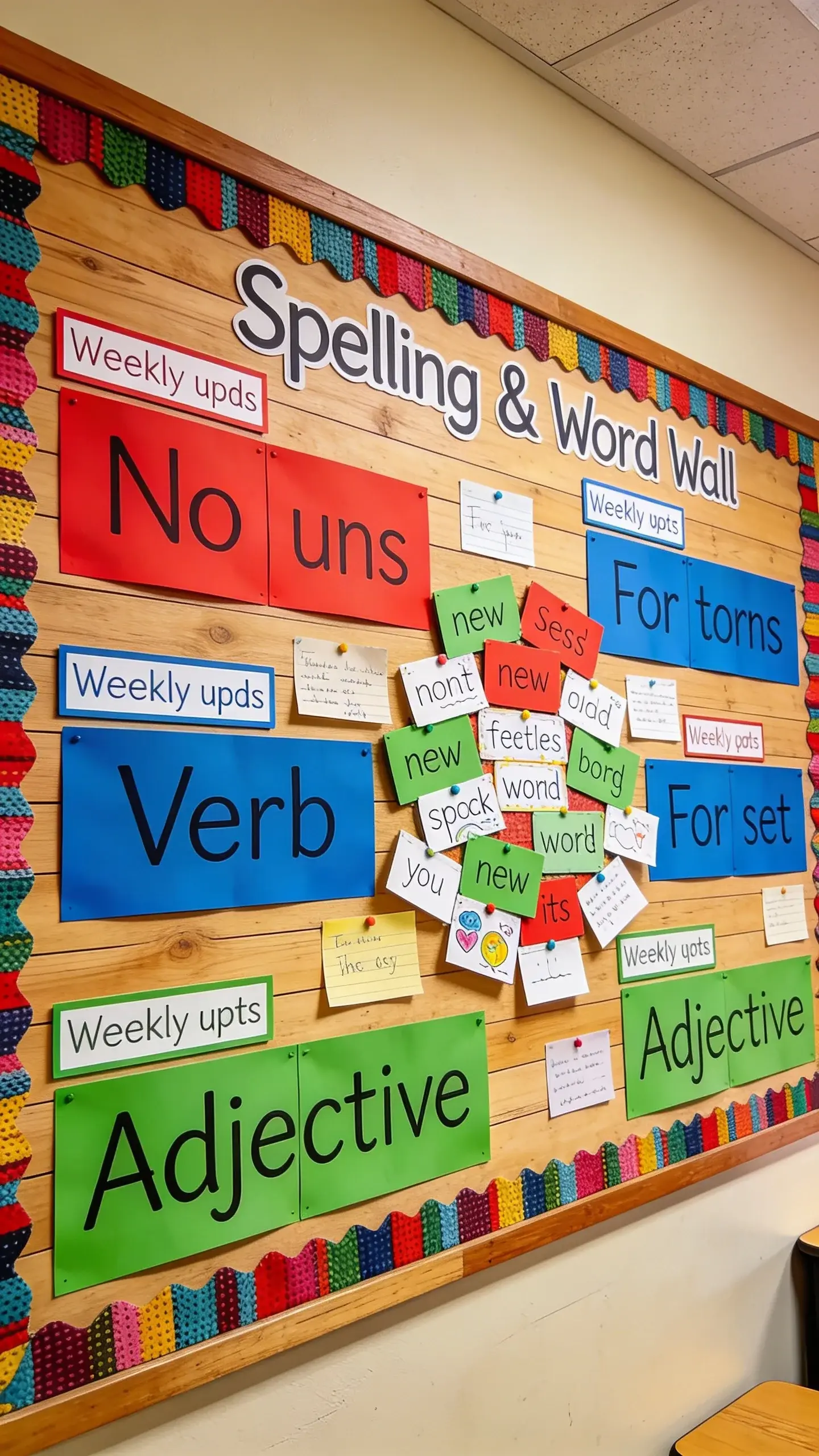
Your word wall is a living, breathing tool. It changes with lessons, moods, and new discoveries. The goal is to make it irresistible to peek at and learn from.
Key Points
- Update weekly with theme words
- Use color-coding by parts of speech
- Add student-generated words to boost ownership
Keep it visually dynamic with bold fonts and a playful border. When students walk in, they should notice something new worth reading aloud.
2. Reading Nook That Feels Like a Mini Escape
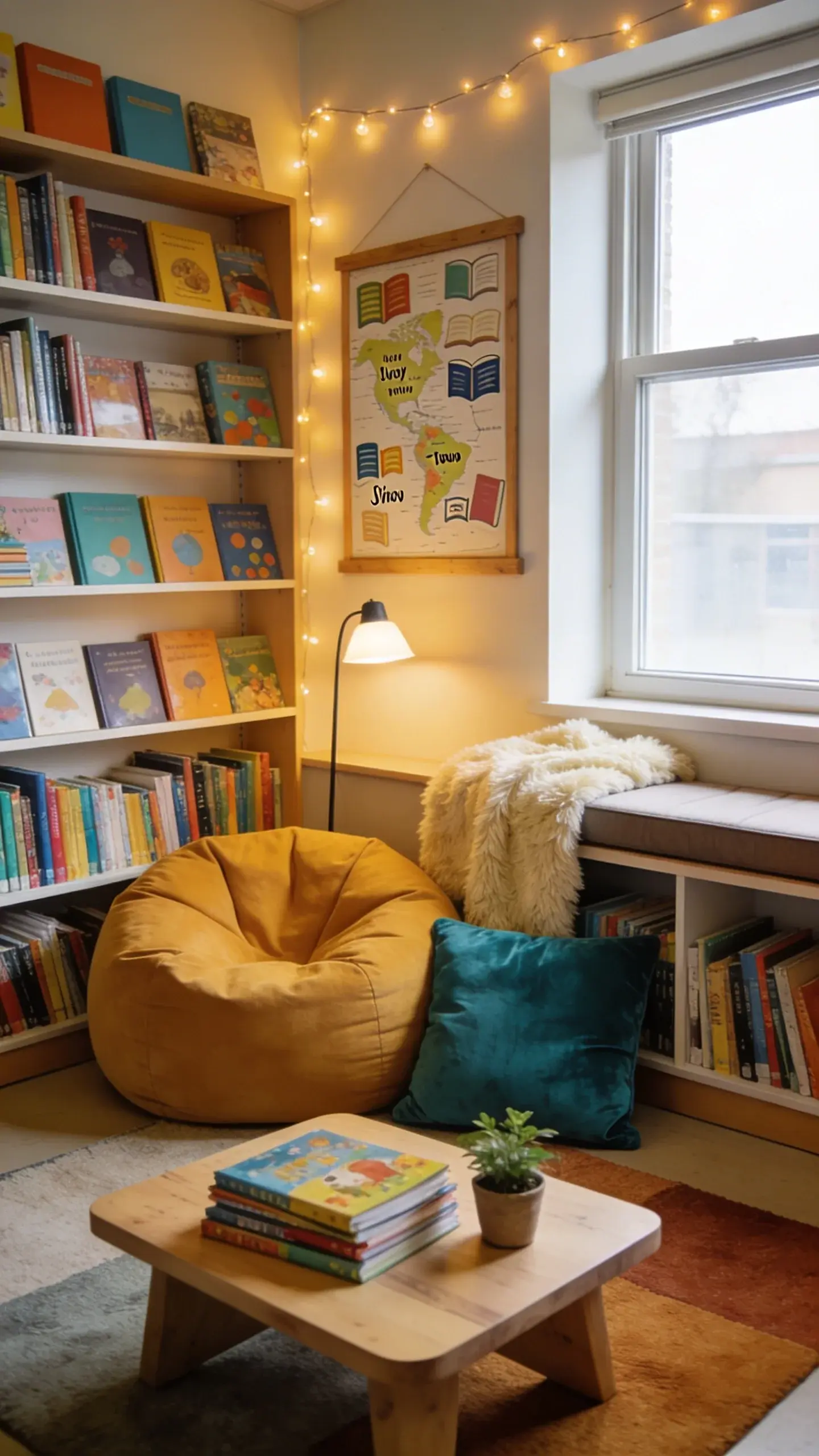
Transform a corner into a cozy retreat where students actually want to read. It’s all about comfort, lighting, and a sprinkle of whimsy.
Tips
- Soft seating: cushions, bean bags, throws
- Warm lighting or string lights for ambiance
- Accessible shelves with diverse genres
Use a labeled map to show where to find books by interest. Seriously, a dedicated space boosts independent reading time.
3. Author Corners That Celebrate Voices
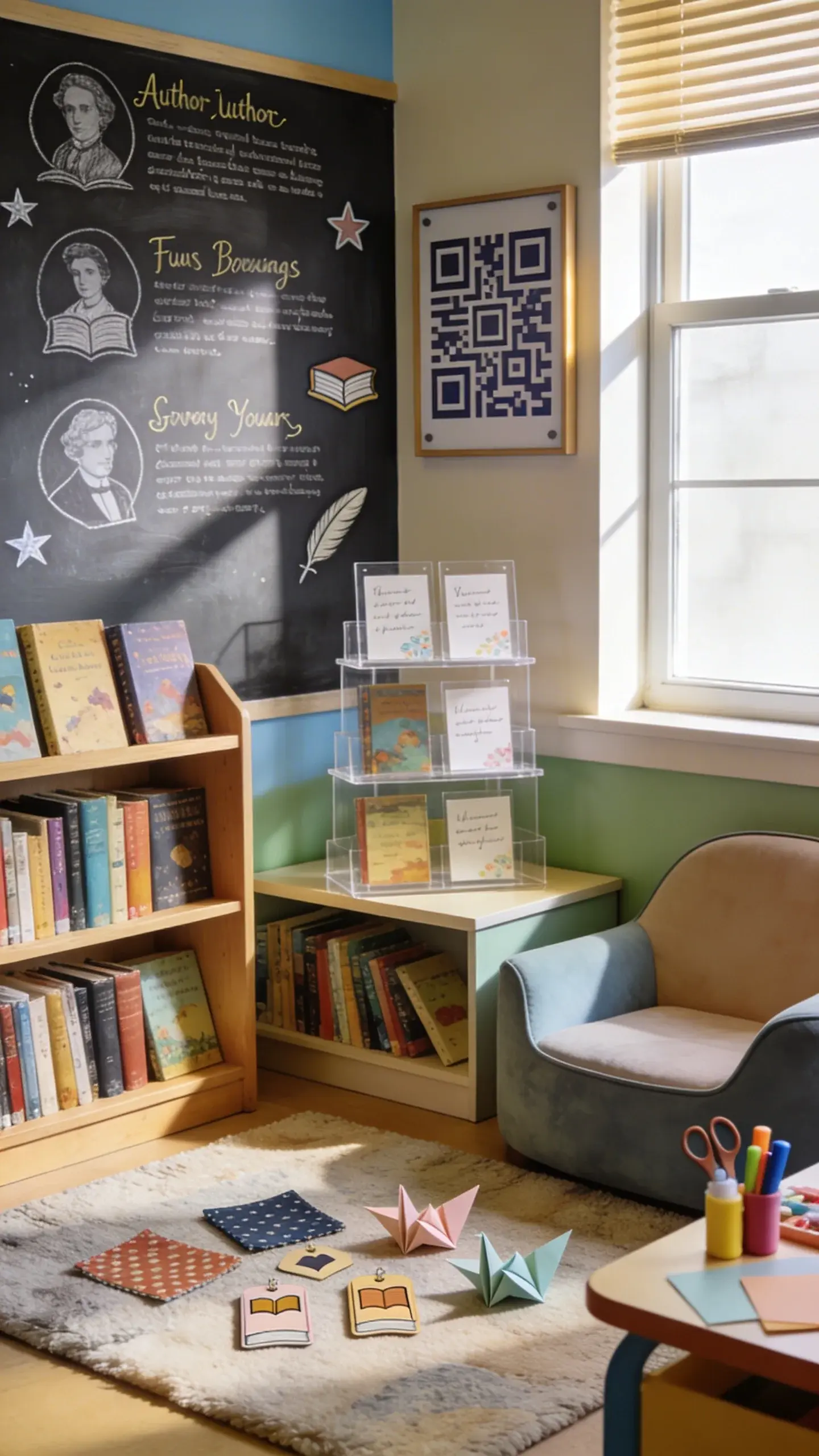
Highlight authors you study and spotlight student favorites. This turns lessons into a celebration of storytelling, not a worksheet treadmill.
What to Include
- Author bios and fun facts
- Mini-book display with quotes
- QR codes linking to author interviews or podcasts
This corner becomes a conversation hub where students recommend reads to each other and discuss craft strategies.
4. The Annotation Station
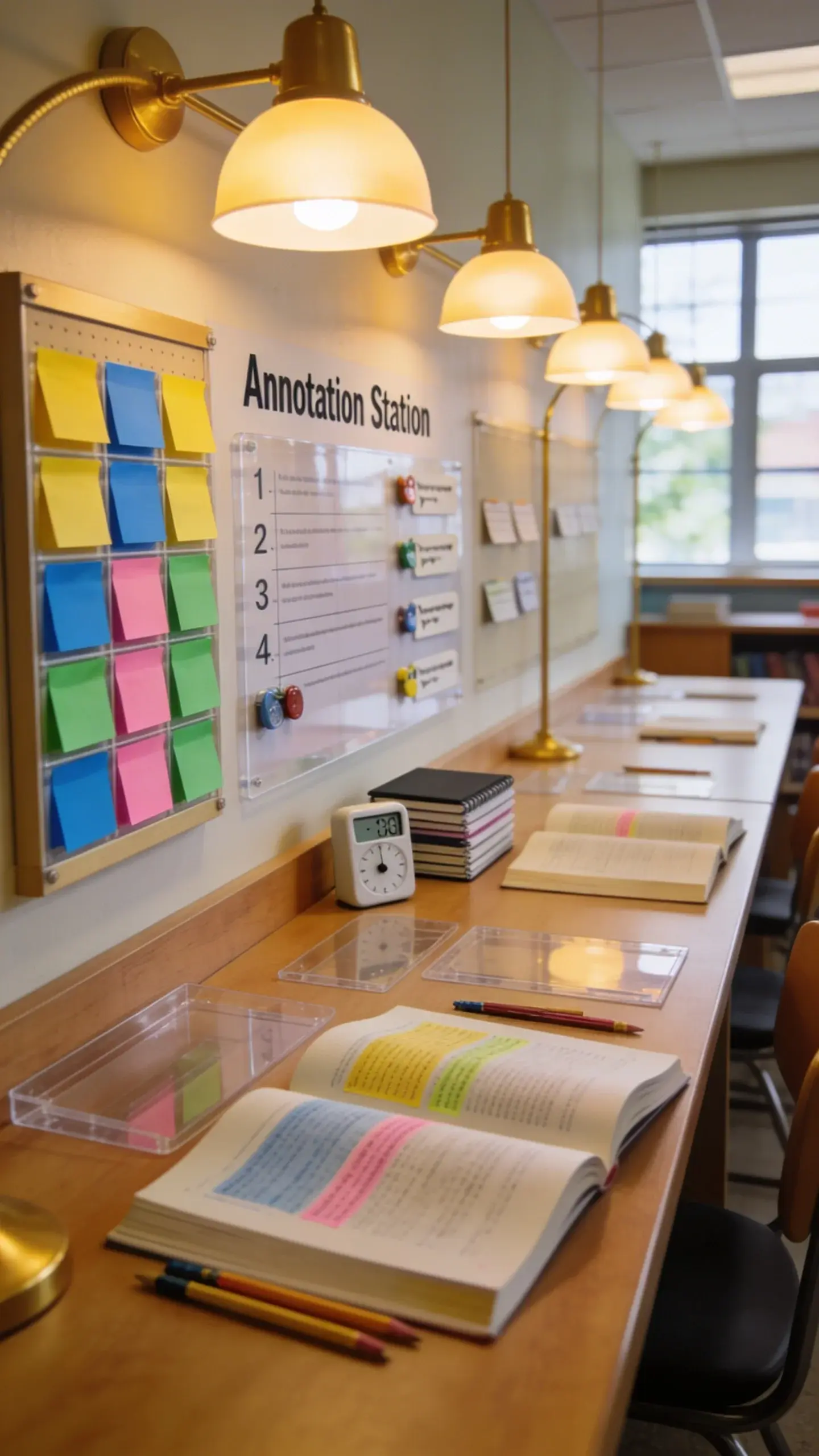
Give students a dedicated space for active reading. Annotations become the secret sauce that boosts comprehension and discussion.
What It Looks Like
- Guided annotation prompts on the wall
- Color-coded sticky notes for different ideas
- Diffused desk lamps to reduce glare
Encourage students to trade ideas in a quick 2-minute mini-share. It’s amazing how much more engaged they become when they’re annotating together.
5. Interactive Timeline of Texts
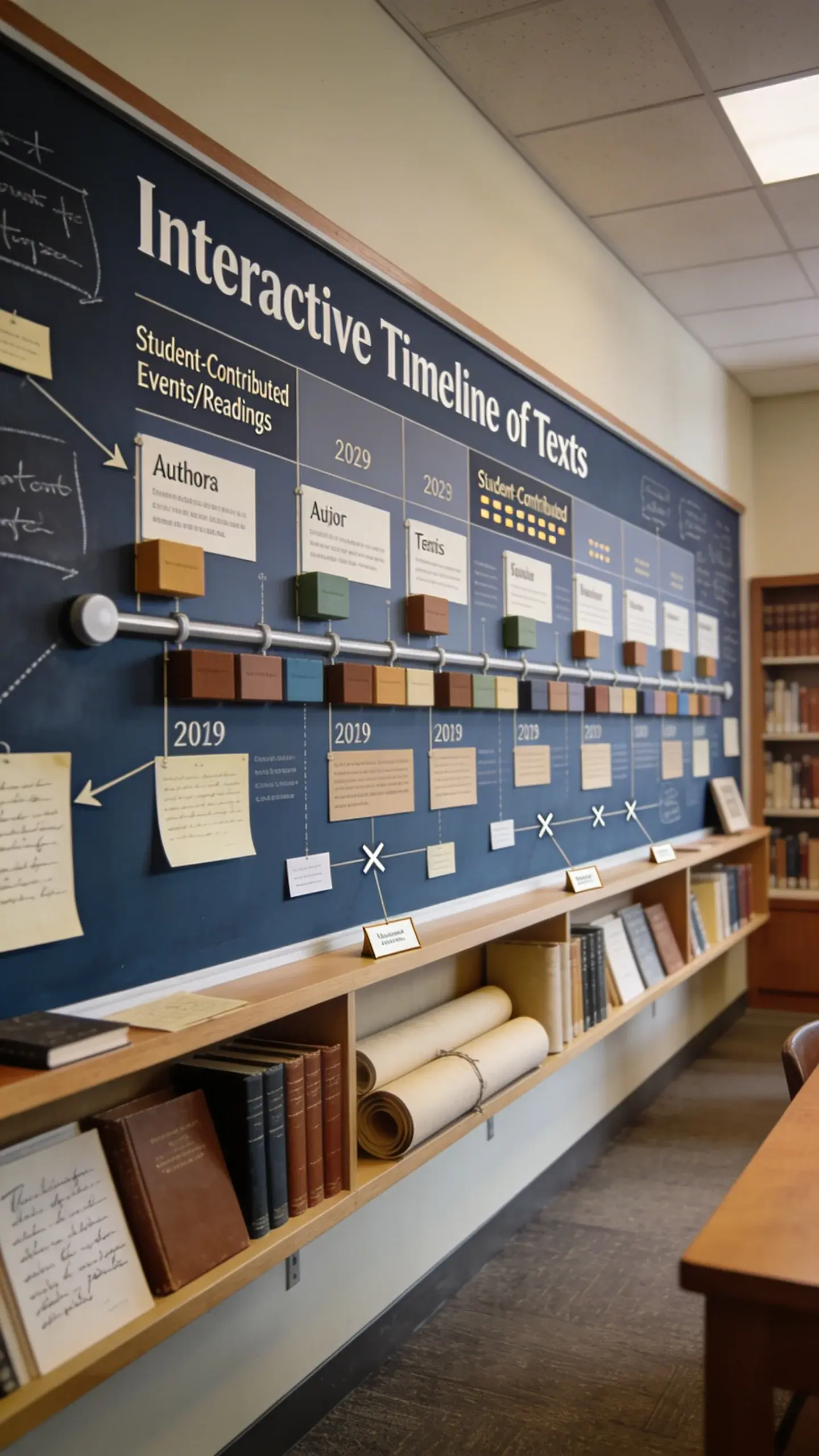
Make a chronological journey through units with a sprawling, readable timeline. It gives context and makes connections click.
How to Build It
- Key dates, authors, and historical context
- Mini blurbs that summarize themes
- Student-contributed events or readings
When students see how a text fits into the bigger picture, they care more about the craft and themes. Trust me, the “why” suddenly makes sense.
6. Writing Studio Props for Daily Wins
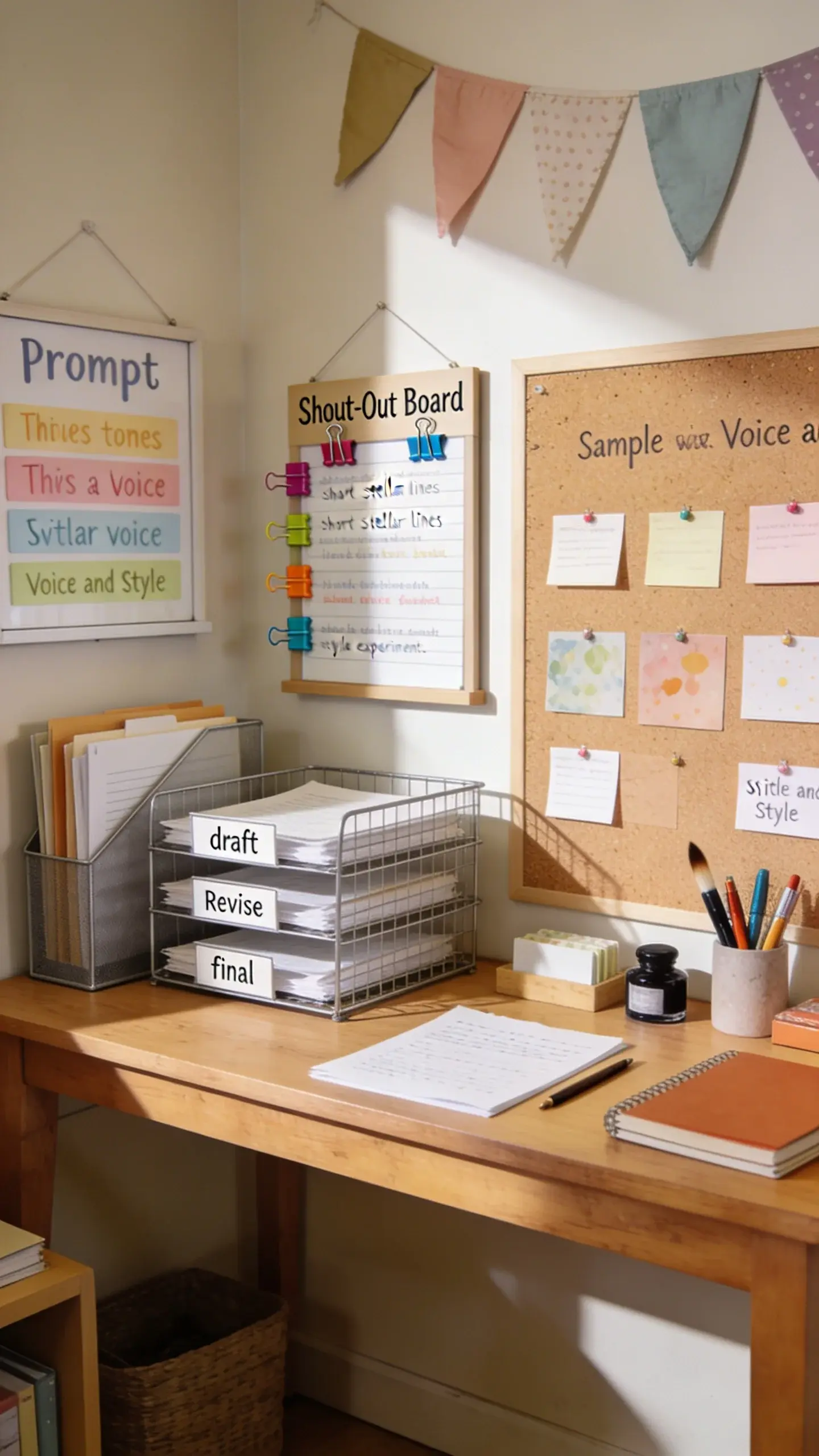
Turn writing into a hands-on studio with spaces that feel creative, not punishing. The vibe alone can change how students approach essays and prompts.
What to Include
- Inspiring prompts on the wall
- Desk organizers for draft stages
- A “Shout-Out Board” for great lines
Let students experiment with voice and style. A supportive space makes even rough drafts feel worth sharing.
7. Grammar Gallery: Show It Like an Exhibit
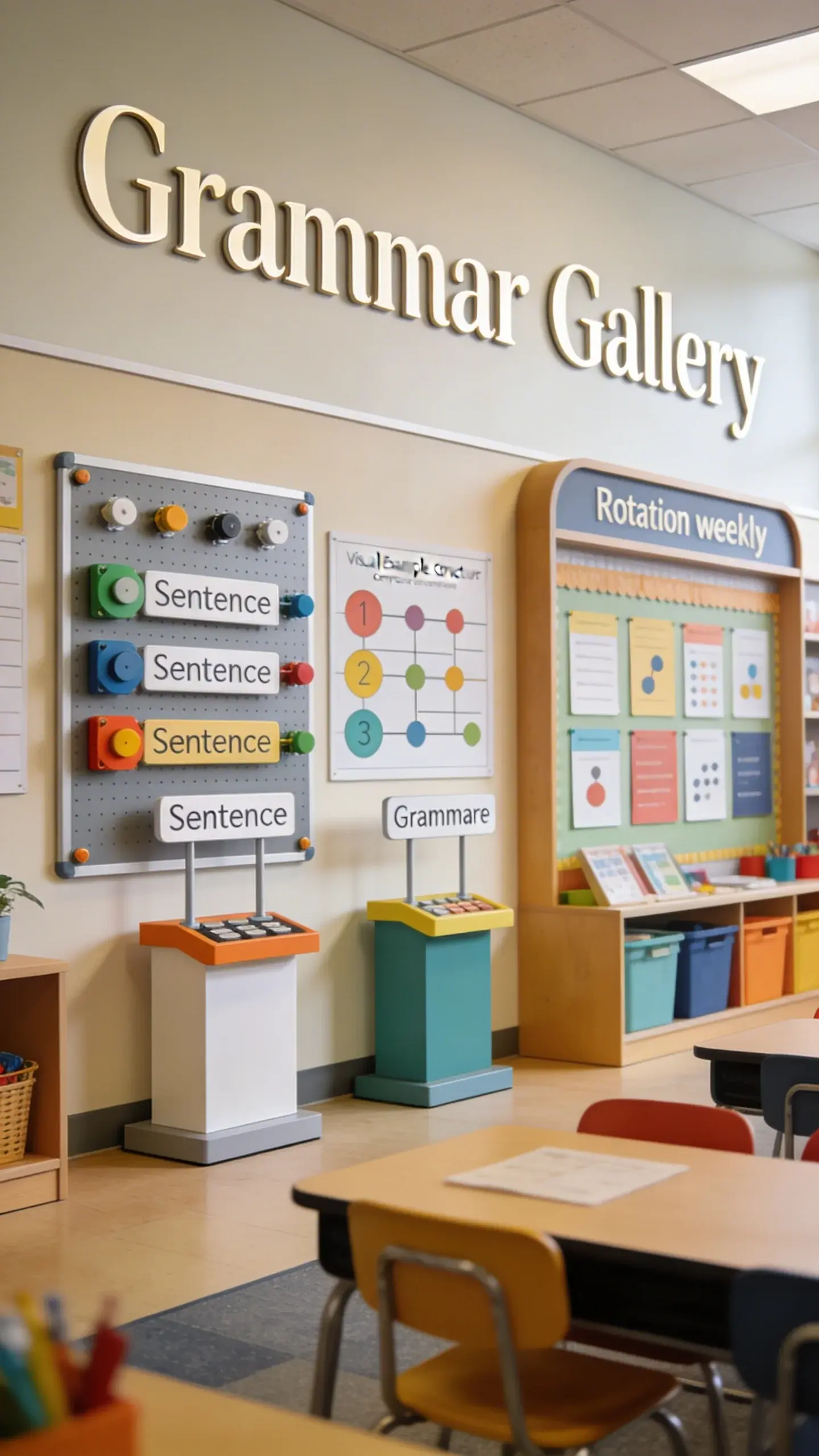
Grammatical concepts come alive when displayed as an exhibit rather than a dusty corner of the board. This is where mistakes become learning moments.
Exhibit Elements
- Interactive sentence models with movable parts
- Common corrections with visual examples
- Student-made “fix this” mini-posters
Rotate the gallery weekly to spotlight different topics. It becomes a talking point during mini-lessons and quick checks.
8. The Question Corner: Inquiry-Based Learning
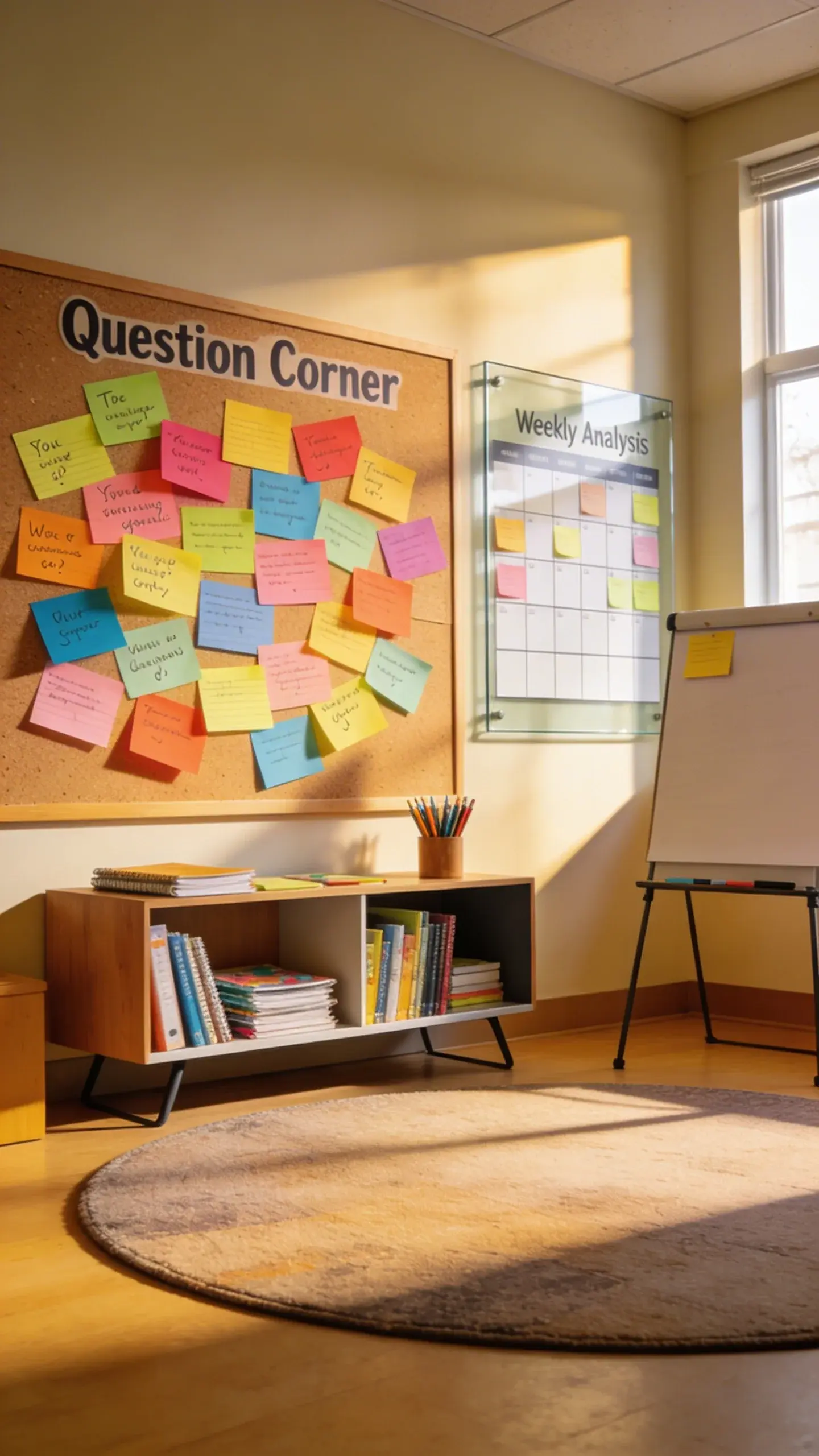
Curiosity drives ELA, so dedicate a corner to student questions that fuel deeper inquiry. Let students own the questions they want to chase.
How It Works
- Question board with sticky notes
- Weekly “Question of the Week” analysis
- Mini-chats or Socratic circles to explore answers
This approach keeps discussions lively and student-led. FYI, it also reduces teacher-led monotony.
9. Theme Boards for Unit Cohesion
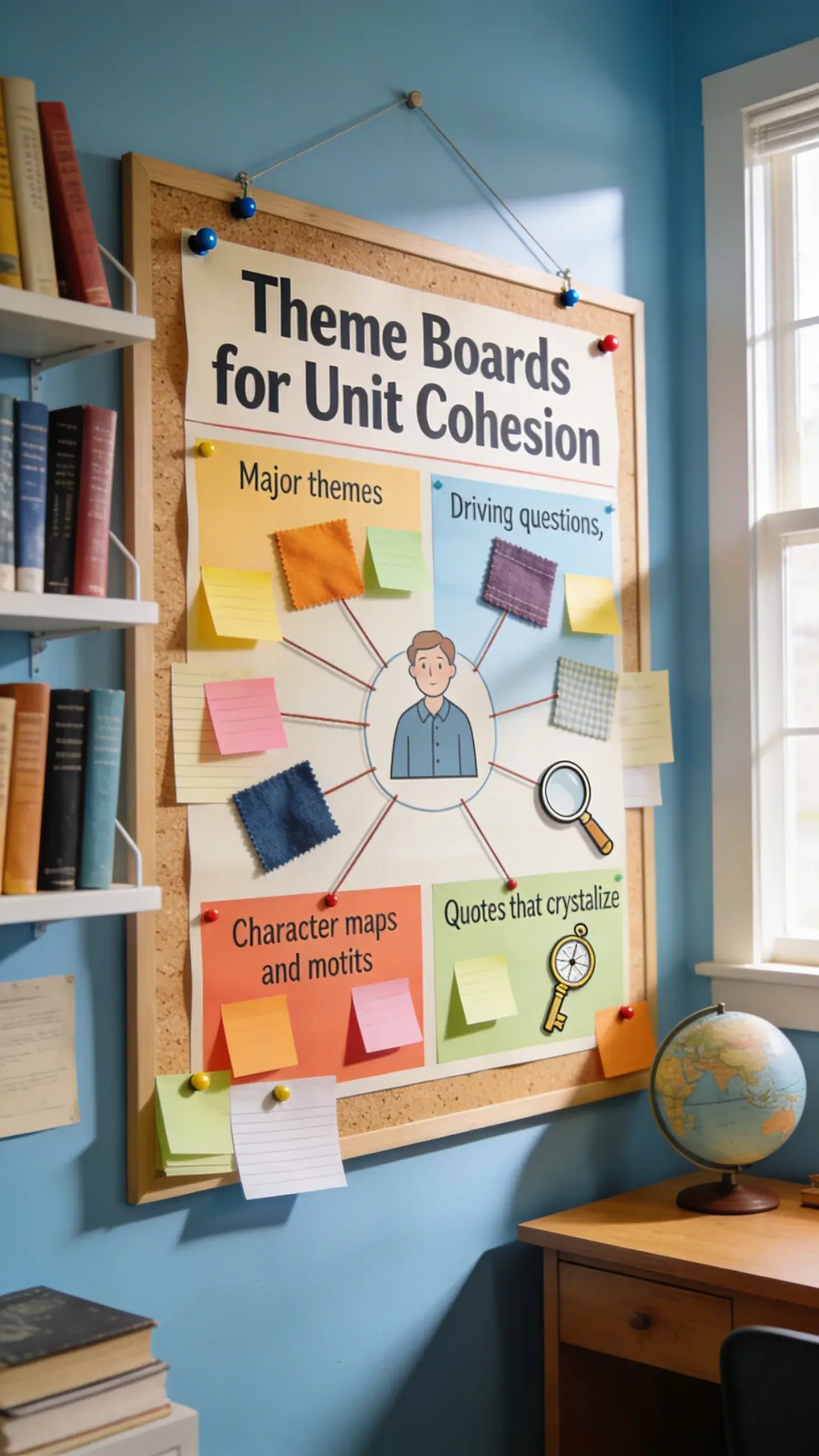
Connect literature to big ideas with bold theme boards. They act as anchors that remind students why characters behave the way they do.
What to Highlight
- Major themes and driving questions
- Character maps and motifs
- Quotes that crystallize meaning
When themes stay visible, students can notice patterns across texts. It’s like giving them a treasure map to literary meaning.
10. Creative Writing Corner: Micro-Pubs
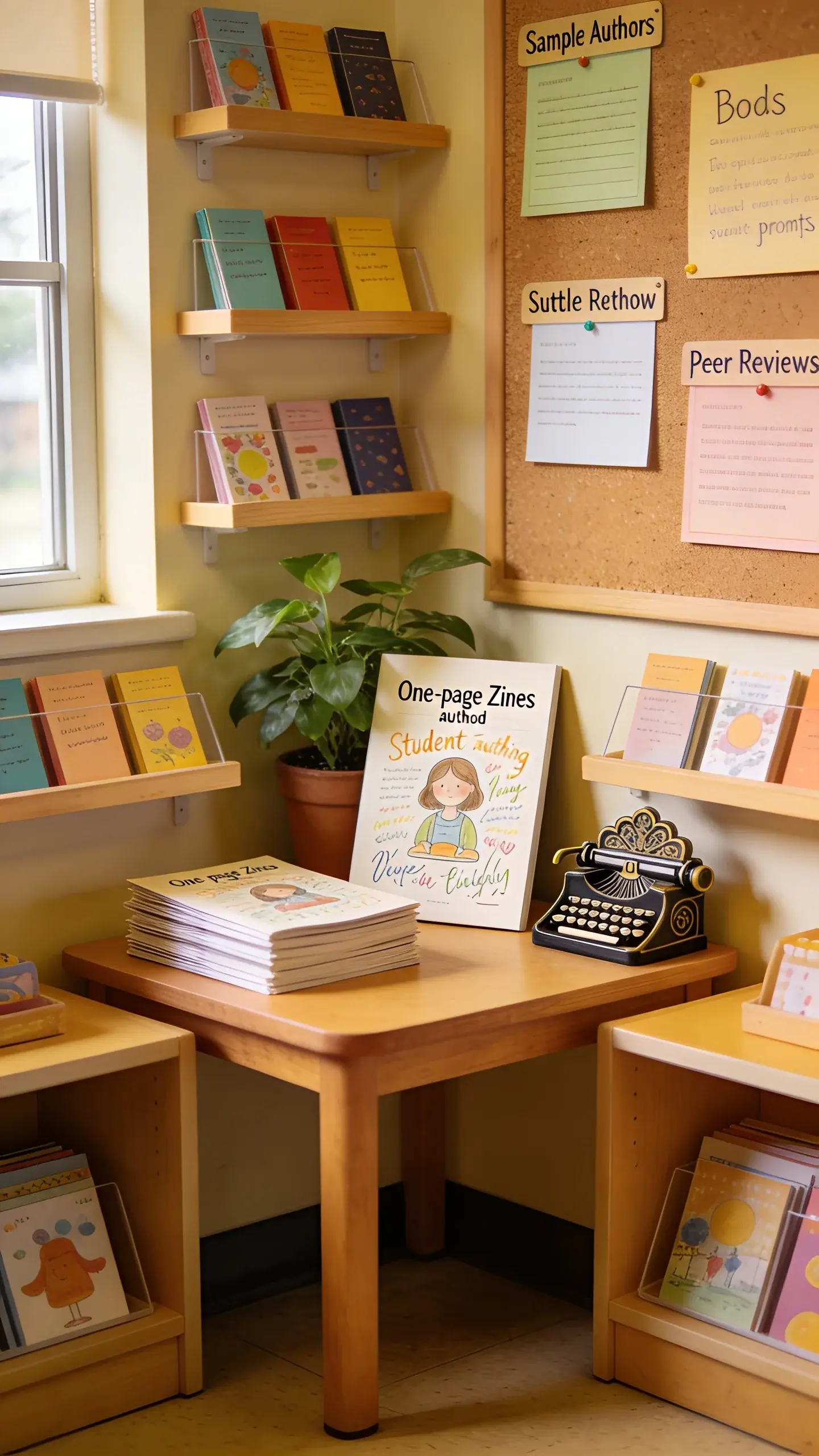
Let writers publish in tiny, celebratory formats. Micro-pubs make writing feel like a real achievement—not just something to turn in.
Ideas
- One-page zines with author bios
- Student-authored booklets with illustrations
- Peer-review prompts on the wall
Showcasing student work builds confidence and pride. Plus, it gives peers something meaningful to read and discuss.
11. Diverse Voices Hallway Display
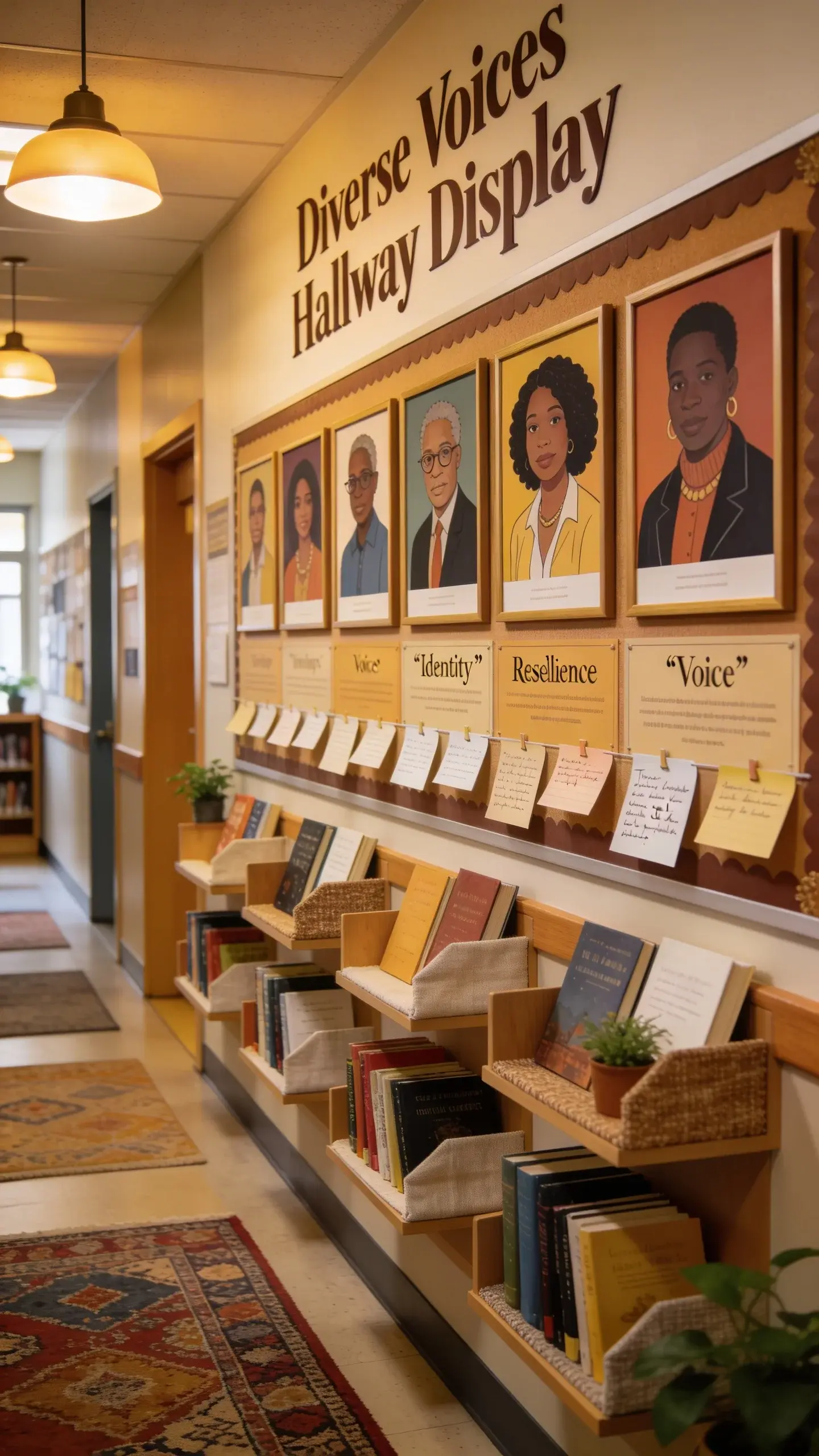
Promote inclusivity and perspective with a hallway display that centers diverse voices. Students see themselves and others in the literature they read.
What to Include
- Authors from varied backgrounds
- Quotes about identity, resilience, and voice
- Student reflections and book recommendations
This isn’t just decor; it’s a daily reminder that language arts is for everyone. Seriously, it changes classroom culture in minutes.
12. Seasonal Lesson Beats Station
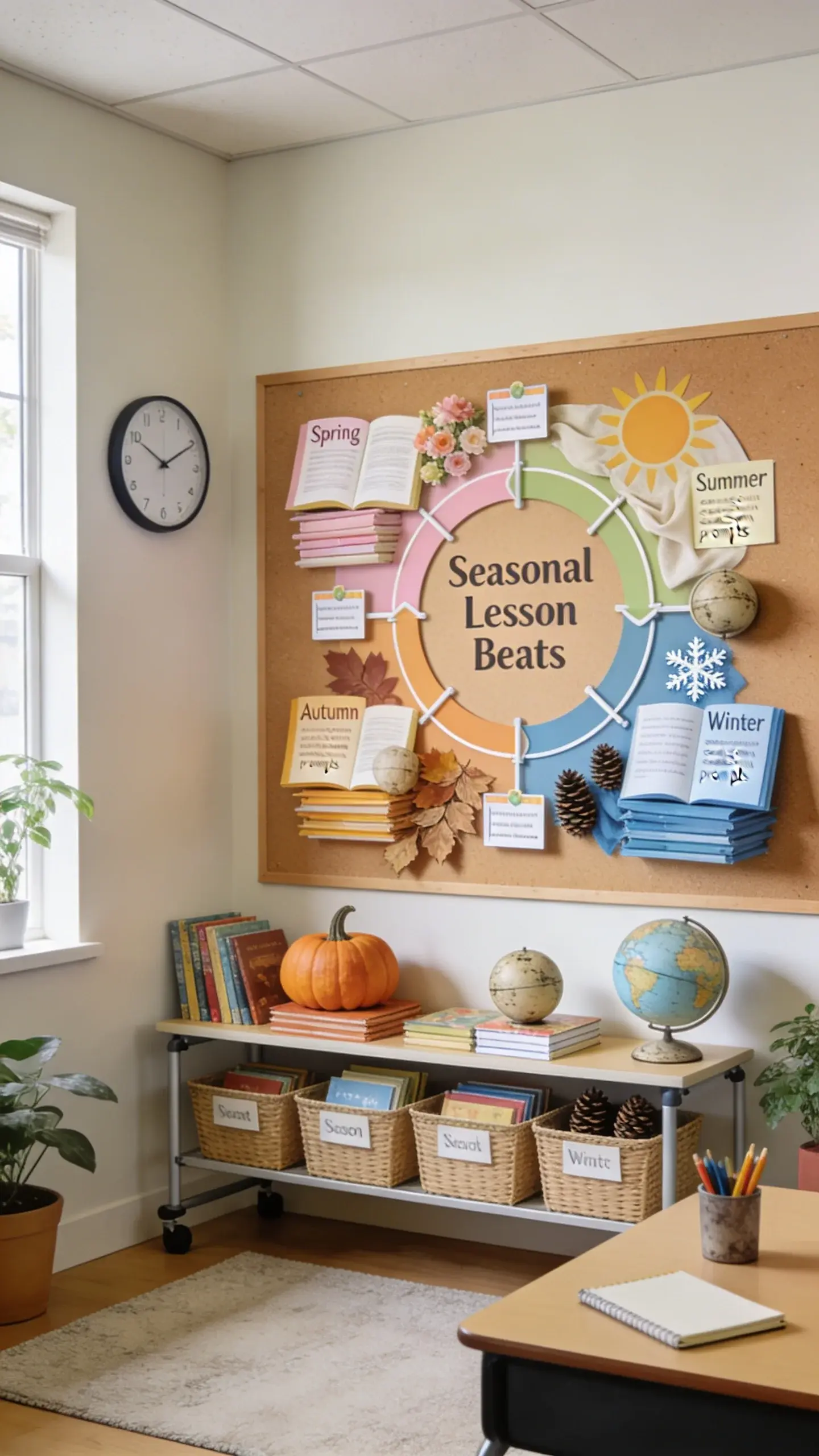
Seasonal decor can provide a fresh rhythm without feeling gimmicky. Align decor with literary activities to keep energy high all year long.
What to Do
- Seasonal prompts aligned with novels or poems
- Seasonal display with student input
- Brief, rotating mini-lessons tied to the decor
Integrating seasonality keeps content relevant and gives you reliable hooks for quick, effective lessons. It’s a win for both you and your students.
Want to mix and match these ideas? Start small: pick 2–3 easy changes, test them for a unit, then expand. IMO, consistency beats grand overhauls, and students respond to visible care.
With these 12 ideas, your ELA space becomes a lively, student-centered hub where reading, writing, and thinking shine. Trust me, your students will thank you with curious questions, bold ideas, and a lot more enthusiasm for language arts.