
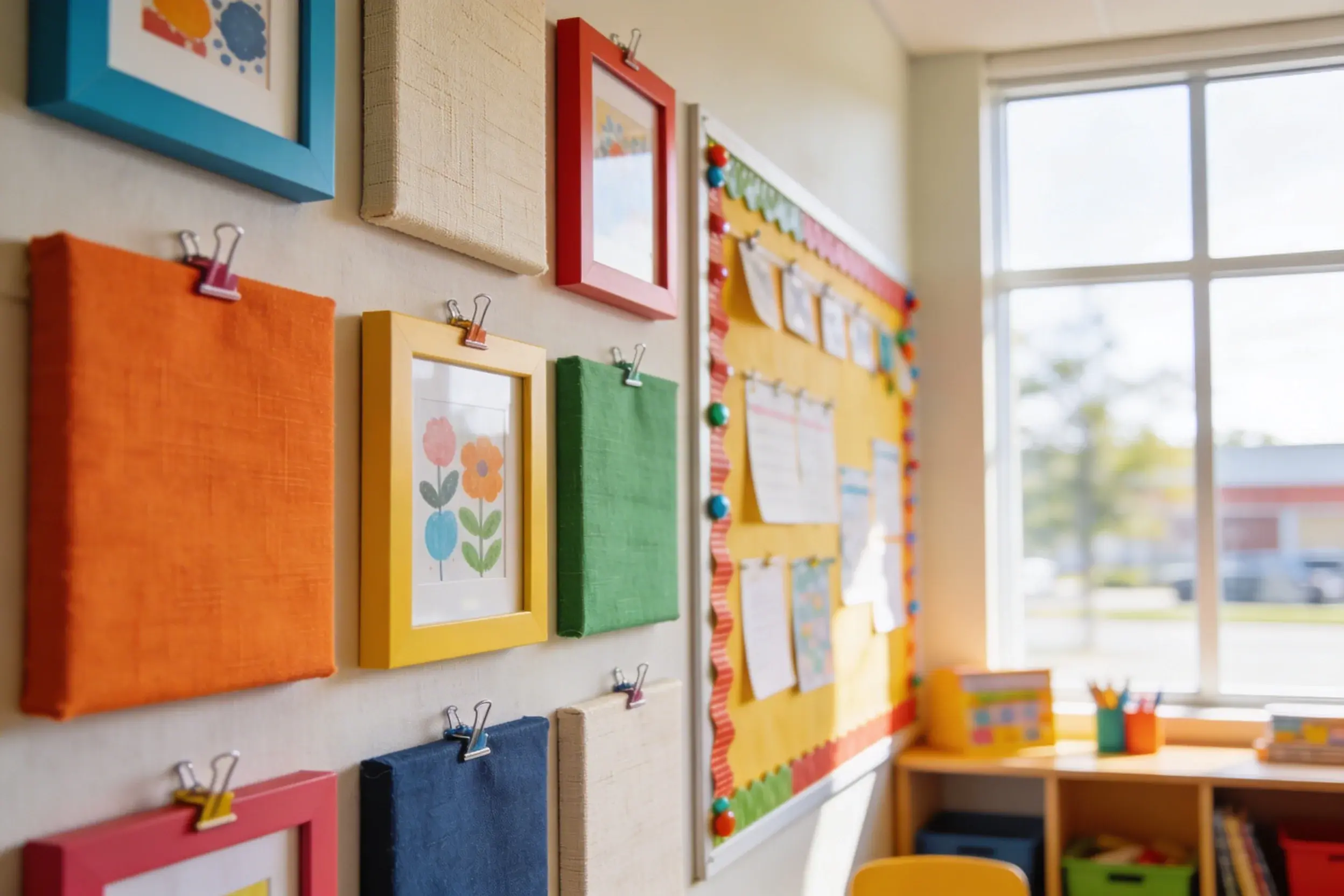
Ready to transform your classroom without blowing the budget? These DIY ideas are playful, practical, and totally doable for busy teachers. Let’s make your space feel inviting, organized, and a little magical—even on a shoestring.
1. Bright Bulletin Board Buddies
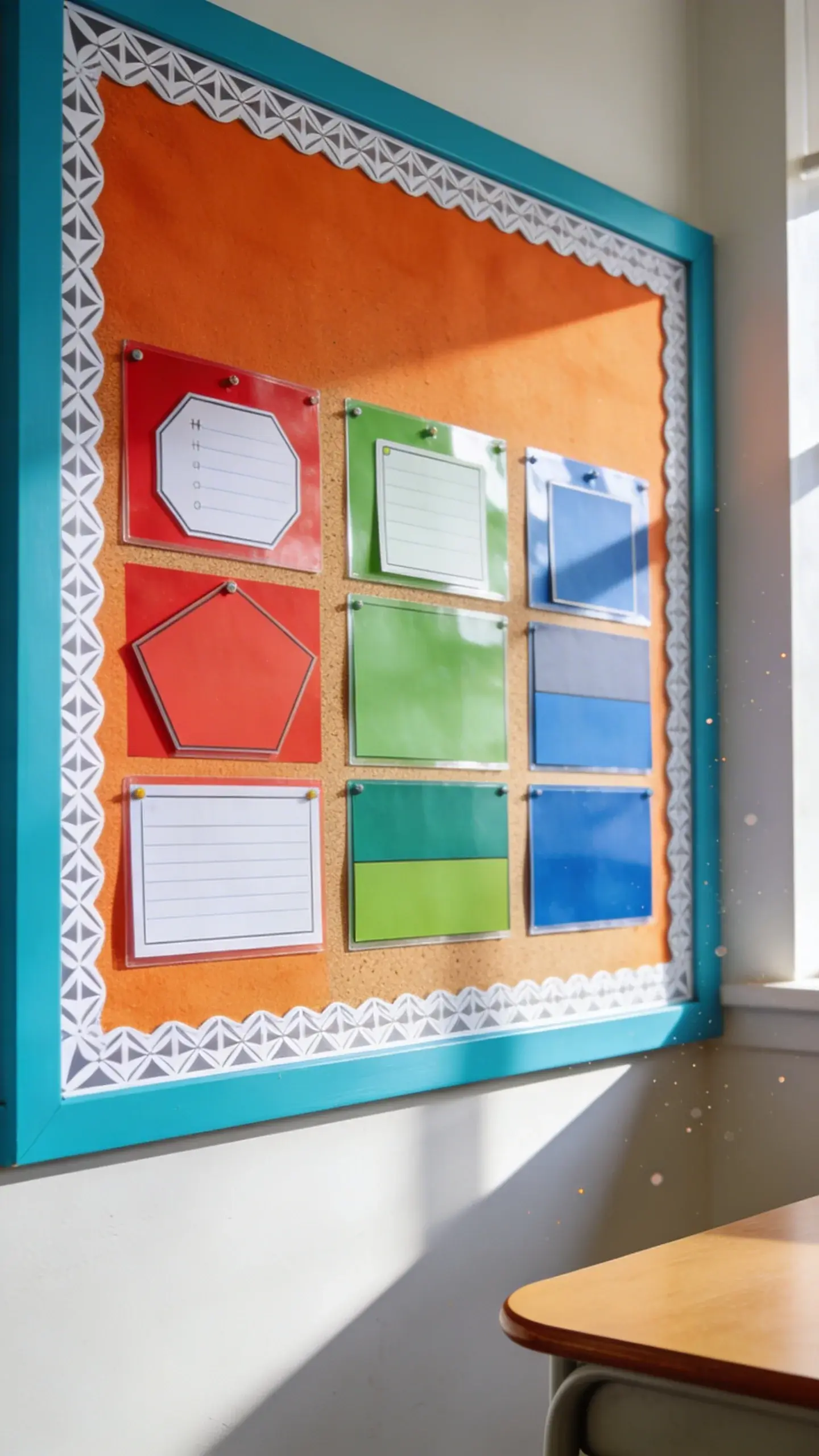
Bulletin boards don’t have to be boring jungle-green linen. Create vibrant, reusable displays that spark curiosity.
Your quick win: repaint the frame with bold color, cover with a reusable fabric, and add interchangeable cards for student work. FYI, you can rotate themes monthly for fresh energy.
Key Points
- Use fabric-backed cork or magnetic sheets to simplify updates
- Color-code sections by subject or literacy level
- Laminate student work for durability
Bonus: a high-contrast border makes everything pop. Seriously, it’s like instant energy for the room.
2. DIY Canvas Wall Gallery
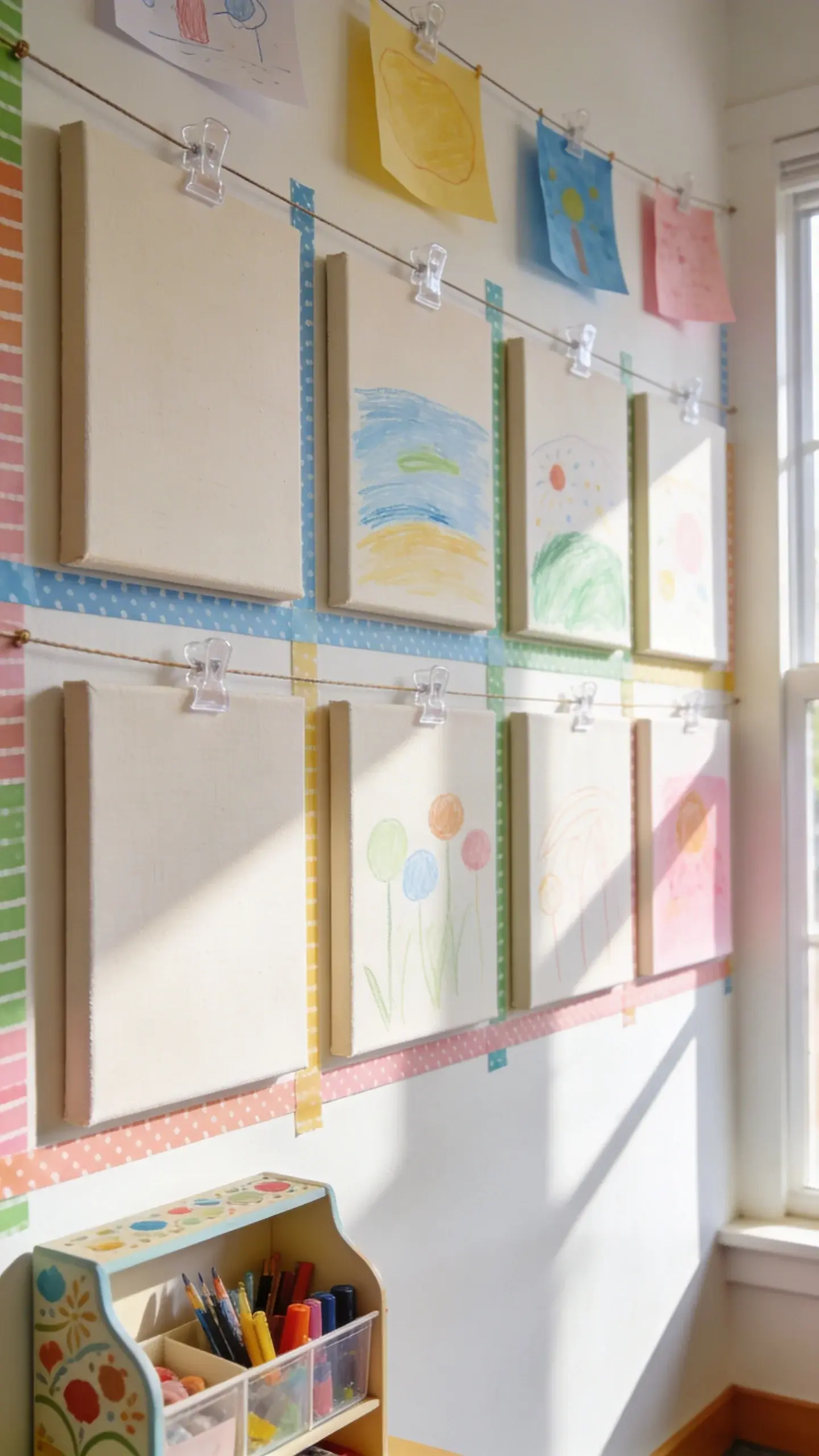
A wall gallery with student artwork creates pride and ownership. It’s cheaper than you think and endlessly adaptable.
Grab inexpensive canvases, paint in family-friendly palette, or print mini posters. Display kids’ work in temporary clips so you can rotate with ease.
Tips
- Use washi tape to create grid layouts for orderly display
- Label each canvas with student name or theme
- Switch out pieces monthly to keep the vibe fresh
Benefits: fosters a growth mindset and makes learning visually celebrated.
3. Themed Learning Corner Curtains
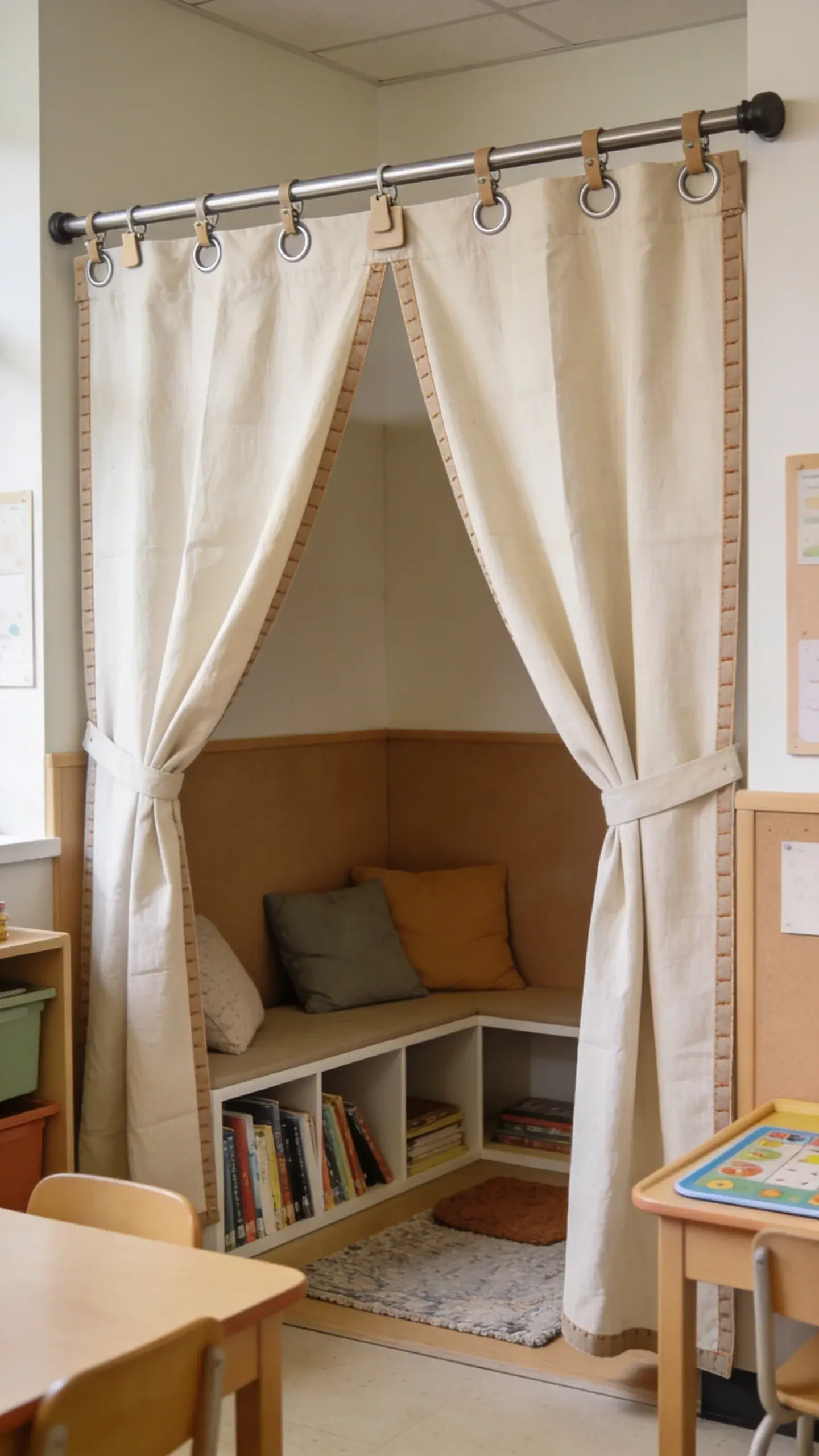
Turn a corner into a cozy, themed nook with DIY fabric curtains. It frames learning zones and adds a splash of personality.
Choose a color story for the entire classroom and hang simple fabric panels from a tension rod. No sewing required—just hemmed edges or iron-on tape.
Materials
- Plain curtains or fabric panels
- Tension rod or curtain wire
- Clip rings or removable hooks
When to use: during reading time or quiet study blocks to mentally separate spaces.
4. Magnetic Label Masterclass
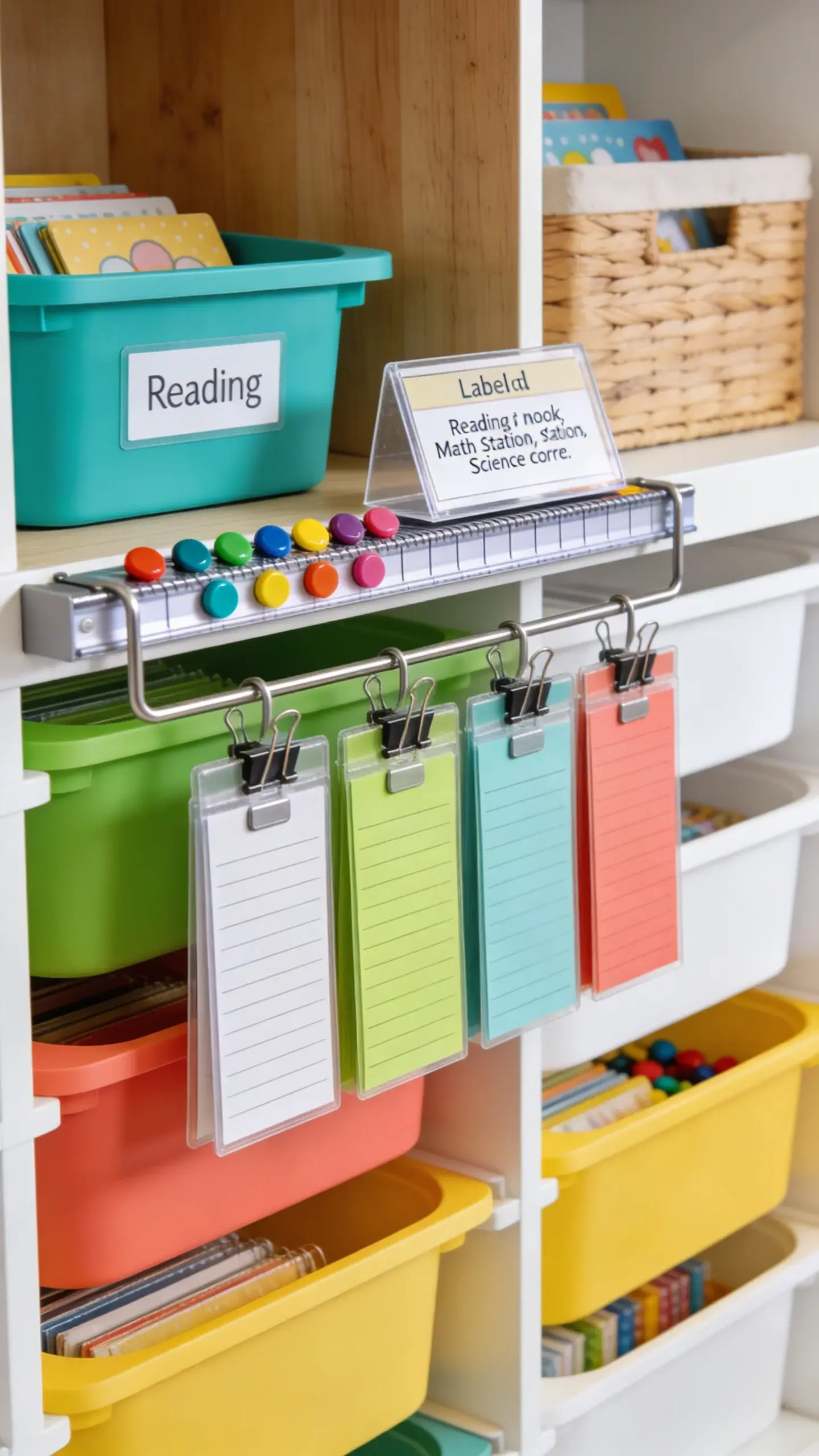
Label everything with magnets so you can rearrange shelves and stations in minutes. It saves chaos and teaches organization.
Print labels, affix to magnetic sheets, and trim. Use colorful magnets to indicate categories or groups.
Key Elements
- Color-coded labels for easy scanning
- Durable, reusable magnets for daily changes
- Clear typography for quick recognition
Benefit: students find materials faster, which keeps transitions smooth and calm. Trust me, it’s a game-changer during busy mornings.
5. DIY Reading Nook Pillows
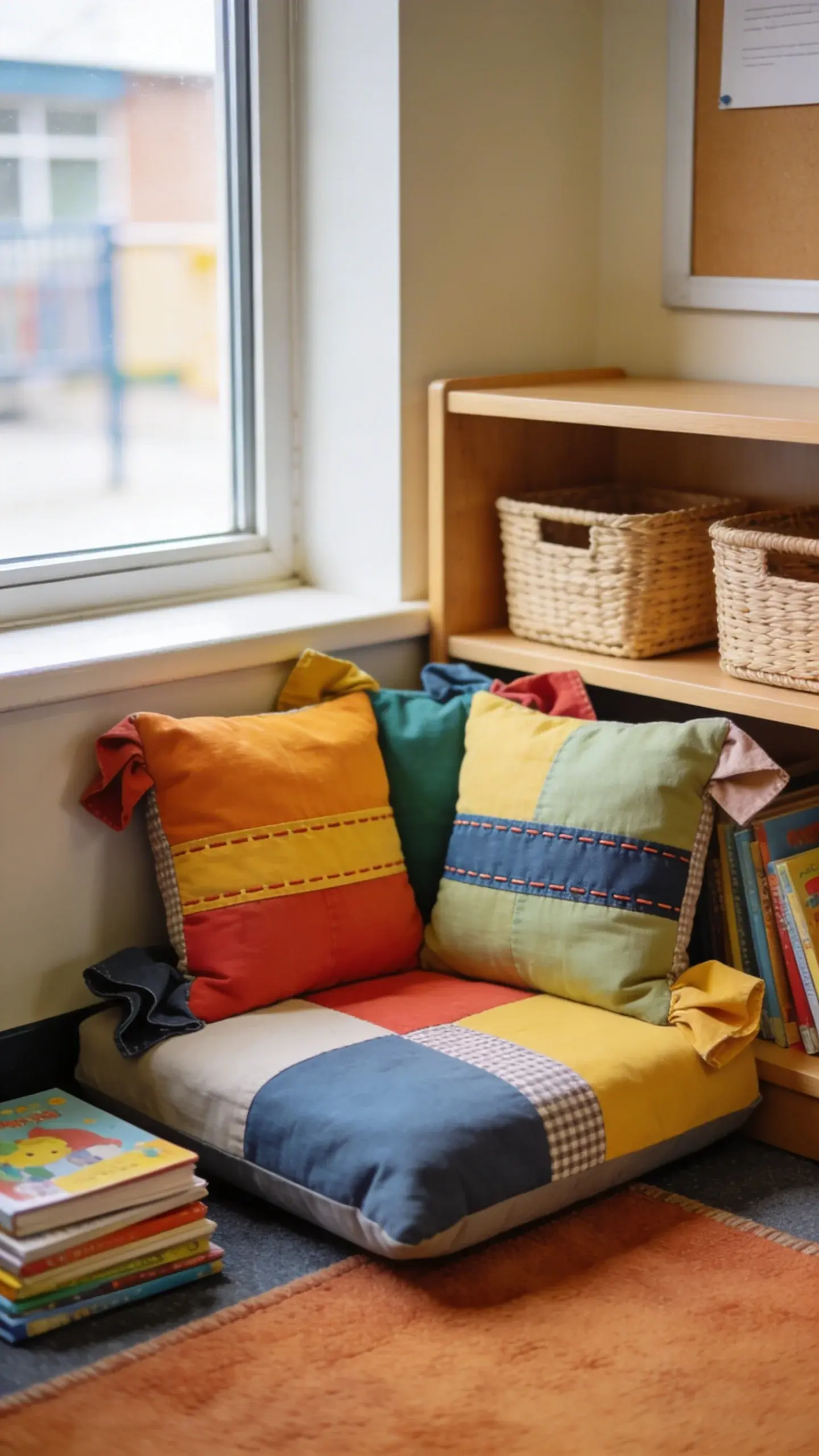
Comfy reading nooks are a magnet for independent readers. You can make affordable, washable cushions with upcycled fabrics.
Stuff fabric scraps into pillow covers, or sew simple bands for a no-sew option using fabric glue. Bright colors invite kids to snuggle in with a book.
Materials
- Old pillows or fabric squares
- Remnants of cozy textiles
- Permanent fabric markers for personalization
Usage note: place near windows or quiet zones for maximum chill vibes and better focus. FYI, kids will actually choose this corner first.
6. Pom-Pom Chart Parade
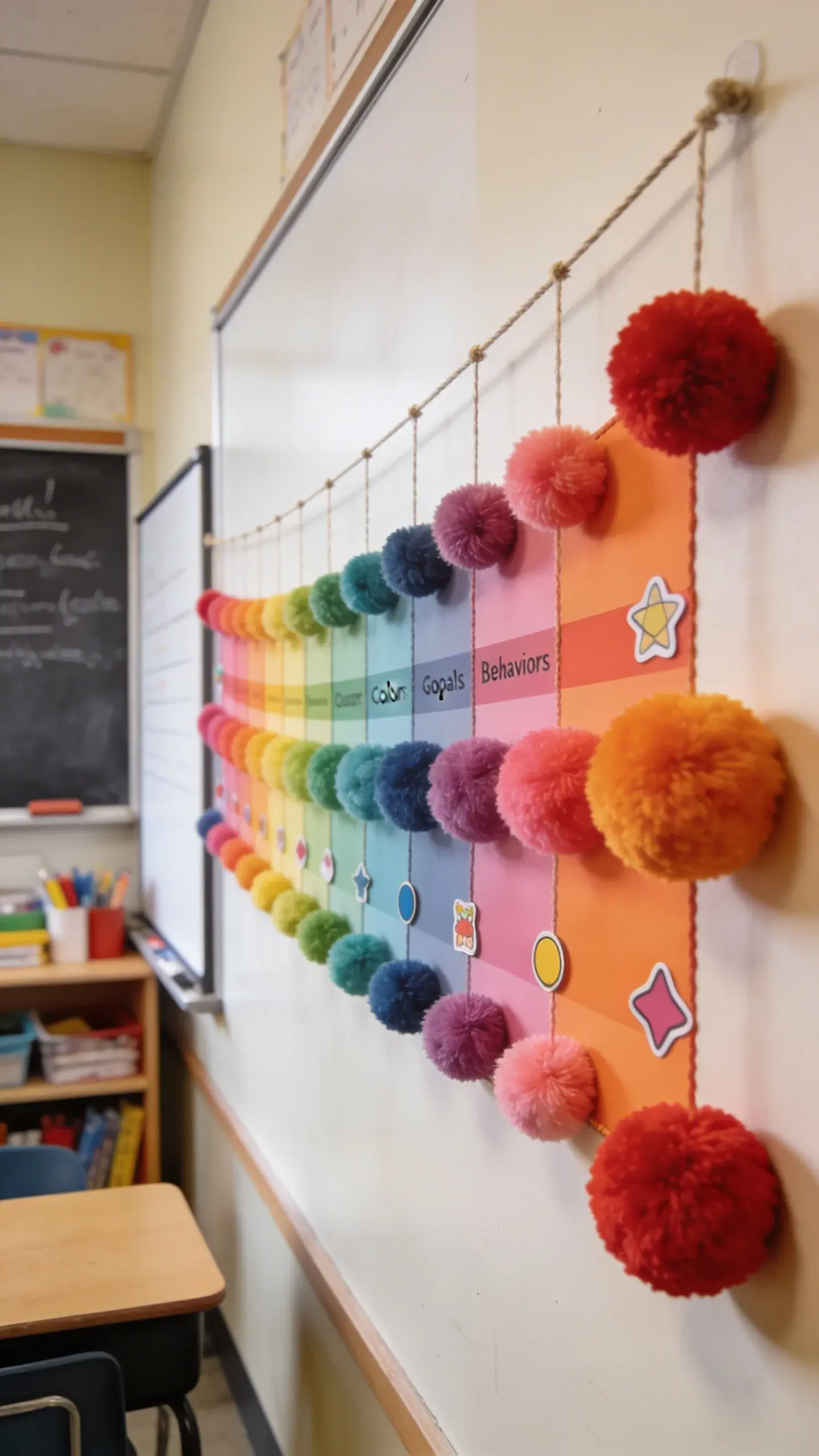
A playful behavior or learning chart with pom-poms can be surprisingly motivational. It’s inexpensive and full of whimsy.
Attach a string across the wall and use pom-poms to track progress, goals, or daily tasks. Swap colors to reflect new topics or behavior goals.
Structure
- Pom-poms represent steps or achievements
- Lines of color-coded categories
- Clear end-goals and visual rewards
Impact: makes progress visible and fun, turning chores into challenges students actually want to tackle.
7. Shadow Box Mystery Stations
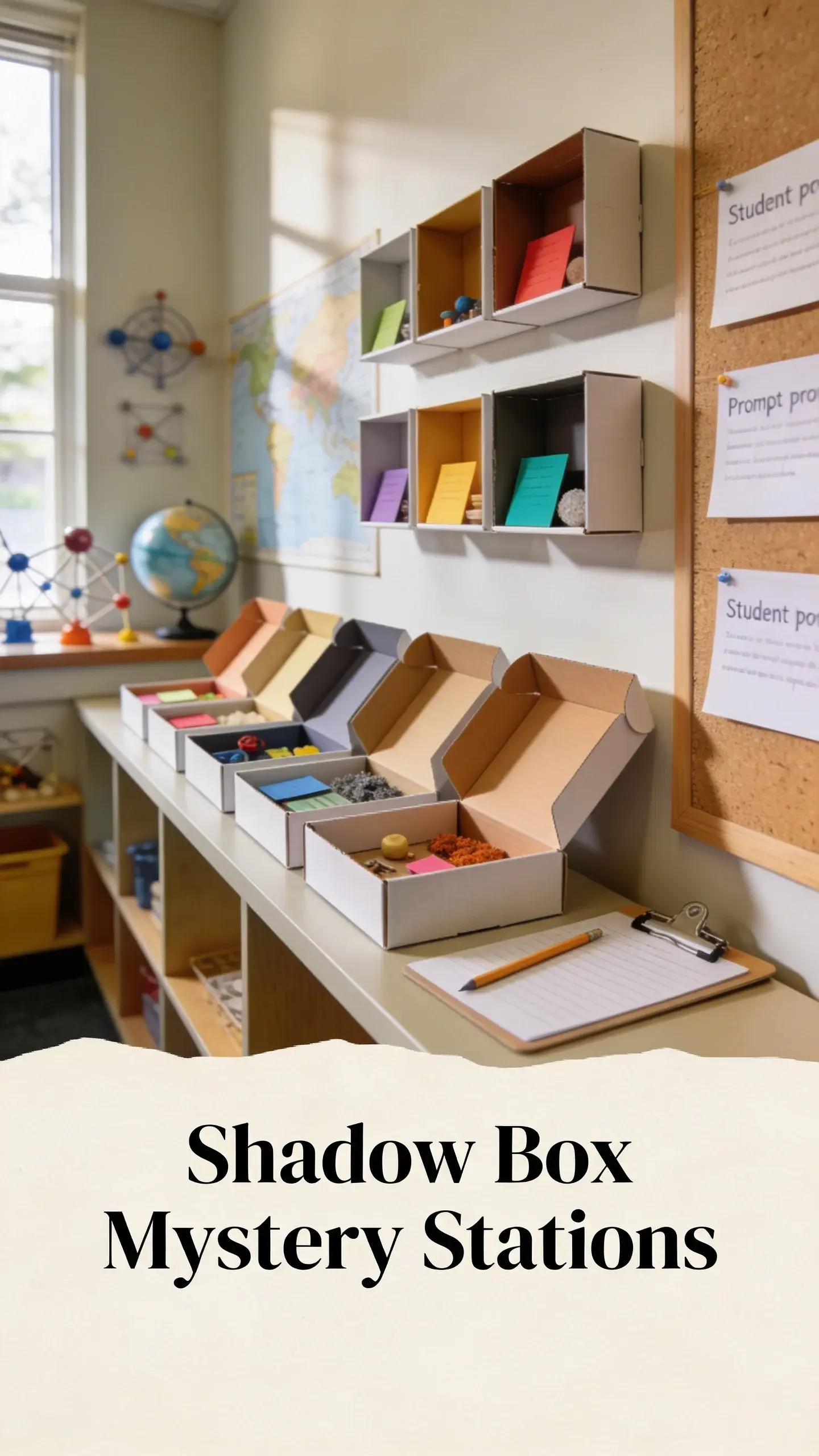
Create mini shadow boxes as learning stations that reveal clues or goodies. They’re small, interactive, and endlessly adaptable.
Use shoeboxes or shallow boxes with a simple prompt inside. Kids explore, discuss, and record findings on a quick sheet.
Notes
- Rotate prompts weekly or monthly
- Keep prompts aligned with current units
- Involve students by having them help craft prompts
Why it’s great: curiosity thrives in a tactile, game-like environment. Seriously, curiosity is a superpower in disguise.
8. Chalkboard Paint Bar Art
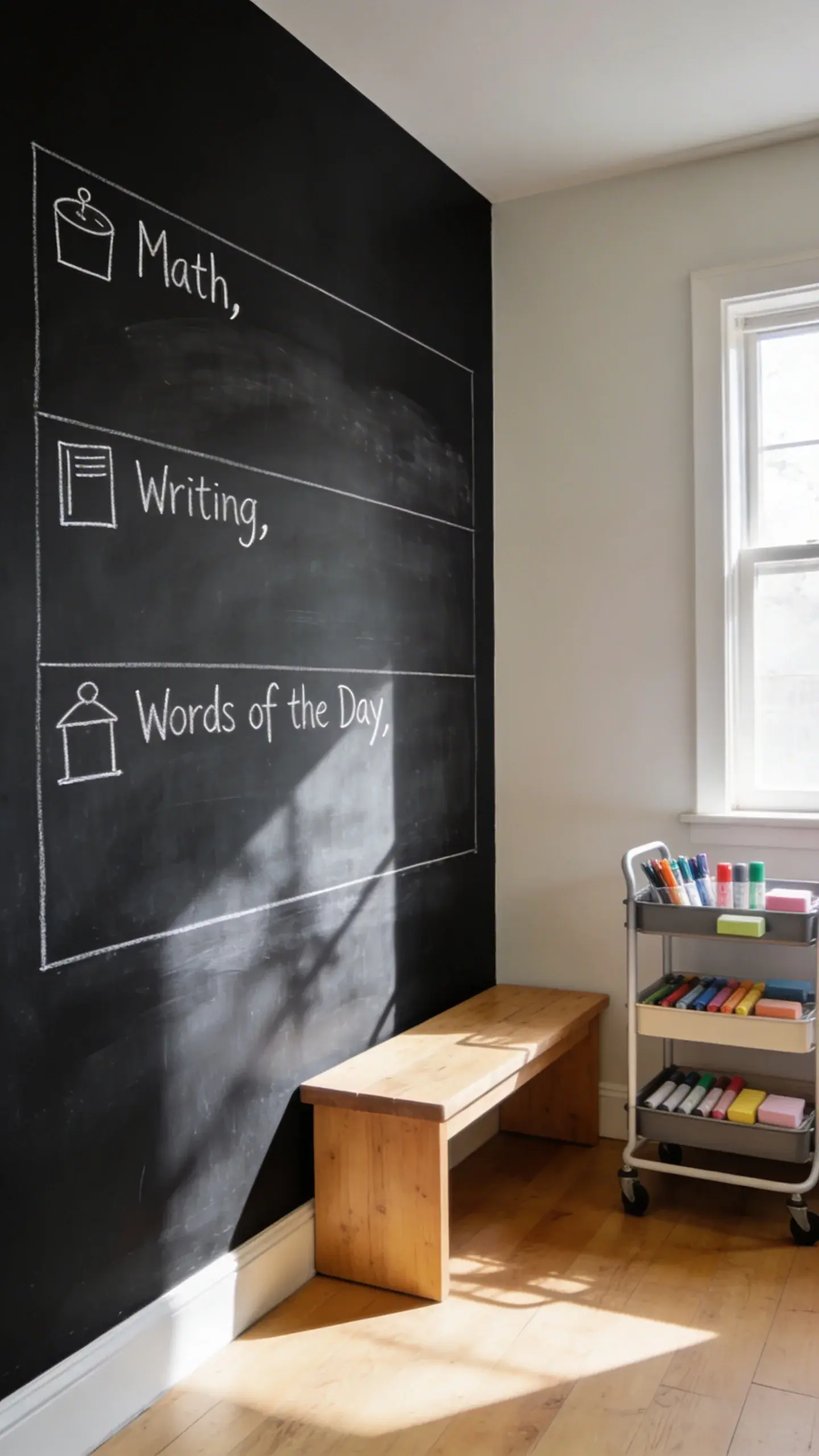
Chalkboard paint on a wall or board creates a reusable canvas for daily prompts, calendars, or doodles during warm-ups.
Apply two coats for deep black or green, then seal with a clear topcoat. Use chalk markers for cleaner lines and easier erasing.
Tips
- Designate sections for math, writing, or words of the day
- Keep a damp cloth handy for quick cleanups
- Use it to host quick interactive lessons
Bottom line: it’s an inexpensive space that invites collaboration and spontaneous learning moments.
9. DIY Desk Organizers from Everyday Items
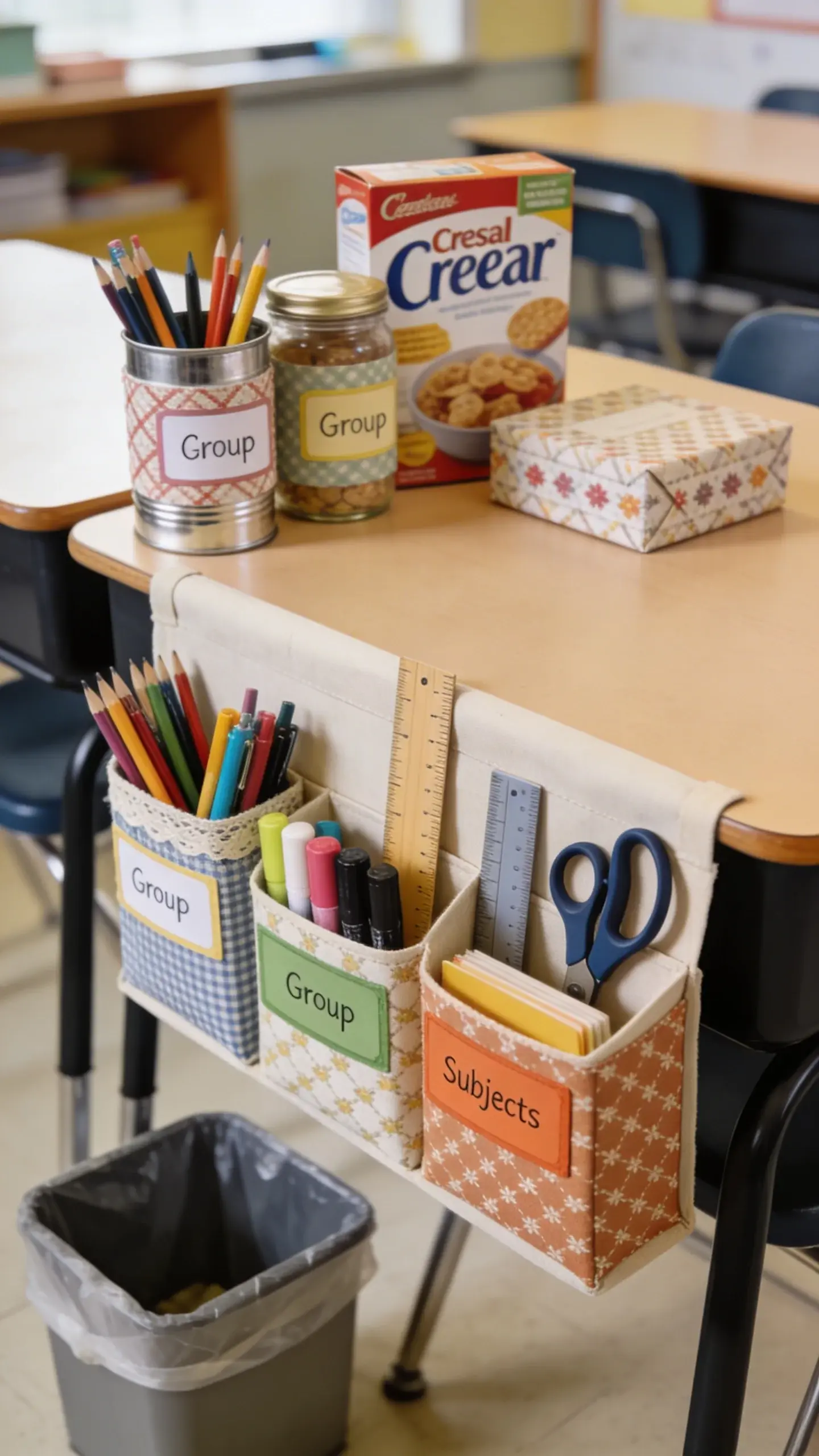
Desk organizers don’t have to be store-bought; repurpose cans, jars, and cereal boxes into tidy, stylish organizers.
Wrap with decorative paper or fabric and label each pocket. Students regain focus when their supplies have a home.
Practical Setup
- Label sections: pencils, markers, rulers, scissors
- Use color coding for groups or subjects
- Keep a small trash tray nearby to cut clutter
Benefit: cleaner desks lead to calmer routines and more time spent learning, not hunting for supplies.
10. Wall-to-Wall Time-Tables Tent
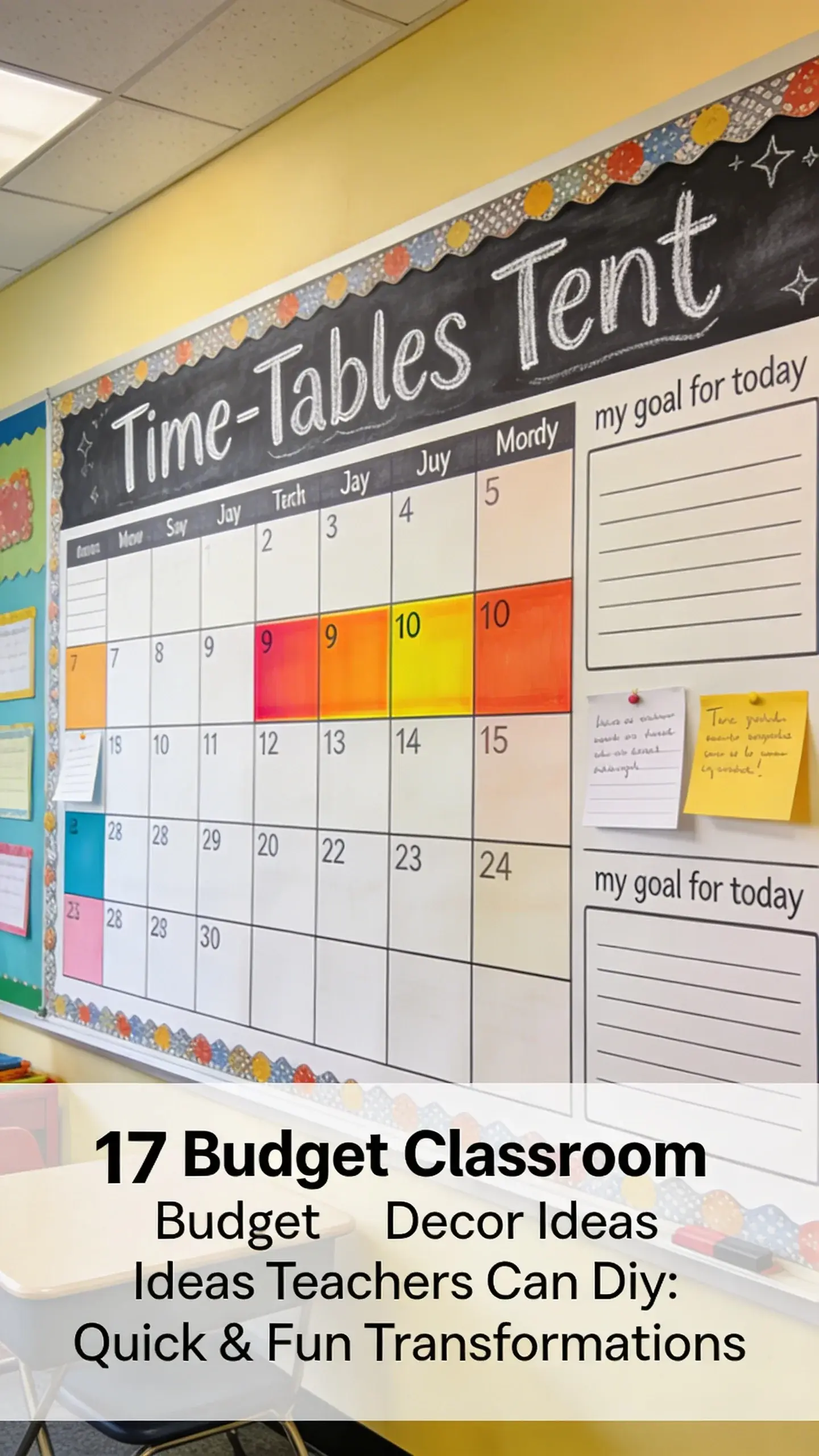
Time-tables don’t have to be a drag. Create a playful, wall-covering calendar that doubles as a learning tool.
Print a large monthly grid, add daily tasks, and leave space for student input. An anchor chart vibe keeps everyone aligned.
Application
- Highlight current day with a bold color
- Include a “my goal for today” line for each student
- Update with quick feedback notes
Why use it: it builds routine, accountability, and a sense of shared time awareness.
11. Recycled Tile Classroom Floor Décor
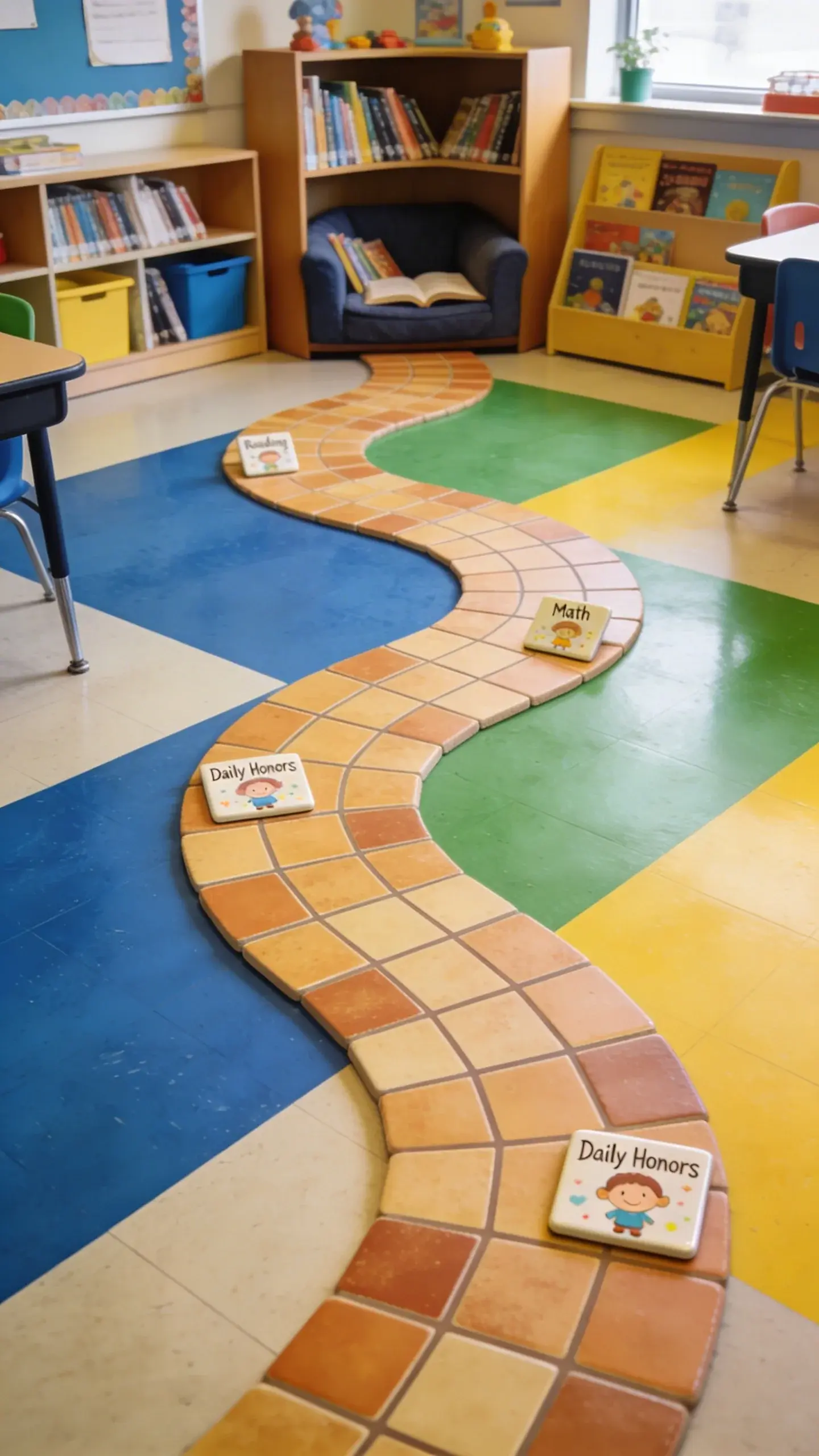
Short on carpet but long on personality? Use inexpensive tiles or faux tiles to create a classroom floor art path or reading rug pattern.
Arrange tiles in a friendly path or a grid that doubles as a game board. Easy to swap when you refresh themes.
Ideas
- Pathway leading to reading corner
- Color zones corresponding to centers
- Student-designed tile spots for daily honors
Perks: color psychology and a touch of whimsy without breaking the bank.
12. Clip Art Clipboards for Quick Notices
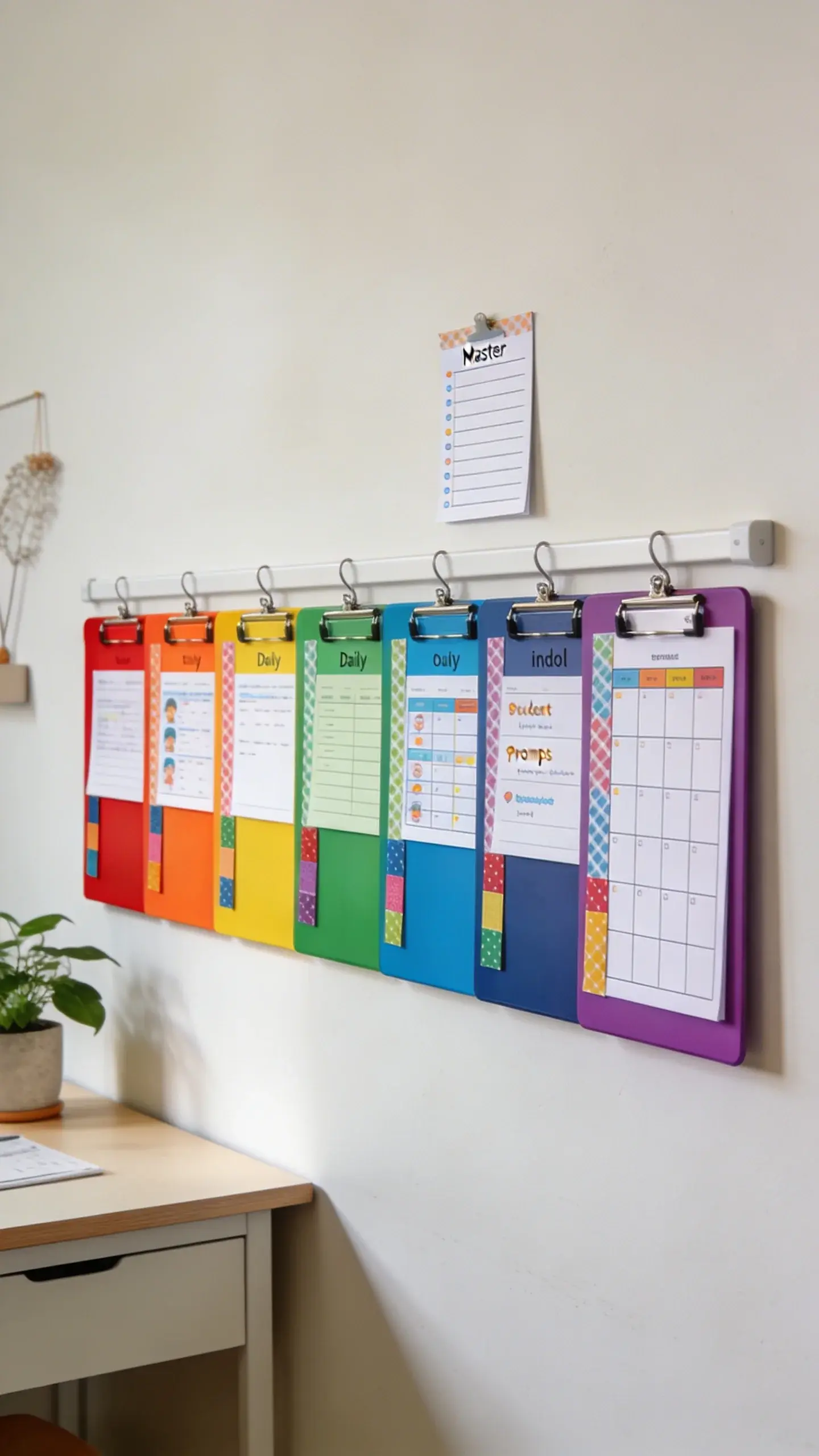
Clipboards aren’t just for reminders—they can be creative display tools too. Create a rotating notice station that’s friendly and uncluttered.
Paint clipboards in a rainbow of hues and clip student work, daily schedules, or lesson prompts. Use washi tape to label each board.
Details
- Group related items by color
- Swap out daily postings for fresh content
- Keep a master checklist for what’s displayed
Benefit: reduced wall clutter, clearer communication, and a more welcoming classroom vibe.
13. Plant-Powered Motivation Corner
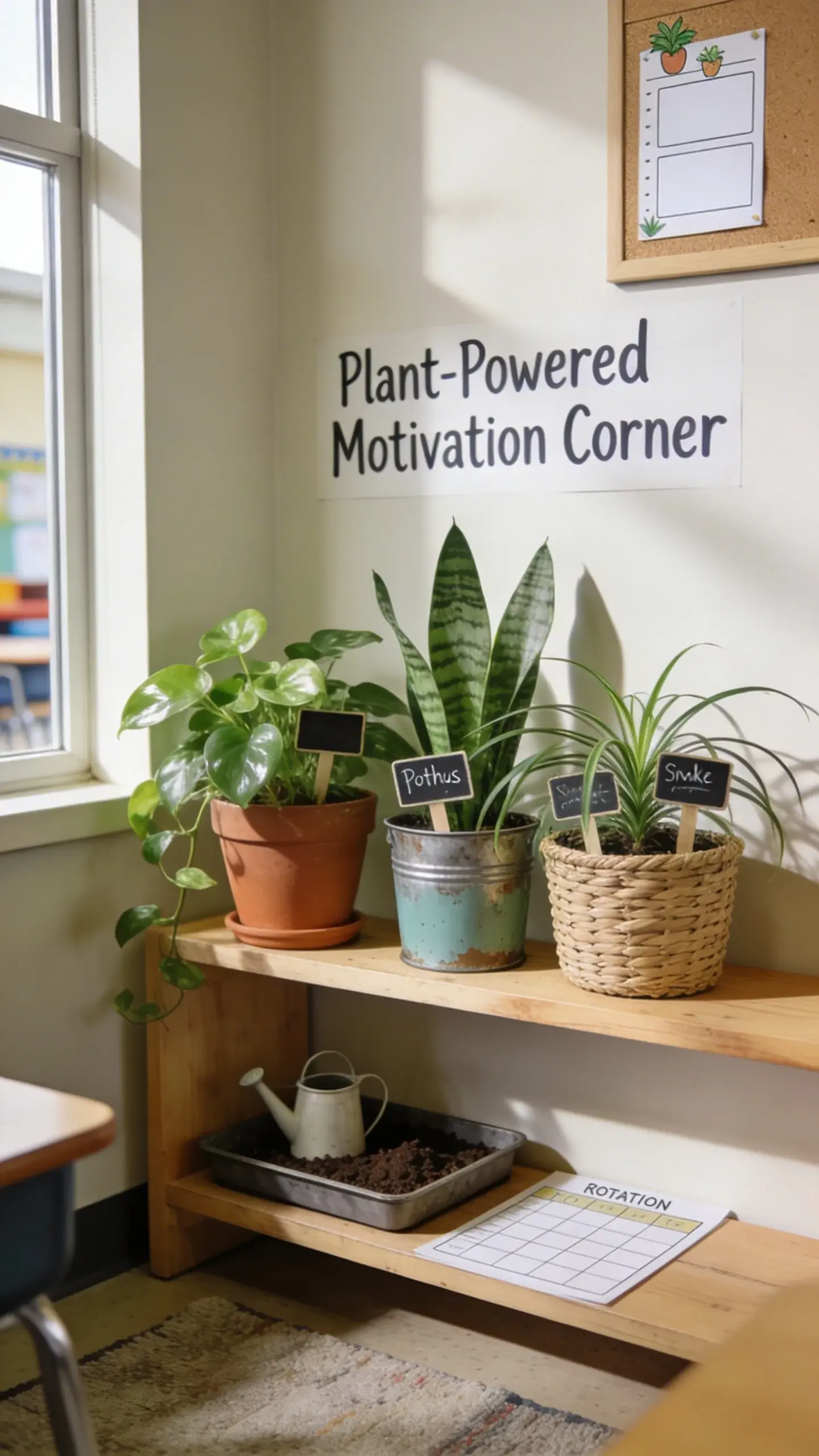
A few low-maintenance plants transform a room, purify air, and teach responsibility. Build a mini green corner with thrifted pots and simple soil care.
Choose hardy options like pothos, snake plants, or spider plants. Label each plant with the student responsible for its care.
Care Tips
- Water on a schedule to avoid mess
- Place near natural light for best growth
- Rotate care duties to involve learners
Impact: nature + learning equals calmer, more focused students. Seriously, try it.
14. DIY Alphabet Garden Wall
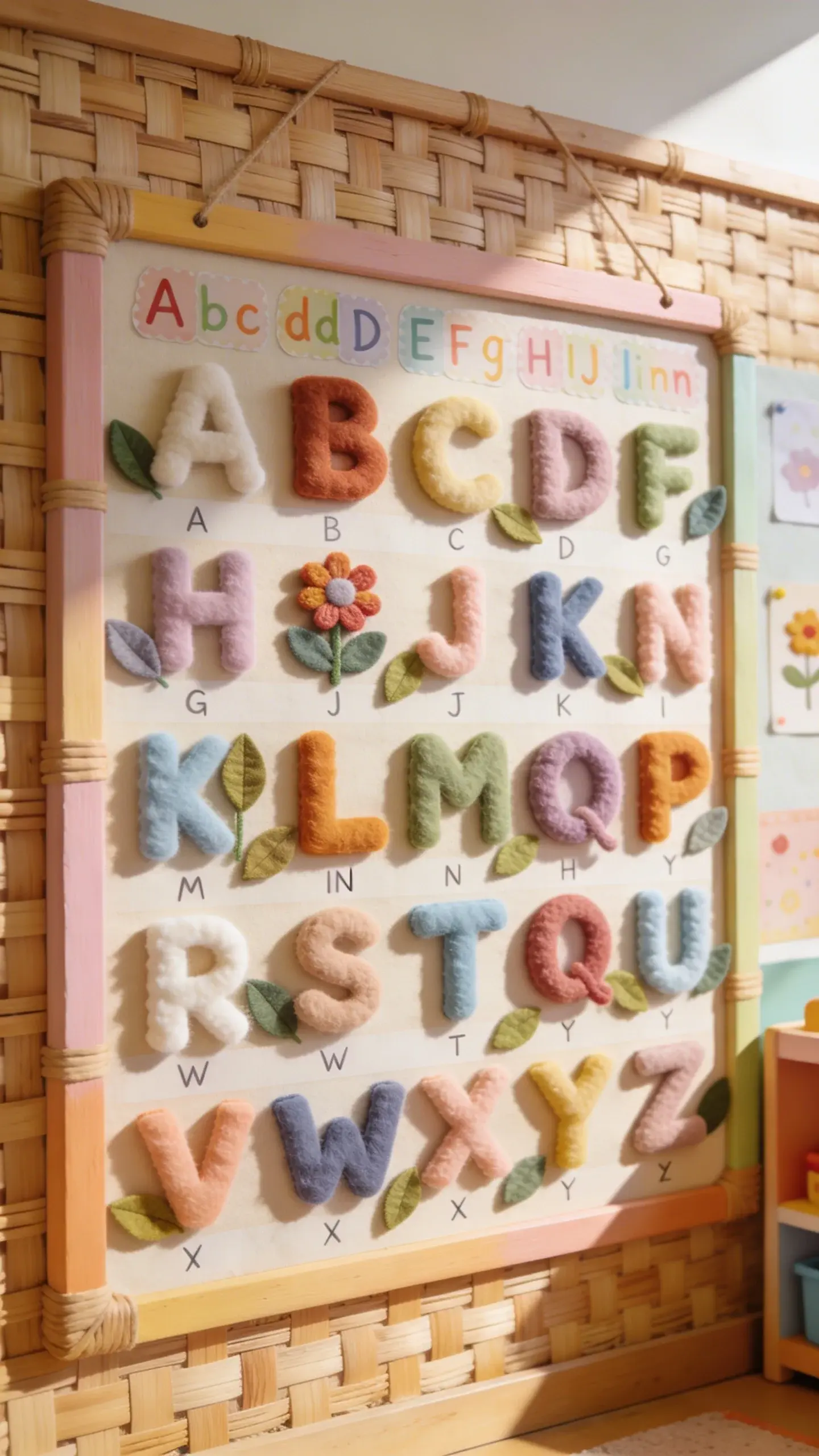
Turn a blank wall into an engaging alphabet garden with printable letters and tactile elements.
Mount letters on durable backing and intersperse with fabric leaves or fabric flowers for a playful, sensory display.
What you’ll do
- Order or print letters A–Z
- Add textures like felt or soft fabrics
- Incorporate visuals for upper- and lowercase pairs
Reason to use: early literacy thrives in colorful, hands-on environments and it’s super shareable for parent updates.
15. Quiet Time Lanterns
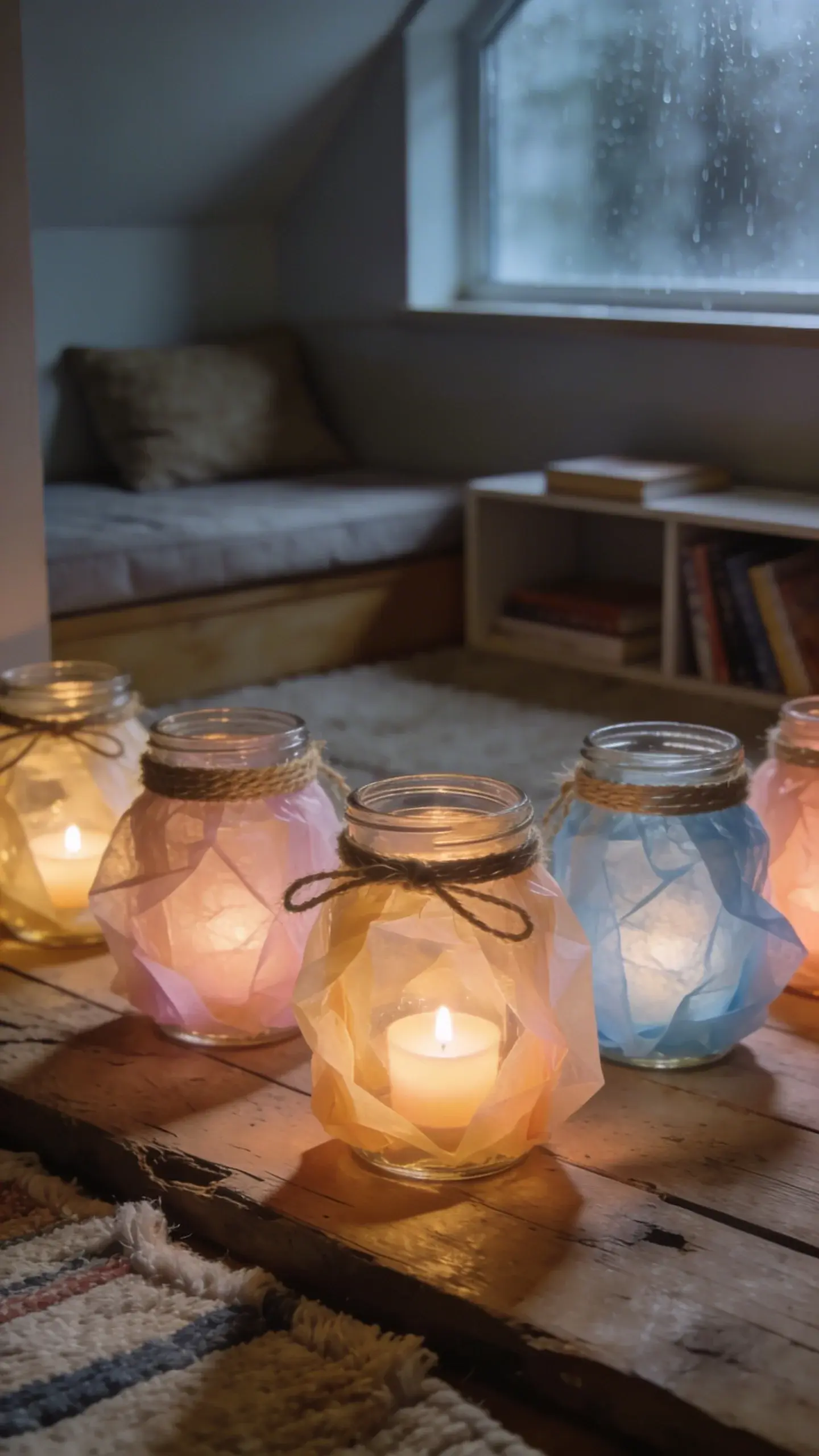
Small lanterns with soft lights create a calming precipice between active lessons and rest periods.
Use battery-operated tea lights or LED string lights inside mason jars. Decorate with colored tissue or translucent paper for a glow effect.
When to pull them out
- During independent reading or reflection time
- On rainy days to soften the atmosphere
- For end-of-day wind-down routines
Pro note: a little glow goes a long way for mood and focus. FYI, kids love a bit of theater in the classroom.
16. DIY Schedule Blocks With Cute Clips
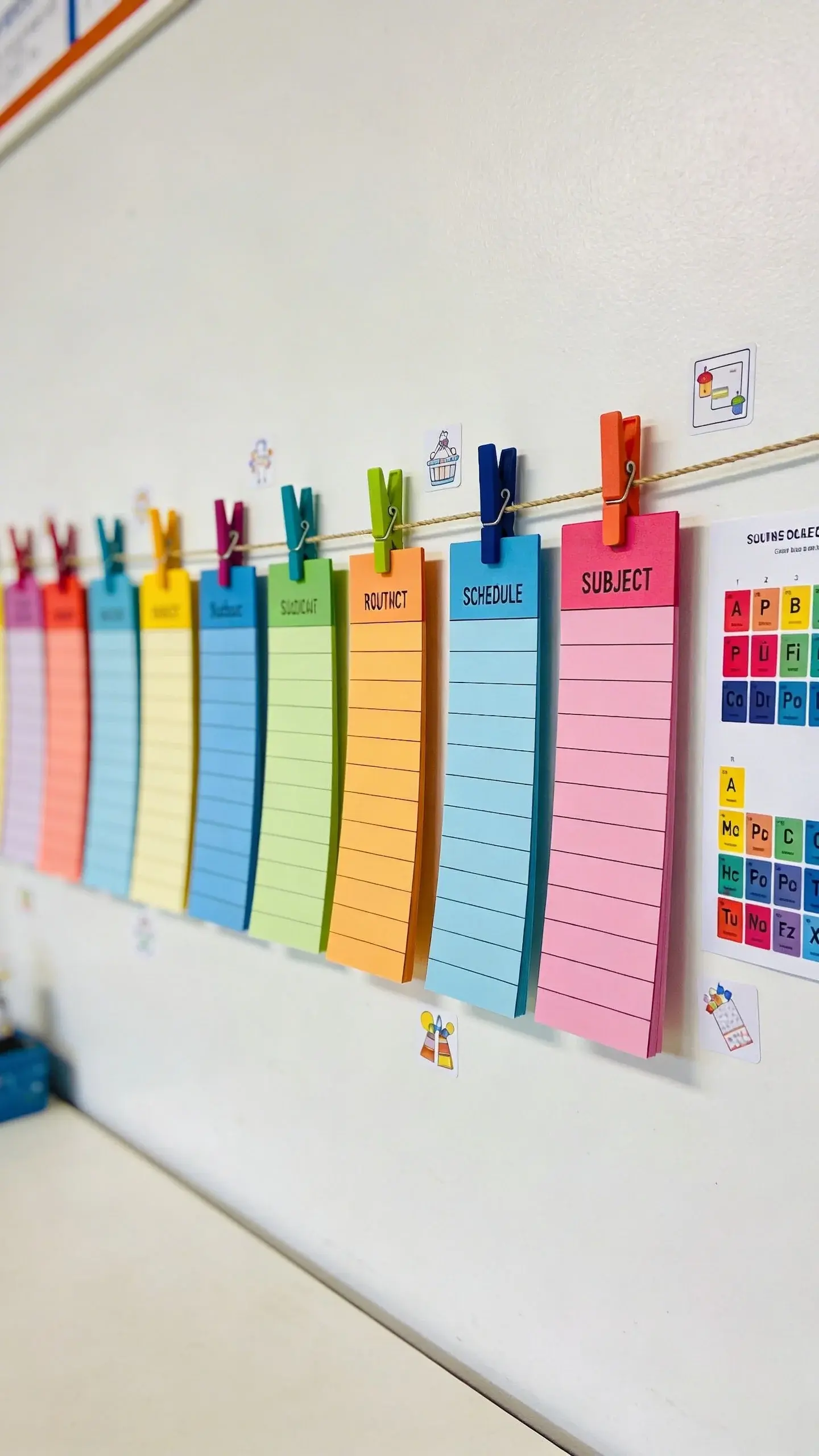
Colorful schedule blocks on a wall help everyone stay on track without constant reminders from you.
Suspend labeled clips on a string or wire, and slide them to indicate the current activity. It’s a visual cue that’s simple and effective.
Notes
- Color-coded by subject or part of the day
- Update when routines shift, so it stays relevant
- Pair with a quick verbal cue to reinforce transitions
Benefit: fewer interruptions, smoother transitions, and a sense of control for students.
17. DIY Inspo Mirror Wall
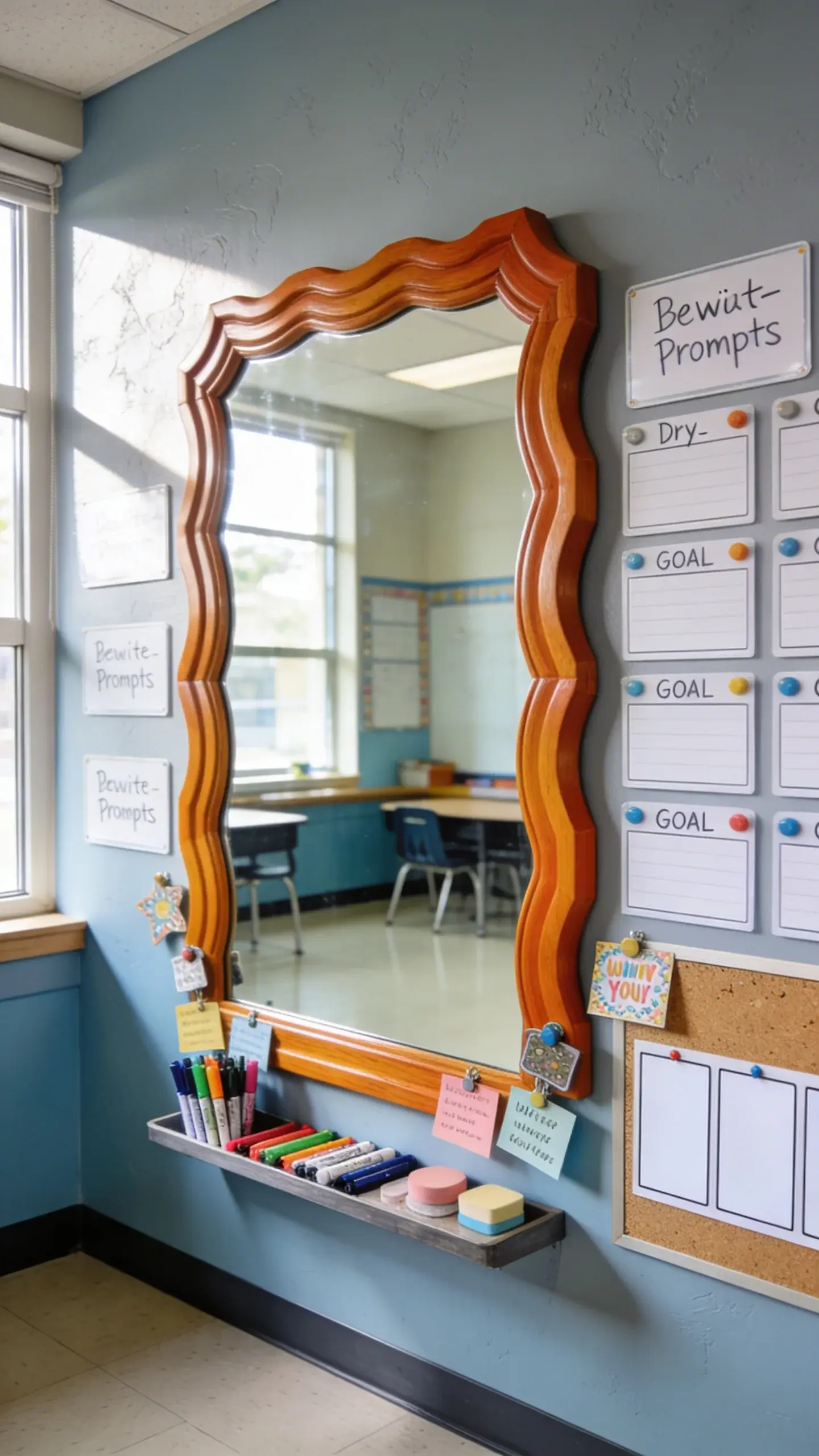
Finish with a motivational mirror wall for reflection and daily affirmations. A vanity mirror framed with bold trim makes a big impact without costing a fortune.
Write daily prompts around the frame with removable, dry-erase markers. Students can add their own notes and goals on the glass or nearby cards.
Elements
- Removable prompts that celebrate effort
- Clear space for personal goals
- A dynamic, reflective surface that invites conversation
Impact: reinforces positive self-talk and creates a sense of welcome as students start and end their day.
Conclusion: You’ve got the blueprint for a classroom that feels cohesive, friendly, and alive—without draining your budget. Now pick a few ideas, mix in your vibe, and watch your space transform into a hub where learning and creativity thrive. Go ahead—start small, and enjoy the glow-up with your students.