
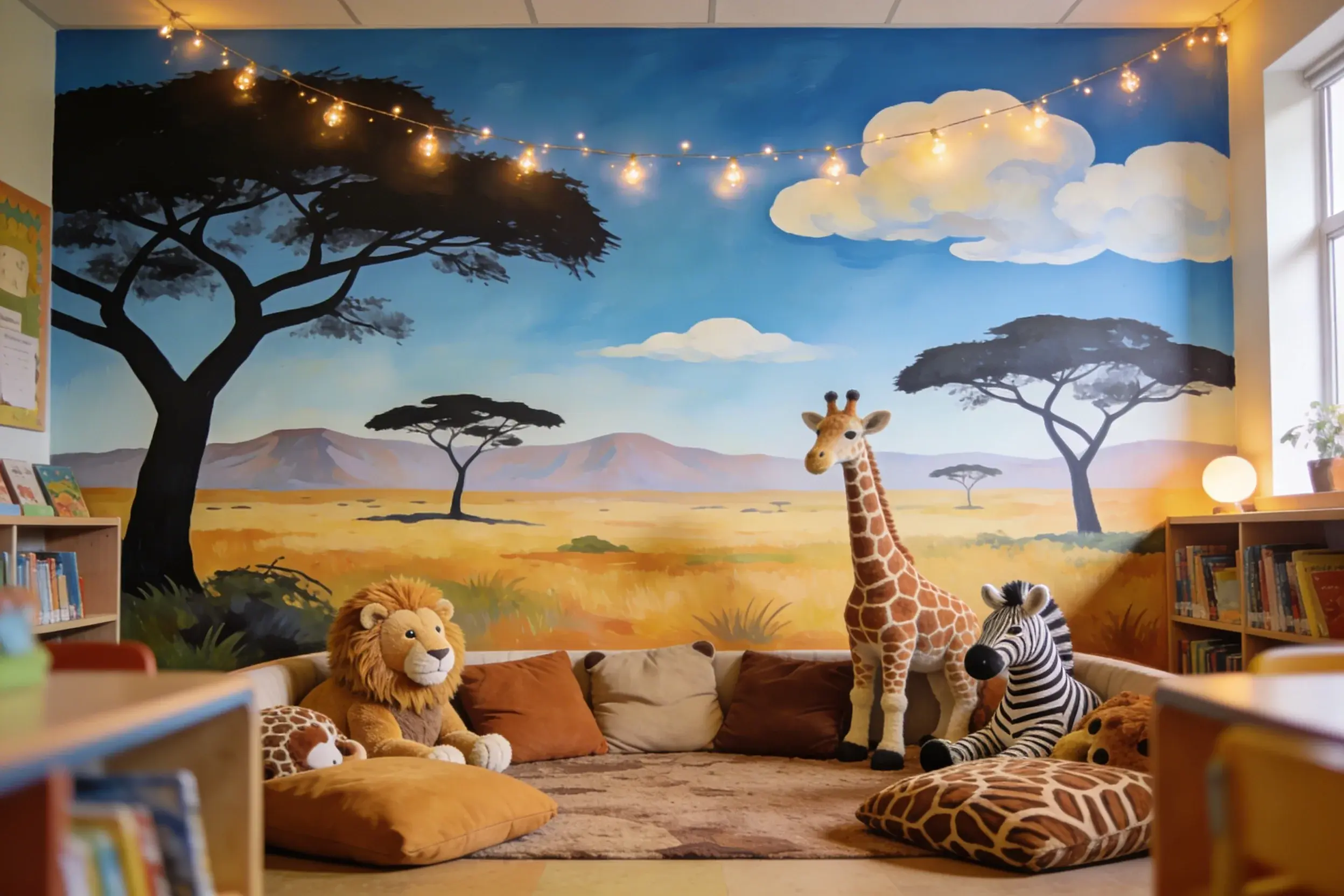
Ready to turn your classroom into a playful savanna without wrecking your budget? These ideas are easy, bold, and surprisingly doable. Let’s dive in and transform bland walls into a roaming, learning-friendly paradise.
1. Wall Mural Safari Backdrop
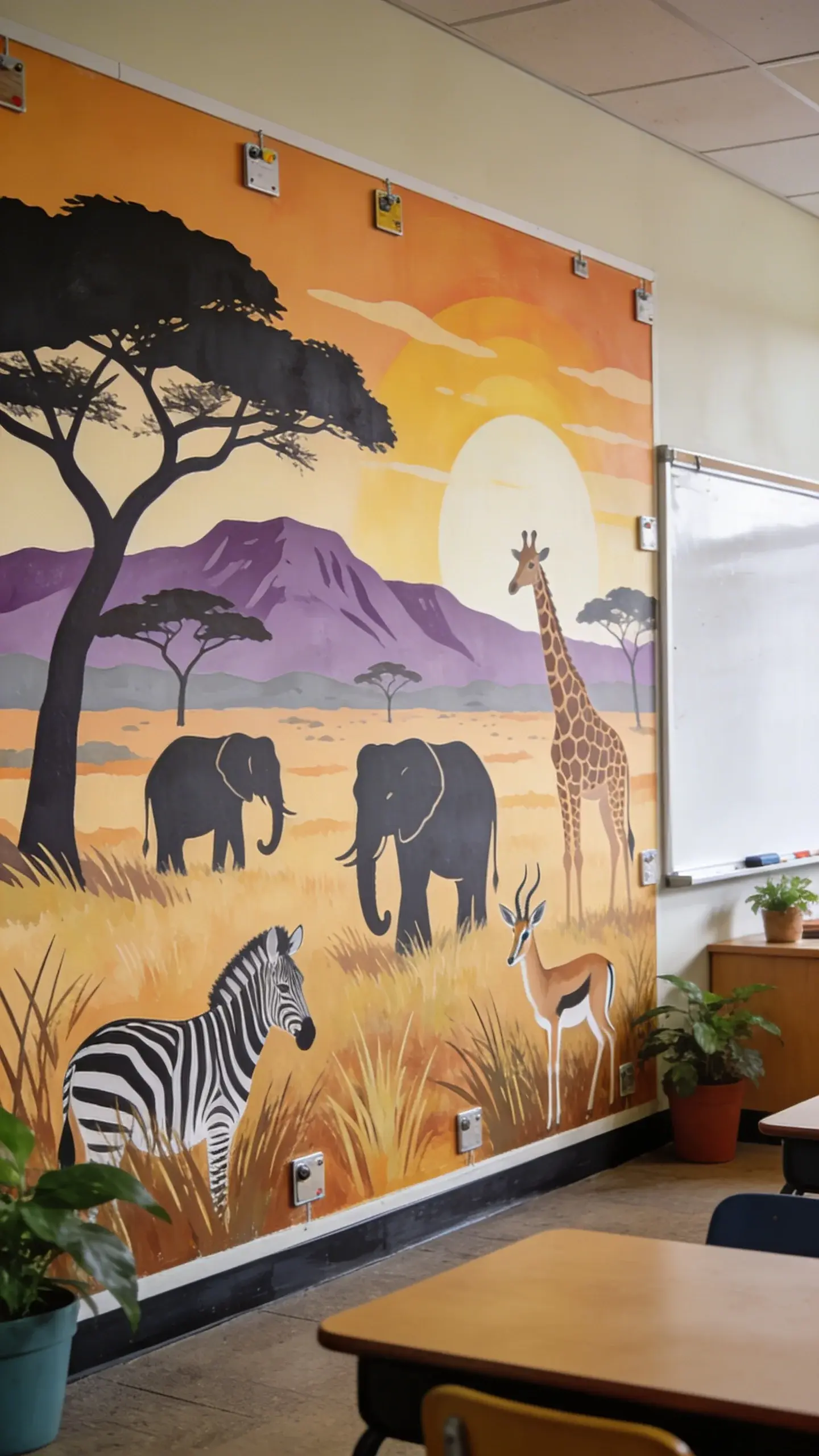
Kick things off with a bold mural that instantly sets the scene. A big, friendly savanna landscape gives every lesson a sense of adventure.
Think: gentle silhouettes of trees, distant mountains, and a bright sky. Kids spot familiar animals and get inspired to learn.
Tips
- Choose non-glare paint to reduce screen reflection during lessons.
- Use removable wallpaper for easy updates each term.
- Add magnetic elements so students can pin work directly onto the mural.
When to use: start of term or after a project that invites exploration. It’s the vibe setter and conversation starter all in one.
2. Animal-Themed Reading Nook
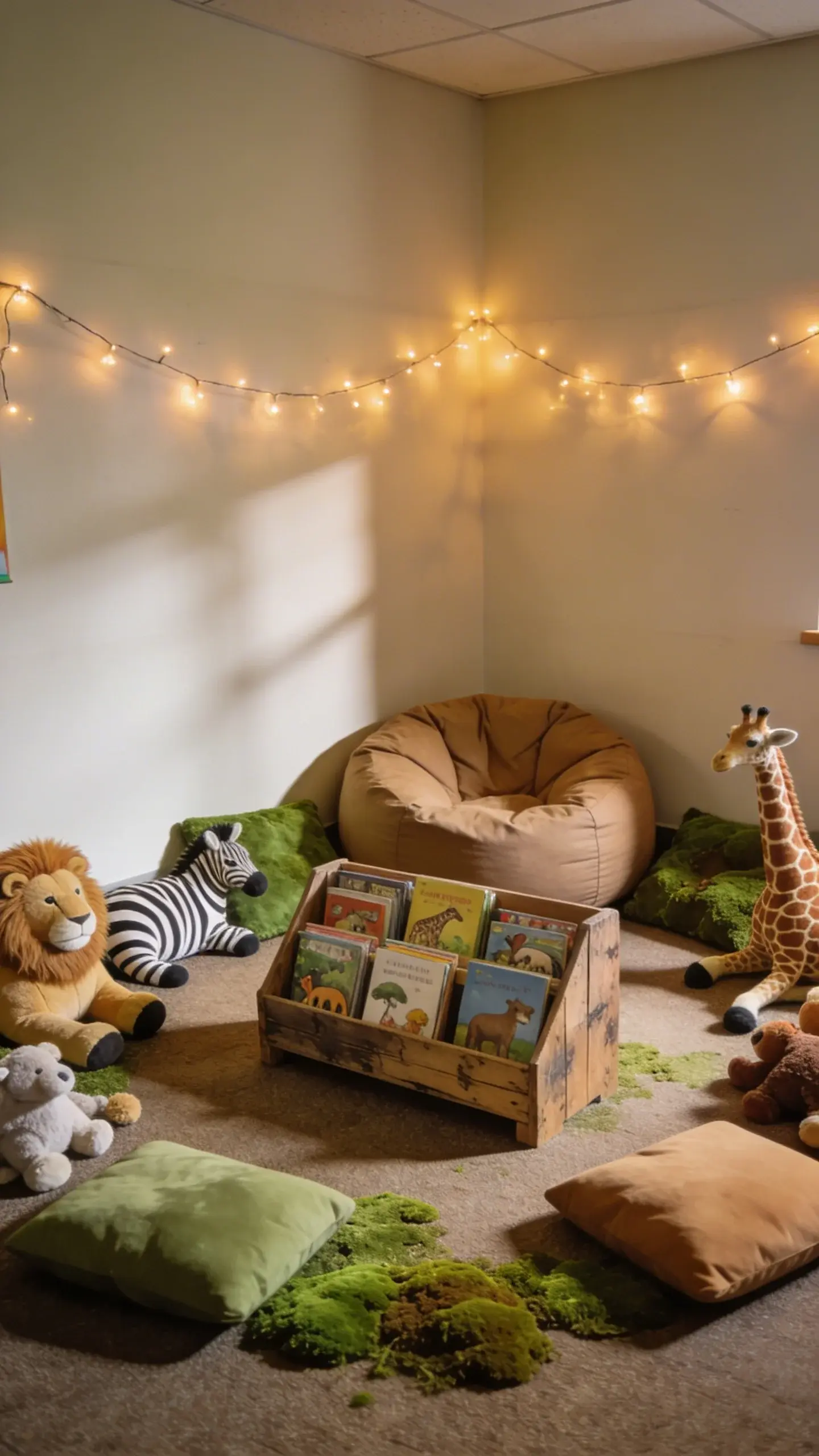
A cozy corner named after a favorite safari animal makes reading feel like an expedition. Soft lighting and comfy cushions invite slow, thoughtful pages.
Stock the nook with a mix of picture books and early readers that align with your curriculum and students’ interests.
Materials
- Low, comfy seating (floor cushions, bean bags)
- Warm fairy lights or a small lamp
- Animal-themed cushions or plushies
Benefits: boosts independent reading time and creates a retreat for curious minds.
3. Timeline of Tracks: Floor Path
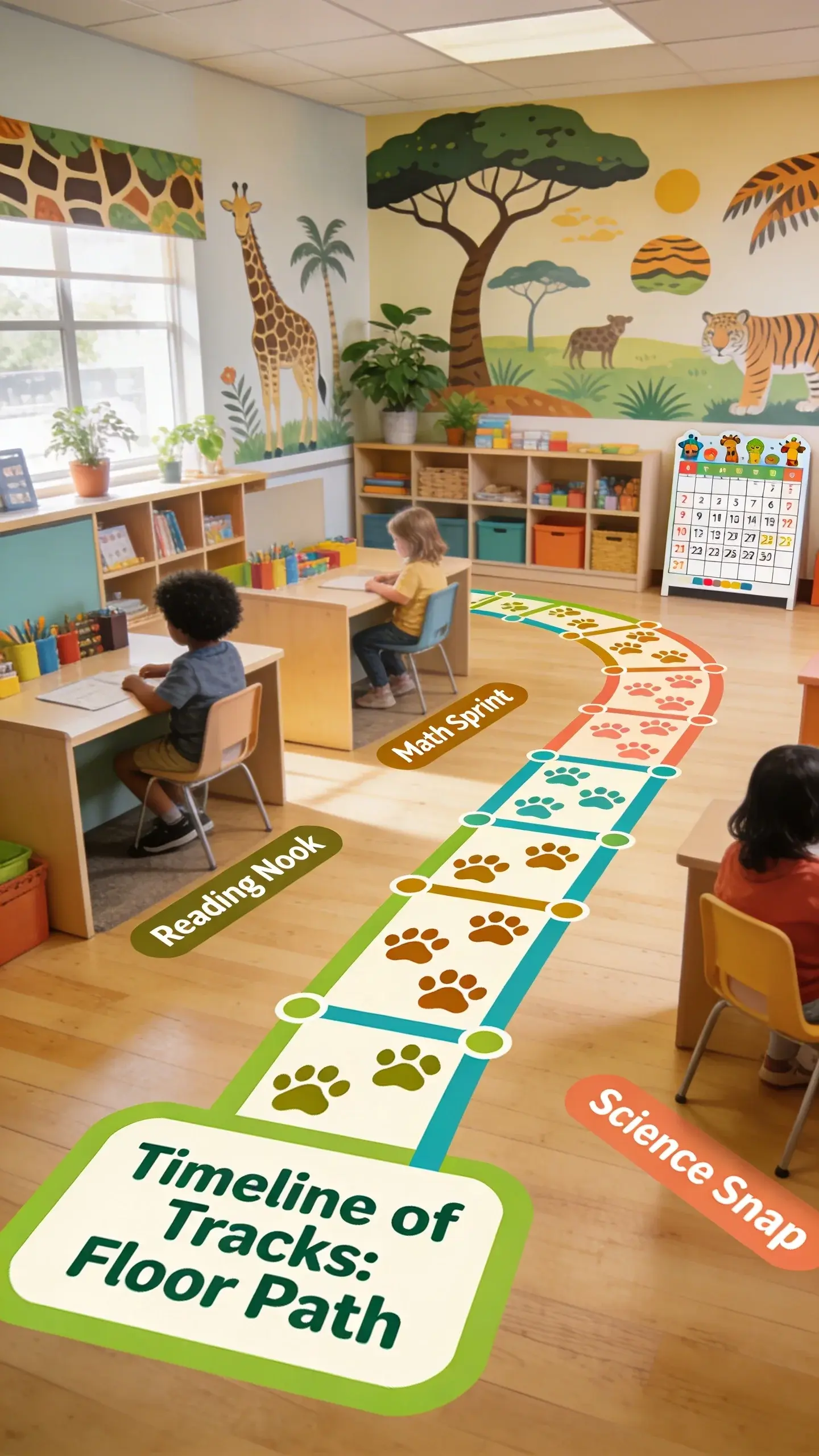
Lay down a decorative floor path that mimics animal tracks guiding students through stations. It’s playful and super practical for transitions.
Use reusable tape or vinyl decals so you can re-route paths as lessons shift.
Key Elements
- Different track colors for different subjects
- Rounded corners to avoid tripping
- Labels at each station with quick activity ideas
Bonus: kids love following tracks; you’ll save “line-dragging” drama during busy mornings.
4. Safari Alphabet Wall
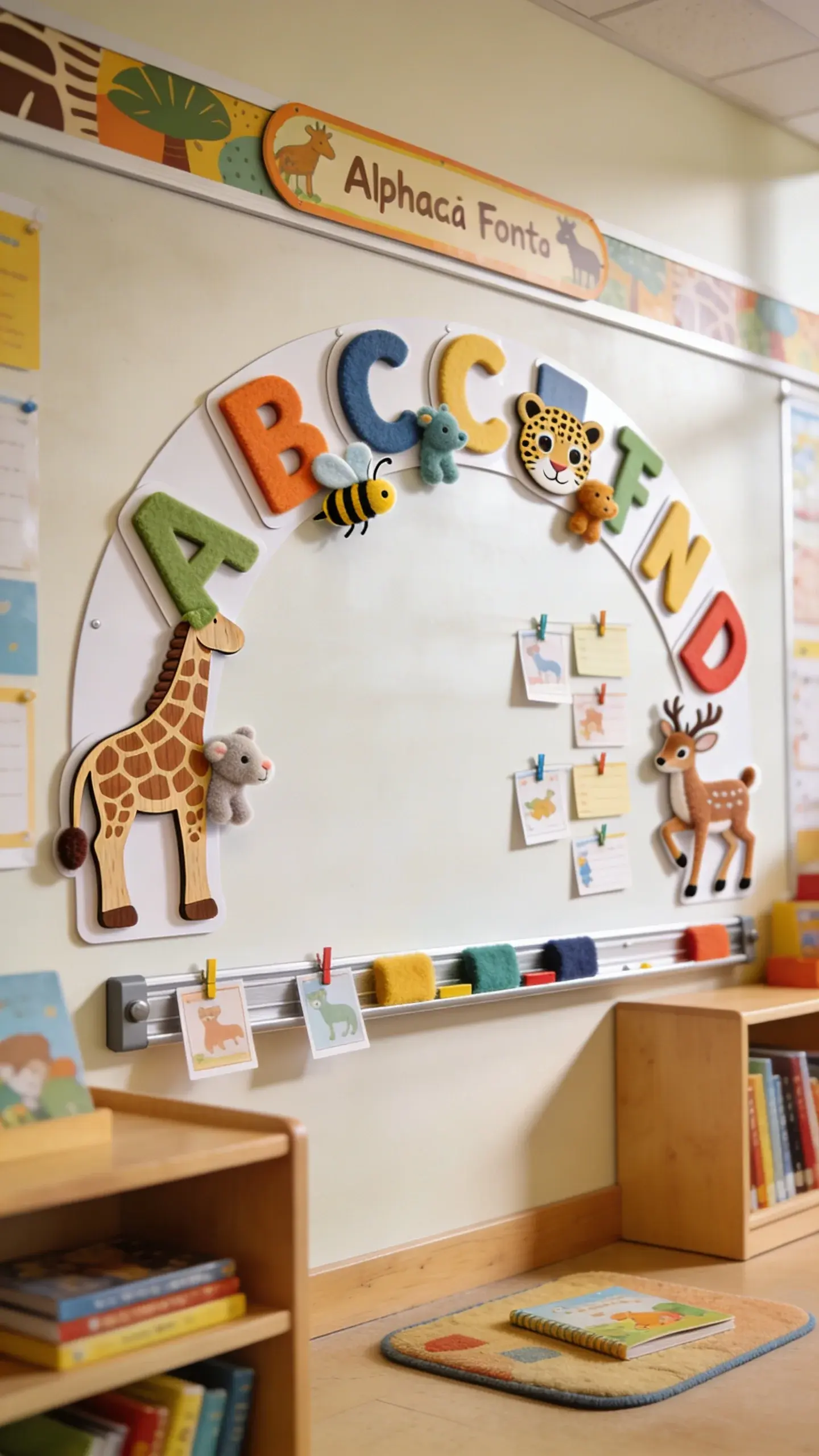
Turn letters into a mini-menagerie. Each letter could feature a corresponding animal and sound cue—bonus points for DIY flashcards.
Keep the display bilingual if your class needs it; the visual connection helps retention.
Tips
- Laminate letters for durability.
- Incorporate tactile elements (felt animals) for younger kids.
- Use a magnetic strip so you can rearrange letters without damages.
When to use: literacy block or a quick brain break between subjects.
5. Save the Planet: Recycled Habitat Diorama Station
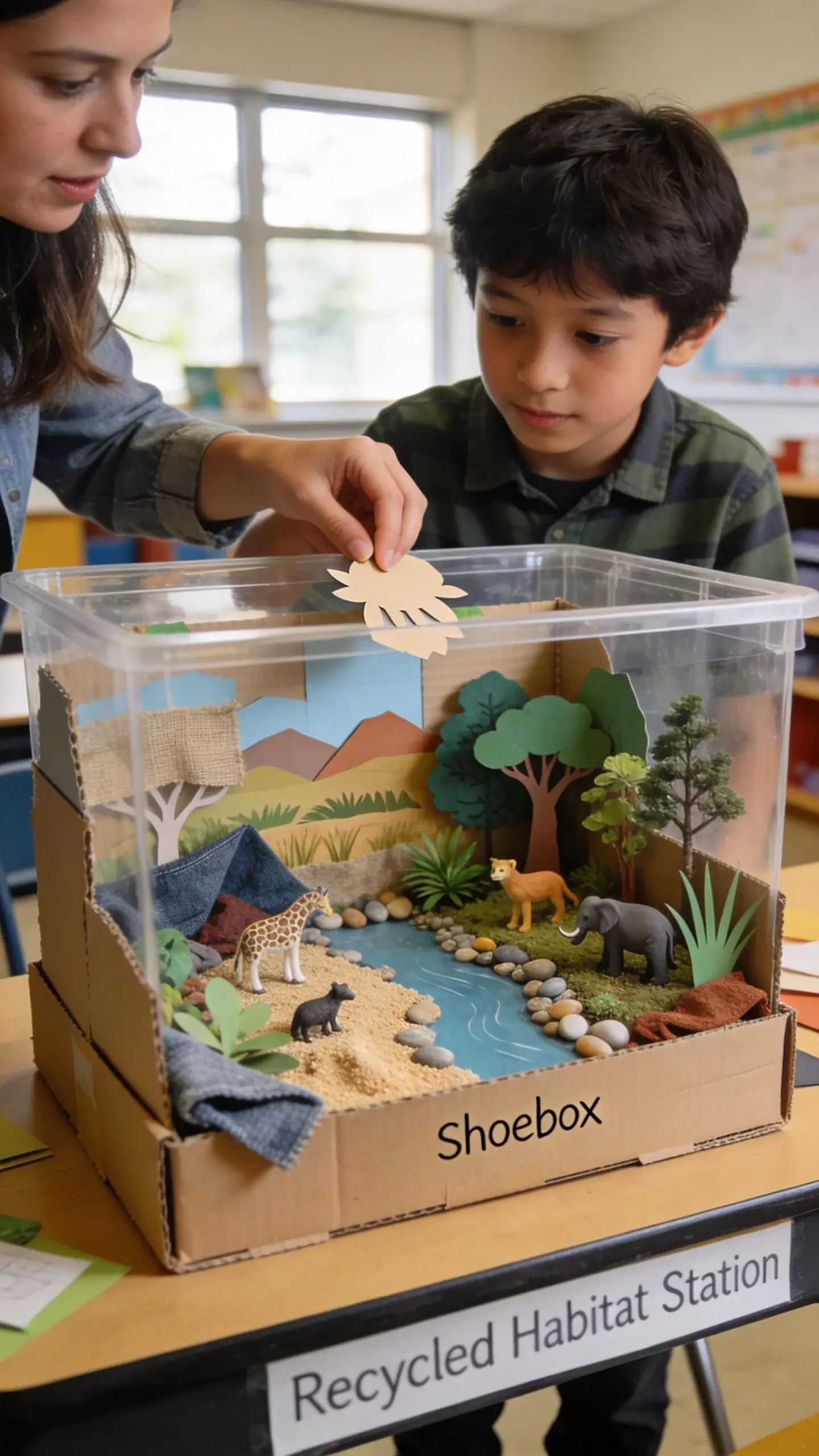
Encourage ecology lessons by building mini habitats from recyclable materials. It’s creativity with a conscience, and it keeps supply costs down.
Let students pick an ecosystem (savanna, river, forest) and craft it in a shoebox or clear plastic container.
What to Include
- Cardboard, fabric scraps, sand, pebbles
- Mini figurines or paper cutouts
- Labels with ecosystem facts
Benefits: hands-on understanding of biodiversity and environment stewardship.
6. Gymkhana: Learning Stations Circuit
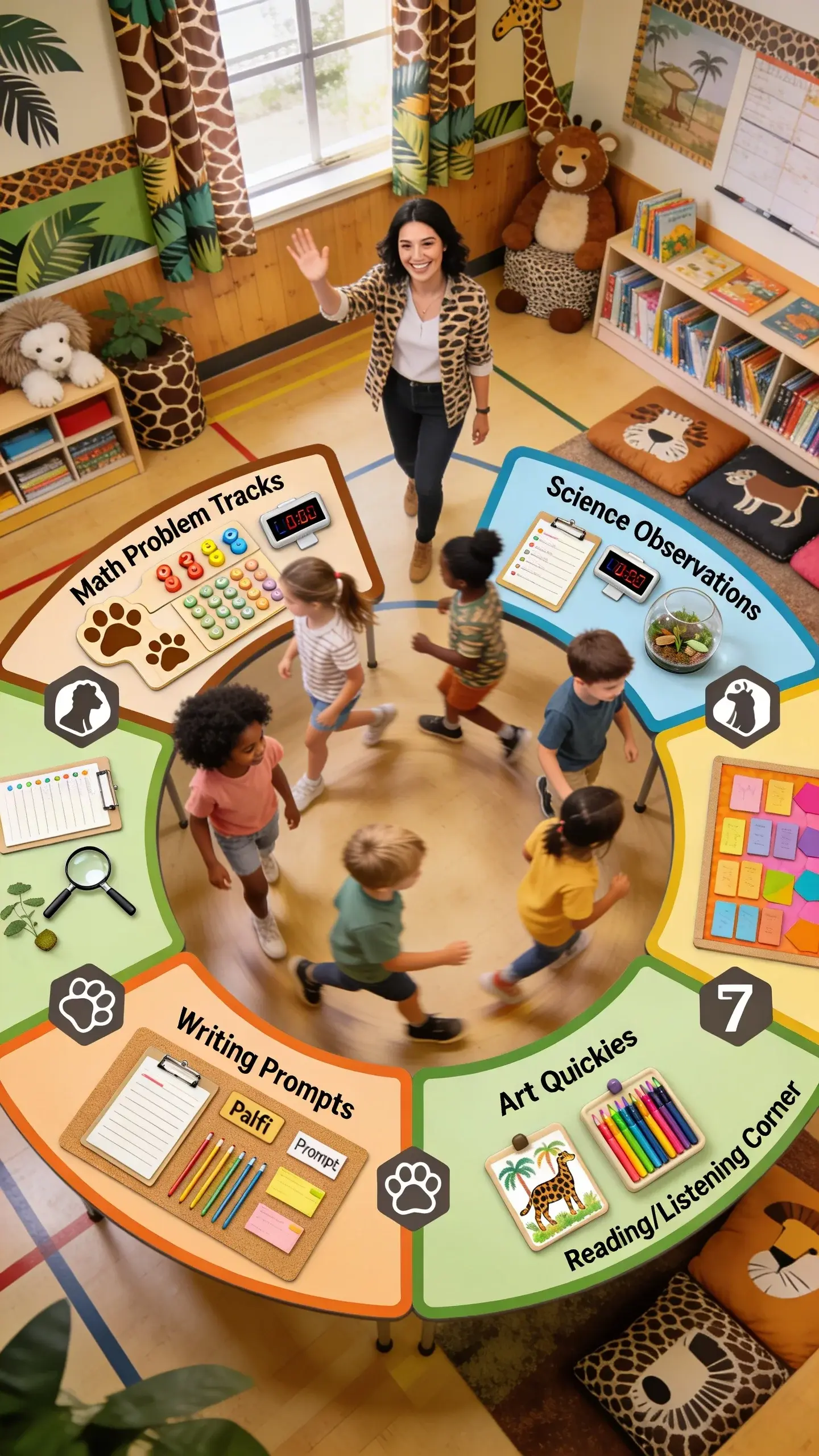
Set up quick, rotating stations around the room with a safari twist. Keeps energy high and attention focused.
Each station targets a skill: math problem tracks, science observations, writing prompts, or art quickies.
Structure
- 5-7 minute stations
- Clear signal when it’s time to rotate
- Mini visuals at each station so kids know what to do
Tip: use a timer and sing-song reminders to keep momentum without chaos.
7. Animal Shadow Puppets for Story Time
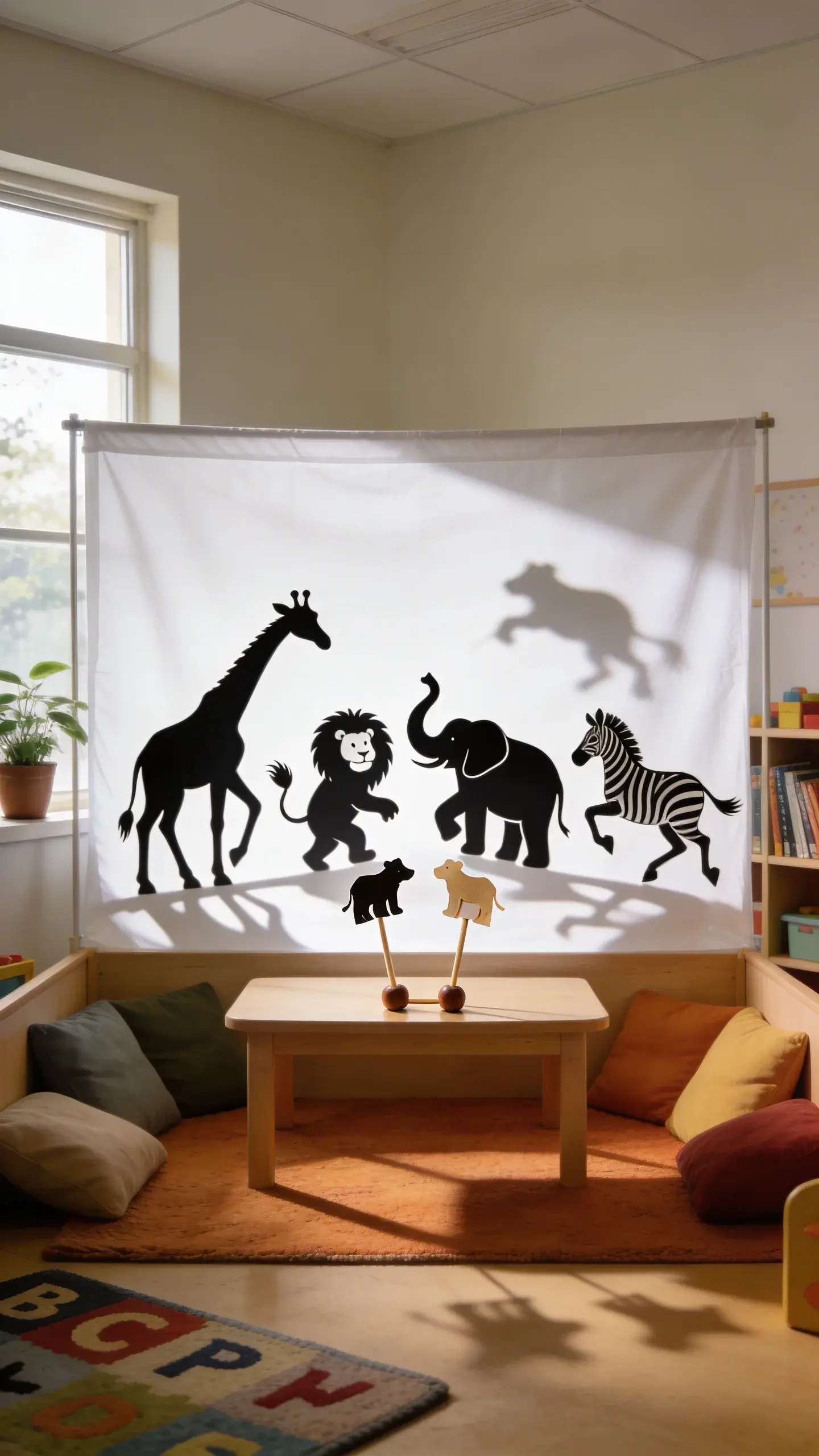
Shadow puppets add drama to storytelling and spark listening skills. A few simple silhouettes can transform any book into an expedition.
DIY tip: cut silhouettes from cardstock and mount on sticks. Use a light source from behind a white sheet or screen.
What’s Included
- Animals like giraffe, lion, elephant, zebra
- Short scripts tied to your reading list
- A simple “pause and predict” moment for comprehension
When to use: story time, phonics, or after a read-aloud for comprehension.
8. Jungle Soundscape Corner
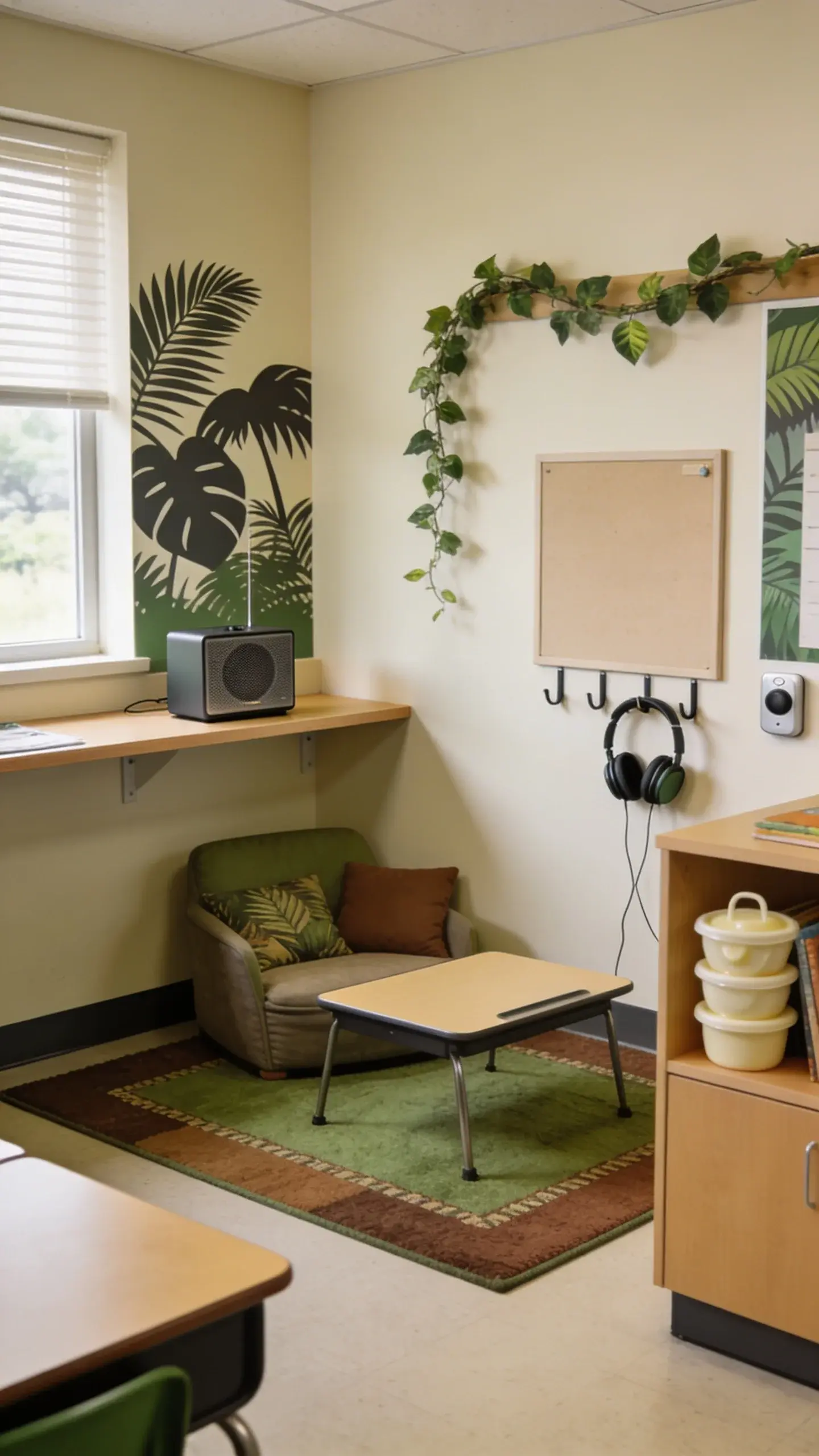
Ambient sounds instantly transport kids. A small speaker with a looped safari soundscape adds immersion without distracting visuals.
Pair with a quiet corner where kids can work individually or in pairs during independent work.
Notes
- Choose soft sounds—birds, distant elephants, rustling leaves
- Keep volume moderate to avoid fatigue
- Offer headphones for students who need extra focus
FYI: sounds can improve focus and mood, especially on rainy or gray days.
9. Bold Zebra Stripes: Reading Desk Decor
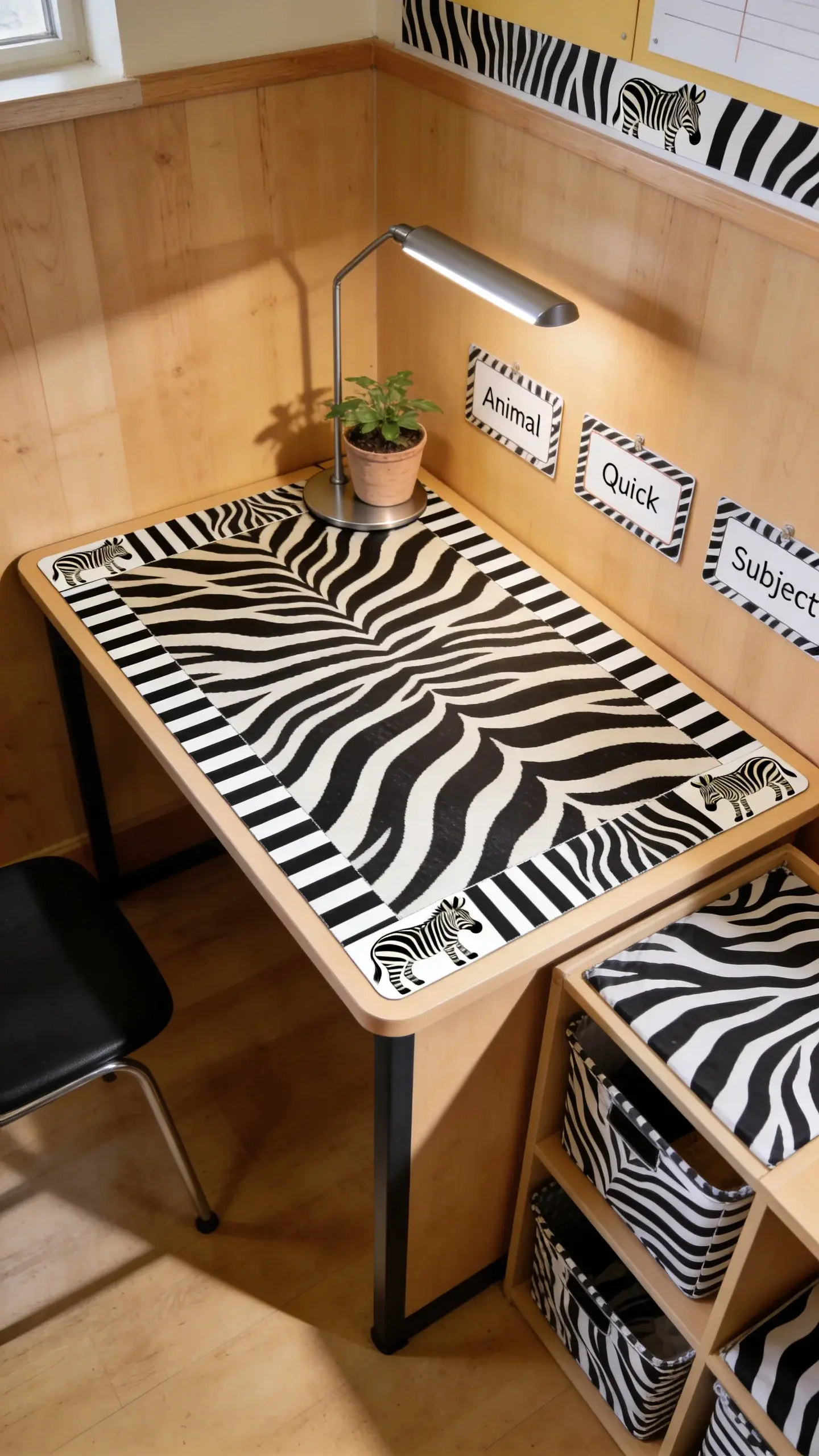
That zebra stripe motif on desks keeps things cheerful and visually cohesive. It’s simple to implement with tape and printable decals.
Match with a small plant or lamp to balance energy and reduce glare.
Implementation
- Desk mats with striped borders
- Animal name cards for quick subject labeling
- Storage bins in black-and-white patterns
End result: tidy, bold, and Instagram-worthy classroom corners that still function beautifully.
10. Safari Furniture Swap: Multi-Use Pieces
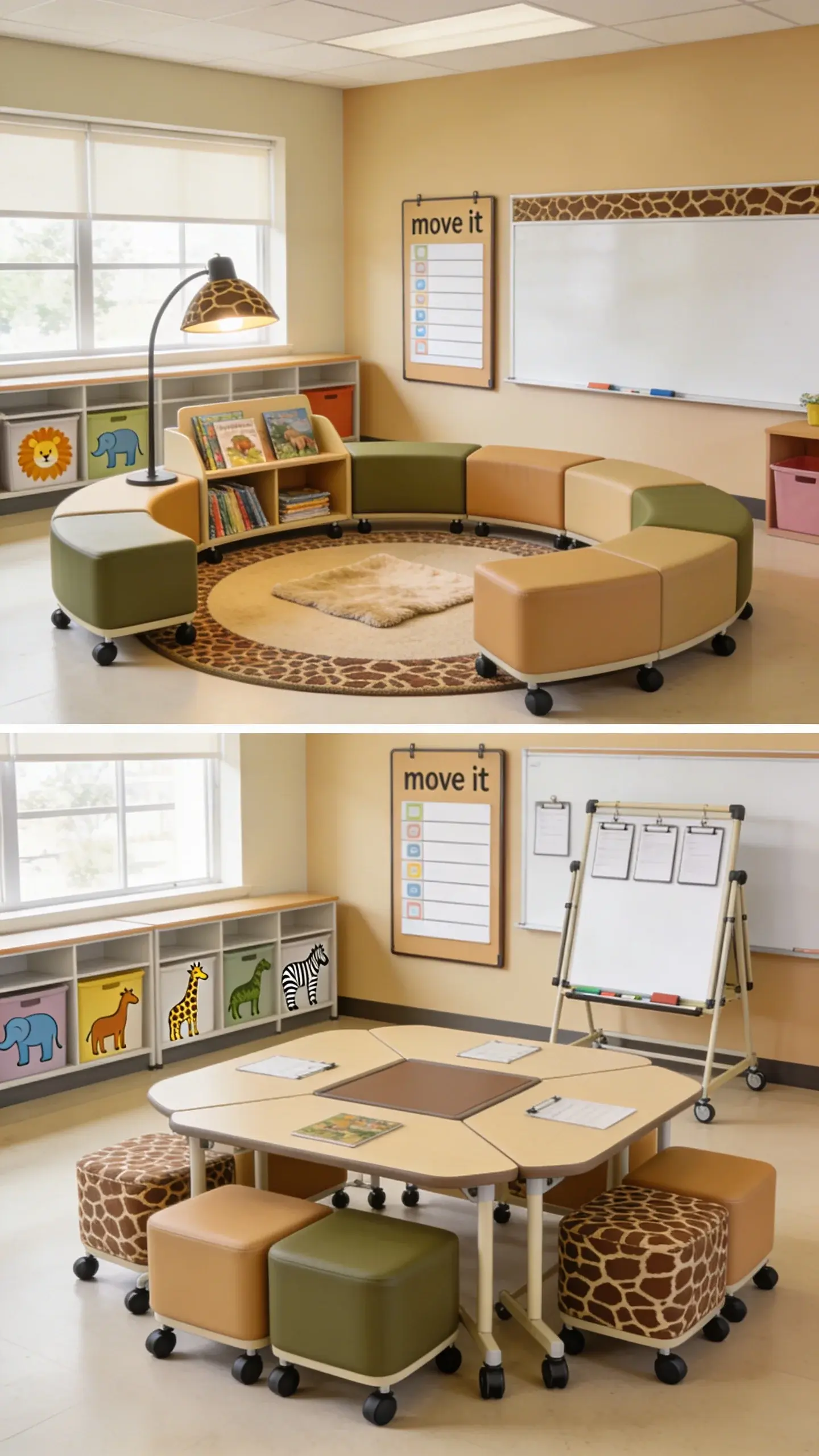
Choose movable furniture that can transform from a reading circle to a group work cluster in minutes. Flexibility is everything in a busy classroom.
Opt for lightweight options and label sections with animal icons for quick recognition.
Why it rocks
- Maximizes small spaces
- Encourages collaborative learning
- Simple rearrangements keep kids engaged
Pro tip: keep a “move it” checklist to speed transitions during class changes.
11. Safari Growth Gallery
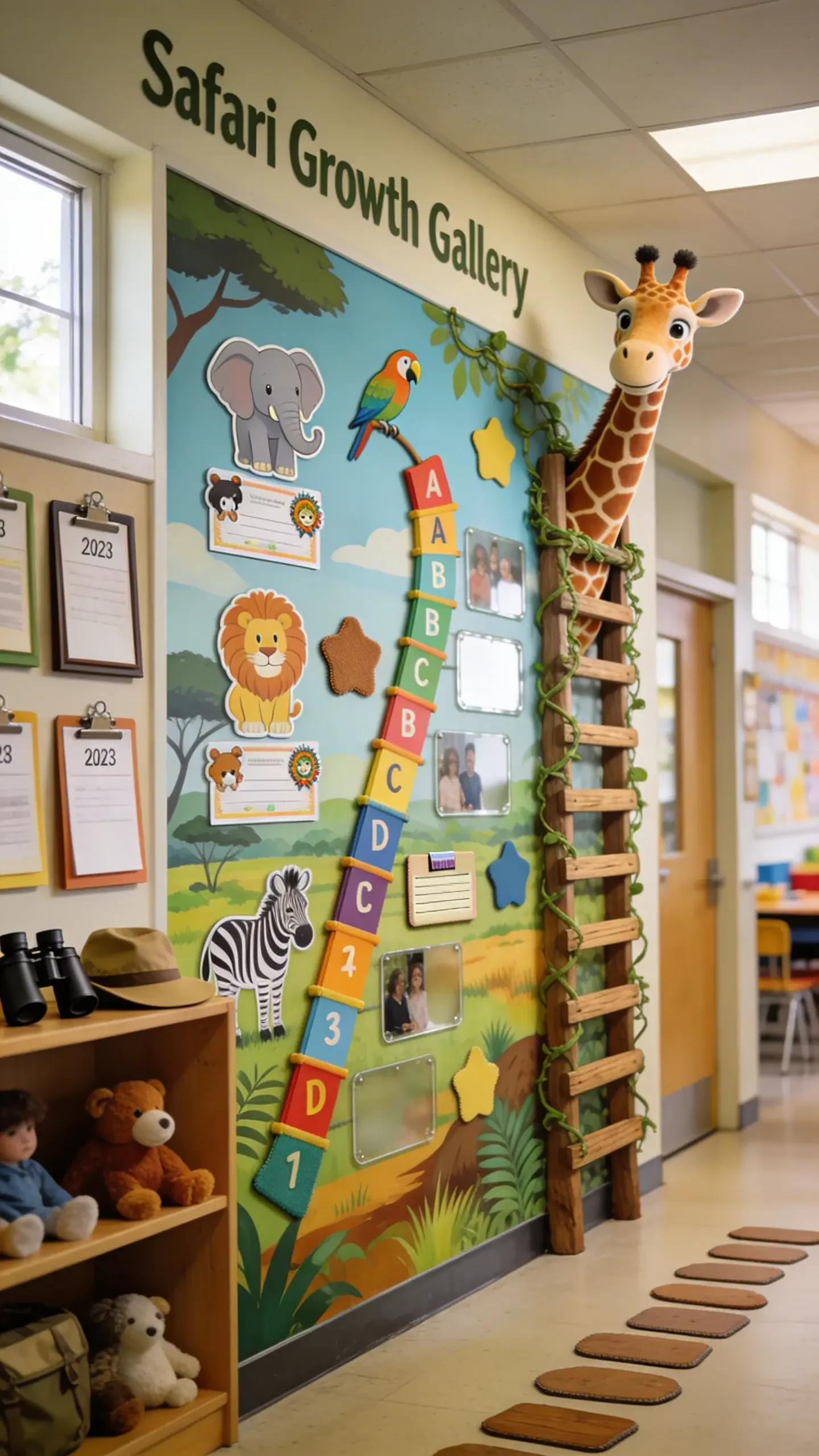
A corridor or wall that tracks student growth with a safari twist. Celebrate progress with animal-themed milestones and bright stickers.
Make it interactive by letting students add a “track” of their own achievements along the display.
Ideas
- Letters or numbers progress ladders
- Photo spots with dates for writing samples
- Mini certificates featuring animal badges
Impact: motivation and a sense of belonging to the classroom tribe.
12. Crafty Canopy Reading Tents
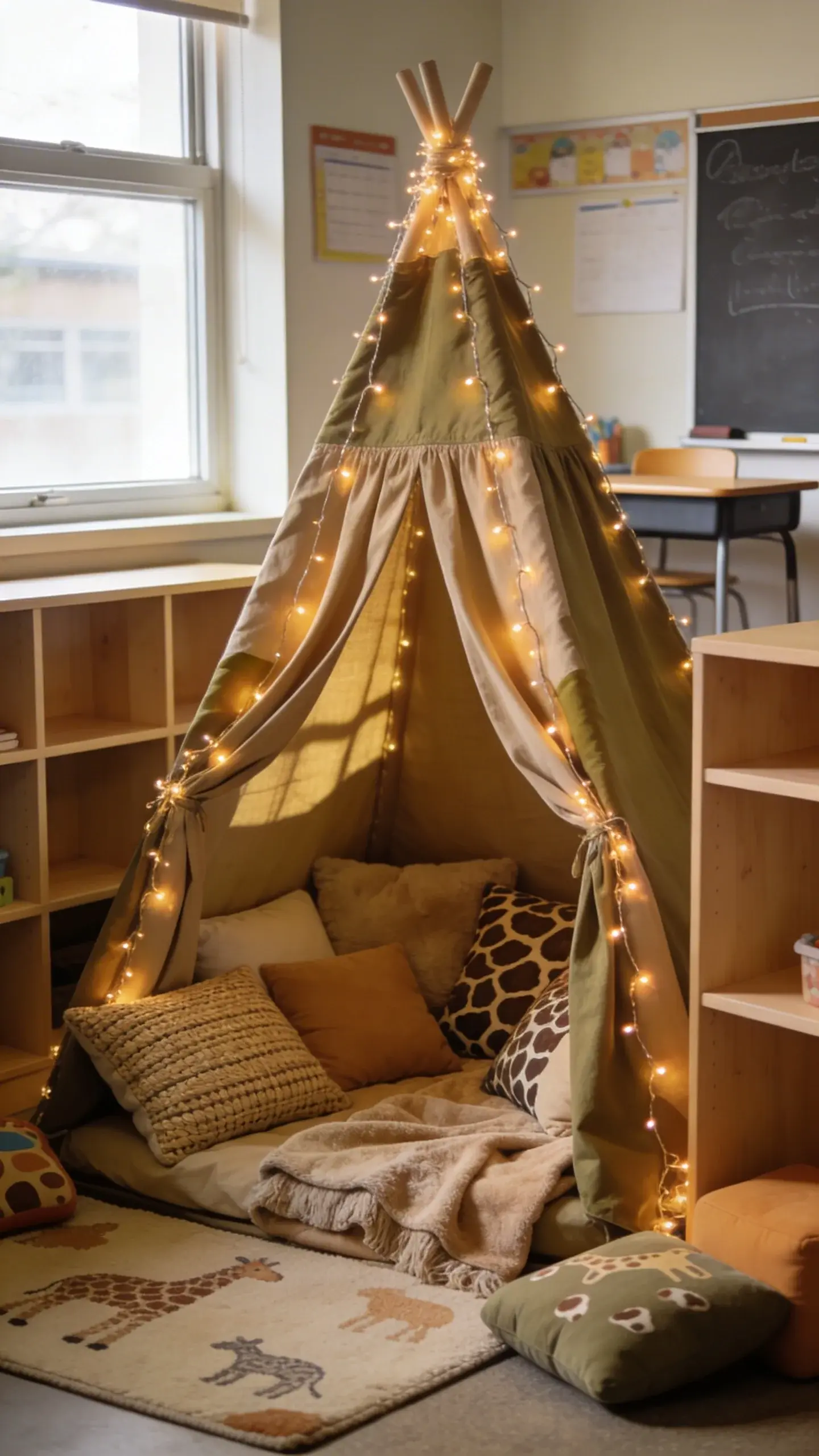
A small fabric canopy or teepee creates a personal reading nook. It’s Instagram-worthy and incredibly cozy for focus blocks.
Hang string lights and drape soft fabrics for a magical hideaway feel.
Materials
- Curtains or fabric panels
- LED string lights
- A stash of cozy pillows and blankets
Benefit: kid-owned space they’ll defend as their own—perfect for independent work sessions.
13. Savanna Habitats in a Jar
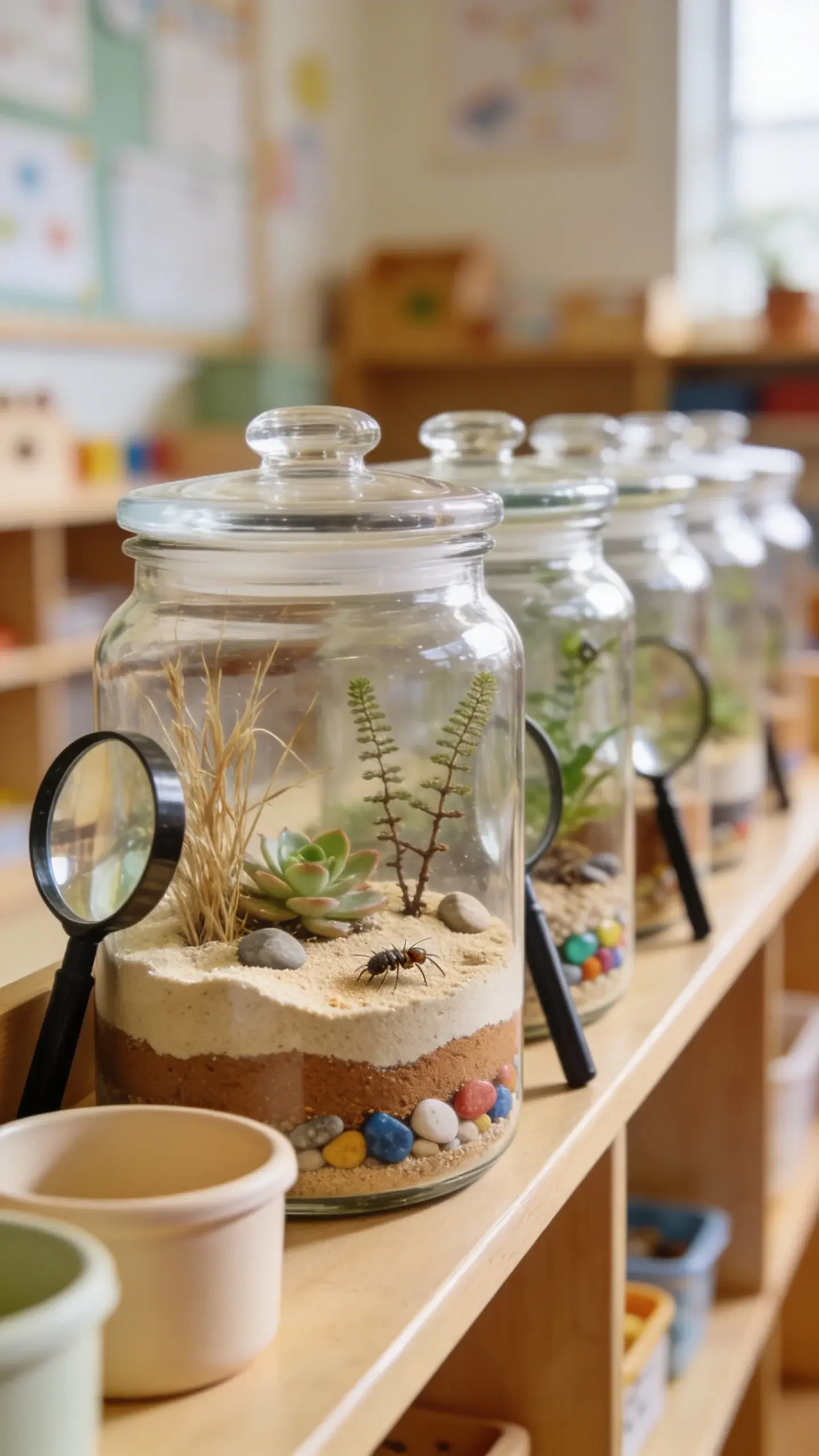
Turn everyday jars into mini ecosystem projects. Layer sand, soil, plants, and tiny creatures to study habitats up close.
Label each jar with the habitat name and a quick fact card for reference.
Extras
- Mini magnifying glasses for observation
- Care cards for plant upkeep
- Safety lids and child-friendly materials
Why it matters: tactile science that sticks, even when the topic feels distant.
14. Cue Cards With Safari Phrases
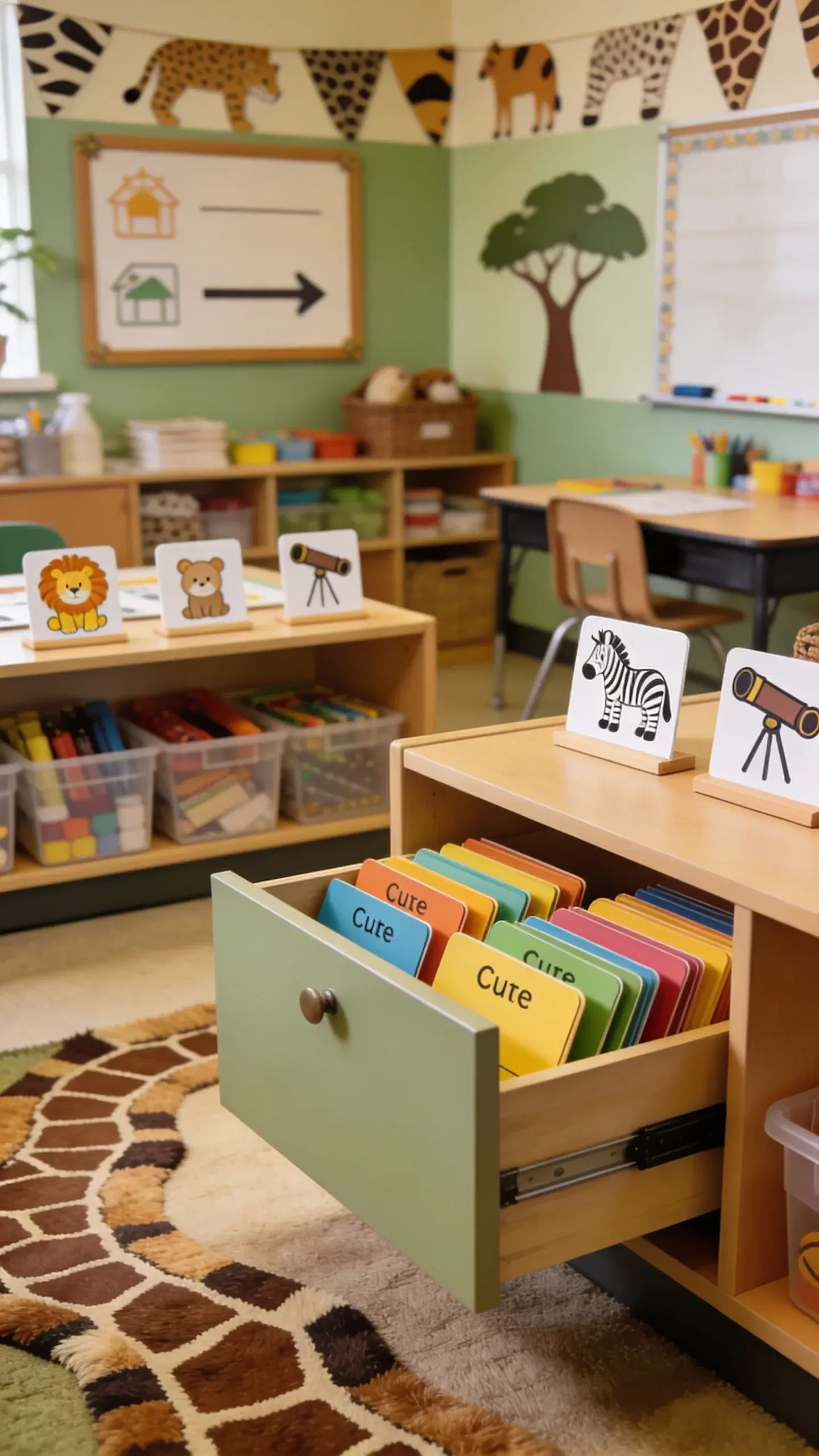
Spice up instructions with safari-flavored cues. Short, punchy phrases help students follow routines without fuss.
Place cue cards where students look most often: at stations, on the board, and near supplies.
Sample Cues
- “Track your progress”
- “Stomp to stop and think”
- “Swing into sharing”
Implementation: quick, visual reminders that reduce verbal prompts and keep momentum high.
15. DIY Safari Wall Clock
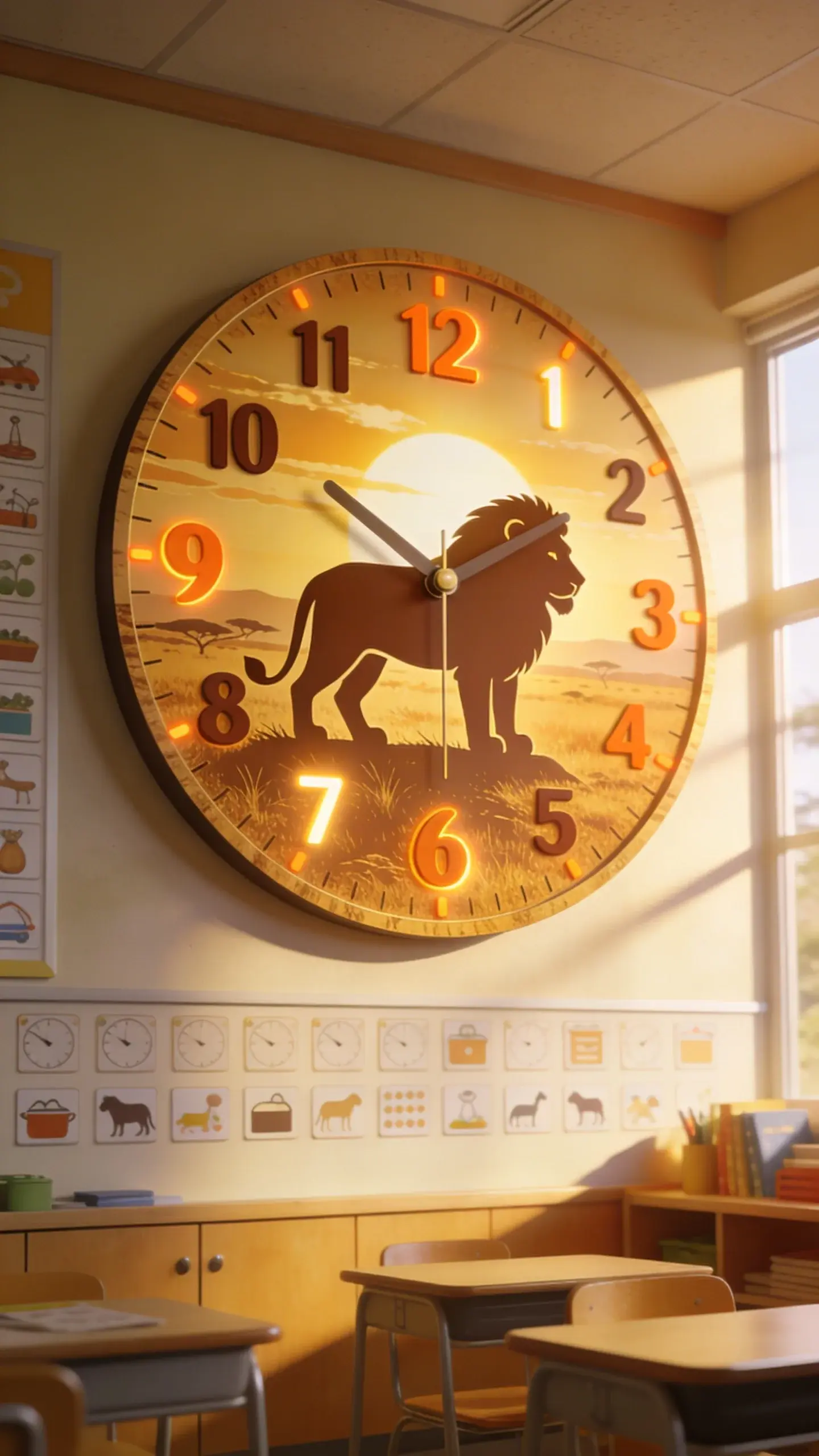
A clock shaped like a sun-drenched savanna or a silhouette of a lion keeps time as fun as it is functional.
Incorporate labels for number recognition and skip the noisy bells by syncing announcements with the clock’s hourly chimes.
What to Include
- Easy-to-read numbers
- Quiet clock mechanism
- Color-coded hour marks for quick recognition
Applied use: punctual transitions and a constant reminder to pace activities.
16. Wildlife Word Wall and Quick Quizzes
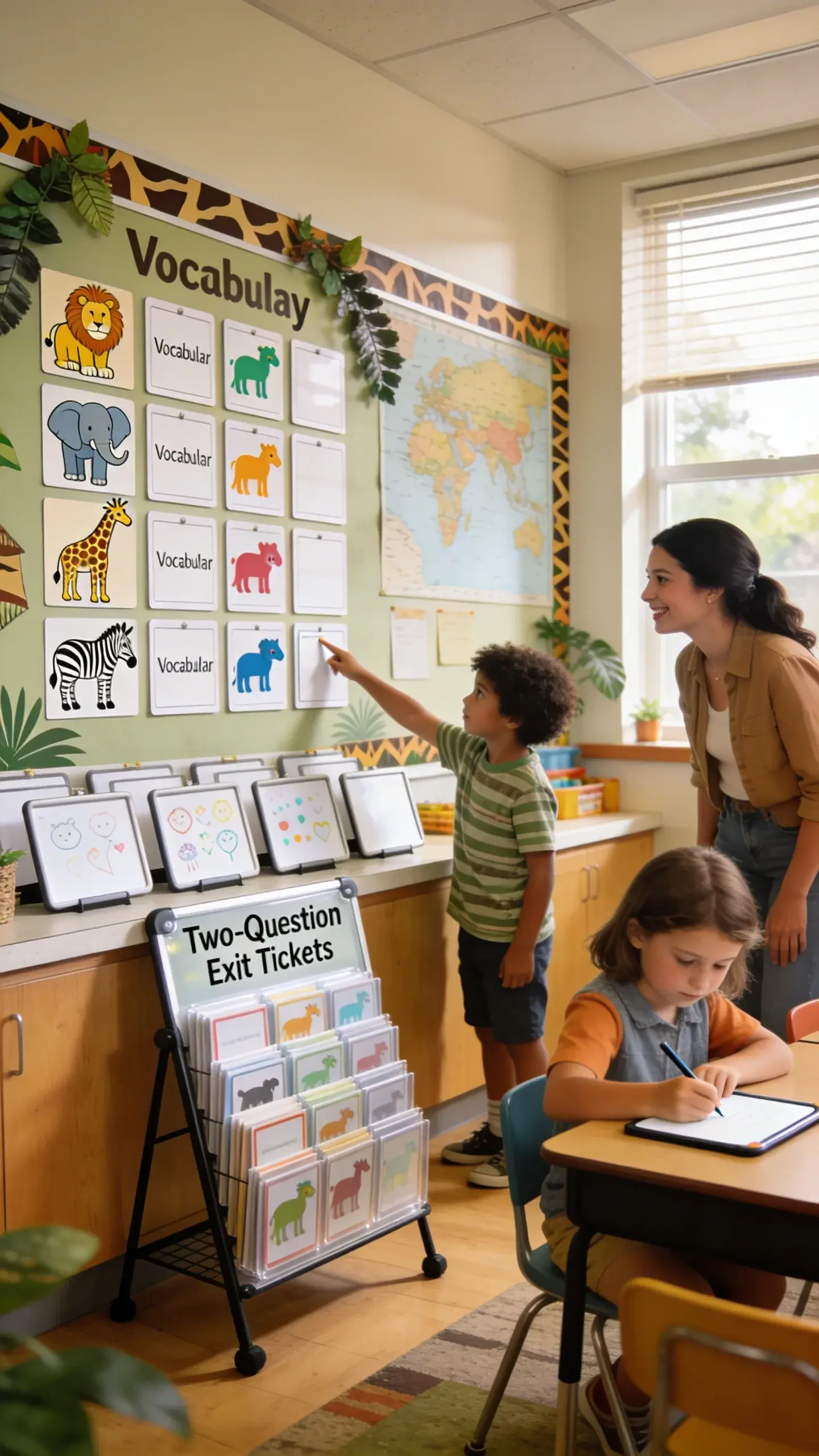
Turn vocabulary into a safari adventure. Each week adds new terms paired with animal icons and quick, playful quizzes.
Short, friendly quizzes reinforce retention without overwhelming students.
Structure
- Vocabulary cards with images
- Mini whiteboard prompts
- Two-question exit tickets
Why it works: steady vocabulary growth tied to memorable imagery.
17. End-of-Term Safari Celebration Corner
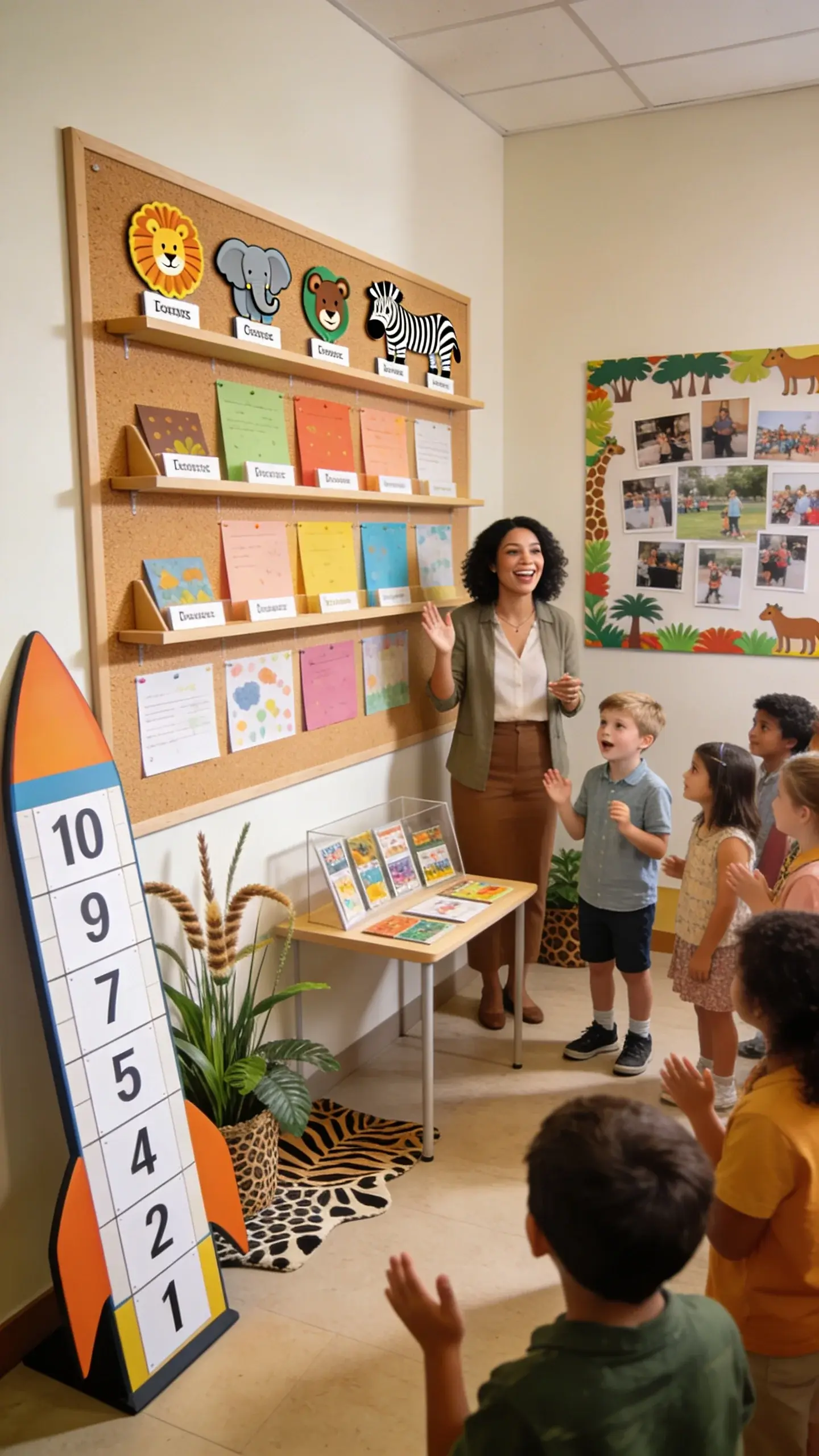
Wrap up with a celebration space that shows off student work and highlights their “adventure logs.” A big, joyful finale makes every student feel legendary.
Host a small showcase where families can see the progress and students narrate what they learned.
What to Display
- Student projects labeled with animal badges
- Photo wall from the term’s activities
- A rocket-style countdown to the next term’s adventures
Ending note: a positive, shared memory that motivates future curiosity and participation.
Ready to dive in? These 17 ideas are your shortcut to a classroom that feels alive, welcoming, and a little bit wild. FYI, you’ll be surprised how small changes spark big enthusiasm—trust me, your students will thank you with louder cheers, brighter work, and more curious questions.
Conclusion: Go ahead and pick a handful that fits your space and budget. Create, experiment, and watch your classroom transform into a safari they’ll never forget.