
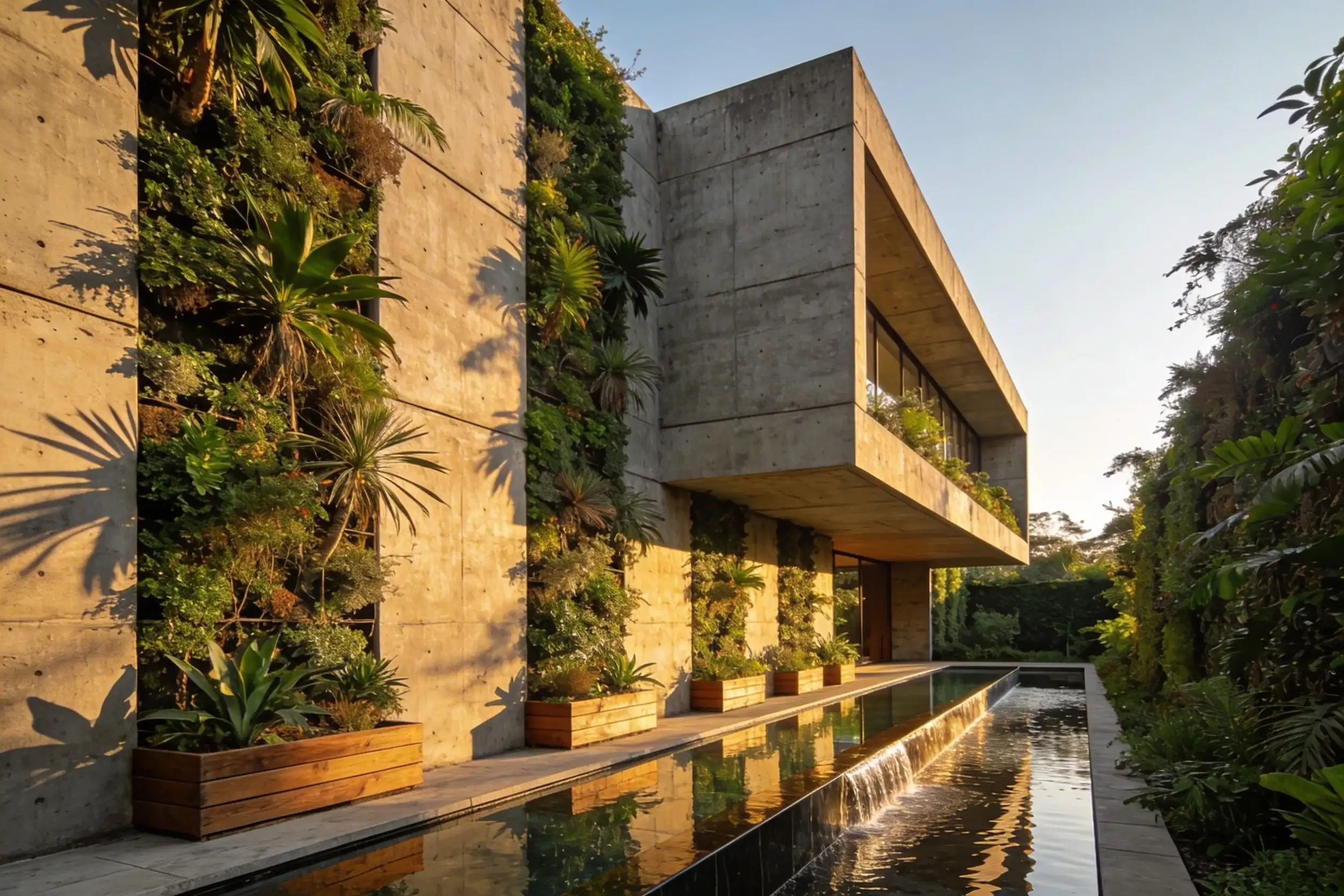
Let’s face it: brutalist vibes can feel harsh, but add greenery and water, and suddenly the concrete starts breathing. Here are nine knockout homes that prove green walls and soothing water elements melt the edges without losing the bold soul. FYI, you’ll want to bookmark these for future house goals.
1. The Verdant Core: Bring the Garden Inside the Brutalist Box
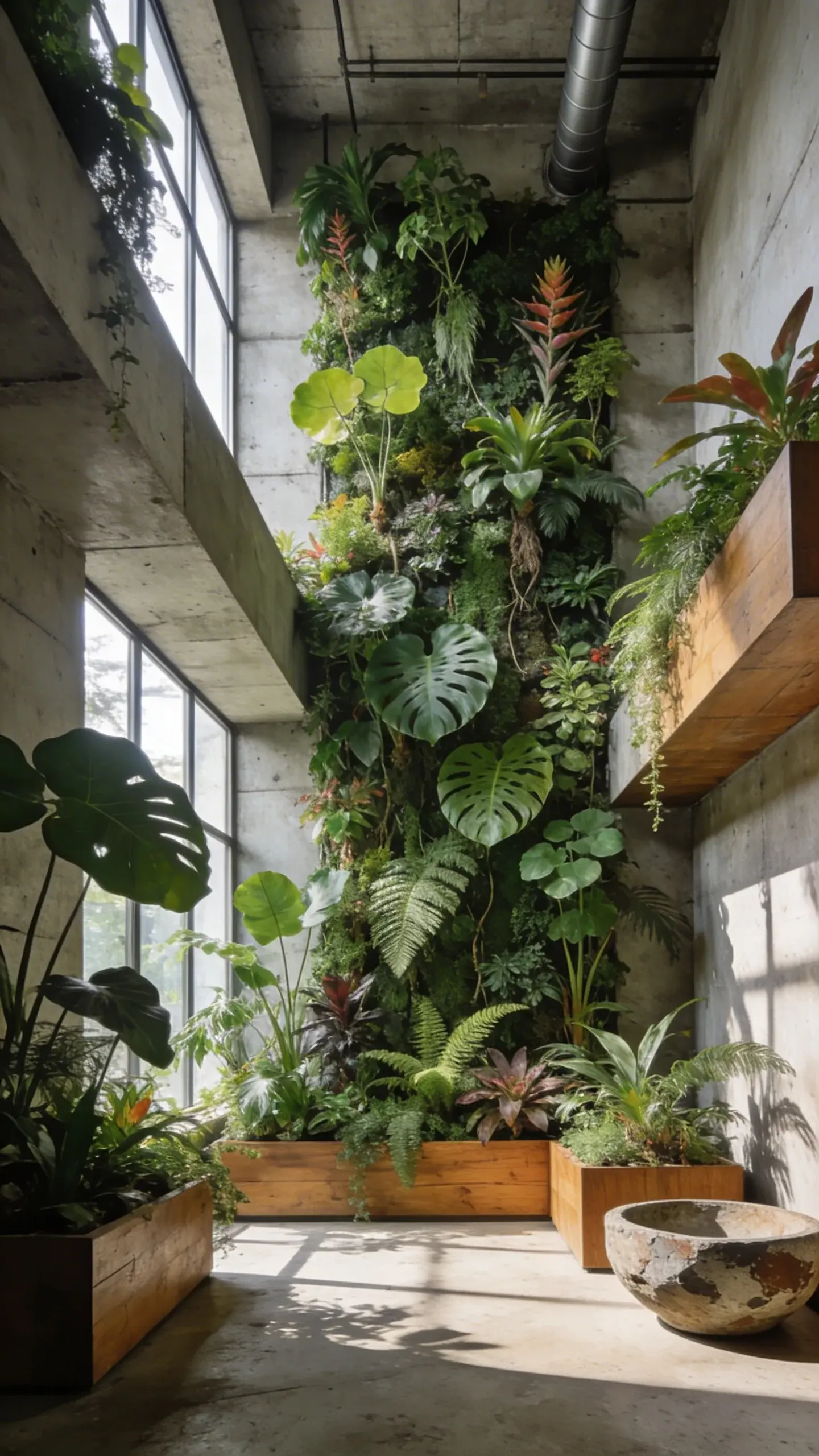
The magic happens when nature invades the core of a brutalist space. Think floor-to-ceiling plants, living walls, and botanical drama that softens the geometry without compromising edge.
Key Points
- Living walls that climb tall, not shyly hug corners
- A mix of tropical and drought-tolerant specimens for year-round greenery
- Natural materials like timber planters and stone basins to complement concrete
Why it works: greenery provides color, texture, and a sense of movement that breaks up rigid lines. Use vertical planters to maximize airiness. When to try: in entry lobbies or lounges where first impressions matter.
2. Water-Lit Courtyards: Quiet Reflections, Loud Style
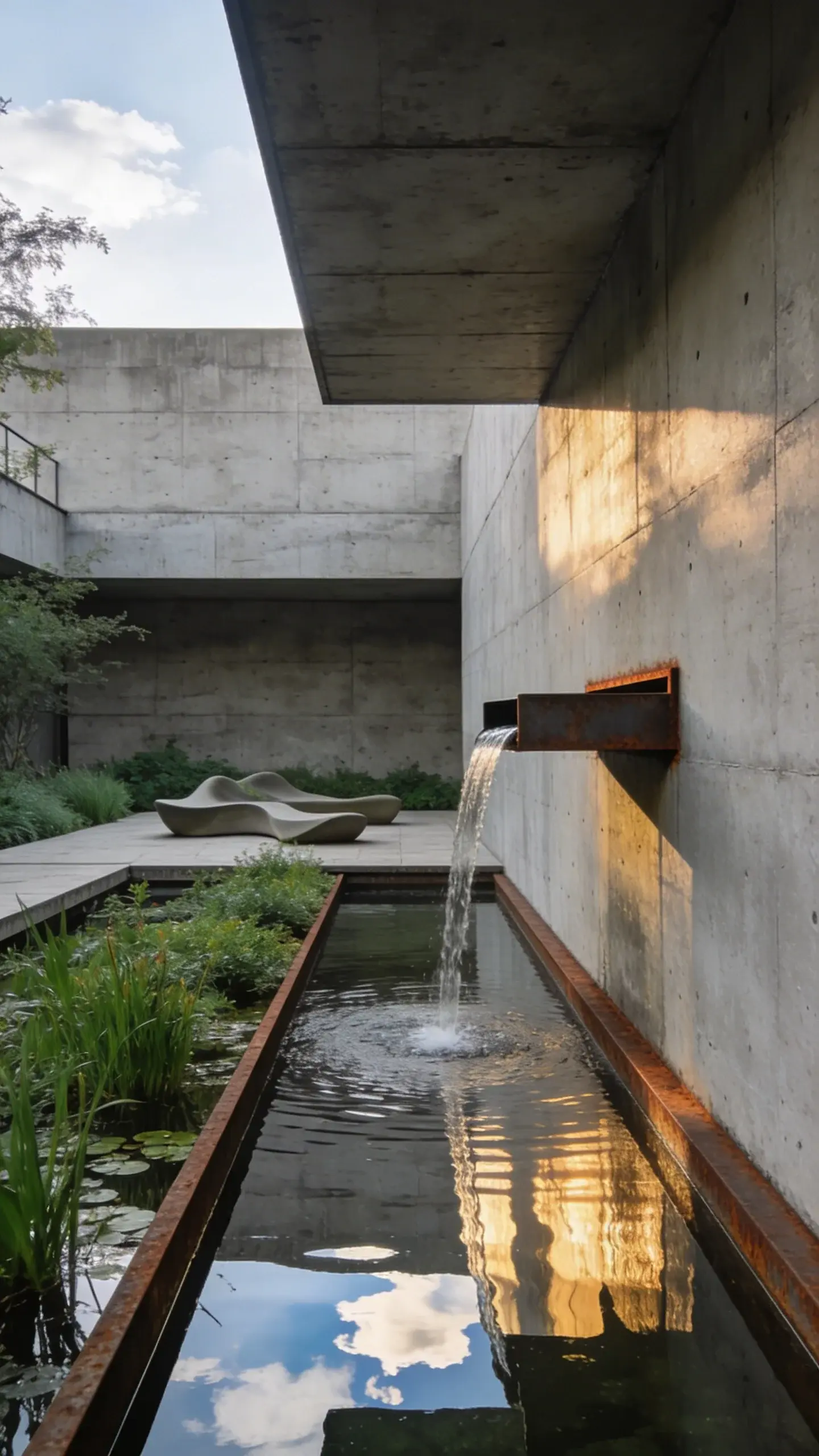
Water features don’t have to be loud to be loud. A reflective pool or a slim gutter waterfall turns brutalist blocks into serene sculptures.
Key Elements
- Slim, geometric pools that mirror the sky
- Sound-dampening flows so the space feels calm, not loud
- Rust or stone edges to keep the industrial vibe intact
Tip: position the water feature to catch natural light at different times of day. The reflected glow adds warmth without softening the bones of the design.
3. Material Alchemy: Concrete, Copper, and Cushions
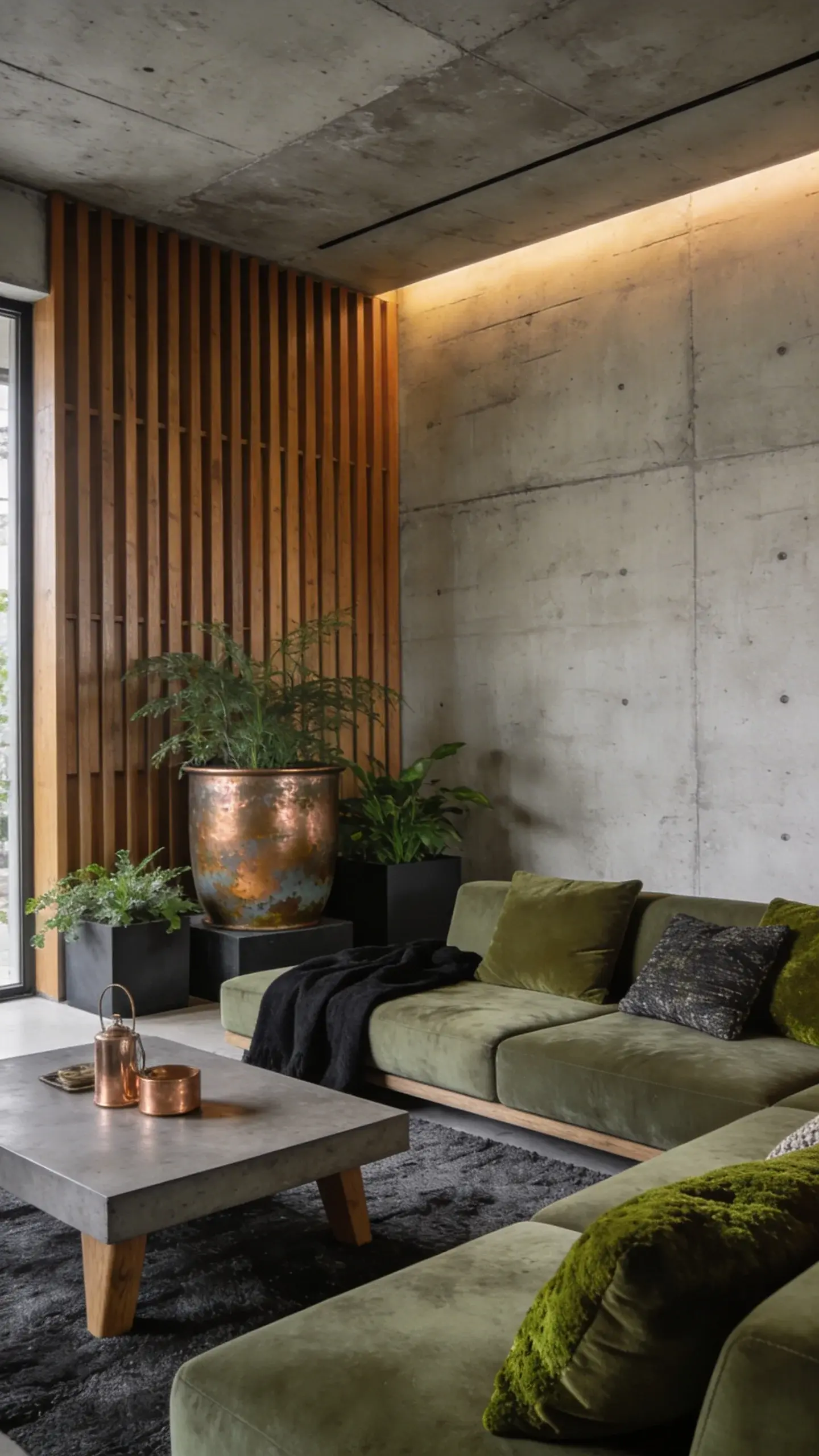
Heavy materials get a soft modern twist with contrast accents. The secret is mixing textures that invite touch and time.
What to Mix
- Raw concrete with warm timber slats
- Copper or bronze planters that patina gracefully
- Soft textiles in charcoal and moss green
Result: the space keeps its architectural bravado while feeling approachable. Use it in living rooms where people linger and chat.
4. Roof Gardens: Elevating Brutalism Above Ground
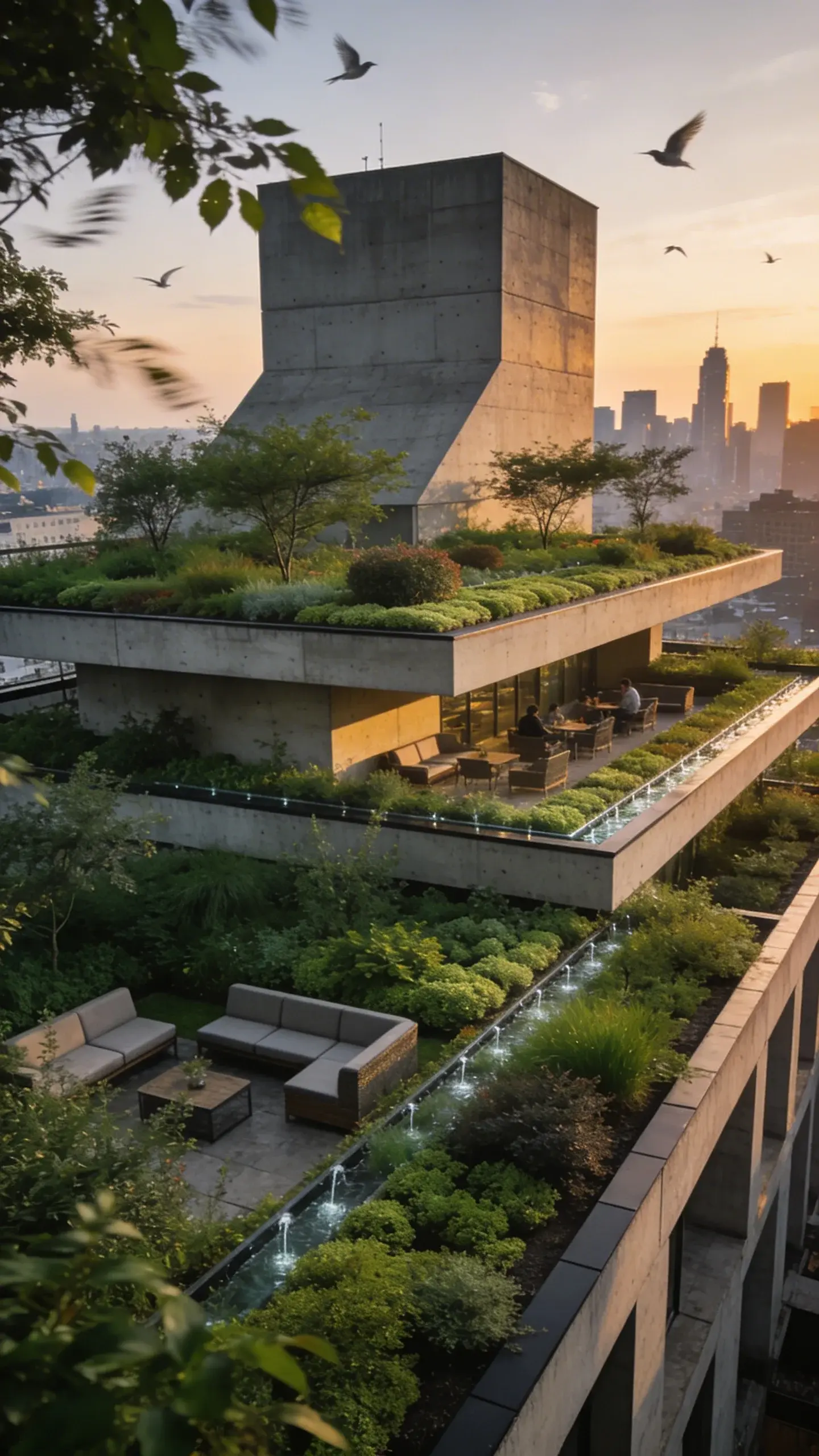
Why stay grounded when you can climb? Roof gardens convert stark silhouettes into lush, multi-layered landscapes.
Opening up the top floors to soil and sky changes the whole vibe. Birds, breeze, and greenery create a natural canopy that softens shadows at dusk.
Tips
- Low-growing ground covers for crisp edges
- Weatherproof seating that won’t mind sun and rain
- Irrigation planning that’s simple and efficient
Use this approach for penthouse lounges or rooftop galleries—perfect for social moments with a wow factor.
5. Water Mirrors and Terraced Greens
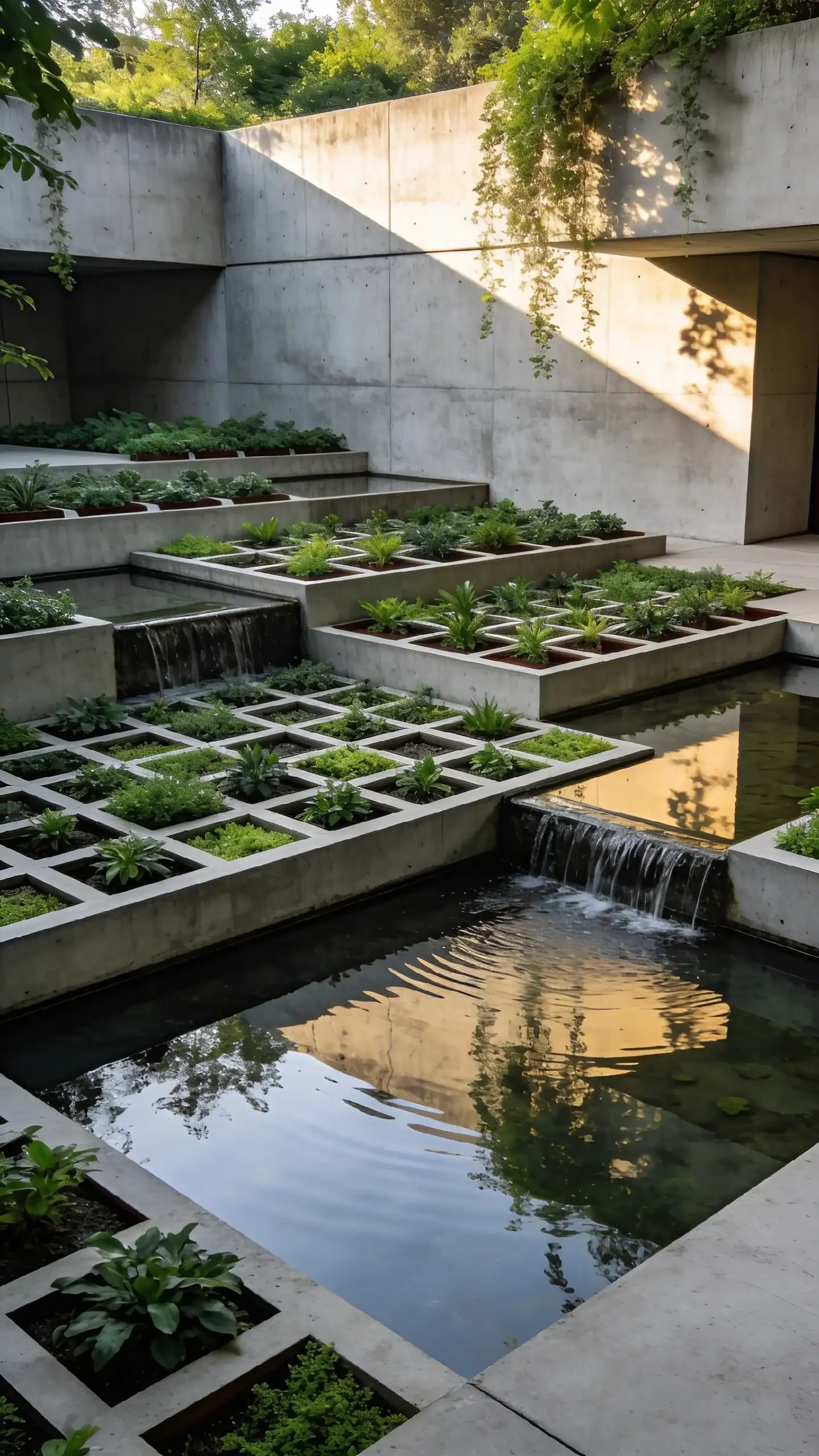
Terraces layered with water features become mini sanctuary parks. The reflections double the sense of space and add a gentle hum of water.
What to Include
- Terraced planters in geometric grids
- Mini cascades or reflective ponds at different levels
- Shade-friendly greenery for hot climates
Benefit: better microclimates and a place to unwind after a long day. When to use: on mid-size courtyards or side yards that crave depth.
6. Lush Courtyard Walls: Green Façades as Architecture
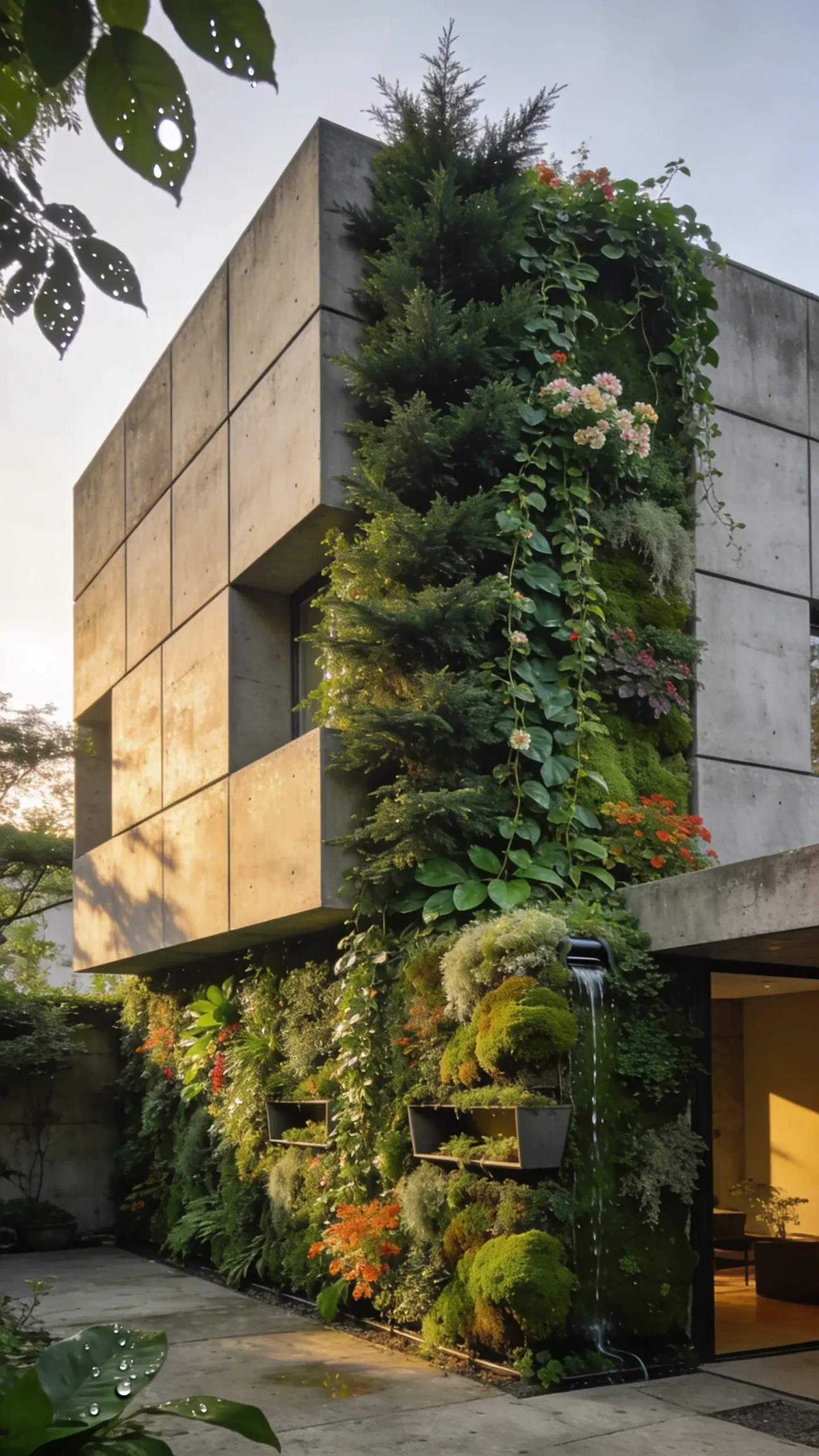
A wall of greenery becomes a living architectural feature. It blurs the line between inside and out and dampens harsh stone edges beautifully.
How to Build It
- Structural green walls with irrigation kit
- Evergreen textures paired with flowering accents for seasonal color
- Hidden planters and modular panels for easy swaps
Note: pick plants that thrive in your climate and light conditions. It’s amazing how a vertical garden can shift the entire mood of a space.
7. Aquatic Accents: Mini Lagoons in Industrial Spaces
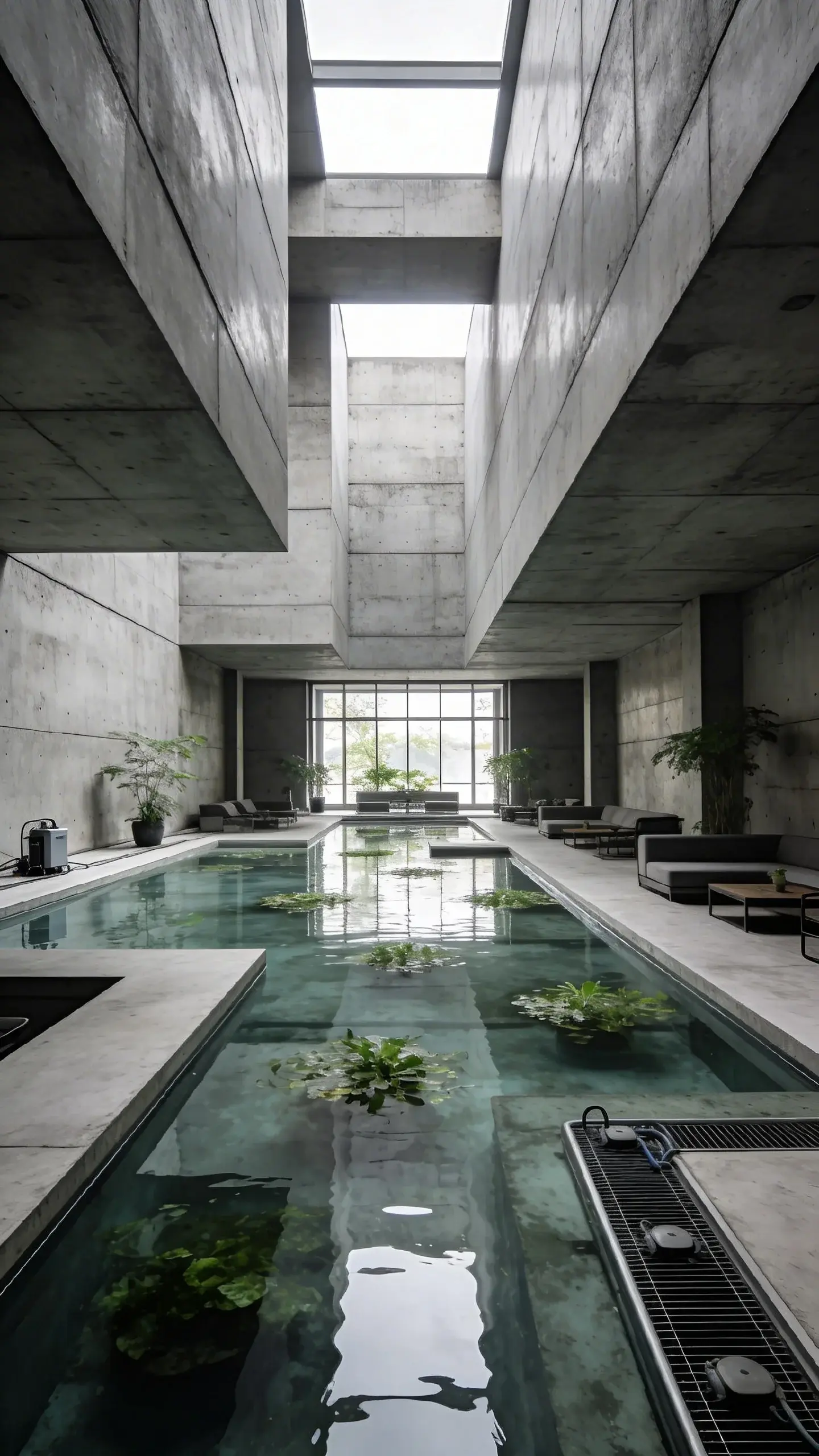
Think small-scale water bodies tucked into a brutalist setting—lagoons inside, not outside. They read as serene, yet they punch up the drama in a controlled way.
Design Tweaks
- Shallow pools with clean, angular edges
- Floating aquatic plants for movement and color
- Hidden filtration to keep the surface glassy and calm
Why it sticks: water surface catches light differently, turning flat facades into living canvases. Great for atriums or indoor lounges with high ceilings.
8. Grounded Green: Pathways that Whisper
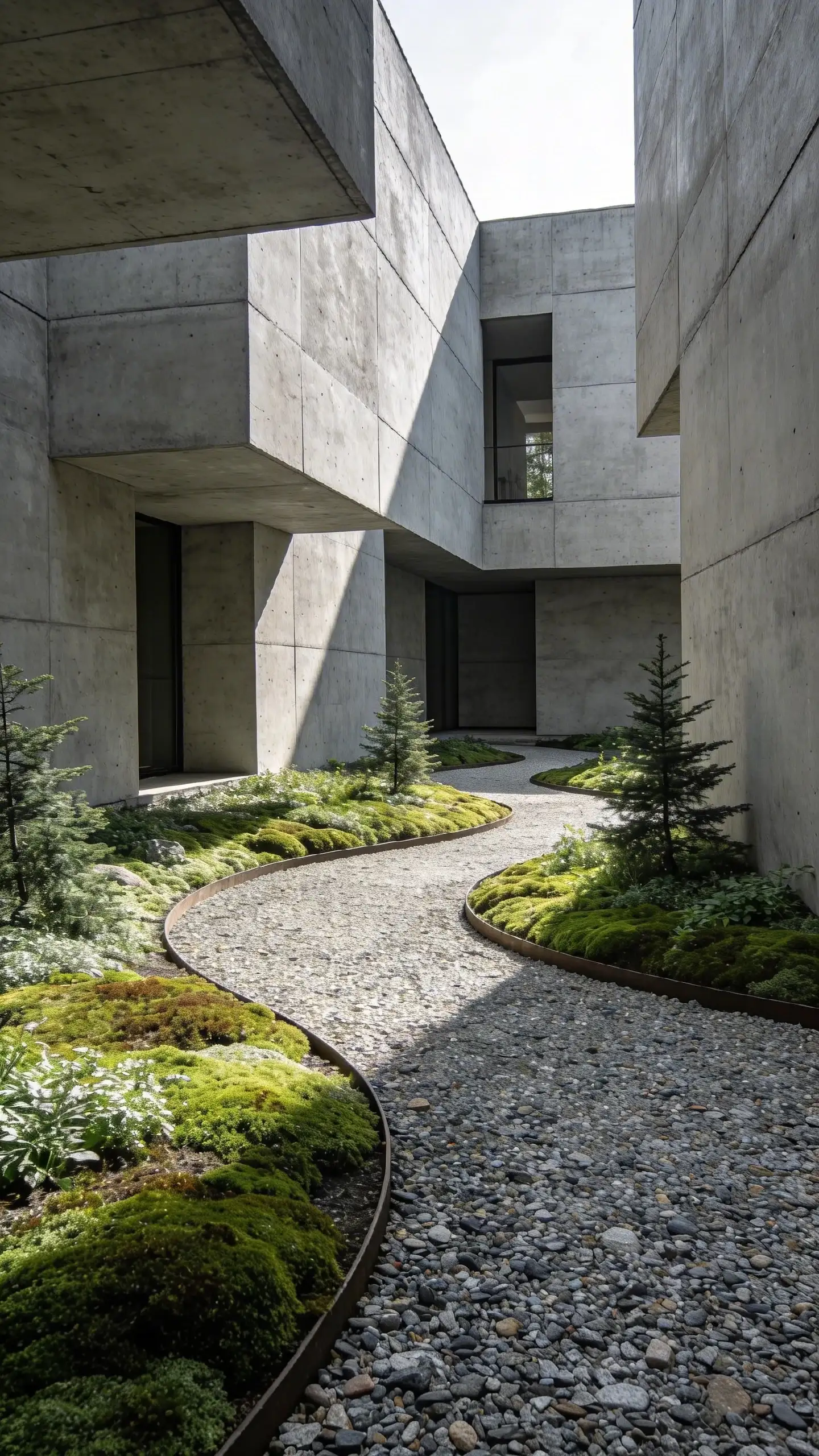
Soft paths weaving through concrete blocks create a tour-like experience that doesn’t waste a centimeter of space.
Materials like crushed stone, moss, and gravel make up a tactile journey that invites barefoot exploration and slow pauses.
Path Essentials
- Compact, permeable paving to control rainwater
- Strategic plant pockets along edges
- Low-maintenance groundcovers for long-term ease
End note: these routes guide movement through the home’s brutalist bones while delivering pockets of calm at every turn.
9. The Hallmarks: Lighting, Texture, and Bold Vistas
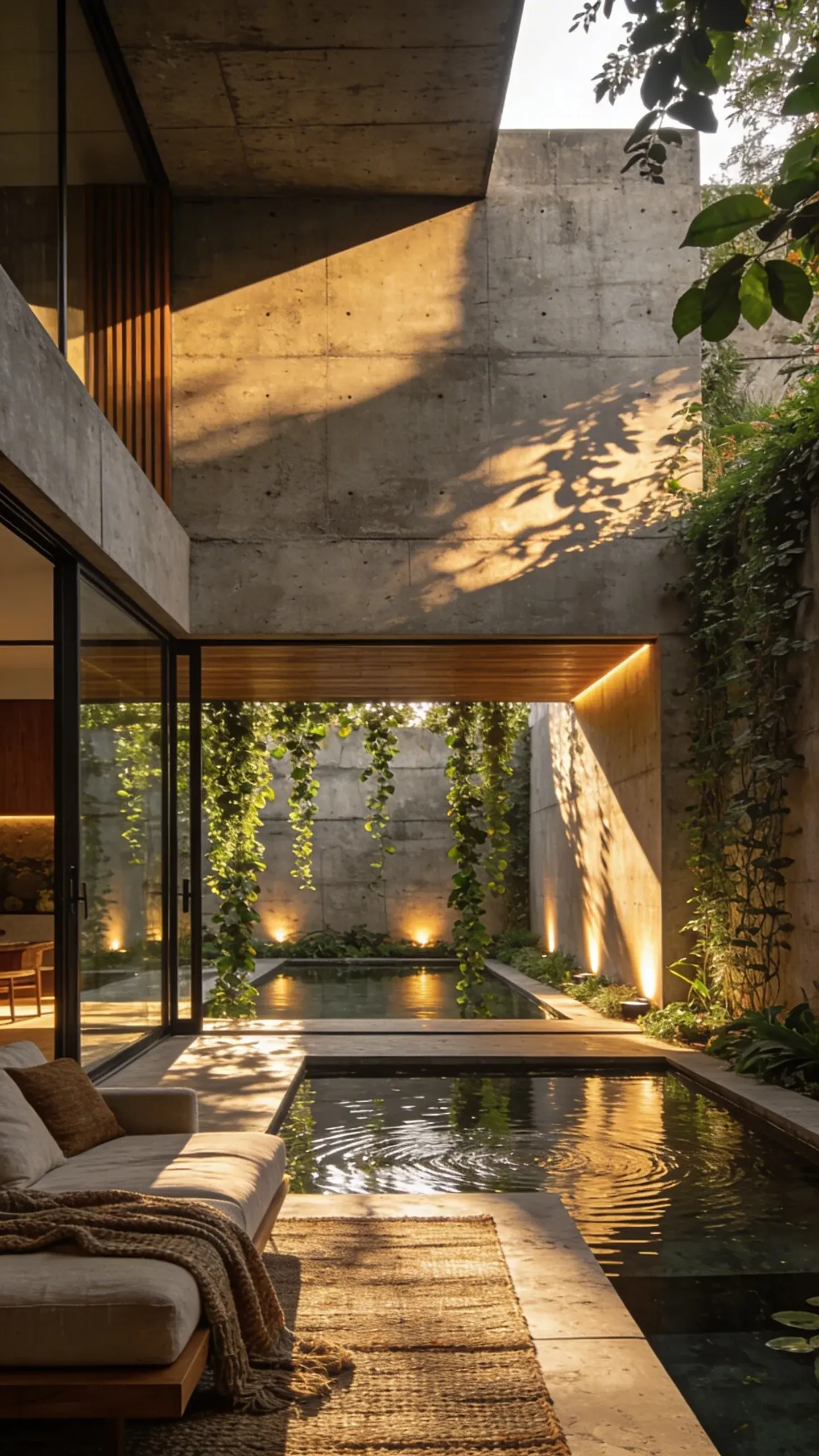
Finally, let’s talk about the things that pull everything together: lighting, texture, and views. Lighting becomes sculpture when paired with greenery and water.
Guiding Lights
- Warm-toned fixtures that counter gray concrete
- Uplights to sculpt plant shapes and water surfaces
- Layered textures in textiles and furnishings
Bottom line: with the right glow, even the starkest brutalist box feels welcoming. Trust me, once you see the play of light with water and leaves, you’ll be hooked.
Want to mix and match these ideas? Start with a single courtyard corner and gradually layer in vertical gardens, a slim water feature, and warm lighting. FYI, the simplest tweaks can unlock a totally new atmosphere without a full renovation.
Conclusion: Your Brutalist Glow-Up Awaits
These nine ideas prove you don’t have to choose between edge and softness. Greenery and water are your secret sauce for turning brutalist volumes into living, breathing spaces. Ready to experiment? Your future masterpiece is a few plants and a splash away.