
Some links in this post are affiliate links. If you buy through one, I may earn a small commission at no extra cost to you. As an Amazon Associate I earn from qualifying purchases.
When you’ve got an above-ground pool, privacy isn’t just a luxury—it’s a legit mood boost. You want to swim in peace, not pop out to wave hello to the entire neighborhood. DIYing a privacy wall is totally doable, and you’ll save money while getting a look you actually love. Let’s dive in (pun intended) and sketch out a wall that looks great, holds up, and plays nice with your yard.
Start with a honest plan: what you want your privacy wall to do
Before you grab power tools and a coffee, ask yourself a few questions. Do you want shade, sound dampening, or just a visual barrier? Are you aiming for a tall, imposing fortress or a low, breezy screen? Answering these helps you pick materials and a height that won’t annoy your HOA or your inner perfectionist.
– Define purpose: visual block, windbreak, or sound dampener
– Decide on height: 4–6 feet is common for privacy; taller if zoning allows
– Choose style: lattice, vertical slats, or a solid panel look
– Budget reality check: predict hardware, fasteners, sealant, and paint
Material options: what actually stays sane after a summer of sun
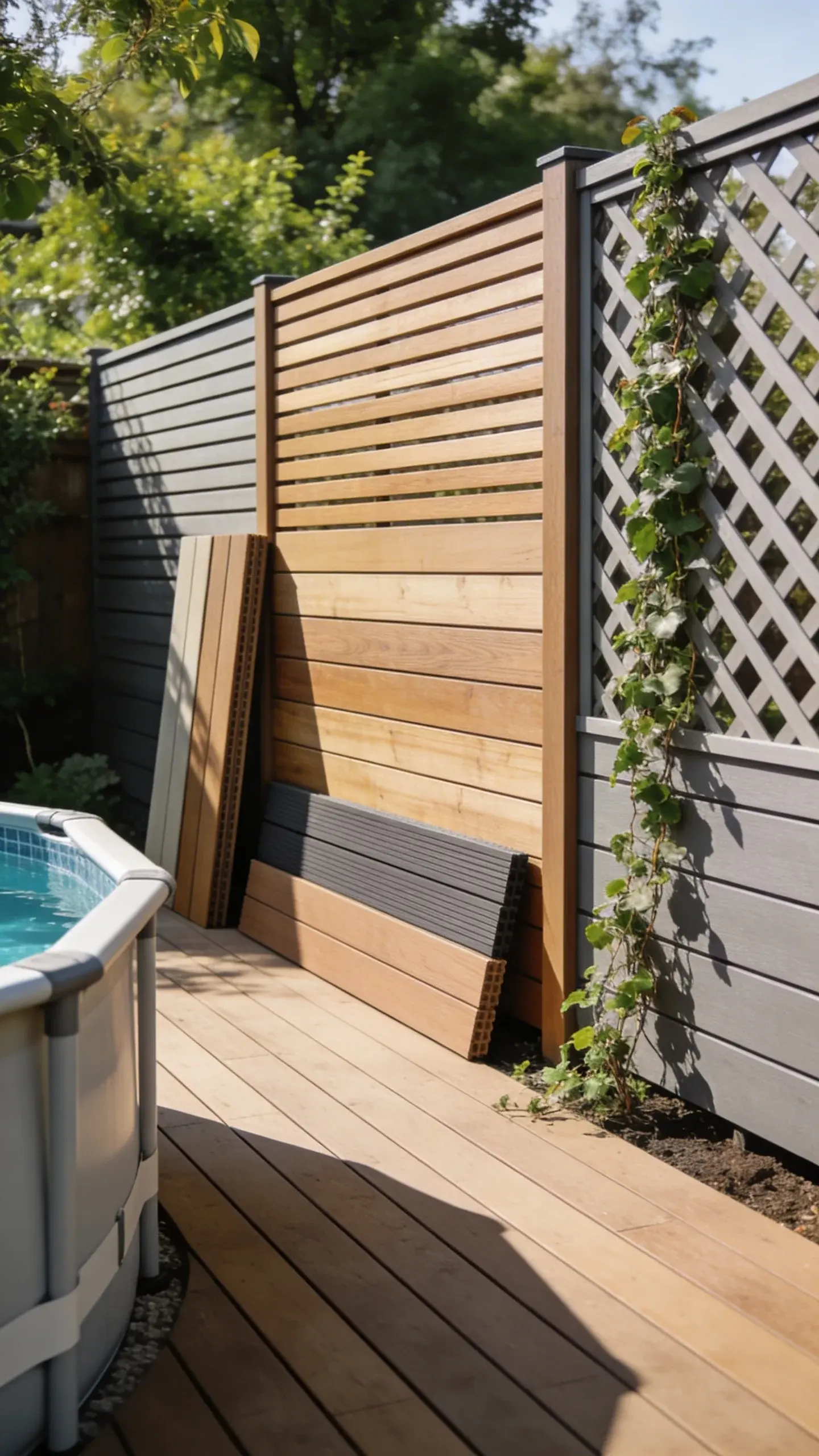
Your material choice sets the vibe and the maintenance schedule. Here are the main routes, from low-fuss to “I want a statement wall.”
Wooden slat wall
– Quick to install, relatively affordable
– Need sealant or paint every couple of years to combat rot and warping
– Gives you warm, natural look that ages nicely
Lattice panels
– Great for airflow and light, less oppressive than solid panels
– Can be snazzed up with climbing plants for added privacy
– Basic maintenance but keep an eye on loose slats
Composite or PVC panels
– Minimal maintenance, great durability, holds color well
– Higher upfront cost, but you get easy cleaning and longevity
– Modern, clean look that pairs nicely with concrete or decking
Repurposed materials
– Pallets, old shutters, or fence boards can be charming if you plan properly
– Watch for splinters, nails, and rot—safety first with kids and pets

Free printable
No spam, just cozy home ideas now and then. Unsubscribe any time.
Height, safety, and code reality checks
Privacy is fantastic, but you don’t want to become the neighbor who triggers a permit saga. Do a quick check before you start sawing.
– Check local codes for pool barrier height requirements
– Ensure the wall doesn’t obstruct pool access or safety equipment
– Leave space for drainage and maintenance access
– Plan for sturdy anchoring—solid posts or rails that won’t wobble in a storm
Anchoring options that actually hold up
– Post-and-rail: set posts in concrete for a rock-solid base
– Deck-mounted railing: if your pool sits on a deck, anchor into deck framing
– Ground spikes: fast, easy, not as permanent as concrete—but still sturdy
DIY step-by-step: a straight path from idea to reality
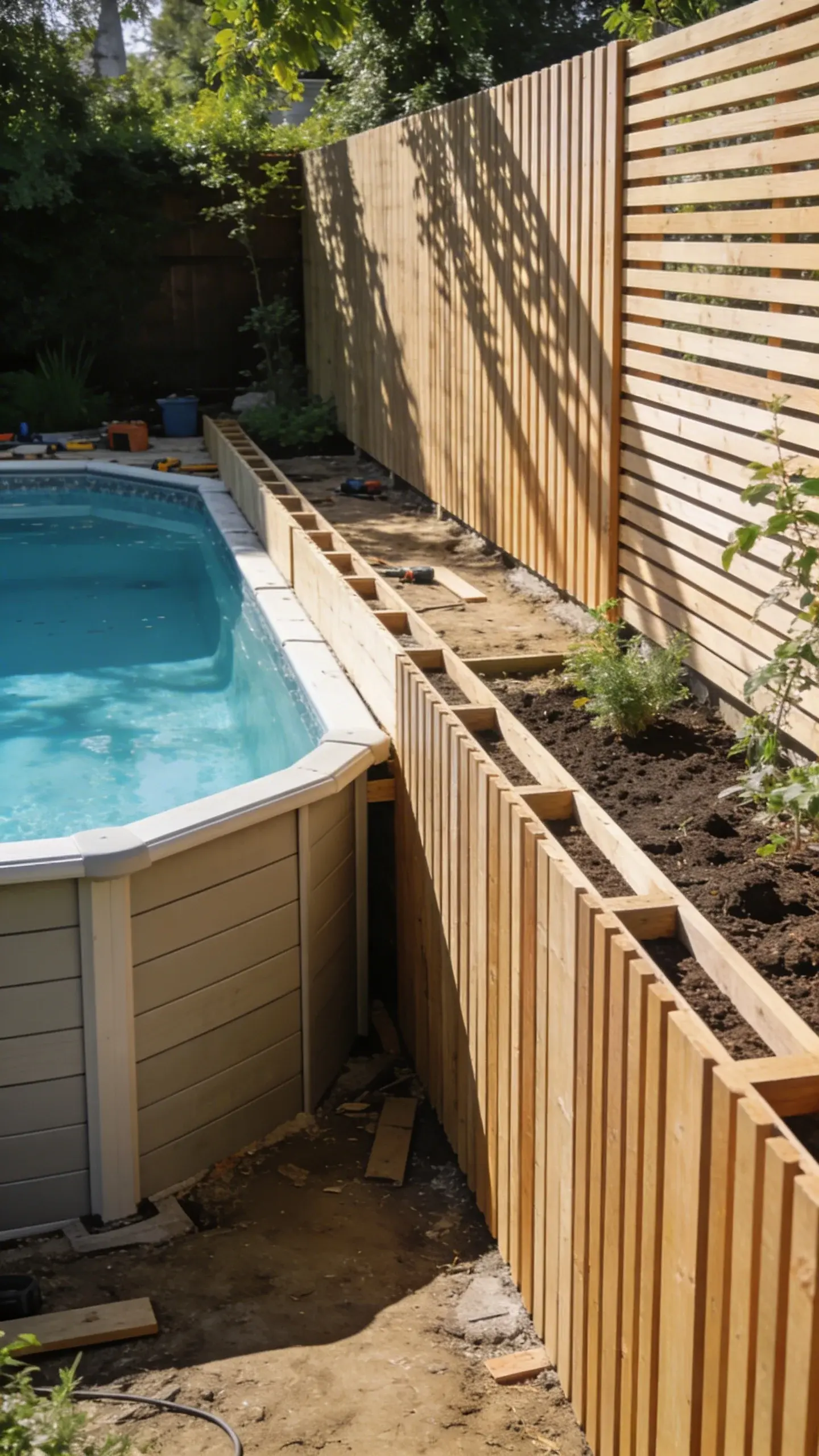
Here’s a practical outline you can actually follow. Feel free to mix and match steps based on your yard and materials.
– Measure the span: know exactly how long the wall needs to be
– Decide on panel dimensions: 12–24 inches wide per panel is easy to handle
– Prepare the site: clear debris, mark posts, and lay a chalk line
– Install posts: dig holes, pour concrete, set posts plumb
– Attach rails or panels: square, level, and securely fastened
– Add finishing touches: paint or stain, seal edges, and install any trim
– Test for stability: give the wall a gentle wiggle; if it moves, redo the footing
Stain, paint, or seal: choosing the finish
– Wood: use exterior stain or paint with a UV shield
– Composite: usually just needs a rinse; avoid harsh cleaners
– PVC: typically stays white or color-matched; occasional soap and water suffices
Plants as allies: climbing vines and green privacy
If you love a softer look, or you want a living screen that ages gracefully, plants are a genius addition.
– Quick climbers: ivy, clematis, or climbing roses
– Best fast-growers for privacy: trumpet vine, student of the garden cast
– Maintenance: regular pruning to prevent overgrowth and pool access obstruction
– Soil and sun needs: make sure the wall gets enough light for the plants you pick
Smart planting tips
– Plant roots away from the pool’s footing to protect the foundation
– Use planters or trellises that won’t become projectiles in high winds
– Offer a watering plan that keeps both wall and plants thriving
Finishing touches that actually look intentional
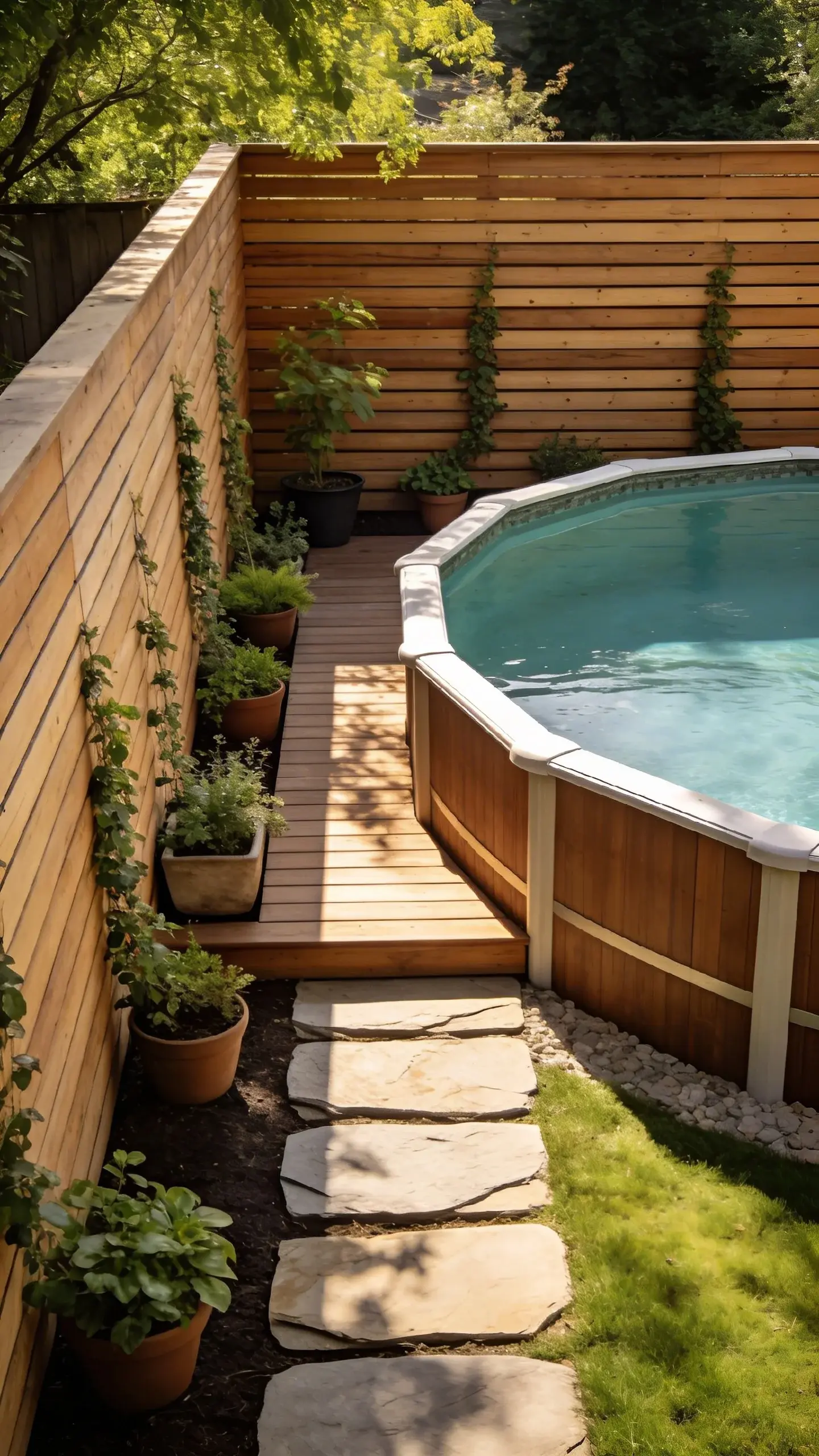
A great privacy wall feels cohesive with your backyard design. Small details make a big difference.
– Cap rails or trim: a small top piece hides rough edges and adds a finished look
– Lighting: solar post lights along the wall or subtle stake lights create mood and safety
– Accessories: hang a tasteful outdoor clock, a towel rack, or a wall-mounted shelf for pool gear
– Regular maintenance schedule: a 15-minute monthly check beats a weekend-long overhaul
Why I love a hint of personality
A bold color on the wall or quirky outdoor art keeps it from feeling like a prison fence. FYI, a little humor—like a cheeky sign—can be totally part of your vibe without being tacky.
FAQ
How tall should a privacy wall be around an above-ground pool?
A common range is 4 to 6 feet, depending on local codes and neighbor visibility concerns. If you want extra drama, you can go taller—but confirm permit and safety rules first.
What materials are best for a rainy climate?
Composite or PVC panels hold up well in wet environments with minimal maintenance. If you’re using wood, choose rot-resistant species and seal regularly to prevent warping.
Can I build this by myself, or should I hire help?
You can absolutely DIY a privacy wall if you’re comfortable with basic carpentry and level checks. For larger spans or challenging soils, a pro can save you time and headaches.
How do I protect the wall from wind damage?
Anchor posts firmly in concrete, use cross-bracing if needed, and avoid overly heavy top pieces that catch wind. Add lateral supports at mid-height if you’re in a gust-prone area.
How do I maintain the wall over time?
Schedule a yearly check: tighten fasteners, reseal wood, repaint or restain as needed, and inspect for rot or cracks. Quick touch-ups prevent bigger problems later.
Conclusion
So, you’re ready to turn your bare pool perimeter into a private retreat. With a clear plan, smart material choices, and a few DIY tweaks, you’ll get a wall that feels custom, not cookie-cutter. It’s doable, it’s satisfying, and it might just become your favorite part of the backyard. IMO, a well-built privacy wall pays you back in calm, shade, and a little extra swagger every pool day. If you want, we can sketch a materials list tailored to your space and climate—just tell me your pool diameter, yard conditions, and preferred look.