
Some links in this post are affiliate links. If you buy through one, I may earn a small commission at no extra cost to you. As an Amazon Associate I earn from qualifying purchases.
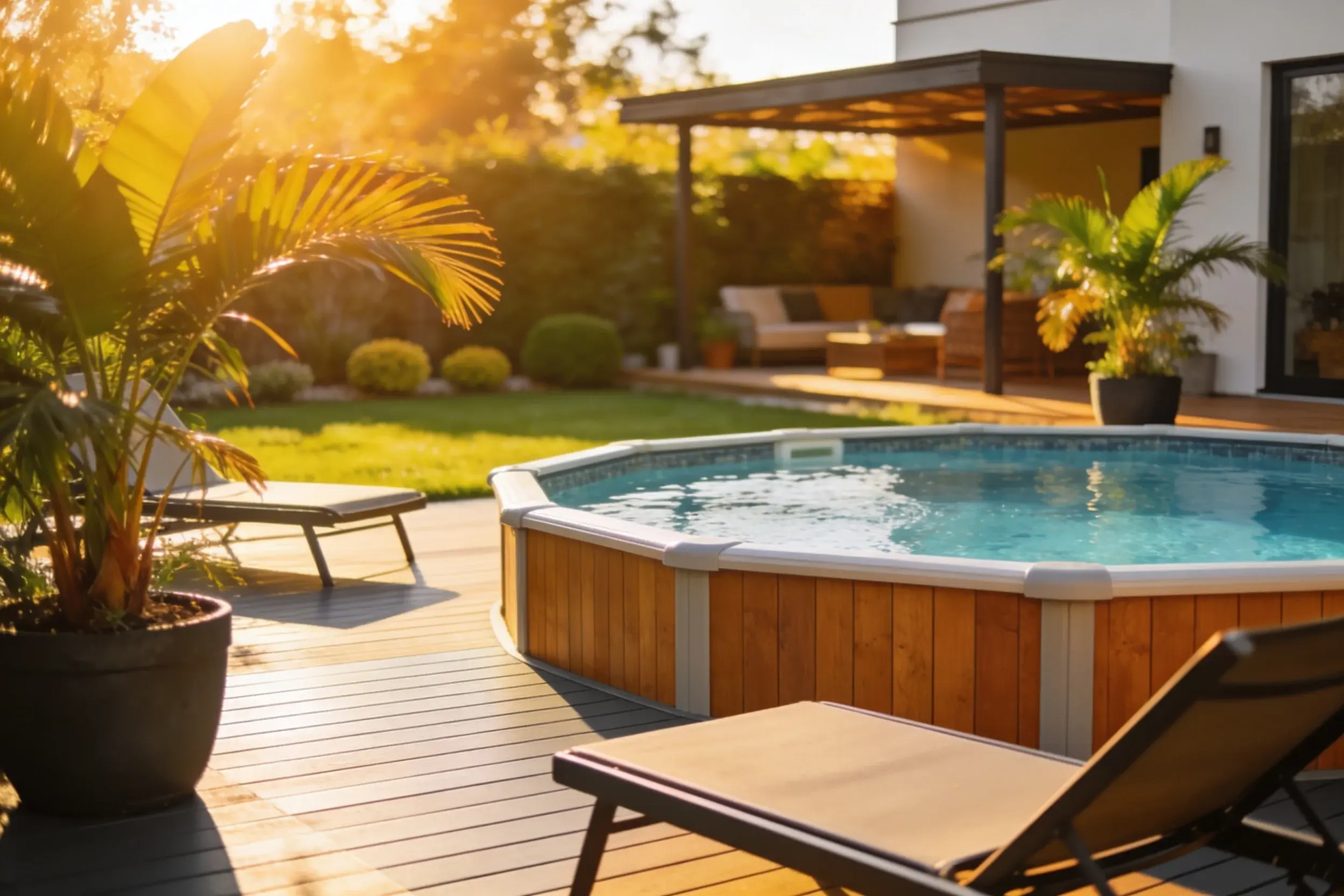
The ground around your above-ground pool doesn’t have to be a boring afterthought. It can be a mini oasis, a clean, low-maintenance vibe that actually makes your pool area feel bigger and nicer. Let’s break down the best materials to surround that pool so you get durability, aesthetics, and easy maintenance without breaking the bank. Ready to level up your backyard setup? Let’s dive in.
Wood decking: classic warmth with a caveat
Wood is the old faithful of pool surrounds for a reason. It looks inviting, it smells nice, and it’s surprisingly versatile. But there are a few trade-offs you should know before you commit.
– Pros:
– Warm, upscale look that pairs with almost any yard style
– Comfortable underfoot, especially with a little sun
– Easy to customize with stains, oils, or sealants
– Cons:
– Requires regular maintenance to prevent rot and splinters
– Can be slippery when wet unless you treat with anti-slip coatings
– More pricey upfront if you go high-end hardwood
If you go with wood, consider pressure-treated pine for budget-friendly durability or exotic hardwoods like tigerwood or ipe for longevity. Add a quality sealant and plan for resealing every 1-2 years in sunny climates. FYI: keep drainage in mind—standing water on wood can speed up wear.
Composite decking: low-maintenance hero
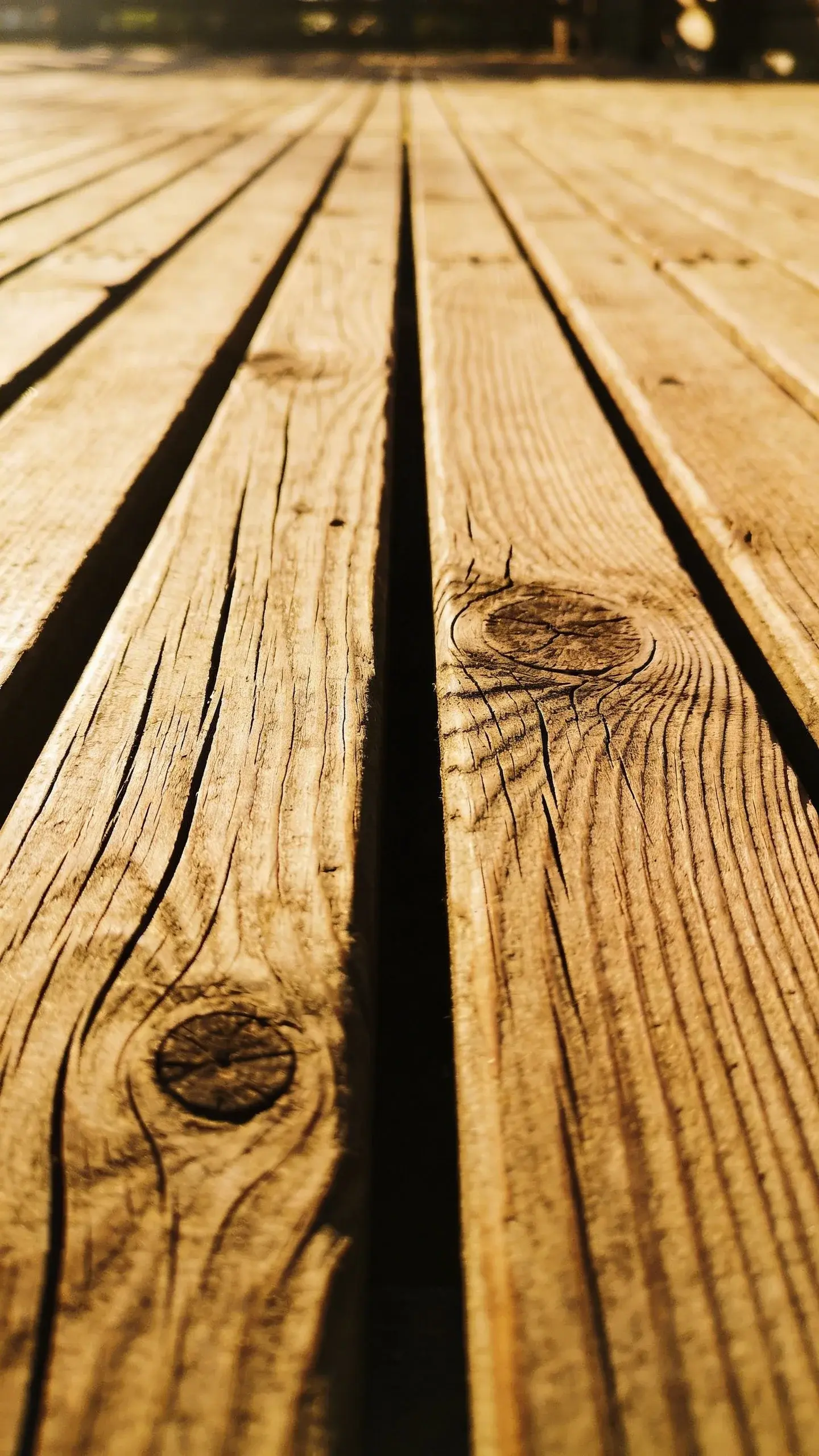
If the idea of staining and sealing every season makes you yawn, composite decking might be your soulmate. It mimics wood’s look without the ongoing upkeep.
– Pros:
– Minimal upkeep; just rinse and wipe
– Resistant to rot, warping, and insect damage
– Wide variety of colors and textures
– Cons:
– Higher upfront cost than basic wood
– Some hollow-core options can sound and feel less solid
Subheading tip: look for capped composites with good UV resistance and a non-slip texture. You’ll thank yourself after a rainy week. If you have kids or pets, the slip factor is worth the extra spend.

Free printable
No spam, just cozy home ideas now and then. Unsubscribe any time.
Pavers and concrete: durable, no-fuss workhorses
Pavers and concrete have a “get-it-done” vibe. They’re tough, flat, and usually cheaper over time than fancy decking—though you can still make them look fantastic.
– Pavers:
– Flexible, easy to replace individual pieces if something cracks
– Great for drainage; you can offset with gaps or sand
– A huge design playground with shapes, colors, and patterns
– Concrete:
– Ultra-sturdy; can be stamped or stained for flair
– Low maintenance; don’t rot, warp, or fade as quickly
– Can be slick when wet if you don’t choose a textured finish
Pro tips: choose a textured finish or add a non-slip coating. Integrate color through stains or pavers to prevent the area from looking sterile. A simple sealer every few years helps keep concrete looking fresh.
Gravel and stepping-stone pathways: easy on the wallet, surprisingly chic
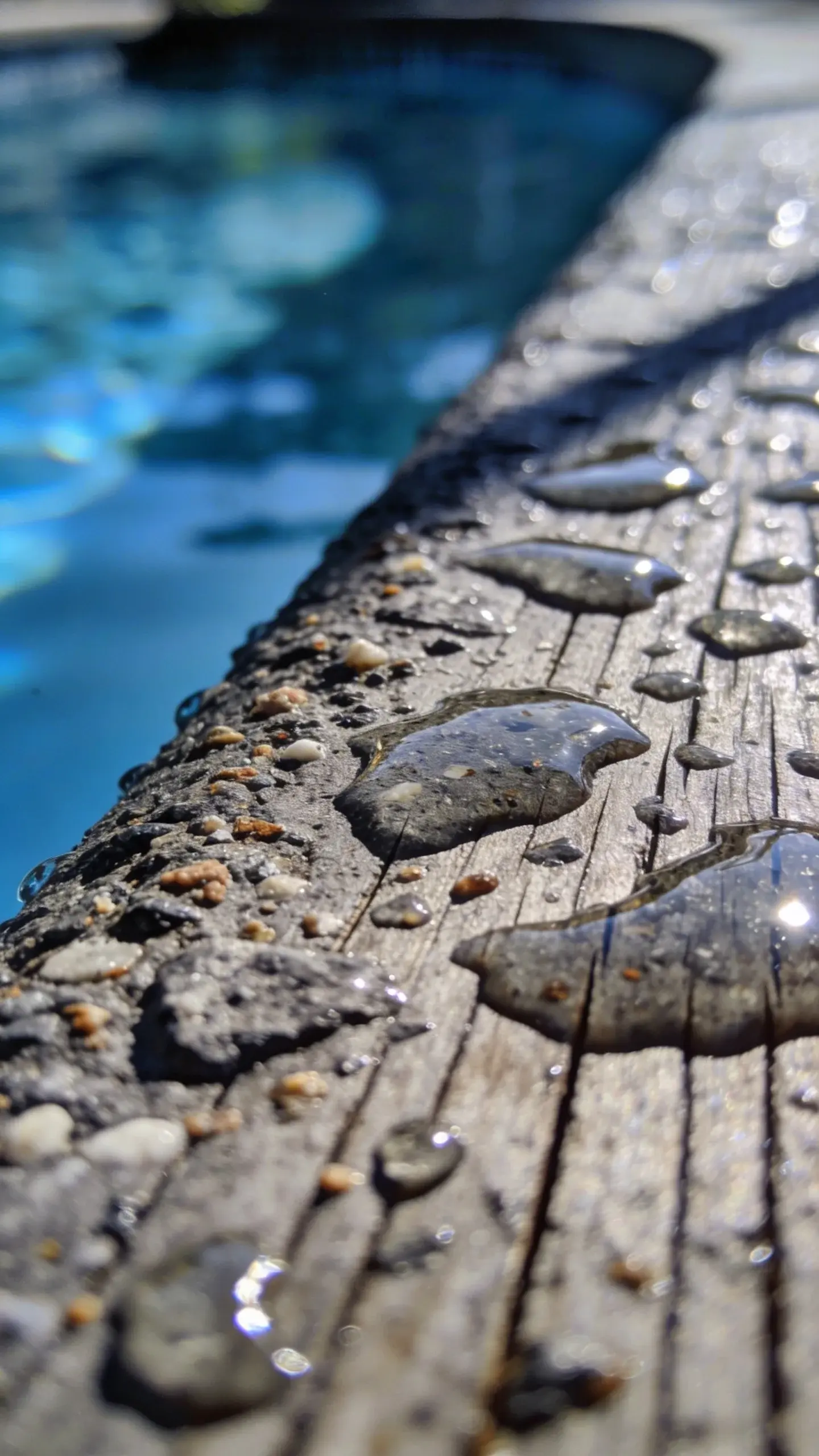
Gravel isn’t just for landscaping drama; it’s a practical option around above-ground pools. It’s cool underfoot, drains well, and can be a design statement.
– Pros:
– Very affordable and quick to install
– Excellent drainage; reduces puddling around the pool base
– Natural look that blends with many styles
– Cons:
– Can get tracked into the pool if you’re not careful
– Requires occasional refresh and rake to keep the surface even
Ways to do it well: use a weed barrier underneath to cut down on maintenance, and pick a medium-sized gravel for a balance between comfort and wind-blown mess. You can dress up the edge with timber or metal edging to keep everything tidy.
Artificial turf: green all year, zero mowing
If you crave that poolside vibe with immaculate grass without the mowing, artificial turf is getting surprisingly convincing. It also dries quickly after a splashy session.
– Pros:
– No mowing, no watering, no popular excuses to skip clean-up
– Consistent look around the pool area
– Soft underfoot with the right pile height
– Cons:
– Initial installation can be pricey
– Needs proper drainage and infill management to stay comfortable
Choose high-quality, dense turf with a good drainage layer. Look for features like antimicrobial infill for less odor buildup and a cooler top surface in hot sun.
Metal edging and trim: sleek separators that age well
Regardless of what ground cover you pick, edging matters. A clean edge defines the space, keeps mulch or gravel from drifting, and prevents tripping hazards.
– Options:
– Aluminum or steel edging for a modern, minimalist look
– Plastic options for a budget-friendly, quick install
– Stone borders for a natural, durable boundary
If you have kids or frequent gatherings, metal edging with a rounded edge is friendlier on bare feet and looks sharp against any deck or ground cover.
Dealing with drainage and safety: the quiet heroes
Materials are one thing, but if water pools around your pool, you’ve got bigger issues. A good surround controls runoff and minimizes slippery surfaces.
– Simple drainage ideas:
– Slight slope away from the pool to guide water toward a drain or garden bed
– Permeable pavers or crushed stone in gravel layouts to encourage drainage
– A front-edge lip or small step-down to create a defined, dry zone
– Safety touches:
– Non-slip finishes on decking or concrete
– Regular checks for loose boards or pavers
– Proper lighting to avoid trips after dark
FAQ section, 4-6 questions, each
:What’s the cheapest material to surround an above-ground pool?
– It depends on your yard, but gravel and basic pavers usually come in as budget-friendly options. Both are install-and-forget compared to higher-end decking, and you can style them with color and texture to avoid a cheap look.
Which material lasts the longest around a pool?
– Concrete with a good textured finish or high-quality composite decking tends to hold up well under sun, water, and foot traffic. Regular maintenance still matters, but these options resist rot, warping, and fading.
Is wooden decking around a pool safe?
– Yes, with proper maintenance. Choose pressure-treated or tropical hardwoods, seal regularly, and add anti-slip coatings. The key is staying on top of moisture management and sealing.
Do I need a professional to install pool surround materials?
– Not always. Pavers, gravel, and edging can be DIY-friendly if you’re comfortable with a leveling project. Composite decking and stamped concrete might benefit from a pro for best results and warranty considerations.
How do I keep a permeable surface around the pool clean?
– Regular blowing or sweeping to clear leaves, occasional rinsing with a hose, and ensuring proper drainage helps. If you use gravel or turf, prevent weed growth with a thin barrier or decomposed granite underlayment.
Conclusion
Ready to pick your winner? The right material around your above-ground pool sets the tone for relaxation, safety, and style without turning your backyard into a full-time handyman job. If you want a warm, classic vibe, go with wood—just expect some maintenance. If you crave low upkeep with modern flair, composite decking nails it. Pour a little patience into drainage planning, and you’ll sidestep soggy drama and slippery surprises.
So, what’s your style leaning toward: timeless wood, ultra-low maintenance composite, or something a bit more rugged and practical like pavers or gravel? Whatever you choose, remember: the best material is the one you actually enjoy stepping onto after a long swim. IMO, a tasteful edging, smart drainage, and a texture that’s not going to make you slip are the trio that turns your pool into a real retreat. FYI, your future self will thank you.