
Some links in this post are affiliate links. If you buy through one, I may earn a small commission at no extra cost to you. As an Amazon Associate I earn from qualifying purchases.
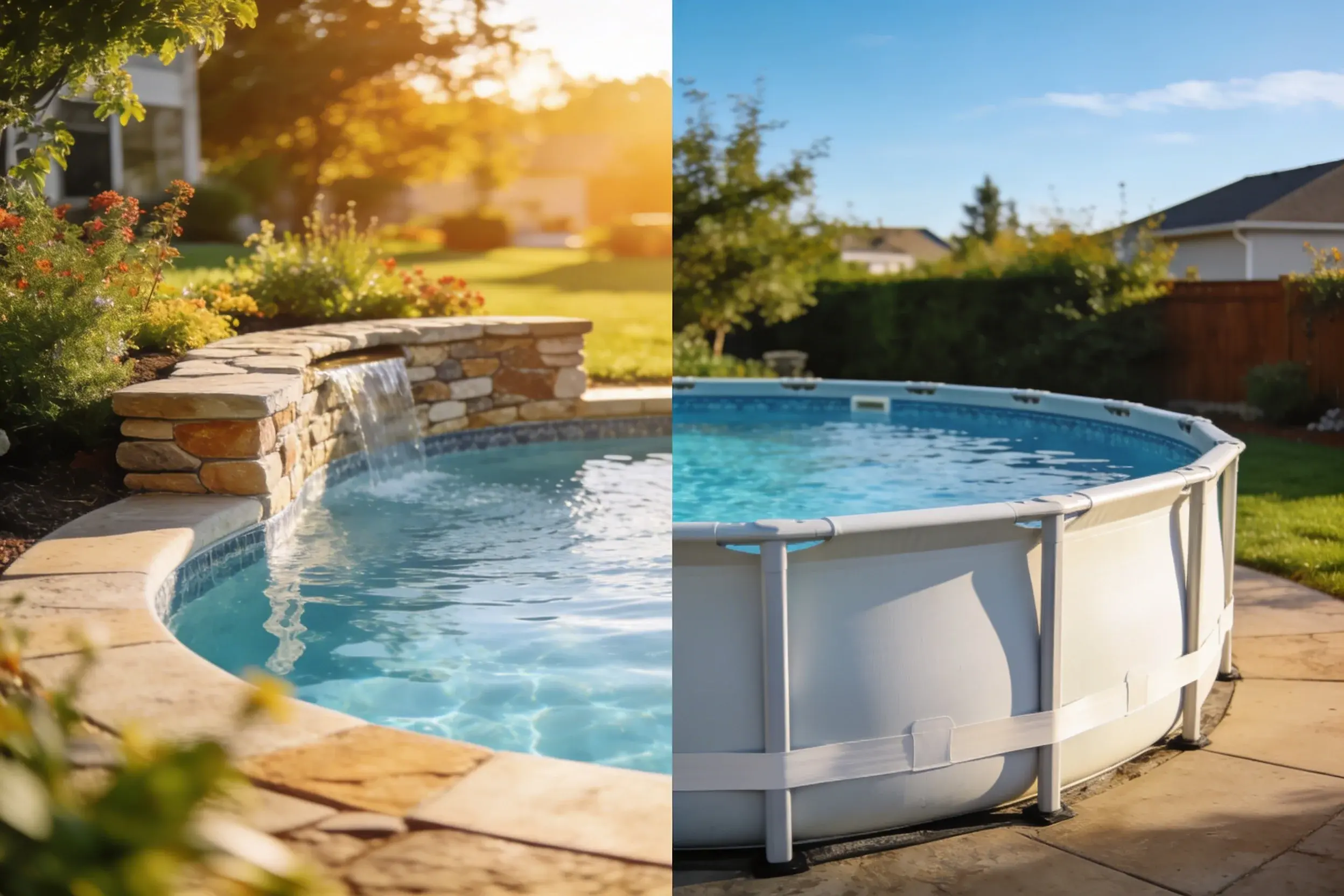
If you’re weighing semi-inground vs above-ground pools, you’re not alone. Both options have their perks, but one tends to fit your yard, budget, and vibe better. Let’s cut through the hype and get real about what actually matters when you’re choosing your summer oasis.
What, exactly, is the difference here?
Semi-inground pools sit partway in the ground, with a portion of the structure exposed above grade. Above-ground pools stay entirely above ground, with a sturdy frame and a vinyl or fiberglass shell. Simple, right? Not so fast. The real distinction isn’t just depth—it’s cost reality, installation drama, and how you’ll use the thing every weekend.
Cost reality: up-front versus long game
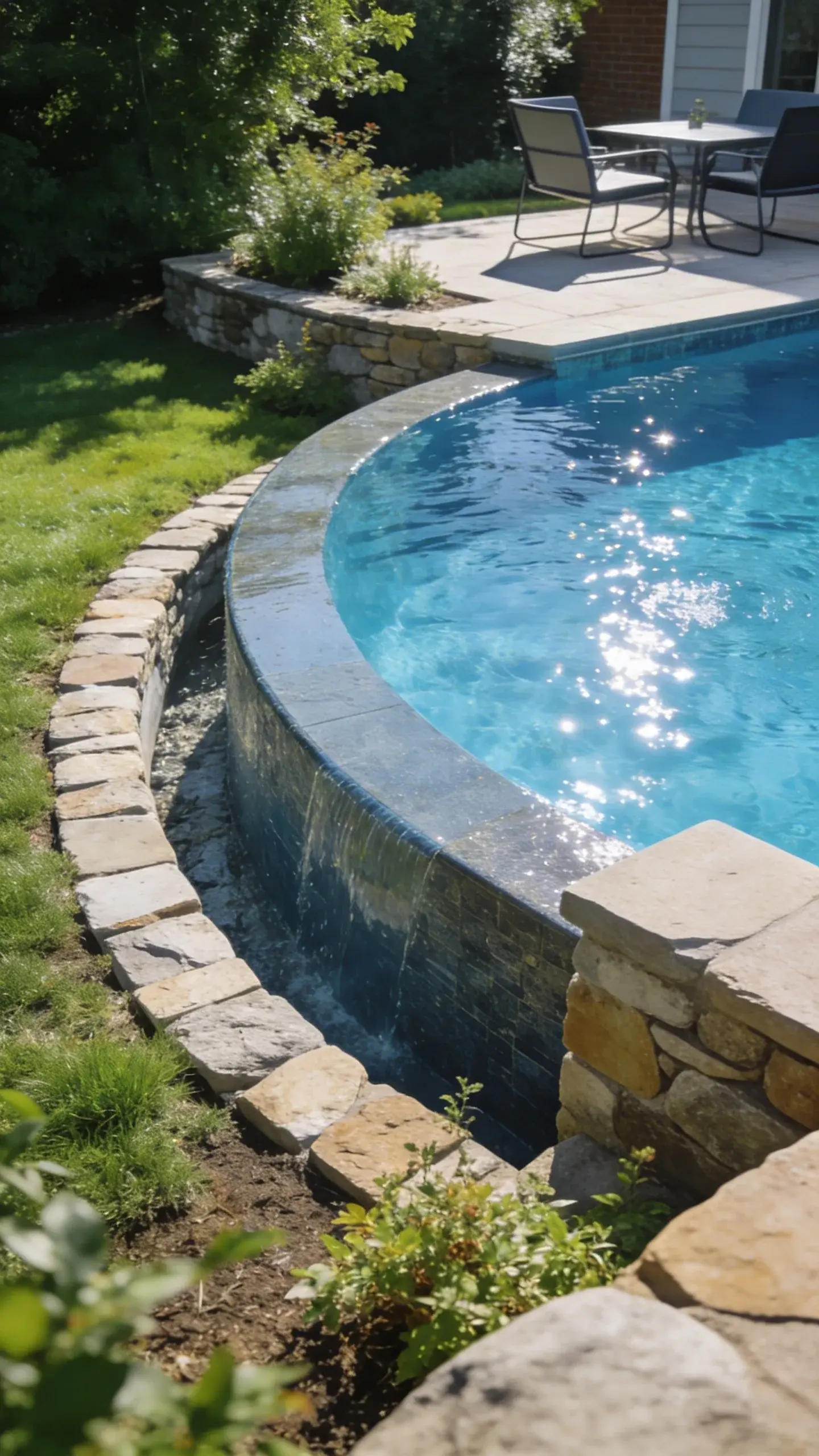
Pricing is the elephant in the backyard. Semi-inground pools usually cost more than basic above-ground setups because they require a bit more excavation, masonry, and finishing touches to blend with your yard. But they can still be cheaper than a full in-ground remodel.
– Semi-inground: higher upfront than most above-ground kits, but lower than full in-ground installs.
– Above-ground: typically the least expensive option, plus you can upgrade later if you want to.
- Delivery and installation can surprise you with hidden fees.
- Permits may matter if you’re doing substantial ground work.
- Maintenance costs don’t care which one you pick, but setup can affect winterizing decisions.

Free printable
No spam, just cozy home ideas now and then. Unsubscribe any time.
Durability and longevity: will your pool last the season… or decades?
Durability is where the “semi” option shines and the “above-ground” option varies by build quality.
– Semi-inground pools often use steel or composite walls and a more robust edge. They’re built to handle some soil pressure and ground movement better than a lot of above-ground models.
– Above-ground pools are sturdy, but their overall life depends on the wall material and how you maintain it. Expect shorter lifespans if you DIY with bargain materials.
Understanding ground interaction
– Semi-inground pools share the load with a portion of earth, which can stabilize the structure and reduce movement.
– Above-ground pools sit on a prepared base; if the ground shifts or water pools under the base, you can end up with a wobbly frame or leaks.
Yard aesthetics and curb appeal: does the pool blend in or stand out?
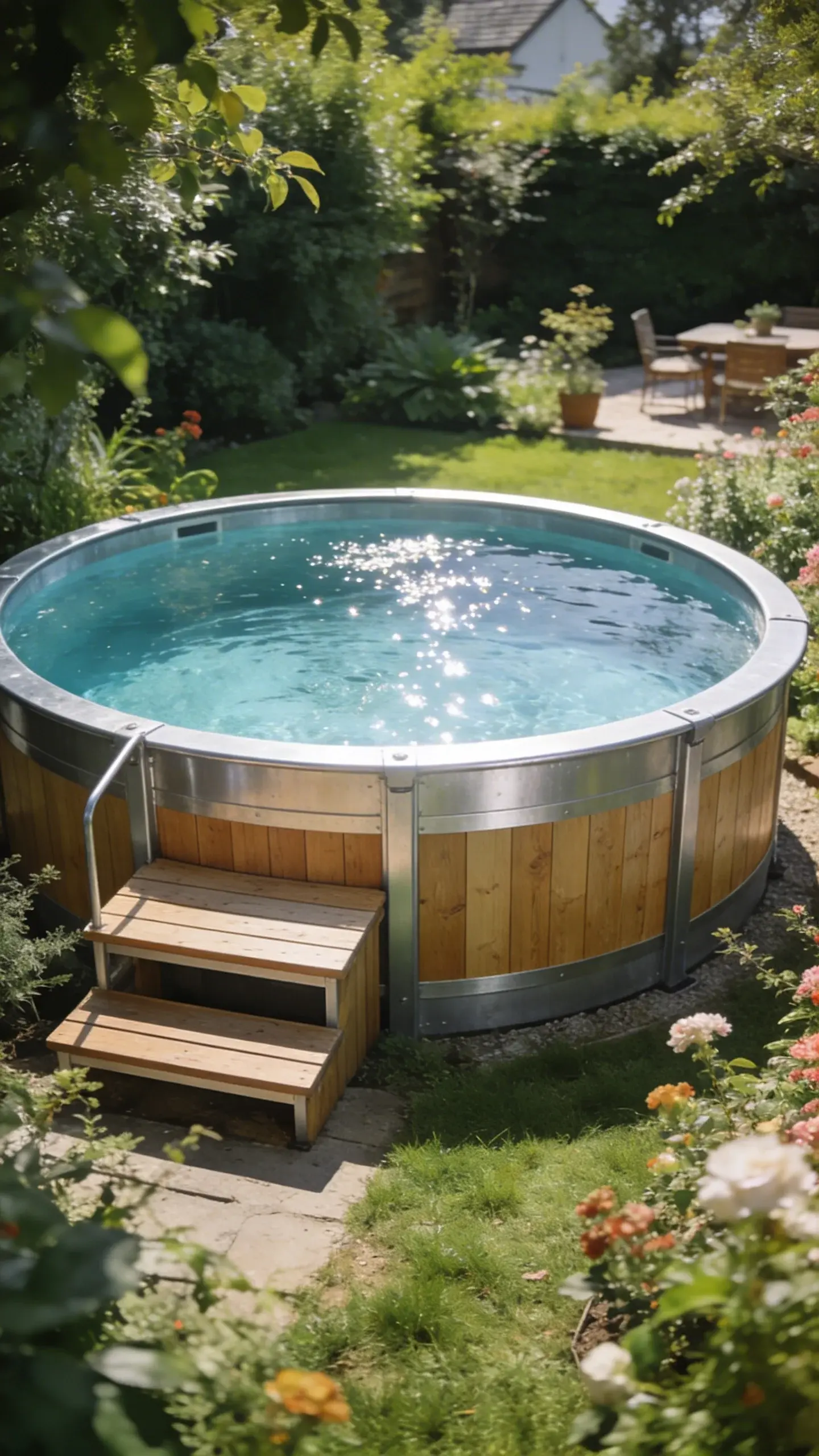
If the look matters as much as the splash, this section is for you.
– Semi-inground pools can be tucked into a slope or partially buried, giving a sleeker, more integrated look. They often feel less “temporary” than a freestanding above-ground model.
– Above-ground pools dominate the landscape. You can dress them up with decks, lattices, and landscaping, but they’ll still scream, “We’re a pool, not a pit of luxury.” FYI, you can absolutely build gorgeous decks around them.
Decking and landscaping ideas
– Semi-inground: a low retaining wall or stone edge can hide the top rail and create a seamless transition between yard and water.
– Above-ground: consider a raised wooden deck or wrap-around fencing with planters to soften the silhouette.
Installation drama: how long and how messy?
If you’re not into weeks-long projects, you’ll want to know what you’re in for.
– Semi-inground installations tend to take a bit longer than a standard above-ground setup, mainly due to grading, partial burial, and finishing touches.
– Above-ground installs are usually quicker and easier for DIYers. You can have water in the pool in a weekend if all goes smoothly.
The DIY vs pro angle
– Semi-ingrounds benefit from professional handling for the excavation and finishing steps. It’s not impossible to DIY, but you’ll save yourself headaches with a pro.
– Above-ground pools are famously friendly to DIYers. Read the manual, measure carefully, and don’t skip the leveling.
Maintenance and day-to-day use: how annoying is the upkeep?
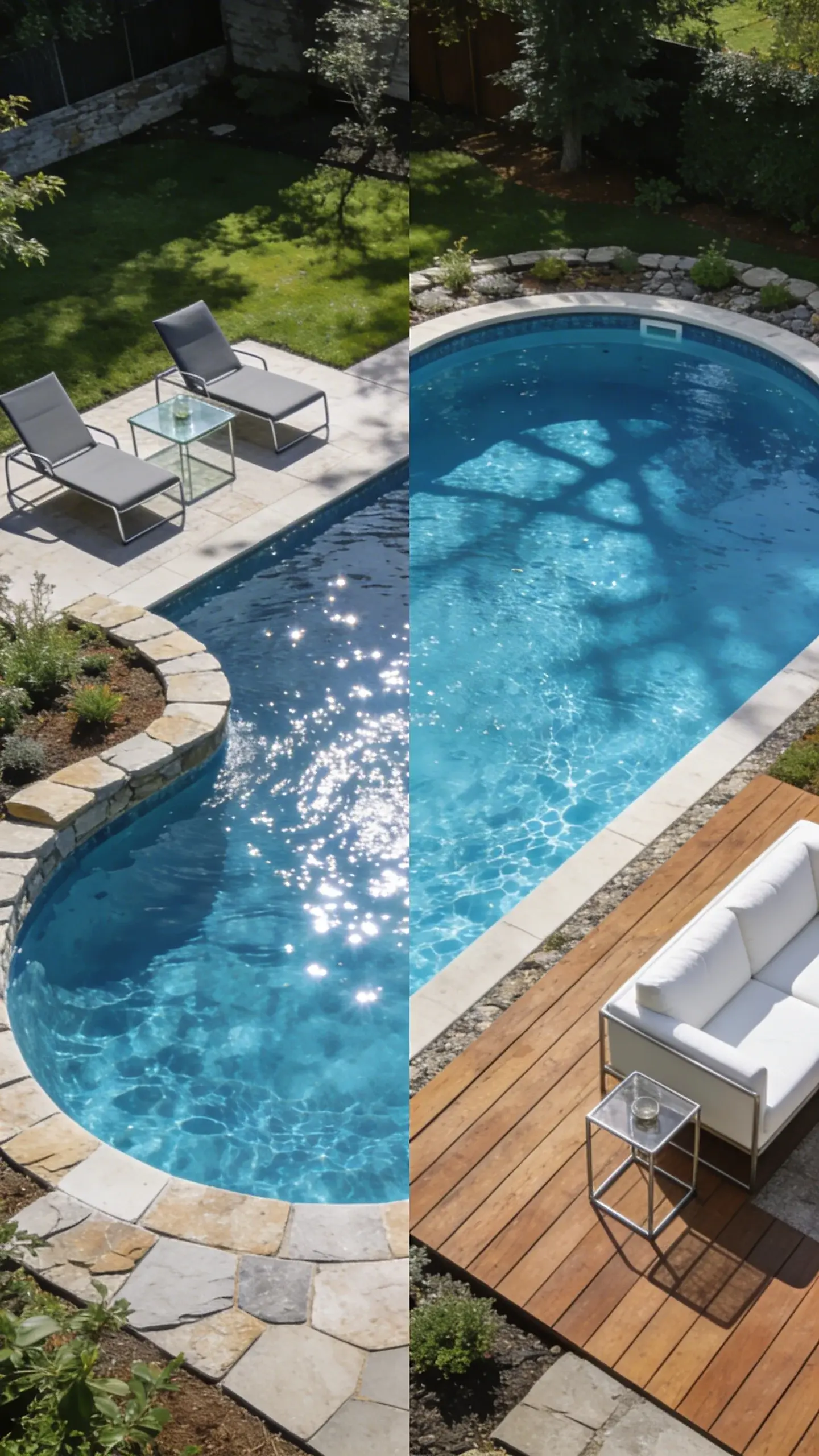
Maintenance decides whether you actually enjoy the pool or end up resenting its existence.
– Filtration—both types need a solid filtration system. Size your pump to match the pool volume; undersized pumps equals green water.
– Cleaning—manual skimming, vacuuming, and brushing are part of the routine regardless of type.
– Winterizing—semi-inground pools might require a few extra steps for the exposed edge. Above-ground pools often shut down with covers and seasonal draining.
Chemistry and accessibility
– Semi-inground pools can be easier to reach from certain angles, which helps when your kids are trying to “mmm, bubbles,” and you’re trying to remind them that water is slippery.
– Above-ground pools may have more straightforward equipment placement, which can simplify maintenance tasks.
Safety and code considerations: don’t skip the boring stuff
Safety is not the sexy part of pool ownership, but it’s the part that matters most after the first cannonball.
– Fencing and barriers: both types typically require appropriate fencing and safety measures depending on your local codes.
– Sliding or leaping hazards: partial bury in semi-inground can create uneven surfaces; ensure your pool area stays child-safe with non-slip surfaces and clear boundaries.
– Permits and inspections: check local regulations; some areas have strict rules about semi-inground installations.
So, which is better for you?
Here’s the TL;DR, no-fluff answer.
– Choose semi-inground if you want a look that feels integrated with the yard, you’re okay with a bit more installation time, and you’re aiming for a mid-range budget with better long-term durability than a basic above-ground.
– Choose above-ground if budget is tight, you want a quick setup, and you don’t mind a more “portable” look. It’s perfect for renters or those who plan to move soon.
FAQ
Is a semi-inground pool more expensive than an above-ground pool?
Generally, yes. You’ll encounter higher upfront costs for partial burial, materials, and finishing work. But you’ll often save compared to a full in-ground install, and the payoff is a nicer yard aesthetic and potentially better resale value.
Can I install either type myself?
You can for many above-ground pools, especially the simpler kits. Semi-ingrounds are doable, but the excavation and finishing steps are typically better handled by professionals to avoid costly mistakes.
Do both require permits?
It depends on your location and the scope of the project. Check with your city or county building department before you start digging or ordering parts. FYI, ignorance isn’t a permit—just costly consequences.
Which is easier to maintain?
Maintenance levels are similar in terms of chemistry and cleaning, but accessibility can differ. Above-ground pools often offer straightforward equipment placement, while semi-inground setups might require a bit more attention to the exposed edge and surrounding landscaping.
Which one adds more home value?
A well-executed semi-inground pool can enhance curb appeal and property value more than a basic above-ground pool. If resale value matters, consider the quality of the finish, the deck/landscaping around it, and how well it blends with the yard.
Conclusion
If you want a pool that looks intentional—like it belongs in the yard rather than living in a patio-sized bubble—semi-inground wins for curb appeal and durability. If you’re chasing a budget-friendly splash zone with a quick setup, above-ground pools are your dependable friend. Either way, your summer is about to get a whole lot more fun. So grab a snack, map out your yard, and start sketching that poolside dream. IMO, the right choice is the one you’ll actually use every weekend. FYI, you’ll thank yourself when July heat hits and you’re sipping something cold by the water.