
Some links in this post are affiliate links. If you buy through one, I may earn a small commission at no extra cost to you. As an Amazon Associate I earn from qualifying purchases.
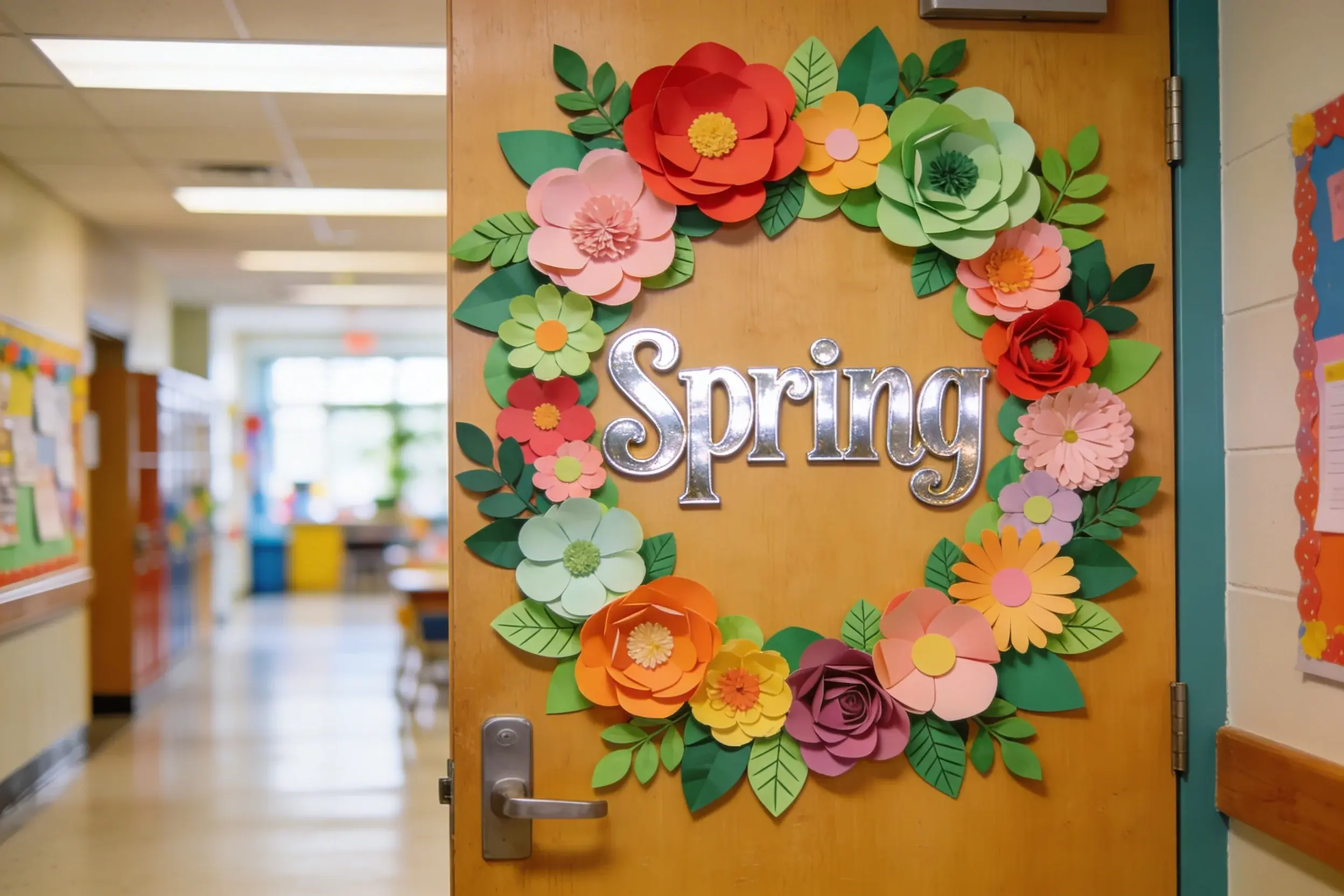
Spring is here, and so is the chance to jazz up your classroom door without draining your energy. These ideas are fun, fast, and foolproof—perfect for teachers who want impact with minimal drama. Let’s get your hallway talking in the best way possible.
1. Bloom Wherever You Stand: Flower-Inspired Door
 Save
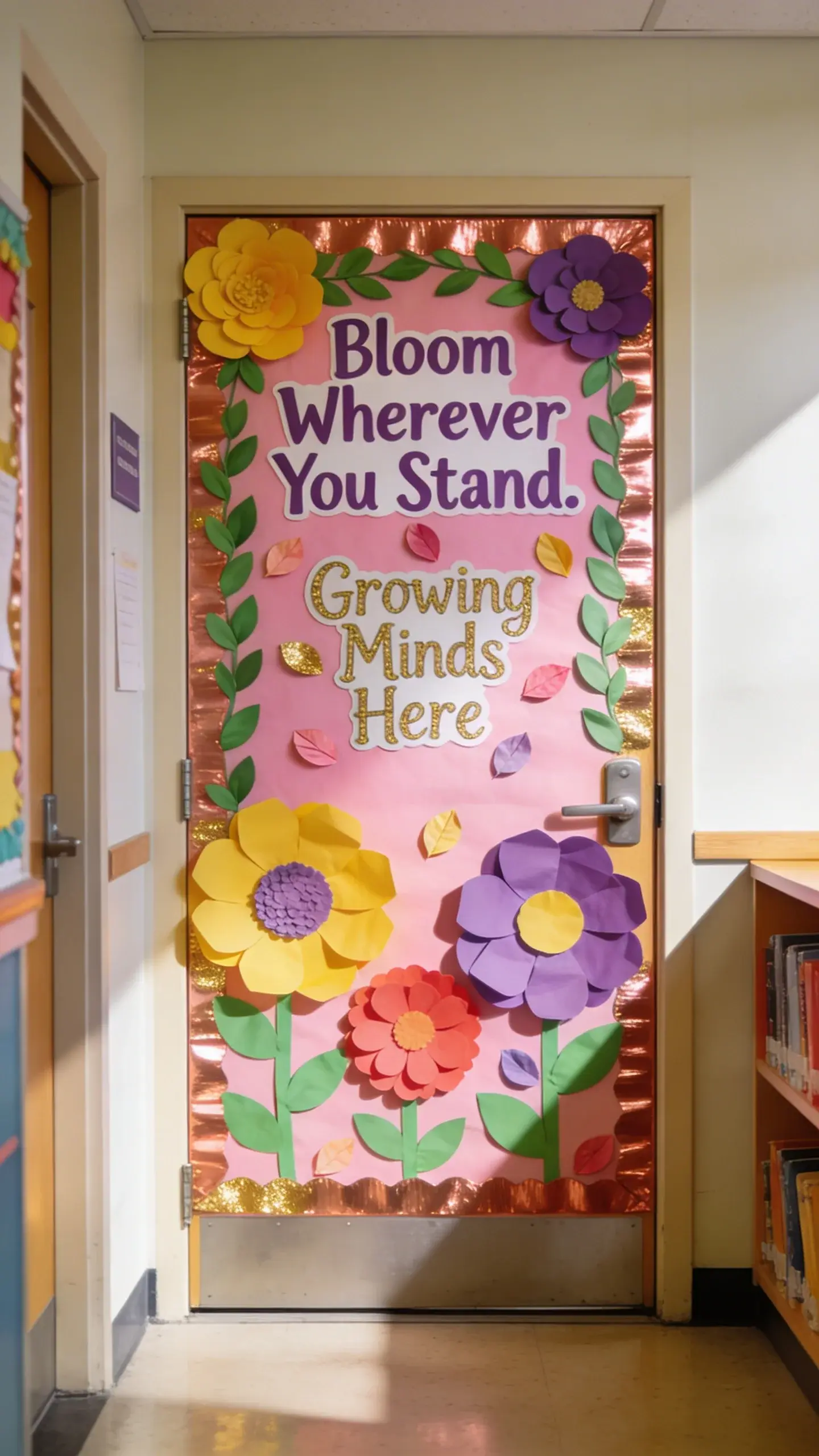
SaveThis idea brings a cheerful, welcoming vibe right at the entrance. A flower-themed bulletin board feels fresh, bright, and student-friendly. Plus, it’s a perfect chance to use real or handcrafted petals as accents.
Key Elements:
- Colorful paper flowers in varying sizes
- Leafy green accents to frame the door
- Centerpiece message that says “Growing Minds Here”
Keep the color palette cohesive but lively. FYI, a touch of metallic accents can make it pop from a distance.
2. Word Garden: Spring Vocabulary Garden
 Save
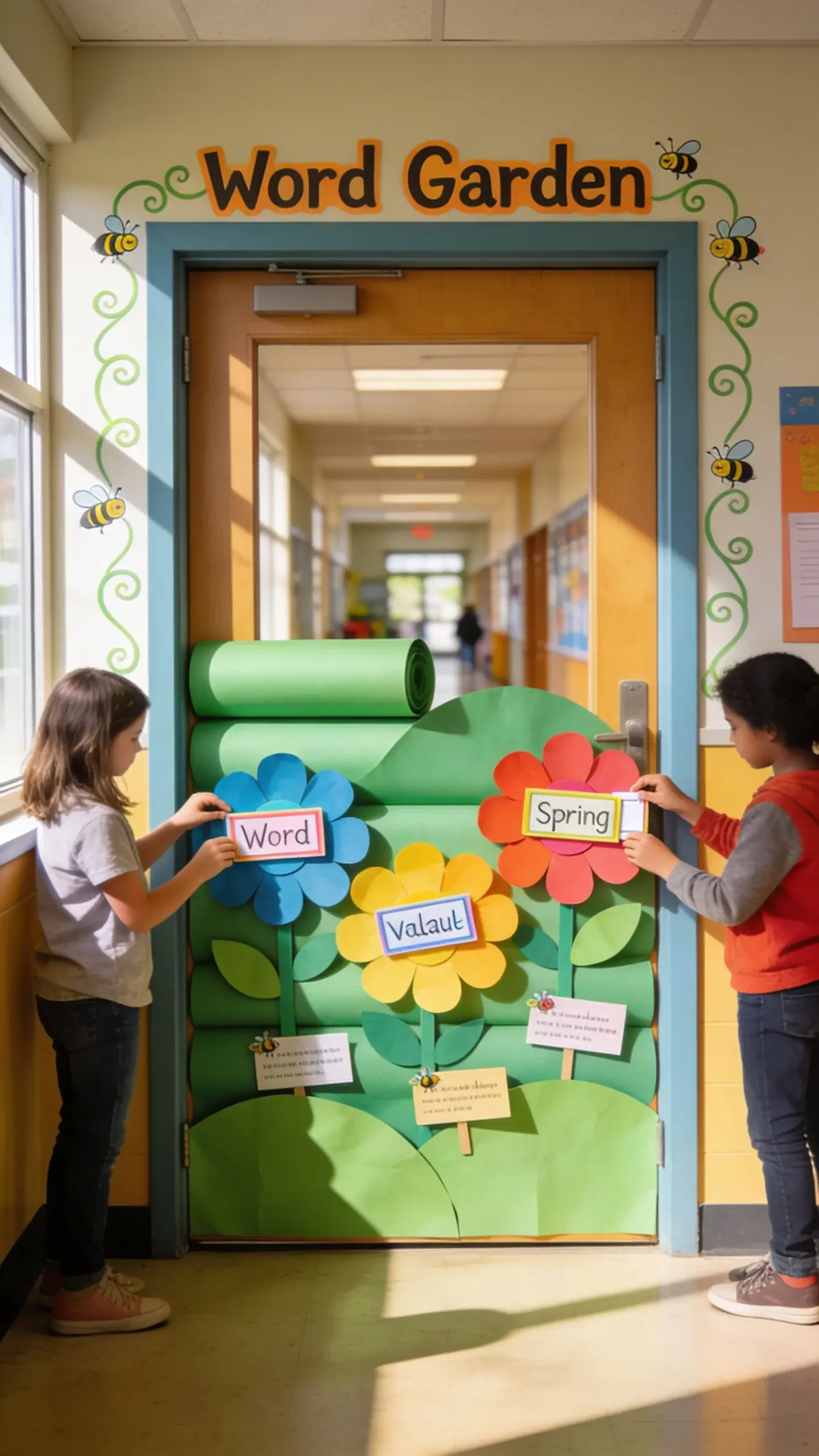
SaveTurn vocabulary into a flowering landscape your students can harvest daily. It keeps language visible and alive, not tucked away in notebooks. This one scales from shy to bold depending on how much you laminate.
How to Grow It:
- Every student contributes a spring-themed word
- Include a tiny definition or sentence as a clue
- Seasonal border with vines and bees for whimsy
Benefit? Language connections bloom across the classroom, and you’ll hear “I found a new word!” more than once a week.
3. Seasonal Silhouette Parade
 Save
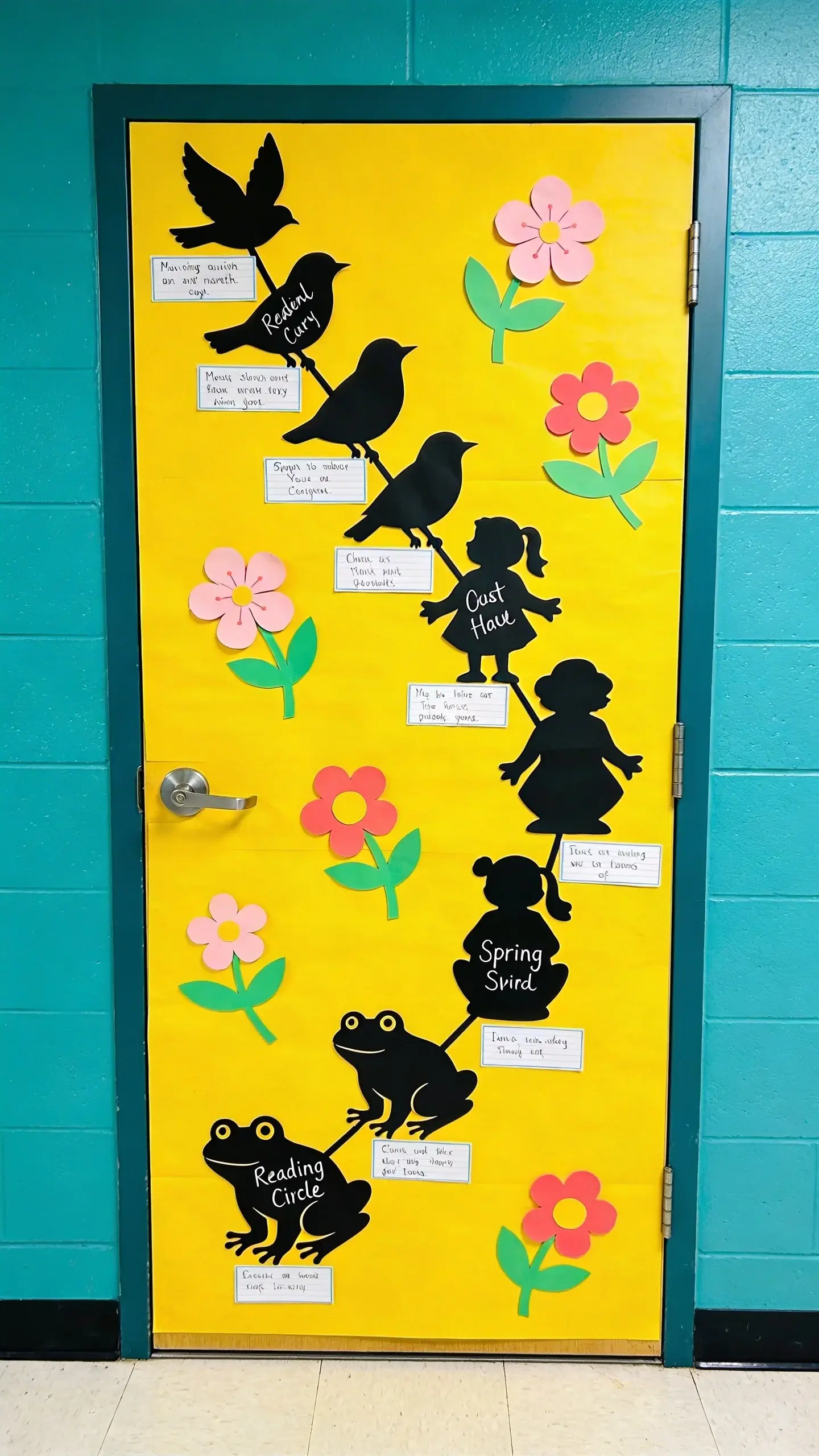
SaveSilhouettes are dramatic without needing a ton of color. A parade of spring shapes—birds, blossoms, frogs—adds movement and personality to your door.
Tips for Success:
- Use black cardstock on bold backgrounds for contrast
- Interactive pieces: students sign names or messages on each silhouette
- Add a short caption under each shape describing the scene
When to use: during a reading unit or literature circle; it doubles as a seasonal display and a quick classroom cue board.
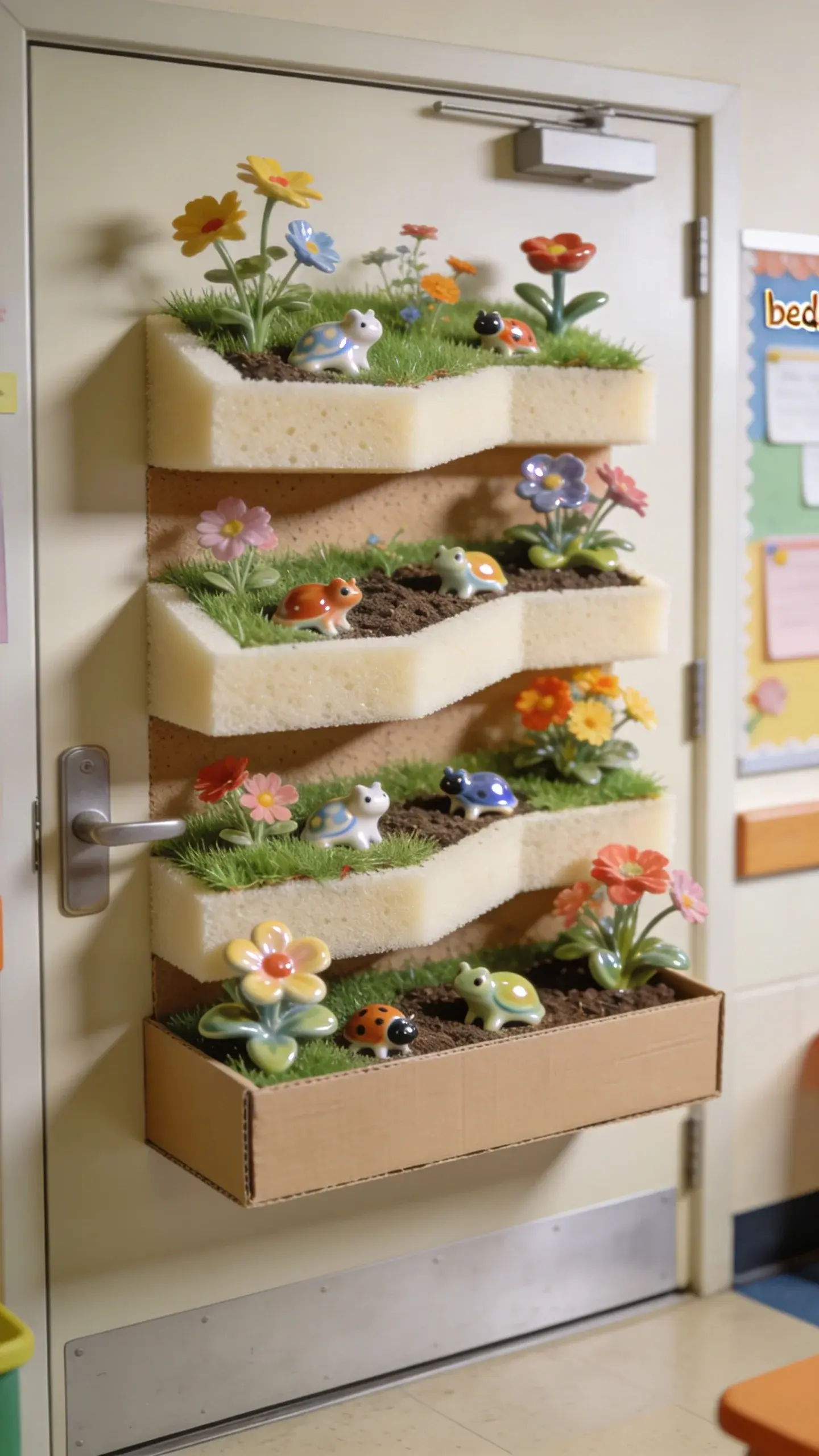
4. 3D Garden Box: Layered Spring Scene
 Save
SaveThree-dimensional elements bring tactile delight to any door. A DIY box garden with layers creates depth and interest that passersby will notice instantly.
What You’ll Include:
- Foam or cardboard “beds” stacked at different depths
- Plastic grass turf, flowers, and tiny ceramic critters
- Mini signs that label each plant with a learning objective
Benefits: students get hands-on crafting practice, and the door becomes a conversation starter about ecosystems and growth.
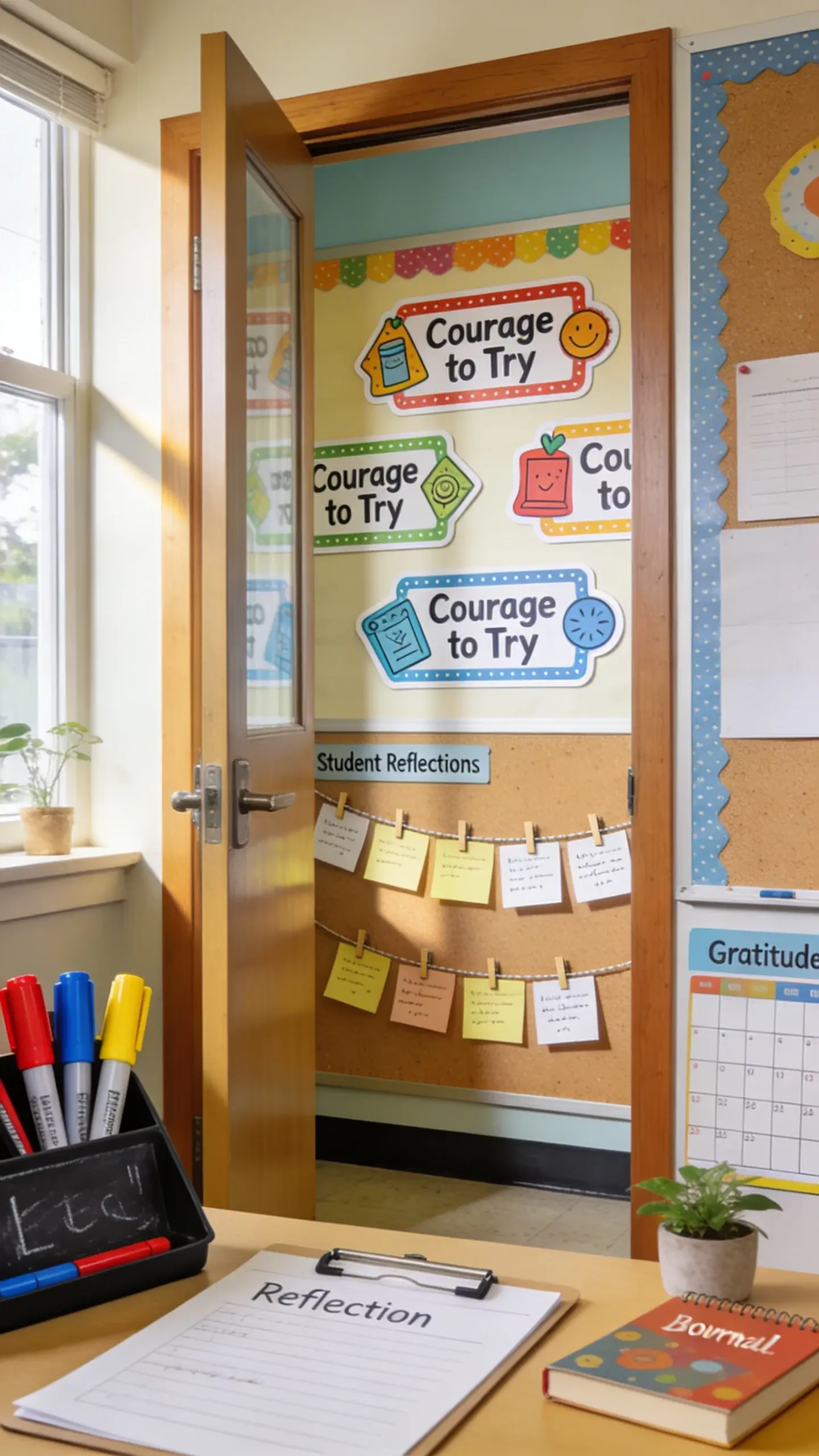
5. Growth Mindset Milestones
 Save
SaveCelebrate growth, effort, and resilience with a door that cheers on progress. A Growth Mindset board sets the tone for daily learning and encourages a can-do attitude.
Structure:
- Weekly milestone stickers (e.g., “Courage to Try”)
- A section for student reflections on recent challenges
- Bright markers and a bold title: “We Grow When We Try”
Use it as a quick check-in tool; it helps students connect effort with outcomes in real time.
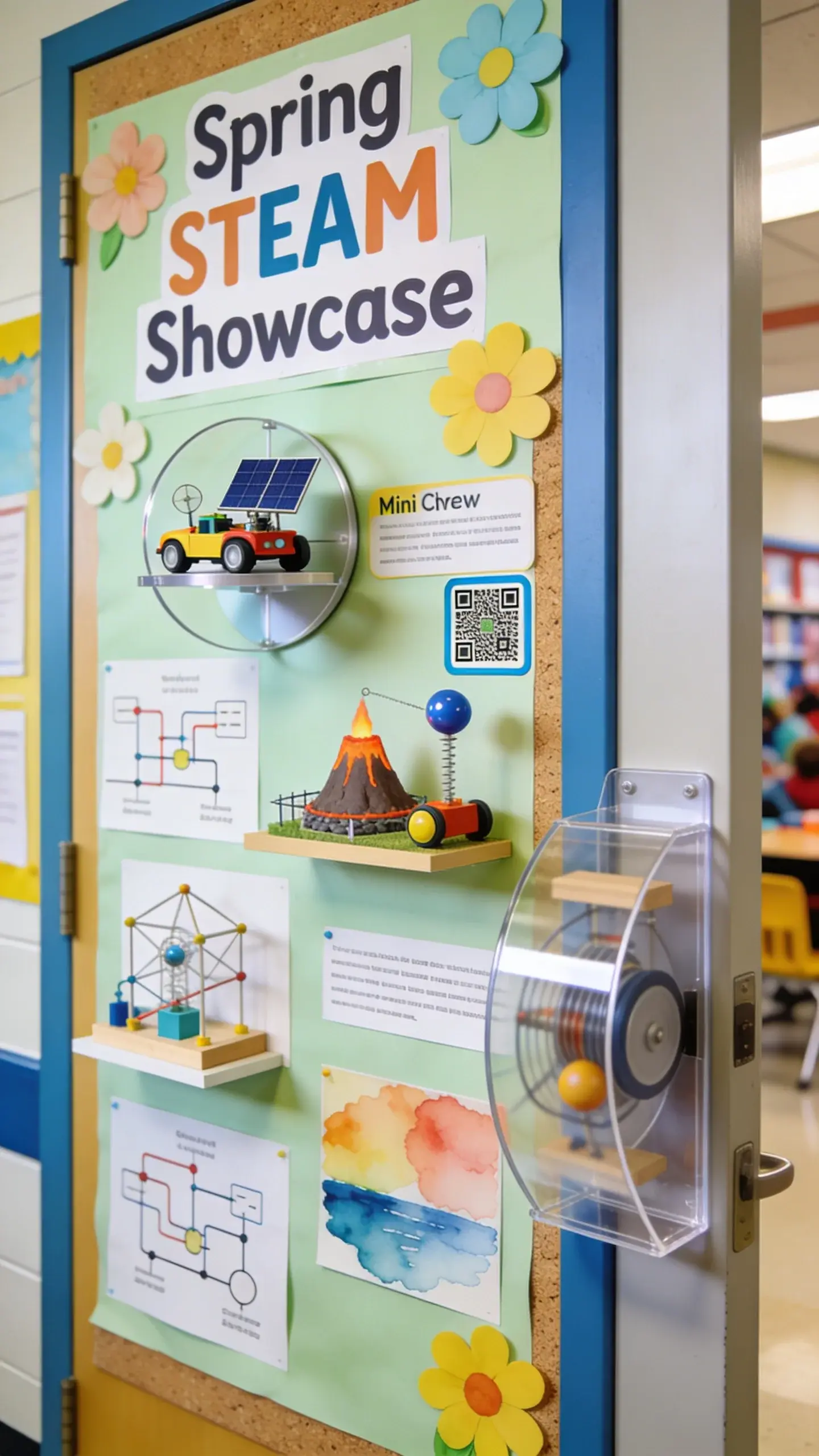
6. Spring STEAM Showcase
 Save
SaveBlend science, technology, engineering, arts, and math into a mini-curation that fits your door. A small, rotating showcase keeps the display fresh and relevant to lessons.
What to Feature:
- Mini experiments (safe, classroom-friendly)
- Student-made diagrams and models
- QR codes linking to explanation videos or notes
Bonus: you get to show off student work in a high-traffic area, boosting motivation and pride.
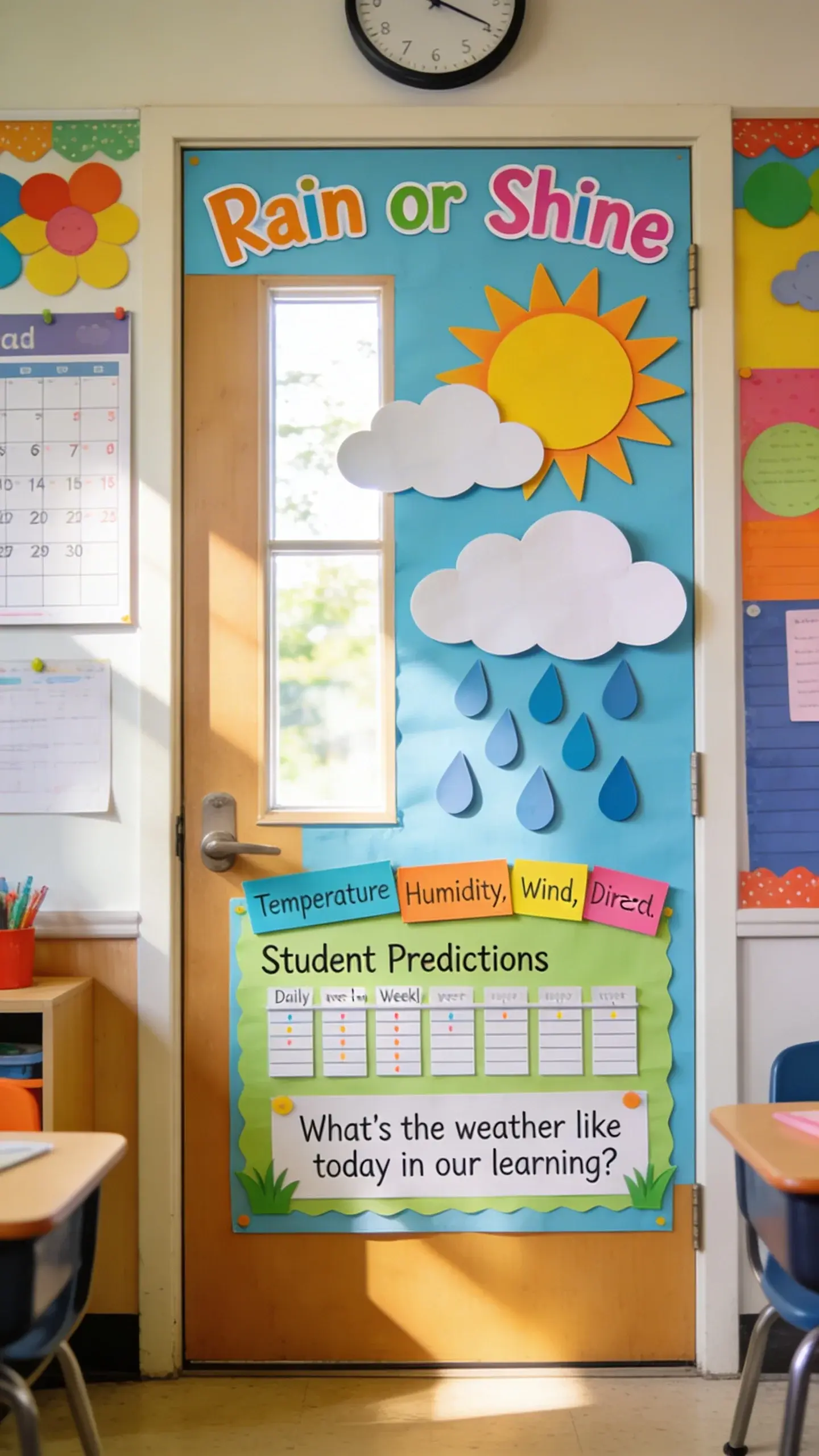
7. Rain or Shine: Seasonal Weather Wall
 Save
SaveLet the door reflect the weather outside, plus a lesson inside. A weather wall is practical and visually engaging, especially in spring when conditions flip often.
Key Points:
- Tabs for temperature, humidity, and wind direction
- Student predictions section with a quick weekly tally
- Bright sun, clouds, and raindrops cutouts
Use it as a daily quick-check-in: “What’s the weather like today in our learning?”
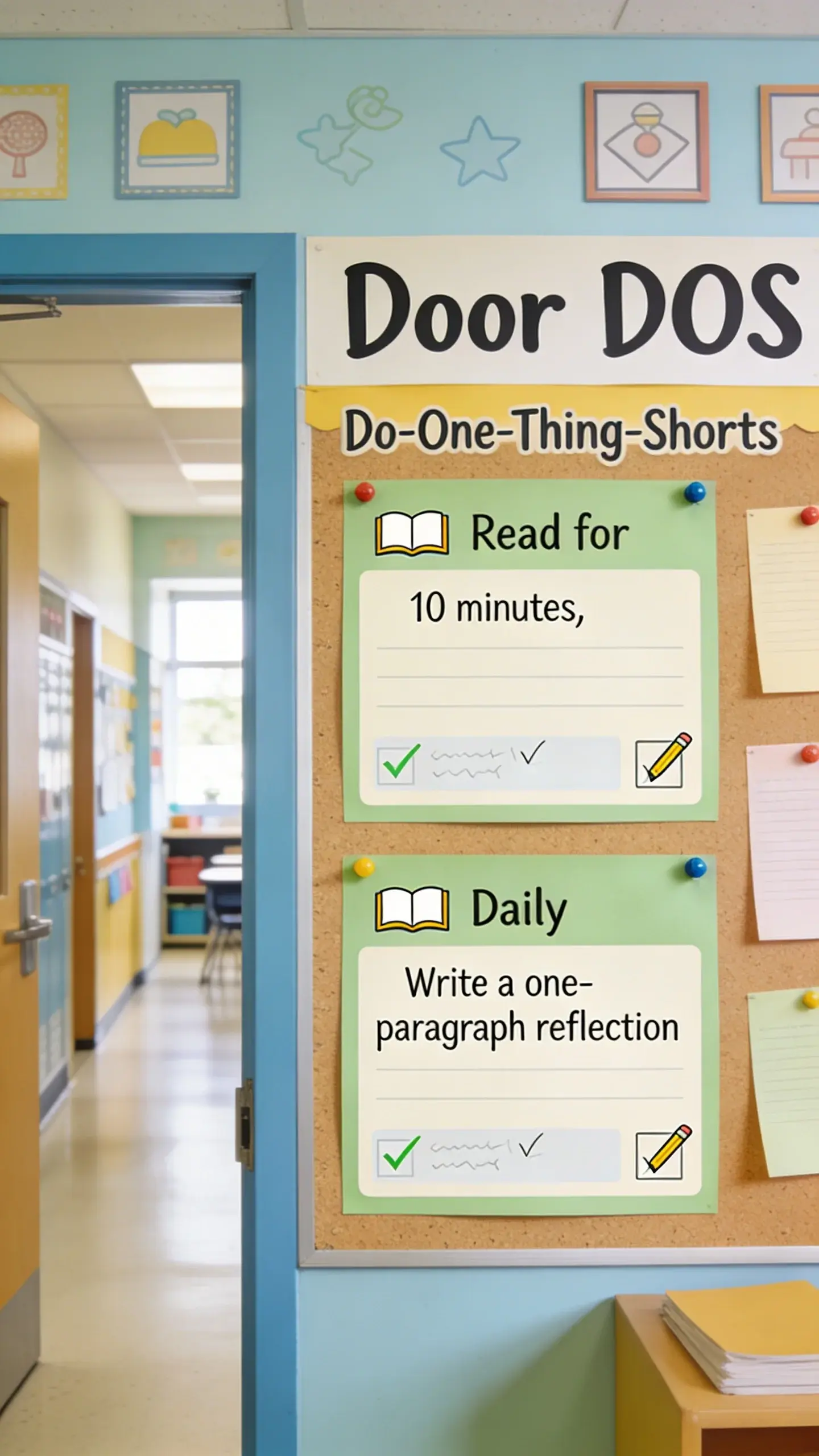
8. Door DOS: Do-One-Thing-Shorts Wall
 Save
SaveSometimes less is more. A Do-One-Thing-Shorts wall encourages small, doable tasks students can do in class or at home. It’s a practical nudge toward micro-achievements.
What to Put On It:
- Two to three daily challenges (e.g., read for 10 minutes, write a one-paragraph reflection)
- A small checkmark area to celebrate completion
- Simple icons to represent each task
Side benefit: you’ll reduce the “homework never ends” vibe by reframing tasks into tiny wins.
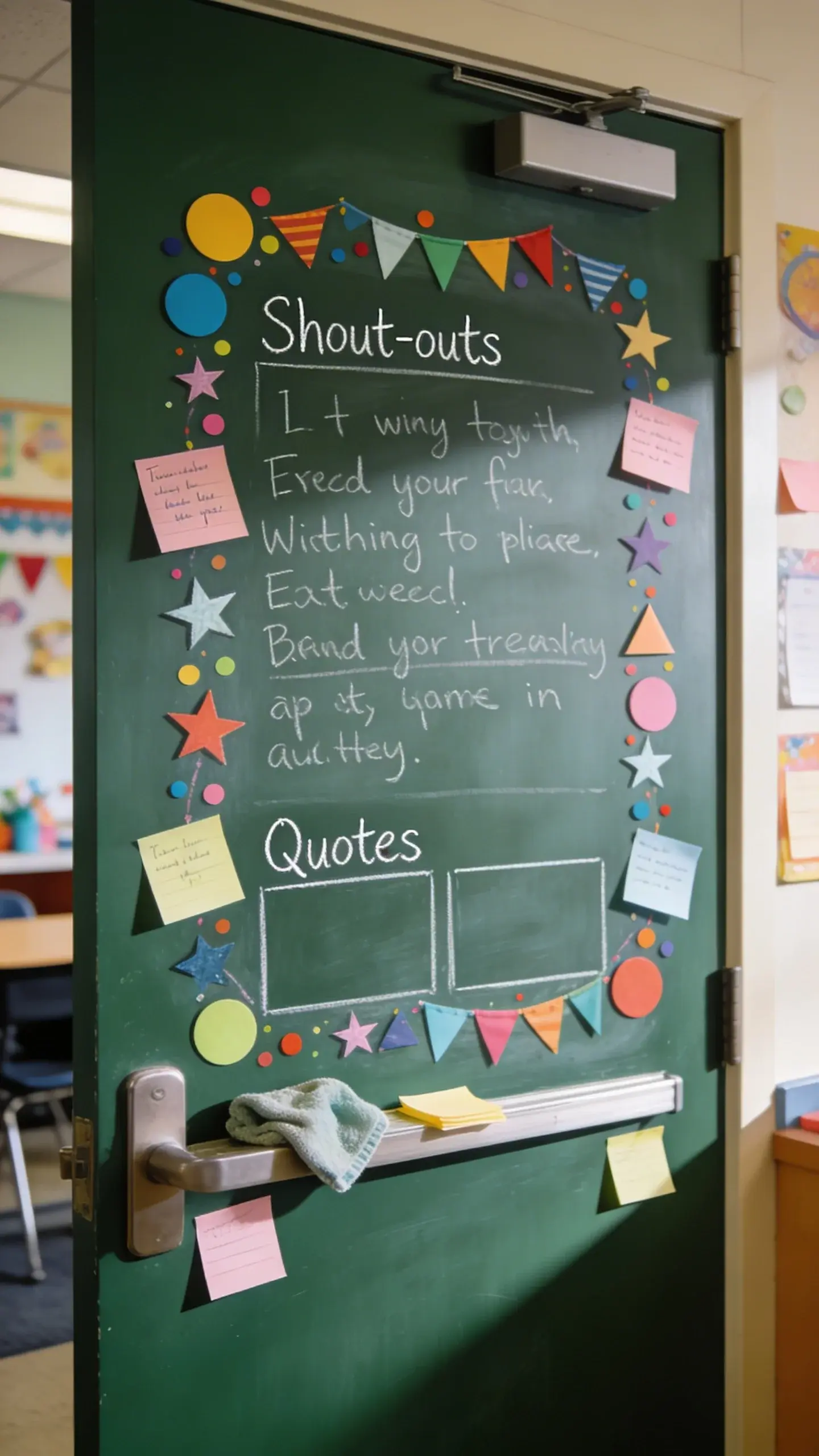
9. Chalkboard Confetti: Mini Messages Board
 Save
SaveChalkboard styling with confetti bursts adds a playful, energetic touch. It invites students to leave kind notes, celebrate achievements, or share quick ideas.
How It Works:
- Chalkboard panels with wipe-clean surfaces
- Colorful confetti shapes to frame notes
- Spaces for student shout-outs and quotes
Tip: keep a damp cloth handy for quick cleanups. Seriously, it saves time and looks neat.
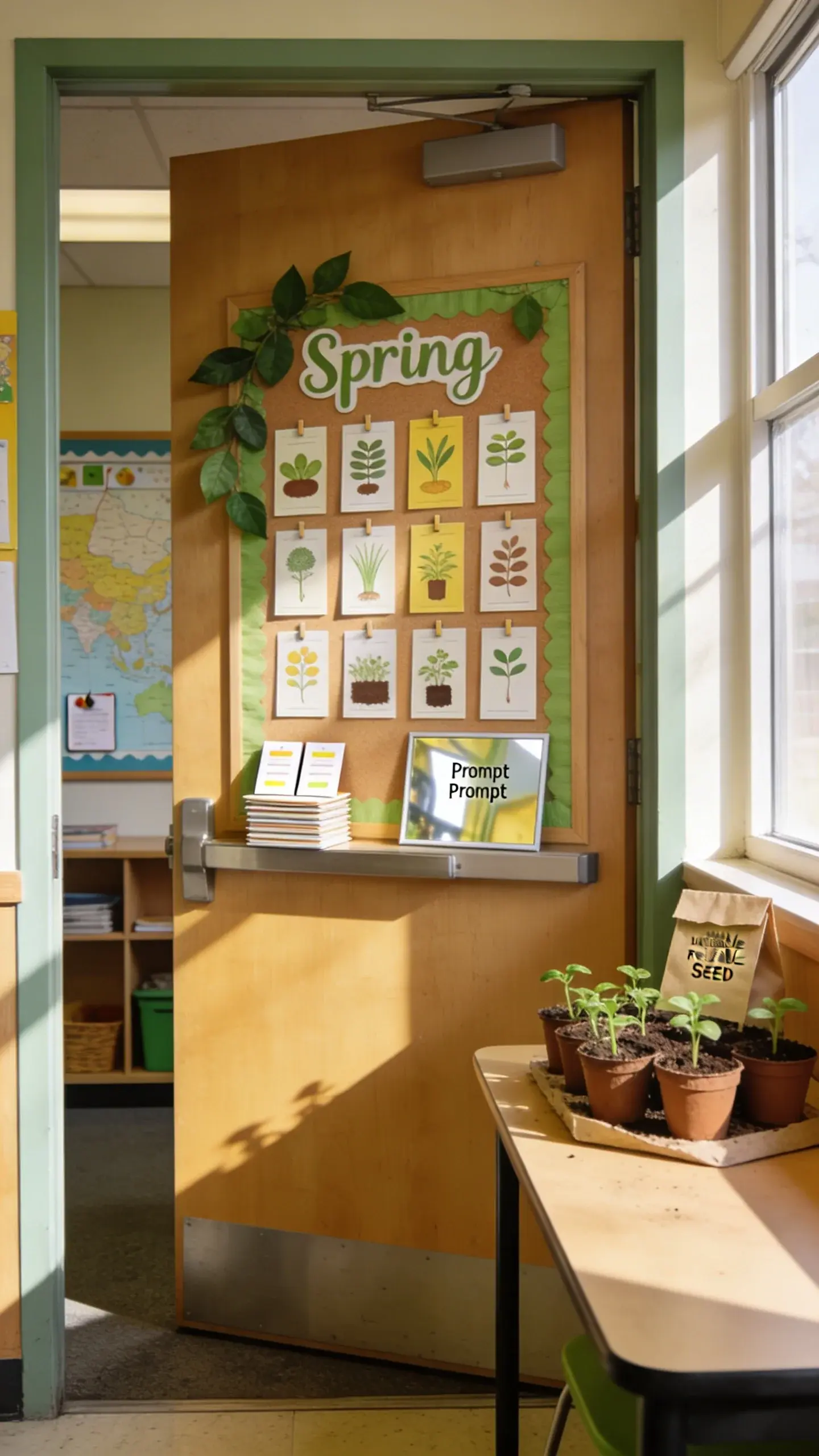
10. Mystery Seed Exchange
 Save
SaveA little mystery can spark curiosity. A seed exchange board invites students to trade seeds or seed fact cards, linking science with community and responsibility.
What to Include:
- Seed cards with care directions
- A note about germination basics and plant timelines
- A short student reflection prompt about growth and patience
Ideal for spring science or geography units, and it doubles as a classroom resource for home gardens.
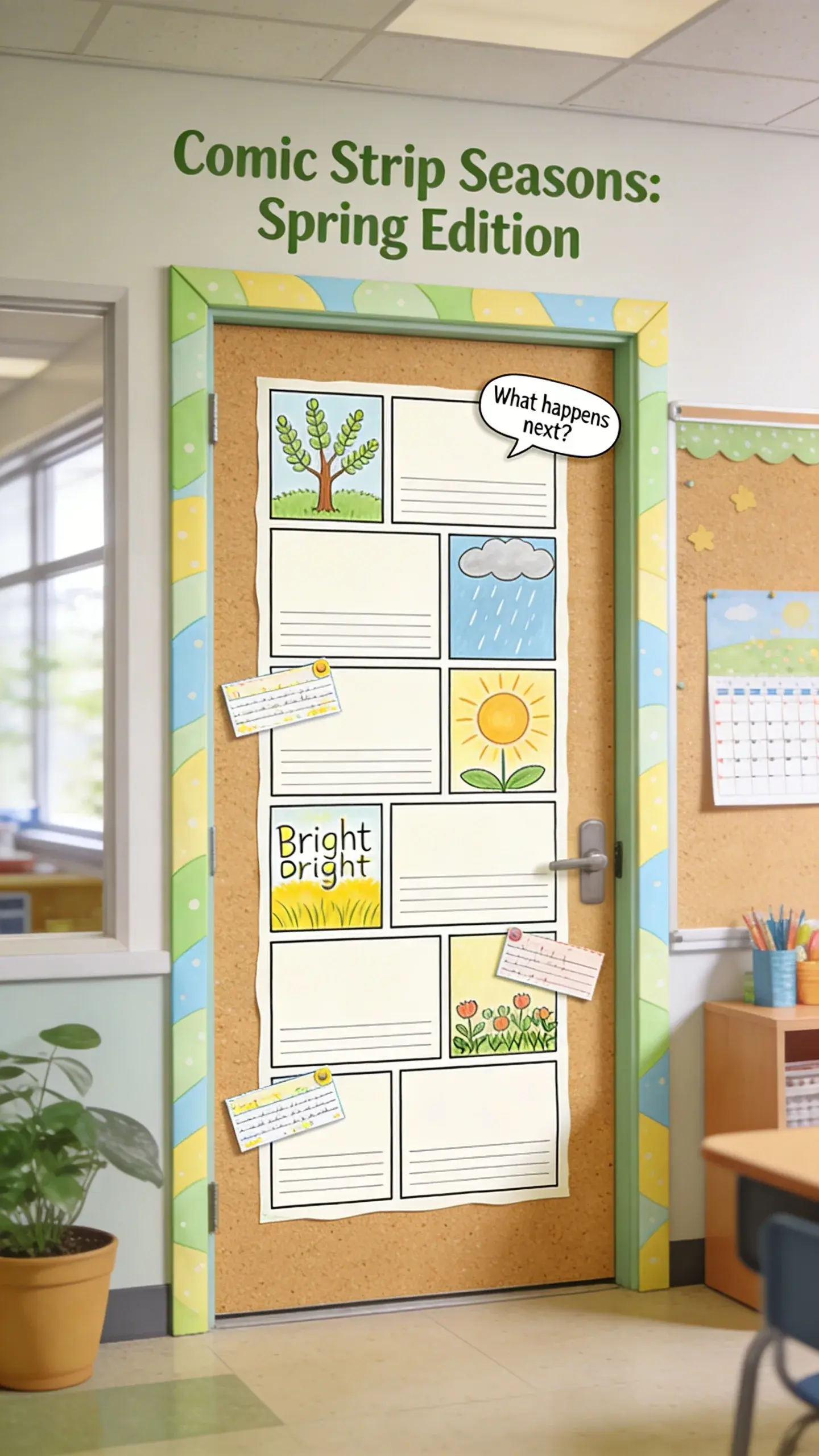
11. Comic Strip Seasons: Spring Edition
 Save
SaveTurn a wall into a comic strip that follows spring’s journey—growth, rain, sunny days, and learning moments. It’s a playful narrative that students can contribute to weekly.
Parts to Build:
- A multi-panel board with space for captions
- Student-drawn panels or printed strips
- Interactive prompts like “What happens next?”
Benefits: stories stick, and the project naturally reinforces sequencing and storytelling skills.
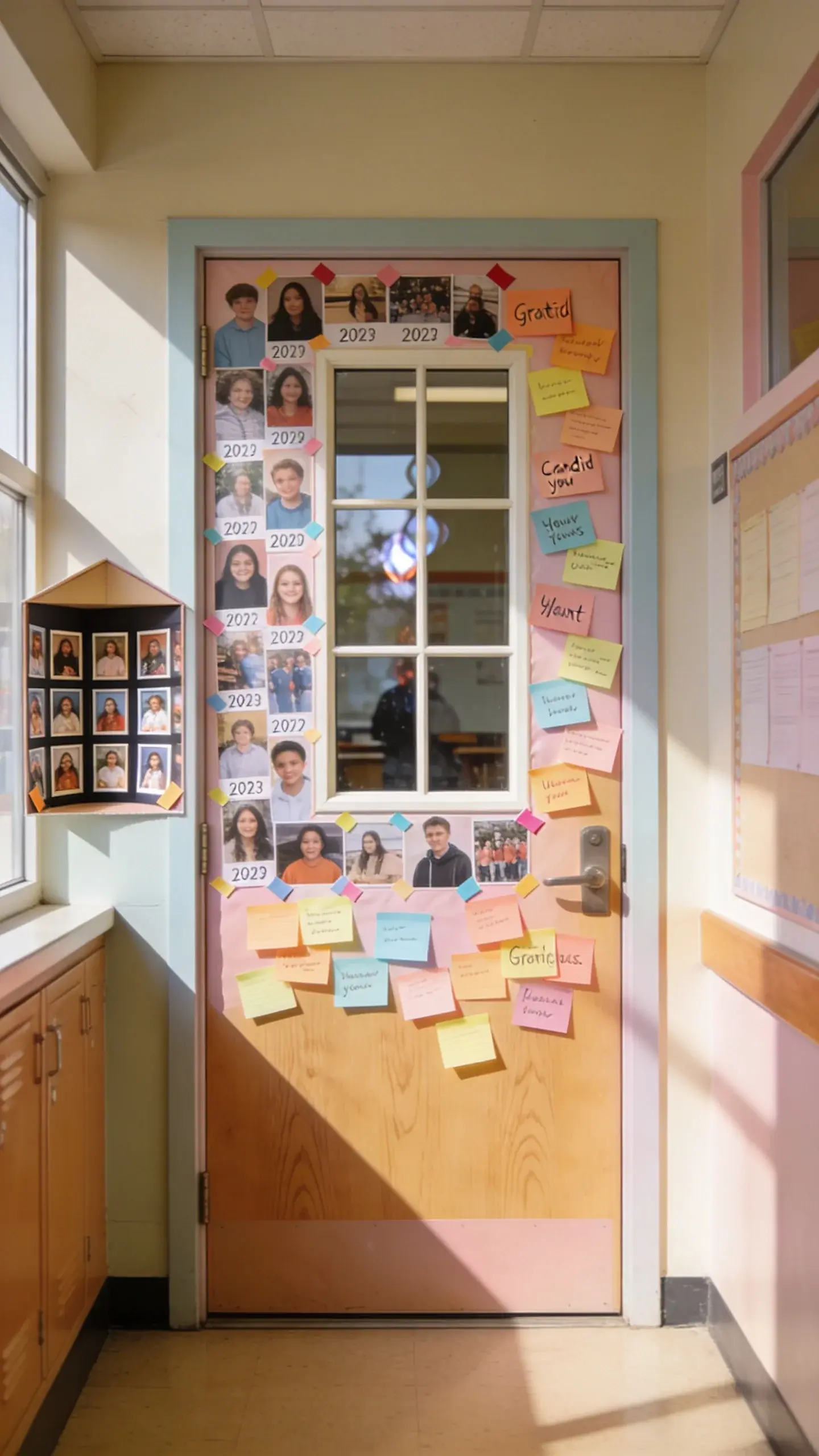
12. Door Gallery of Gratitude
 Save
SaveEnd the list with a door that radiates positivity. A gratitude gallery helps students reflect on what they appreciate in school and in each other.
What to Feature:
- Post-it notes where students write one thing they’re thankful for
- Photo corners featuring moments from the year
- A rotating “Gratitude of the Week” spotlight
Why it works: it builds a warm classroom culture and gives you a visual reminder of the good things happening every day.
Ready to transform your door? Pick one that fits your current unit, or mix a few to create a vibrant spring corridor of ideas. Trust me, neighbors will stop and stare—then start asking how you pulled it off (and how they can borrow your sparkle).
Conclusion: Have fun with these ideas, experiment, and watch engagement bloom. Your door will become the classroom’s happiest welcoming committee, and you’ll love the instant mood boost it gives to you and your students.