
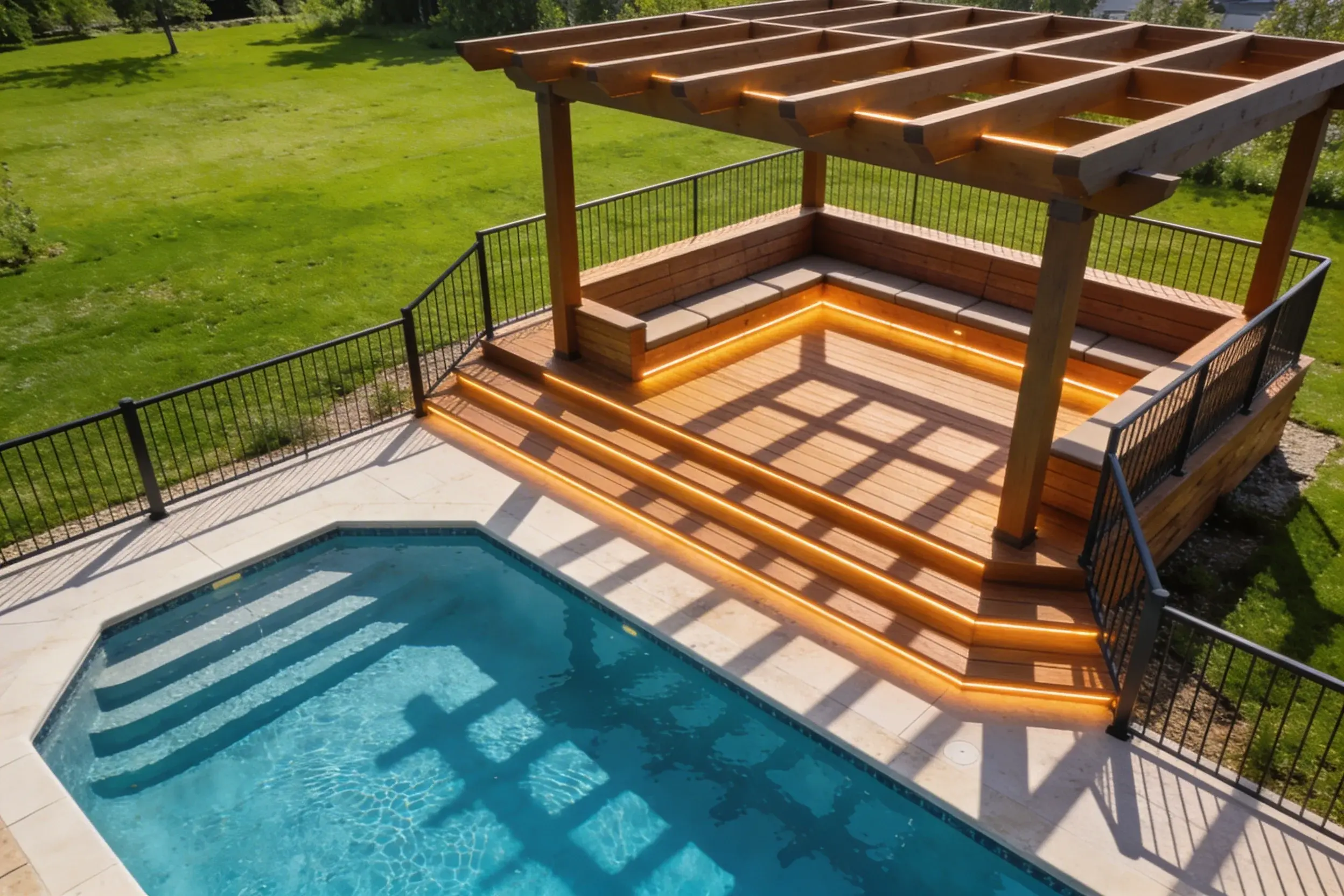
The moment your eyes land on that sunny backyard and a gleaming above-ground pool, you’ll wonder: how much is this going to cost me when I add a deck? Short answer: it varies a lot. But you’ll walk away with a solid ballpark and a plan you can actually use. Let’s break down the dollars without turning this into a math lecture.
What a deck around an above-ground pool actually entails
If you’re picturing a simple platform, think bigger. A proper pool deck not only looks good but also supports weight, meets safety rules, and survives sun, rain, and neighborhood BBQs. You’ll typically factor in framing, decking material, stairs, railing, and finishing touches like lighting or a pergola. FYI, “good enough” won’t cut it here—this is about maintaining safety and vibes for years.
How much you’ll pay on average
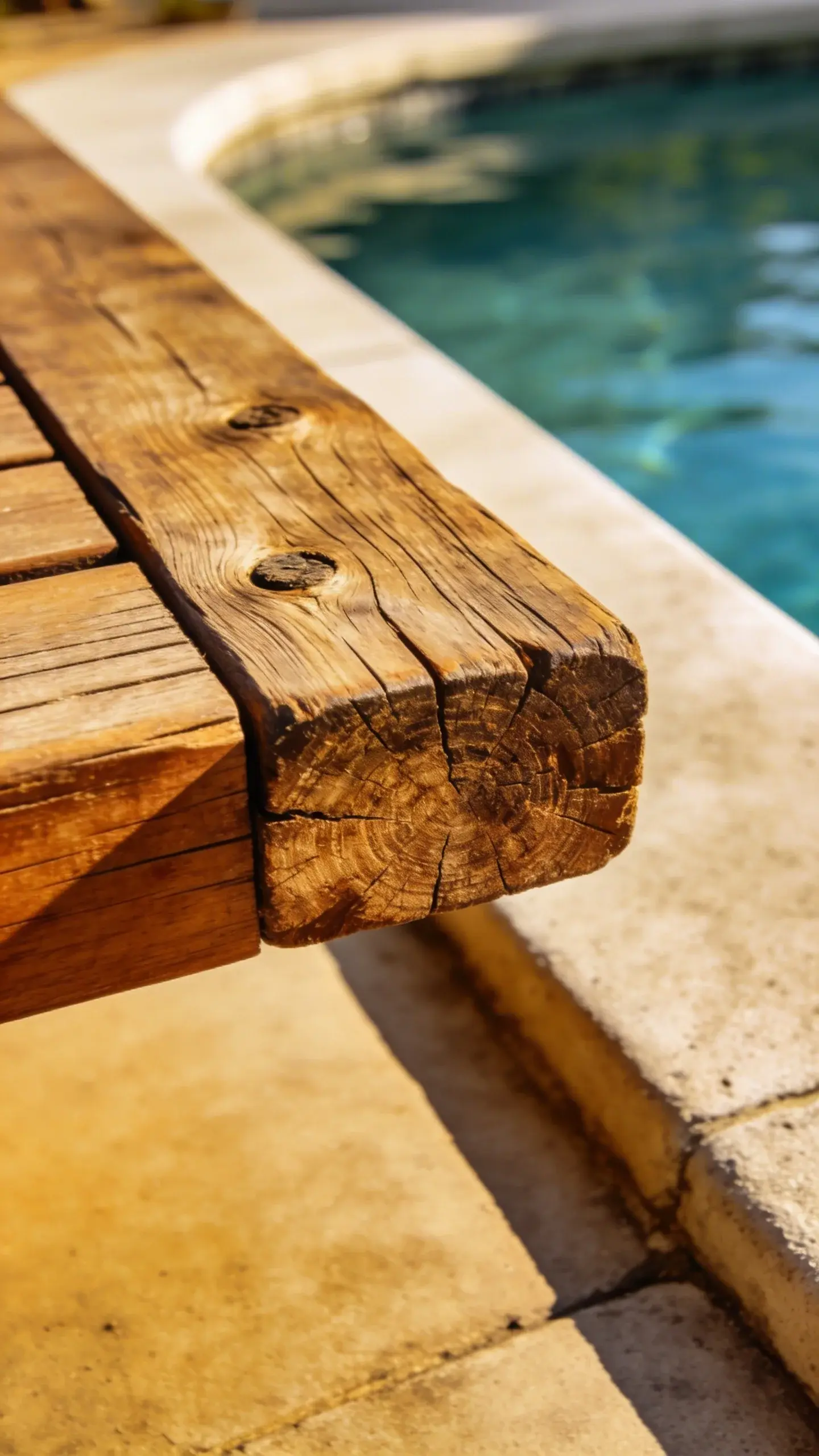
Here’s the quick reality check:
- Low end: around $2,500 to $4,000 for a small, basic platform with affordable materials.
- Mid-range: $4,000 to $8,000 for a larger deck with nicer boards, sturdy railing, and better anchoring.
- High end: $8,000 to $15,000 or more if you go premium with composite decking, custom design, and extras like built-in seating or lighting.
Why such a spread? Material choices, labor costs in your area, and how fancy you want to get with stairs, rails, and safety features all pile up. And yes, unexpected fixes can nudge the total, so plan a little cushion.
Material matters: what to choose and why it changes the price
Different materials drive the budget up or down. Here’s the quick compare-and-contrast:
Pressure-treated lumber
– Cheapest option. Feels rustic, paints well, and’s forgiving for DIY folks.
– Pros: lowest initial cost, easy to work with.
– Cons: not as long-lasting; needs maintenance and sealing.
– Expect to save upfront, pay a bit more in maintenance later.
Standard wood (cedar, spruce, or redwood)
– A step up in look and rot resistance.
– Pros: nicer grain, lighter maintenance than pressure-treated.
– Cons: can still warp if not sealed, price creep.
Composite or PVC decking
– Modern, low maintenance, usually hides dirt and stains nicely.
– Pros: no staining/sealing required, long lifespan.
– Cons: higher upfront cost, some heat retention in sun.
– Expect a noticeable bump in your budget, but fewer headaches year after year.
Railings and stairs: not an afterthought
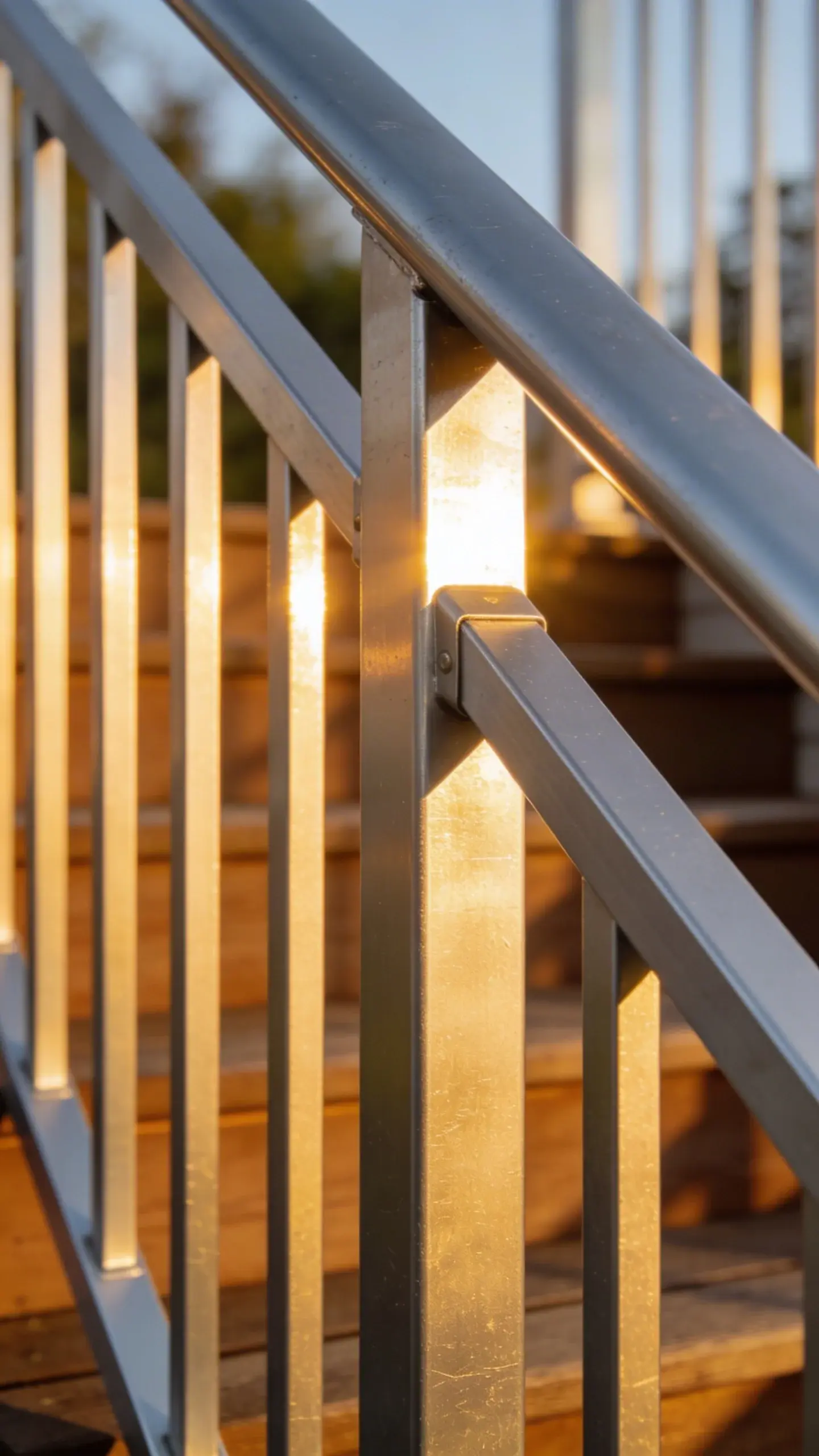
– Sturdy railings add safety and style but aren’t free.
– Materials range from pressure-treated wood to aluminum or glass—each with its own price tag.
– Remember: stairs aren’t just aesthetic; you’ll need proper codes and spacing.
Labor vs. DIY: how hands-on do you want to be?
DIY can save a chunk, but it also risks mistakes that bite back later. Here’s the trade-off:
– DIY pros: you control the schedule, you save on labor, you turn a weekend project into bragging rights.
– DIY cons: measuring mistakes, improper anchoring, or ventilation problems can lead to bigger costs down the line.
If you’re handy, plan for 20–40 hours of work for a mid-sized deck. If you’re not, expect to pay a professional crew who can crank it out faster and with fewer headaches. Either way, get a few written quotes and ask for a breakdown—materials, labor, permits, and contingencies.
Permits, codes, and safety: the boring-but-important stuff
Permits aren’t optional in many places. They ensure decks are safe and built to code, which is essential when a pool is involved. Fence height, railing spacing, stairs, and emergency access all come under the eye of inspectors.
– Typical costs: permits can range from $100 to $1,000 depending on your municipality.
– Safety first: non-slip decking, sturdy railings, and compliant stairs aren’t just rules; they’re peace of mind.
– Don’t skip the inspection after you’re done. A quick pass can save you from expensive fixes later.
Extras that can swing the price
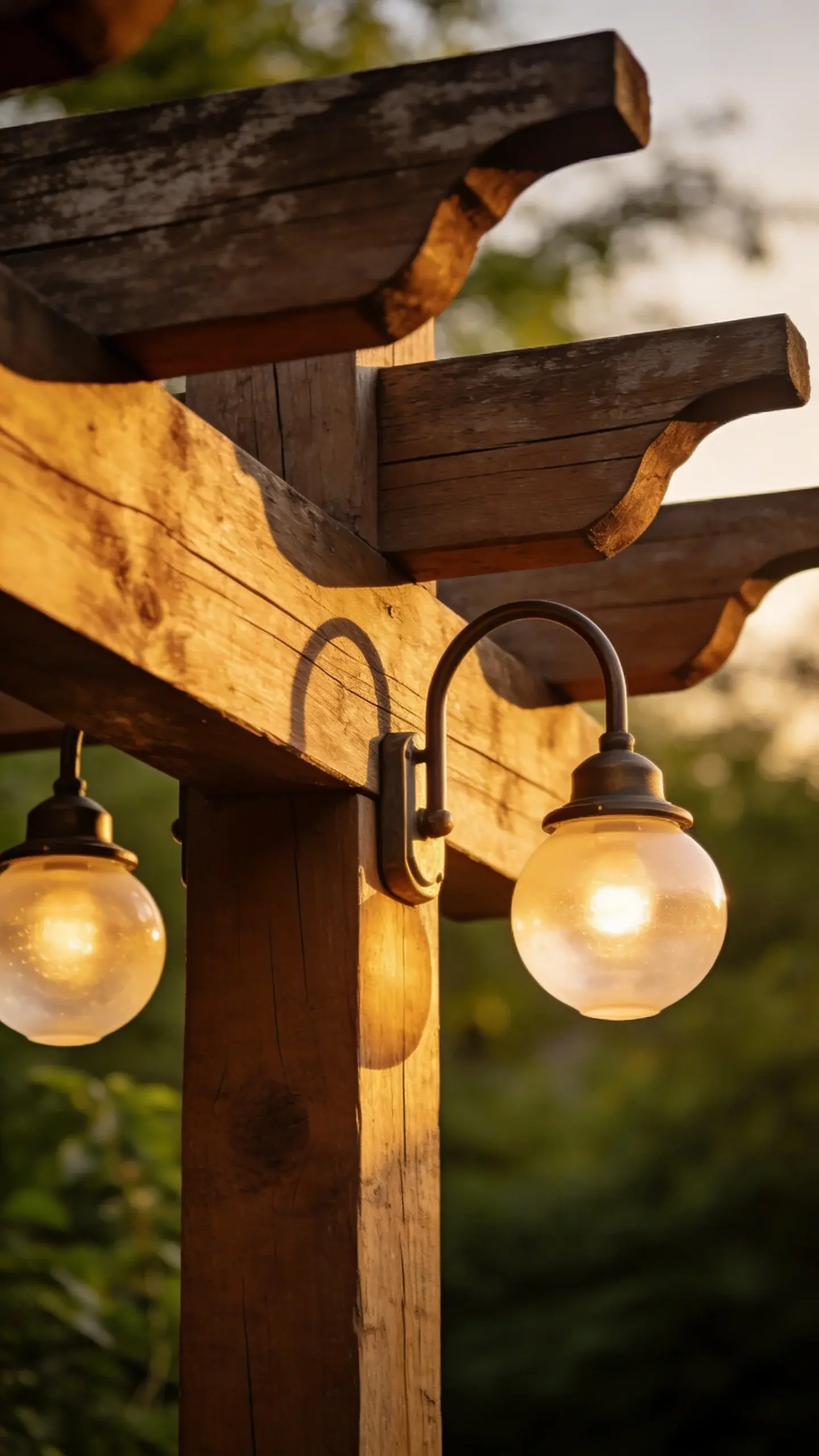
Some add-ons feel like salt in the wound, but they’re actually smart investments. Consider these:
- Built-in seating or benches integrated into the deck
- Shade structures like pergolas or lattice covers
- Lighting for night-time swims or ambiance
- Hidden fasteners or premium finishing for a clean look
- Underdeck drainage or moisture management to prevent water issues
If you think you’ll use the deck a lot at night or year-round, lighting pays for itself in usability. If you want a “wow” factor, go with a pergola or composite boards that stay pretty with minimal upkeep.
Maintenance costs: what to expect after the build
Your deck isn’t a one-and-done purchase. Maintenance can sneak into yearly budgets.
– Wood decks: expect staining, sealing, or painting every 2–5 years. Factor in the cost of stain/sealant and your time.
– Composite decks: lower maintenance but occasional cleaning and occasional screw tightening if you’re in a windy region.
– Cleaning routine: power washing sparingly to avoid damage, especially on wood.
– Long-term: plan for refinishing or replacing boards if life gets rough.
If you want “set it and forget it” vibes, composites and frequent reinforcements help, but they’re pricier up front.
Real-world planning: a simple checklist you can actually use
Use this quick checklist to move from “dream deck” to “installed deck”:
- Define the deck footprint around your pool (size matters for code and access).
- Decide on materials and a rough budget range.
- Get at least three quotes with itemized line items.
- Check permit requirements and HOA rules if applicable.
- Plan for safety: railing height, non-slip surfaces, and proper drainage.
- Schedule a contingency fund (10–20%) for surprises.
Question for yourself: are you prioritizing speed, looks, or longevity? Answer, and the numbers start making sense.
FAQ
How long does it typically take to install an above-ground pool deck?
Most mid-sized decks go up in a few days to a week with a pro crew. DIY can stretch longer depending on your skill and how many detours your yard throws at you.
Do I really need a permit for a pool deck?
Yeah, usually. Permits cover safety and structural concerns. They add a little time and money, but skipping them is a bigger risk than a few extra days of waiting.
What’s the best material for a low-maintenance deck around a pool?
Composite or PVC decking tends to require the least ongoing upkeep. If you love natural wood, cedar or redwood look great but need more upkeep.
How much can I save by DIYing the deck?
You can shave a chunk off the bill, typically 20–50% on labor. Only attempt if you’re confident in framing, leveling, and safety. Otherwise, the cost of corrections can erase the savings.
Are there safety features I should not skip?
Absolutely. Proper railings, gates with self-latching hardware, non-slip surfaces, and proper clearance from the pool edge are non-negotiables. It’s not just about compliance; it’s about keeping everyone safe.
Conclusion
Wrapping it up: your deck, your decision
Bottom line: installing an above-ground pool deck ranges from roughly $2,500 up to $15,000 or more, depending on materials, labor, and how fancy you want to get. If you’re chasing a quick, budget-friendly setup, pressure-treated lumber with a simple railing can be doable in the low thousands. If you want a resort vibe with low maintenance, budget higher for composites, built-in seating, and proper lighting.
So what’s the best move? Start with a realistic footprint around the pool, pick your material vibe, and gather a few bids that break down the costs clearly. FYI, don’t chase the cheapest quote just to save a few bucks if it means cutting corners on safety or structural integrity. Your future pool parties will thank you.
If you want, tell me your yard size, material preferences, and whether you prefer DIY or pro installation. I’ll sketch out a rough budget and a few layout ideas you can take straight to a contractor.