
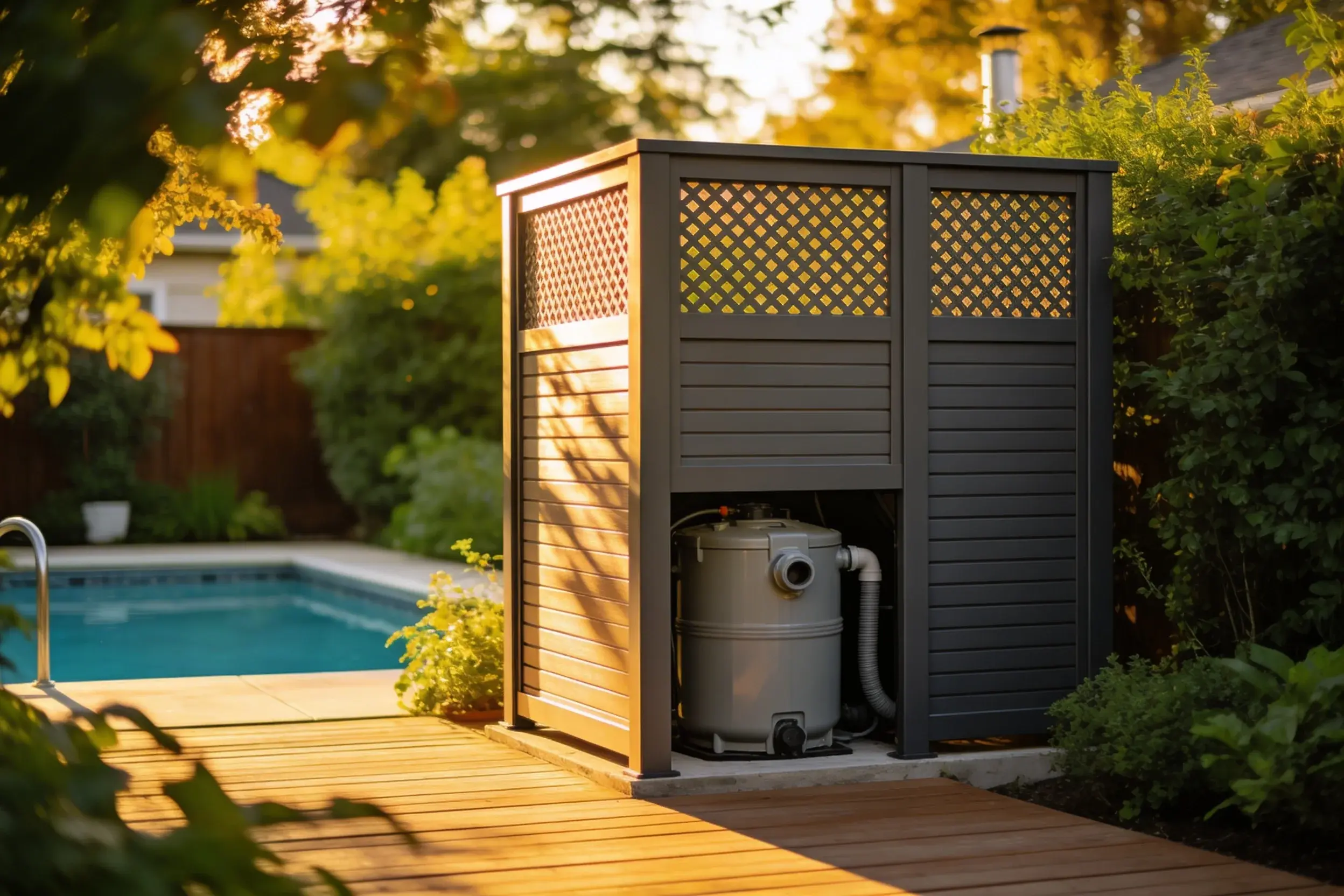
The pool is in place, the sun is shining, and you’re staring at that pump like it’s auditioning for a role in a spy movie. You want it hidden, not pitifully hidden, just neatly tucked away where guests can’t trip over it or stare at the weirdly loud box every time you host a barbecue. Good news: you can hide an above-ground pool pump without turning your yard into a secret bunker. Let’s make it look intentional, not suspicious.
1) Plan the camouflage: assess, measure, and brainstorm
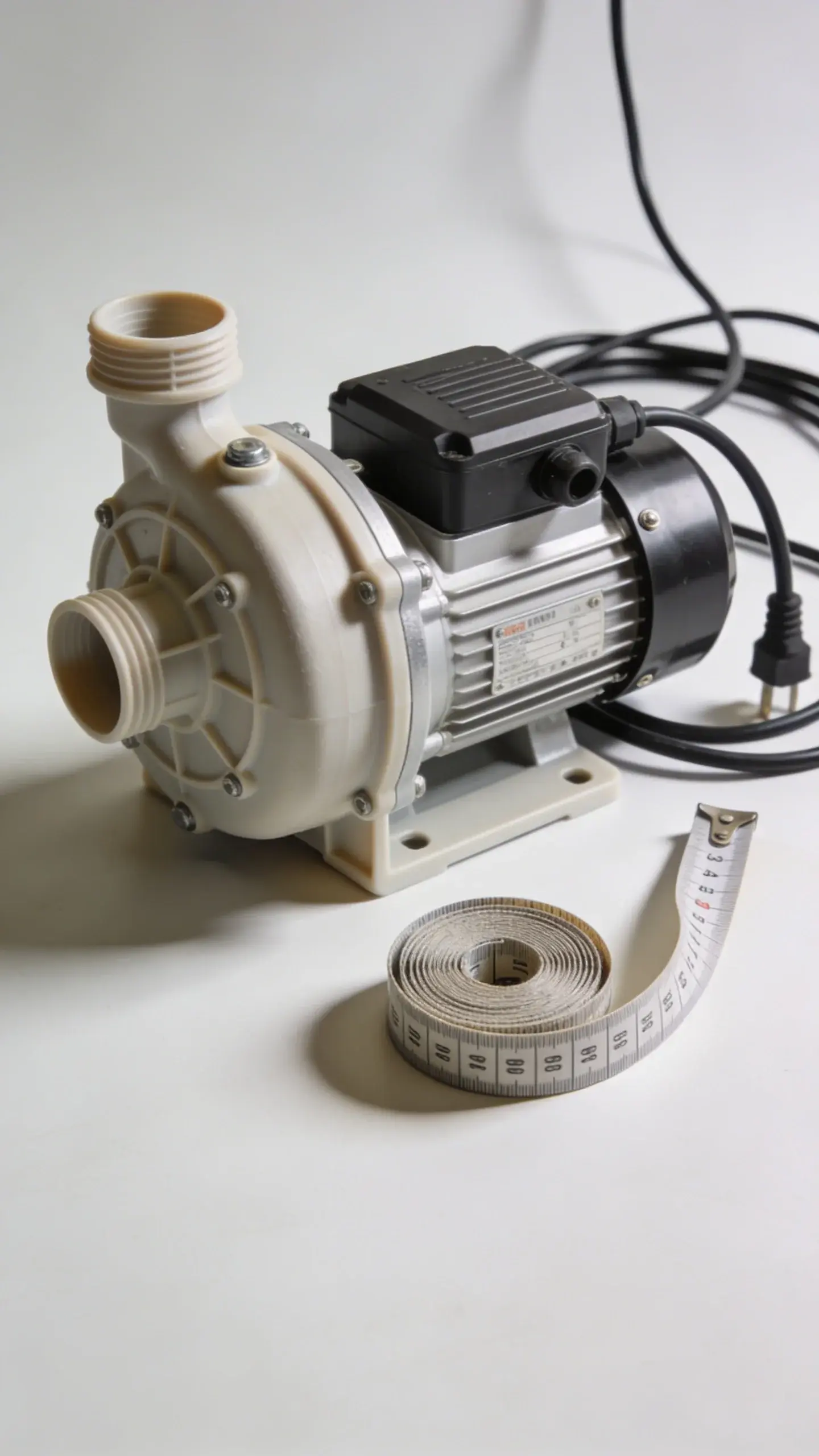
Before you grab a saw or a shed, do a quick reality check. You don’t want to obstruct airflow or access for maintenance. Pumps aren’t shy about needing a quick inspection or a hose swap.
– Measure the pump and all the cords and hoses. Know how much space you actually need.
– Note noise and heat vents. You don’t want to trap sound or heat where it can bounce back into your living room.
– Decide on a style: modern lattice, rustic shed, or a simple vinyl screen that blends with your deck.
Ask yourself: Do you want a full enclosure or just a screen that hides the bulk of the equipment? The answer usually comes down to how much you care about maintenance accessibility and the look you’re after.
2) Enclosures that look natural (without becoming a fortress)
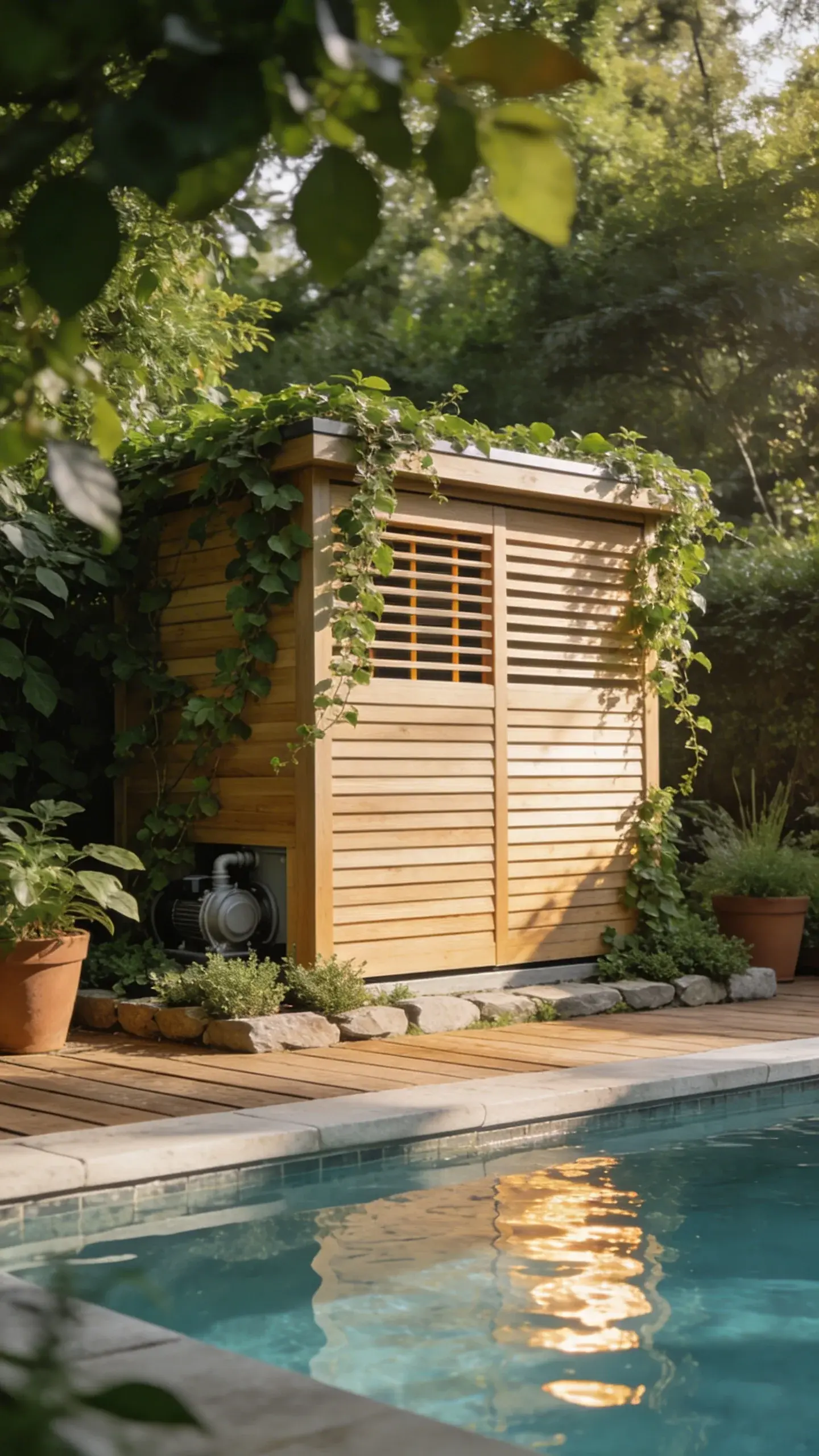
Hide the pump behind something that feels intentional, not like you’re hiding a contraband item. Here are practical options that actually work:
H3.1 Freestanding privacy screen
– Lightweight, easy to remove for service calls.
– Stackable panels let you adjust width as your setup changes.
– Paint or stain to match your deck or fence.
H3.2 Ventilated enclosure
– Keeps air flowing so the pump doesn’t overheat.
– Use slatted panels or lattice to let heat escape and the box breathe.
– Include a small access panel for quick maintenance.
H3.3 Utility shed (small but stylish)
– If you already have a shed, this can tuck the pump away with room to spare.
– Opt for a vented door and a rubber mat inside to reduce vibration.
– Aluminum or vinyl siding resists weather and is easy to clean.
H3.4 Deck- or fence-mounted cabinet
– Mount a weatherproof cabinet on or near your pool deck.
– Keeps the pump at a comfortable height for service.
– Looks sleek if you pick a color that matches your fence or trim.
3) Creative concealment ideas that also pass the “care and access” test
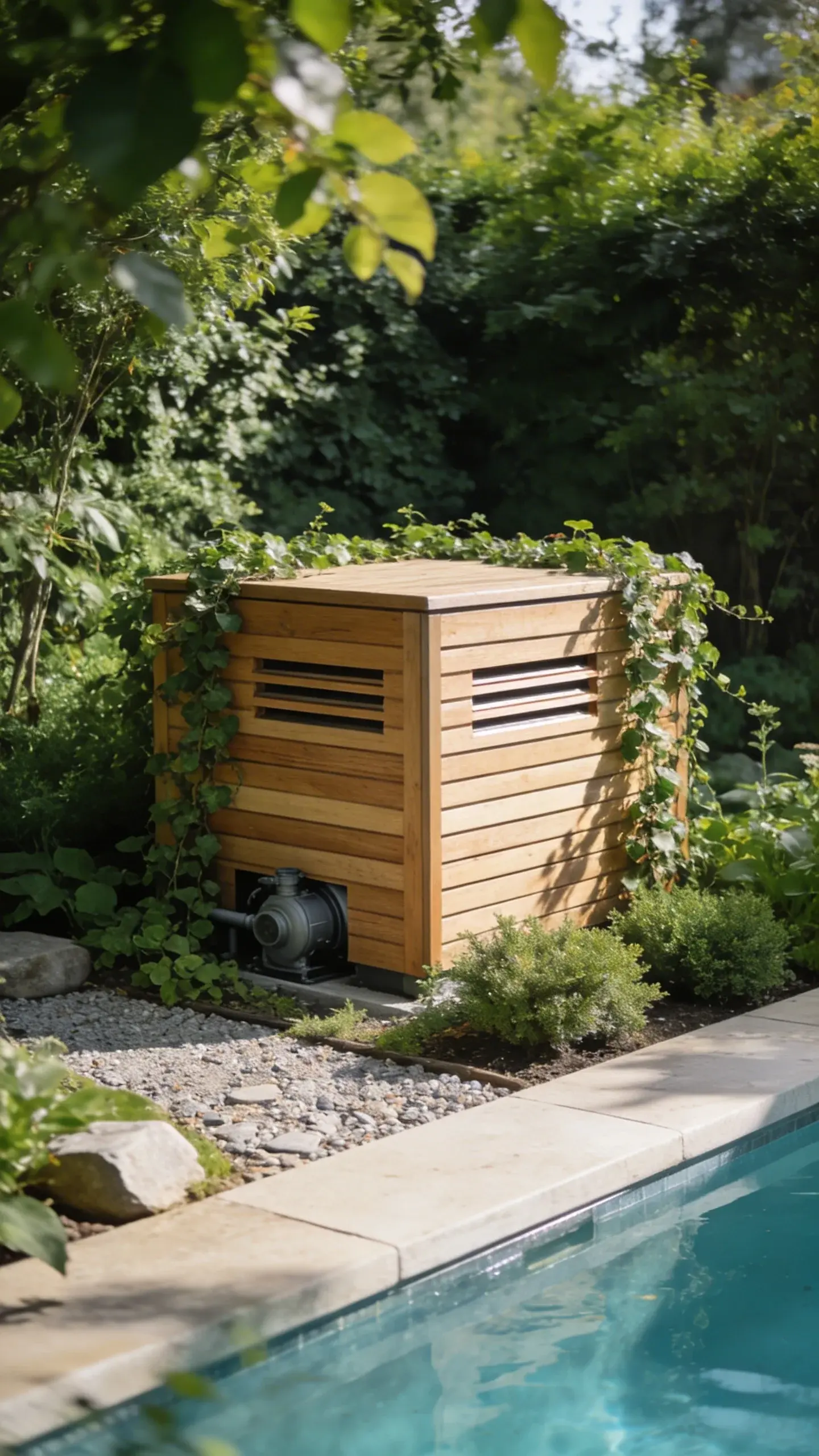
You don’t have to go full fortress mode. Subtle concealment can be stylish and practical.
– Plants with a purpose: Tall grasses or bamboo create a living screen. FYI, pick non-invasive varieties and ensure you can still reach the pump door.
– Trellis with planters: A trellis wall with climbing vines can hide the unit while letting airflow flow through.
– Decorative boxes with vents: Think outdoor storage chests that include vent slats. They hide the uglies but don’t suffocate the machine.
– A faux wall: A simple half-wall with a cap rail can break up lines and keep the pump out of sight.
Tip: Keep at least one panel removable for a quick service window. You don’t want to fight a jigsaw puzzle every time you need to tweak a valve.
4) Sound and heat management: not just “look good” is a thing
Hidden is great, but quiet and cool is better. You don’t want your pump to scream at your neighbors or overheat in the sun.
– Sound dampening: Add a rubber mat under the pump or use anti-vibration pads. It reduces vibration and muting the “whrrr” from the unit.
– Ventilation: Ensure there’s at least 1-2 inches of clearance on all sides for airflow. Slatted or lattice panels help without muffling heat release.
– Shade strategy: If you can’t avoid sun, place the enclosure so it gets morning sun and afternoon shade, or provide a shade fabric over the top to reduce heat buildup.
Ask yourself: Is this enclosure easier to service than a plain metal box? If the answer is no, rethink the design.
5) Practical access: maintenance and safety first
No hiding job is worth it if you can’t reach the pump. Make maintenance a breeze, not a scavenger hunt.
– Front doors or hinged panels: Choose designs with easy-release latches or magnetic catches for quick access.
– Removable panels: Use panels that slide out or hinge away. It saves time during filter changes or equipment checks.
– Clear labeling: Mark water flow lines, valve positions, and electrical shutoffs so anyone can handle a quick tweak without a scavenger-hunt map.
– Safety first: Ensure the enclosure is weatherproof and keeps the electrical components dry. GFCI outlets, weather seals, and strain relief for cords matter.
If you’re worried about kids or pets, add a simple lock or childproof latch. It’s boring but smart.
6) Materials, costs, and DIY tips to keep you sane
Let’s break down practical choices and roughly what you might spend.
– Lumber and lattice: Budget-friendly and flexible. You can upcycle pallets if you’re feeling crafty.
– PVC panels: Light, inexpensive, and easy to clean. Great for a simple, clean look.
– Metal cabinet: More durable and weather-resistant, but a bit pricier and heavier to install.
– Concrete or brick base: Adds stability and a more permanent look, but requires more effort and planning.
DIY vs pro: If you’re comfortable with basic carpentry, you can assemble a freestanding screen in a weekend. If you’re juggling tools, weather, and electricals, a pro can save you headaches and ensure proper ventilation and clearance.
Quick checklist to avoid DIY disasters:
– Verify all electrical connections are accessible and dry.
– Leave enough space for hoses and wiring to move during seasonal changes.
– Seal any gaps to reduce pests and moisture but avoid sealing in heat.
7) Real-world setups: sample configurations you can copy or adapt
– Minimal and modern: A slim vinyl screen with a lattice top that blends with a white fence. The pump sits behind the screen with a small vented cabinet.
– Rustic and cozy: A wooden lattice screen with planters on either side, complemented by soft lighting for evening dips.
– High-tech hideaway: A metal cabinet with gasket seals and a discreet vent grill, paired with a smart-outlet controller for easy on/off and maintenance reminders.
The key is to tailor the look to your yard and your tolerance for maintenance. IMO, a well-designed enclosure should feel like a feature, not a hack job.
FAQ
Is it legal to cover a pool pump?
Yes, as long as the enclosure allows for proper ventilation, access, and complies with local codes. Check your HOA guidelines if you have one.
Will covering the pump cause it to overheat?
If you provide adequate airflow and space, no. Choose ventilated designs and avoid snug, non-vented boxes. Regular checks help catch overheating before it becomes a problem.
How much should I budget for hiding the pump?
Expect to spend anywhere from $100 to $600+ depending on materials and complexity. A simple screen is cheap; a custom cabinet or shed-grade enclosure climbs in price but looks premium and lasts longer.
Can I use plants to hide the pump?
Yes, but use potted plants with sturdy, non-spreading roots and make sure you can move them if maintenance is needed. Also consider sun exposure; you don’t want wilting foliage around a hot motor.
What maintenance access do I need to keep?
Keep a clear panel or door that opens fully, label valves and power switches, and leave a small buffer of space around hoses and cables. Schedule quarterly checks to keep everything clean and unobstructed.
4 more quick practical tips:
– Use weatherproof fasteners and corrosion-resistant screws to keep things looking sharp.
– Add a small outdoor rug or mat under the enclosure to catch drips and keep the area tidy.
– Consider lighting near the enclosure so you can service it after sunset without feeling like you’re in a secret lair.
– Don’t forget to plan for seasonal adjustments; you may need to re-vent or re-configure if you add new equipment or a larger pump in the future.
Conclusion
Hiding an above-ground pool pump is mostly about design intent and thoughtful airflow. You can combine style with function, creating a setup that looks intentional rather than slapped together in a hurry. With a little planning, a dash of DIY spirit, and a smidge of humor, your pump becomes a background character that still does its job reliably.
If you want, tell me your yard layout and budget, and I’ll sketch a couple of concrete enclosure plans you can actually build this weekend. FYI, you’ll be the hero of outdoor lounging without sacrificing access or airflow.