
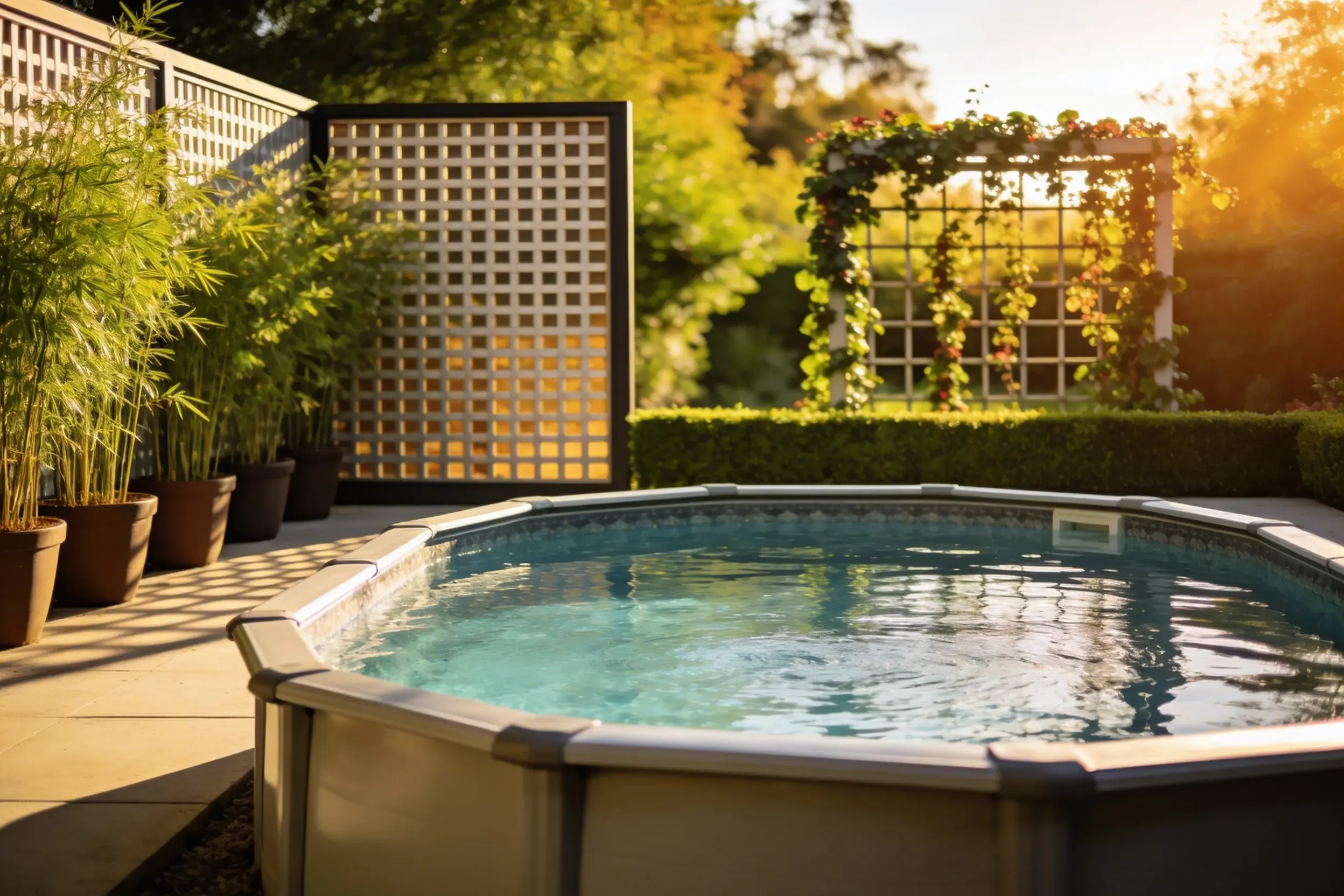
It sounds like you’ve got an above-ground pool that’s more than just a backyard feature—it’s a chance to create a little oasis. Let’s keep things simple, stylish, and a touch cheeky. You’ll end up with a landscape that invites lounging, gatherings, and zero drama every time you step outside.
Know Your Space Before You Dig In
You don’t plant a tree in the middle of a traffic jam, right? Start with a quick map of your pool and its surroundings. Measure the footprint, figure out sun paths, and note any drainage quirks. This step saves you from knee-deep bummer moments when you realize you planted the perfect hedge… but it blocks the heater or shade from the wrong side.
– List your pool’s dimensions and the deck area you’ll keep open.
– Mark any utility lines or sprinkler heads (FYI, you don’t want to hit those).
– Sketch a rough zones plan: lounging, screening, play space, and plantings.
If you’re short on space, think vertical. A trellis with climbing plants or a row of narrow evergreen shrubs can give privacy without stealing precious deck real estate.
Privacy, Shade, and Screening: Your Best Friends
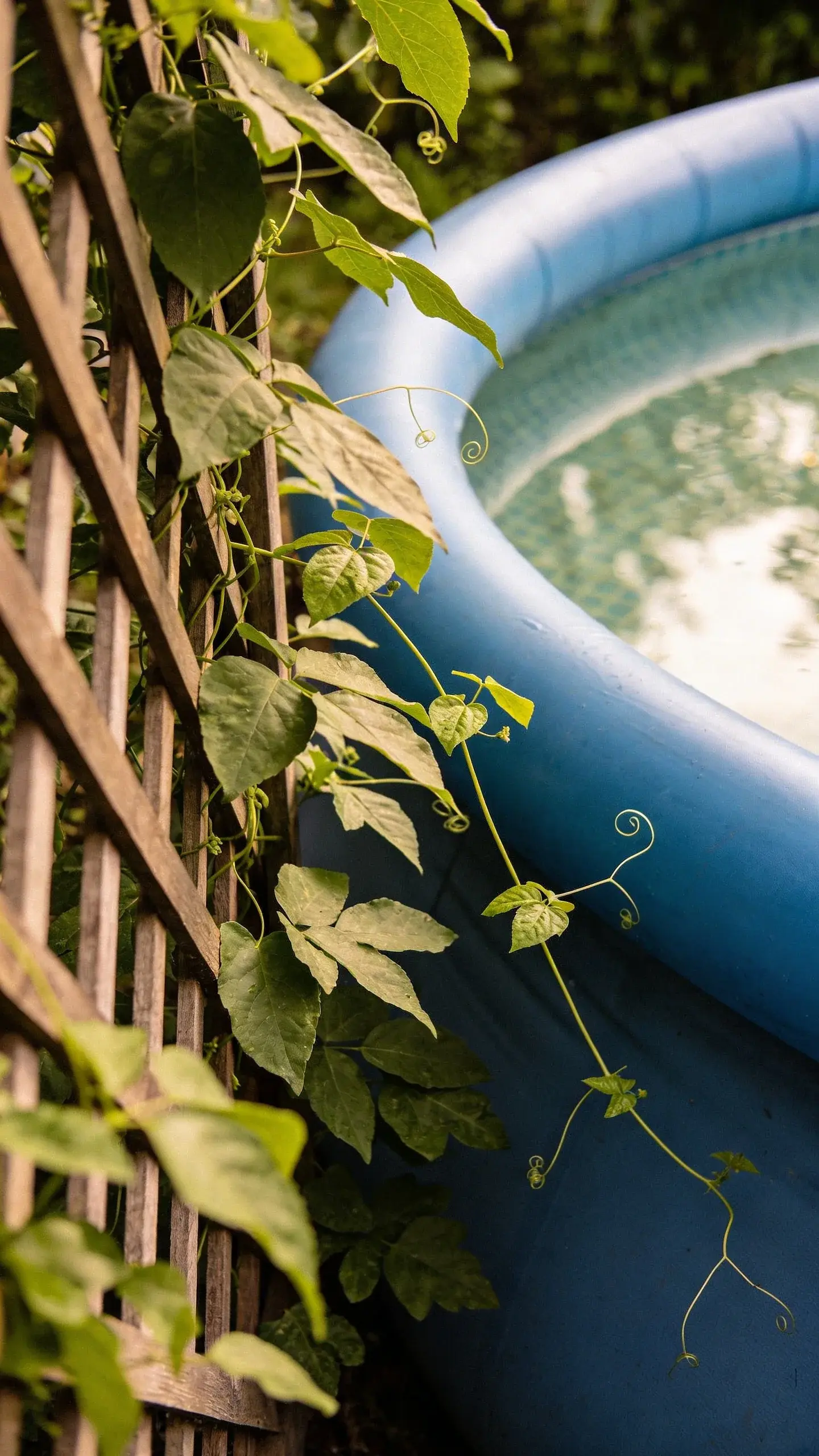
Above-ground pools invite a quick dip, not a neighborly stare-down. Screening is your best defense against eyes and sun glare, and it can look intentional instead of random chaos.
– Start with a boundary hedge or tall grasses on the outer edge.
– Add a lightweight screen—lattice panels, bamboo screens, or movable planters on wheels.
– Use shade trees or tall palms (if you’re in a warm climate) to soften the sightline.
Layered Planting for Depth
Think in layers, not a flat field of boring green. Groundcover keeps weeds in check and reduces mowing fatigue.
– Groundcover: creeping thyme, mondo grass, or sweet woodruff.
– Mid-layer: ornamental grasses or small perennials like lavender or salvia.
– Tall back: a row of boxwoods, arborvitae, or bamboo (if you’re into it and it stays contained).
This trio creates a natural fence that feels intentional, not an afterthought.
Softening Lines: Deck, Fence, and Plant Edges
The goal isn’t to hide the pool entirely but to blend it with the landscape so it feels like a planned feature. Clean lines help, but a touch of whimsy keeps things friendly.
– Use edging to separate the pool area from plant beds. Think low, wide stone, or timber borders.
– Consider a narrow gravel path that guides guests from the gate to the lounge chairs.
– Add a few colorful pots at eye level for bursts of joy without major commitment.
Materials That Play Well Together
Keep a cohesive look by sticking to a small palette of materials.
– Natural stone or composite decking for a unified base.
– Wooden accents (cedar or teak) to warm up the vibe.
– A pop of metal like slim planters in black or bronze for a modern touch.
Pro tip: Choose colors that echo your house trim or the pool’s rim for a pulled-together feel.
Low-Maintenance Plant Picks for Above-Ground Pools
You want a gorgeous landscape without turning your weekends into a weeding vigil. Here are picks that stay neat, look killer, and don’t demand a green thumb.
– Coastal grasses (think switchgrass or miscanthus) for texture and motion.
– Drought-tolerant perennials like agastache, salvia, and echinacea.
– Compact evergreens or holly for year-round structure.
– Edible herbs in pots—fun, fragrant, and practical.
FYI: Choose plants with non-spiky leaves if kids will play nearby. You don’t want a dramatic trim mid-swim.
Zone-by-Zone Design Sketch: Quick Blueprint
If you’re more into sketches than novels, here’s a simple way to map it out.
– Zone A (pool edge): a slim strip of non-slip ground cover or a paver path that doubles as a safe transition.
– Zone B (lounge): a couple of comfy chairs, a side table, maybe a small fire pit if local codes allow.
– Zone C (screening/greenery): one to three layered plant screens.
– Zone D (service area): storage for pool gear, outdoor shower if you’ve got space, and a water-wise herb bed.
- Draw the pool shape and deck area.
- Add plant beds as irregular blobs to soften straight lines.
- Note sightlines from typical seating spots to the rest of the yard.
Get The Right Distances
Keep pathways wide enough for a chair to pass and for quick swimsuit adjustments. A common-sense rule: at least 2 feet of clearance around the pool, expanding to 4 feet if you plan to add a seating wall or a grill station.
Maintenance Real Talk: Keeping It Pretty Without Burning Out
A beautiful landscape around an above-ground pool should enhance your oasis, not demand a full-time gig.
– Mulch generously to cut down on weeds and keep moisture steady.
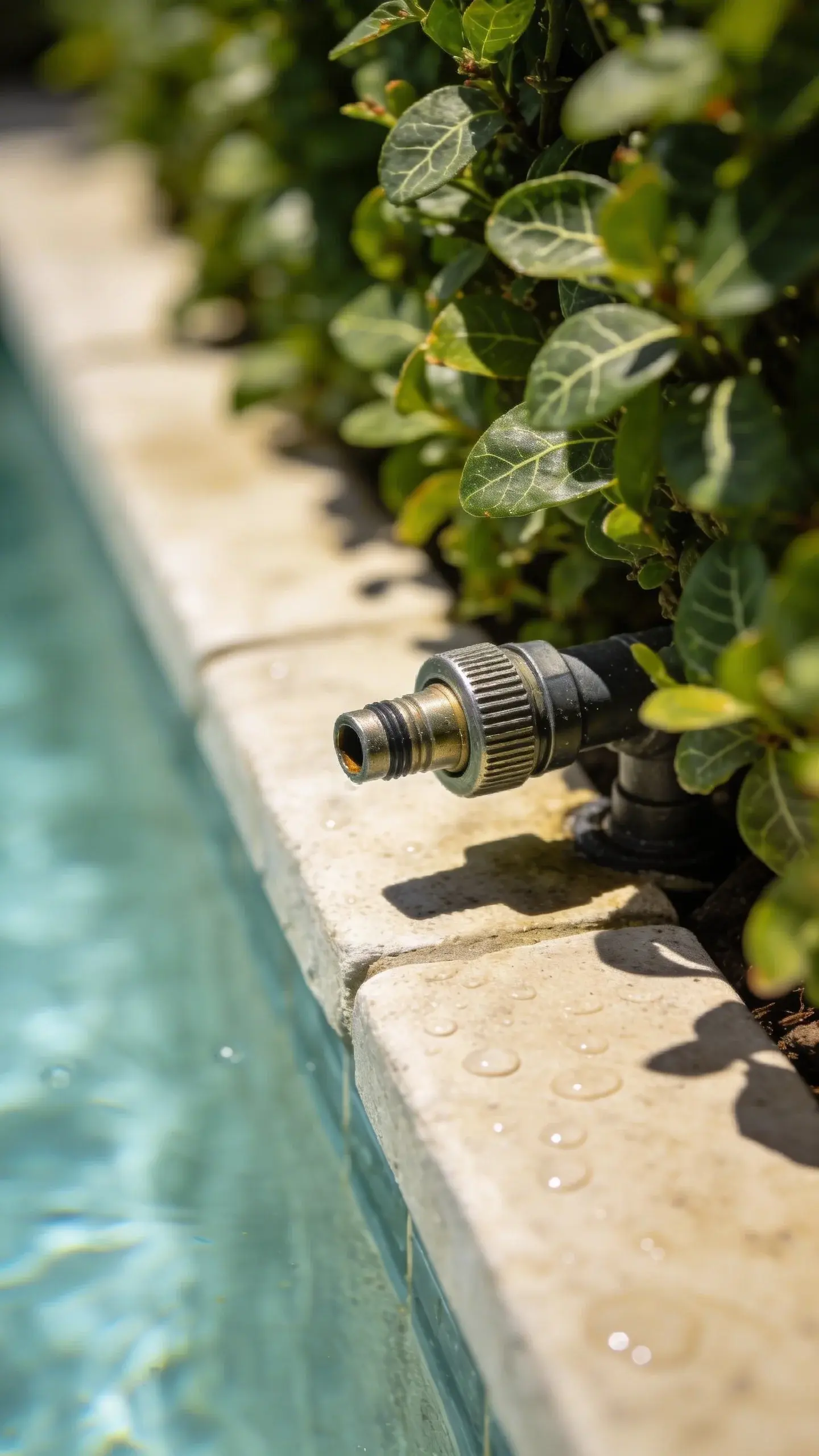
– Drip irrigation or a simple soaker hose saves water and time.
– Choose perennials over annuals where possible to minimize replanting.
Common mistake to avoid: Placing high-water-needs plants directly next to the pool’s water splash zone. You’ll spend more time cleaning leaf litter and debris than you bargained for.
Smart Irrigation and Cleanup
– Install a simple timer to water early in the morning.
– Use a leaf blower or a soft broom to keep the deck clear after storms.
– Consider a pool-friendly outdoor vacuum or a slip-on brush for quick deck cleanups.
Safety, Legal, and Practicalities You Shouldn’t Ignore
We’re building a social space here, but safety comes first. Above-ground pools have specific clearances and codes in many places.
– Check local fence height requirements and gate latching rules.
– Keep a non-slip surface on the pool deck; no one wants a high-speed slide to the water.
– If your pool uses a shared fence with neighbors, consider privacy screens that don’t obstruct access or violate rules.
Lighting and Atmosphere: Nighttime Vibes3>
A pool is life at dusk. Add lighting that’s functional but also moody.
– Solar path lights along the deck, pointing toward the pool.
– Low-voltage LED strips under the deck edge for a subtle glow.
– A few string lights or lanterns for a party-ready feel.
FAQ
How close should plants be to an above-ground pool?
Keep plants at least 3 to 6 feet away from the pool edge to prevent debris falling in and to allow for easy maintenance. If you have aggressive rooters like bamboo, plant them even farther away or use a root barrier.
What are the best plants for privacy without blocking too much light?
Choose plants that are tall but not overwhelming, such as dwarf conifers, boxwoods, or fastigiate holly. Ground-hugging options like creeping thyme or vinca can fill space without shading the pool area too much.
Can I install a screen or fence around an above-ground pool?
Yes, and it’s often a smart idea for safety and privacy. You can use removable screens, lattice panels, or a lightweight wooden fence that doesn’t require a major remodel. Check local codes for fence height and latching requirements.
How do I keep leaves and debris out of the pool?
Use a combination of a leaf-catching net, a skimmer basket, and a screened planting bed to reduce debris. Position taller plants where wind usually blows debris away from the pool and clean the deck regularly.
What’s the easiest way to create a cohesive look fast?
Stick to a simple color palette for pots, furniture, and plant material. Pick two or three plant textures and repeat them around the space. The eye will do less work, and your brain will thank you.
Conclusion
So there you go—a game plan to landscape around your above-ground pool that looks intentional, feels relaxing, and doesn’t demand your entire weekend. Start with a quick map, pick a few layered plants for privacy, and keep the maintenance mantra simple. And hey, if you want a quick win, add a comfy chair, a soft light, and a drink within arm’s reach. You’ll thank yourself come Friday evening. Happy planting, and may your pool days be forever bright.