
Some links in this post are affiliate links. If you buy through one, I may earn a small commission at no extra cost to you. As an Amazon Associate I earn from qualifying purchases.
Imagine a garden that feels curated, like a boutique hotel retreat for your own outdoor space—plants thriving, beds neatly lit, and tools that disappear into the background yet empower every beautiful moment. You don’t need a treasure chest of gear to achieve that look. With a focused core, smart upgrades, and a calm routine, you can cultivate a space that’s both effortless and expensive-looking—without breaking the bank.
💡 Most of the products that pull these looks together live in my Amazon shop, organised by category if you’d rather browse than scroll.
[SHOP LINK]
1) The Essential Cutting Duo: Pruning Shears and Micro-Tip Precision
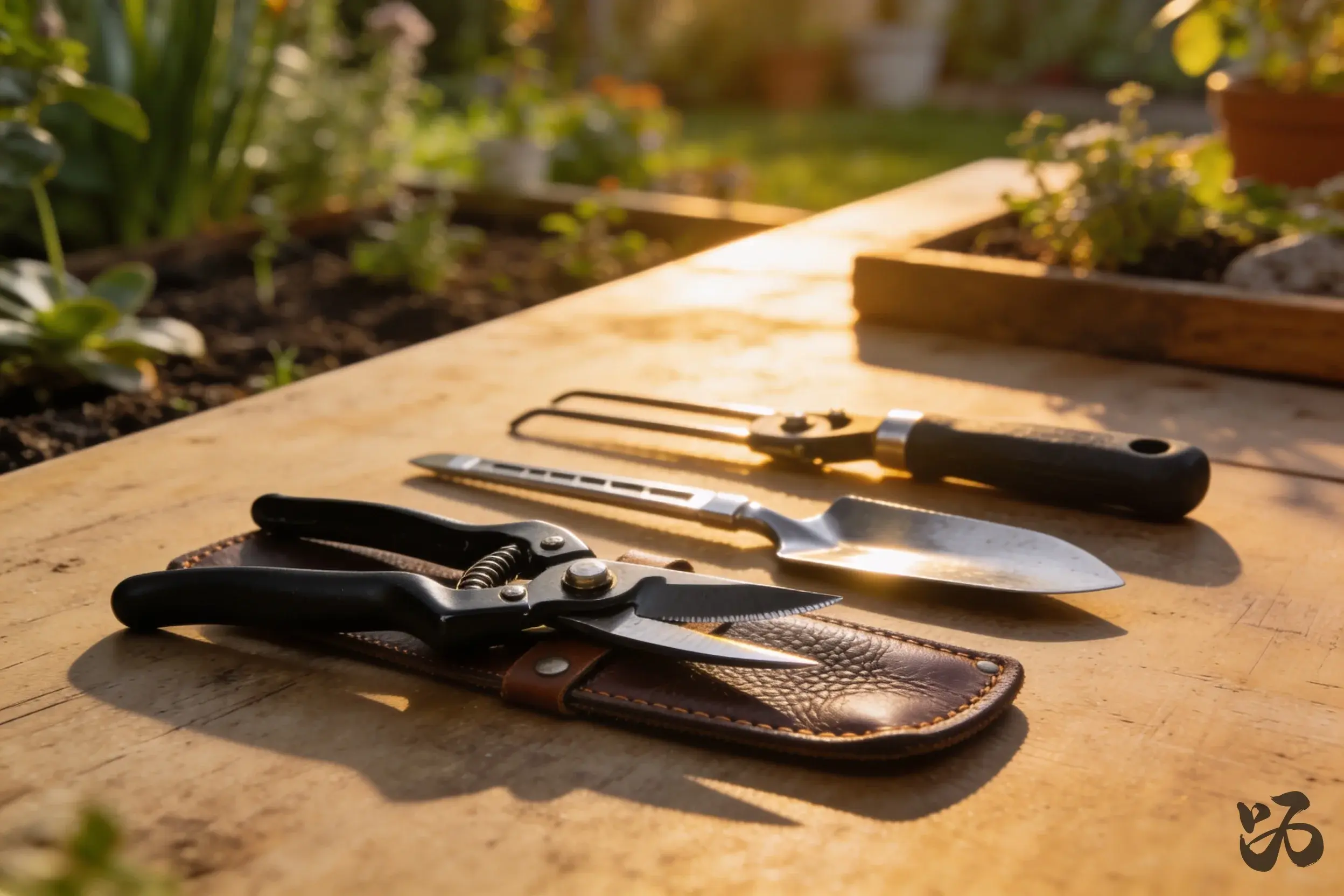
Every garden begins with clean cuts. A comfortable bypass pruning shear is the workhorse you’ll reach for daily, snipping stems and thinning growth with ease. The right grip matters—the tool should feel like an extension of your hand, not a burden to grip. For finer pruning—think cilantro florets or delicate herb tips—a micro-tip pruner slips in where the bigger shear can’t quite finesse the job. Together, these snips keep your plants tidy, encourage healthy shape, and reduce stress on the branches you care for most.
[PRODUCT BOX: Comfortable bypass pruning shear; micro-tip pruner for delicate pruning]
Get the look: matte black handles, softly contoured grips, and a compact carry sheath for quick access.
2) The Versatile Digging Tool: A Hori Hori-Style Trowel for Precision and Power
Next, a trowel that wears many hats: digging holes, releasing mulch from roots, and even trimming with a serrated edge when a plant needs to be moved or freed from crowded roots. A built-in depth gauge helps you plant exactly where you intend, ensuring consistent, healthy spacing. This is the tool that bridges the line between a starter garden and a thoughtfully engineered plot with pockets of depth, texture, and hand-finished care.
[PRODUCT BOX: Hori Hori-style trowel with serrated edge and depth gauge]
Shopping cue: a compact tool that handles planting, transplanting, and root work in tight spaces.

Free printable
No spam, just cozy home ideas now and then. Unsubscribe any time.
3) The Lifeblood of a Garden: A Simple, Hand-Held Watering Setup
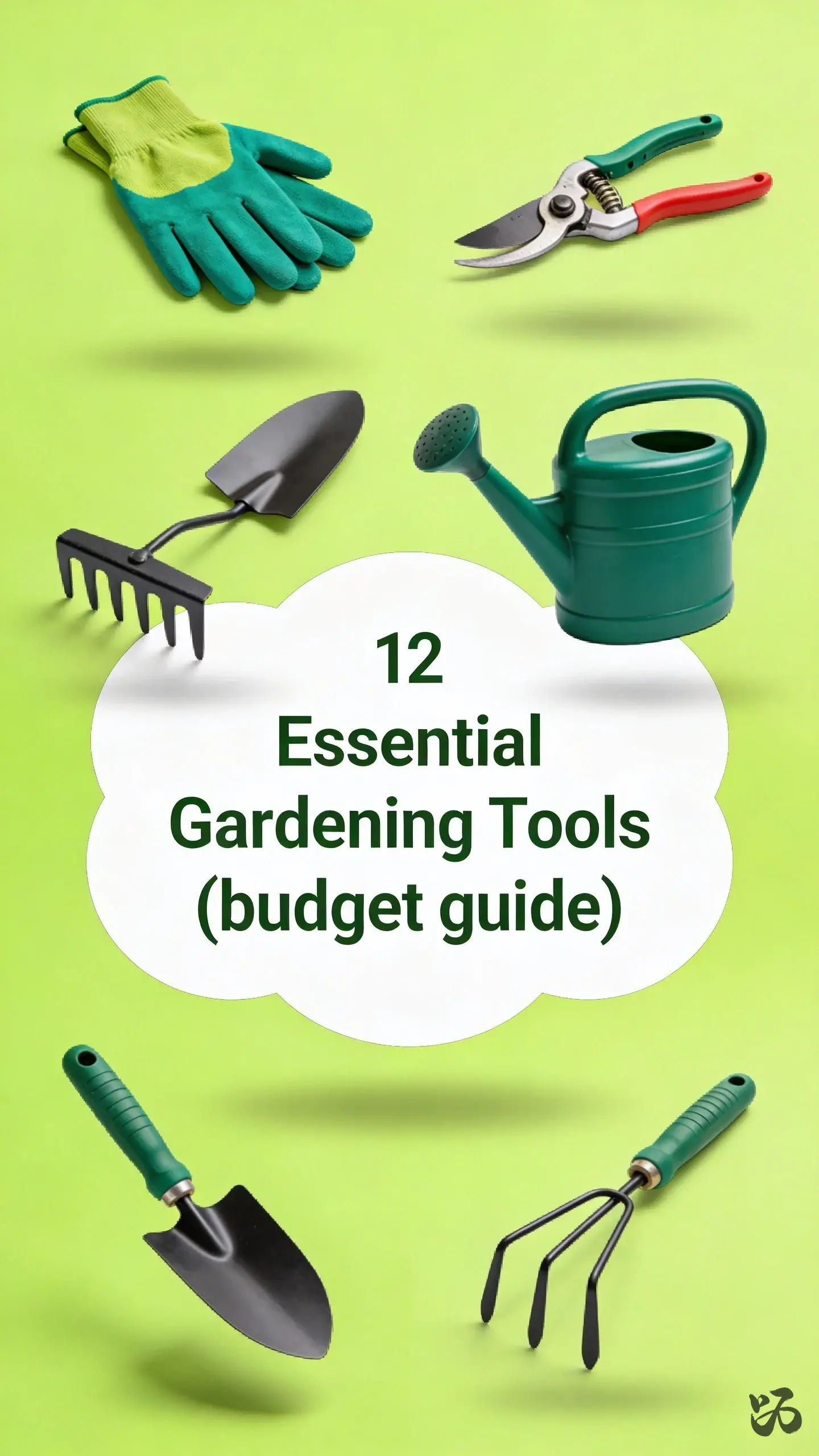
Water is the quiet hero of any lush bed. A standard hose with an adjustable nozzle gives you the flexibility to softly mist young starts or deliver steady hydration to established plantings. While a drip system or sprinkler setup is efficient, the act of hand-watering—especially in the morning—teaches you your garden’s rhythms, reveals nutrient gaps, and helps you notice pests or disease before they spread. A basic hose is a reliable, affordable gateway to a more attentive garden practice.
[PRODUCT BOX: Flexible garden hose with adjustable nozzle]
Get the look: a tidy hose reel kept at the ready, with a lightweight wand for precision watering.
4) The Groundwork Tool: The Round-Point Shovel for Versatility and Depth
As soon as you expand beyond a small container garden, you’ll find the shovel indispensable. The round-point shovel offers a balanced blend of digging power and material-handling ability. It can break into compact soil, loosen beds, and create clean holes necessary for planting larger perennials. Choose one with a comfortable handle since you’ll likely reach for it often. It’s the backbone tool that supports improvement in soil beds and the creation of new garden spaces with minimal strain.
[PRODUCT BOX: Round-point shovel with comfortable handle]
Shopping cue: a sturdy all-rounder that pairs well with a wide collection of soil amendments and mulch.
5) The Bed Finisher: A Bow Rake for Smoothing and Spreading
In a well-designed garden, texture matters as much as color. The bow rake is the workhorse for moving compost, spreading mulch, and smoothing soil surfaces. It’s more versatile and durable than a lighter fan rake, making it the preferred choice for a clean, cohesive bed edge and a neatly finished landscape. When you want that impeccably groomed look, the bow rake is your best friend.
[PRODUCT BOX: Bow rake for heavy-duty spreading and smoothing]
Get the look: broad, sturdy tines and a comfortable, rounded grip—designed to last seasons.
6) The Mouth-Wreath of Material Movement: A 10-Tine Fork and an Enduring Wheelbarrow
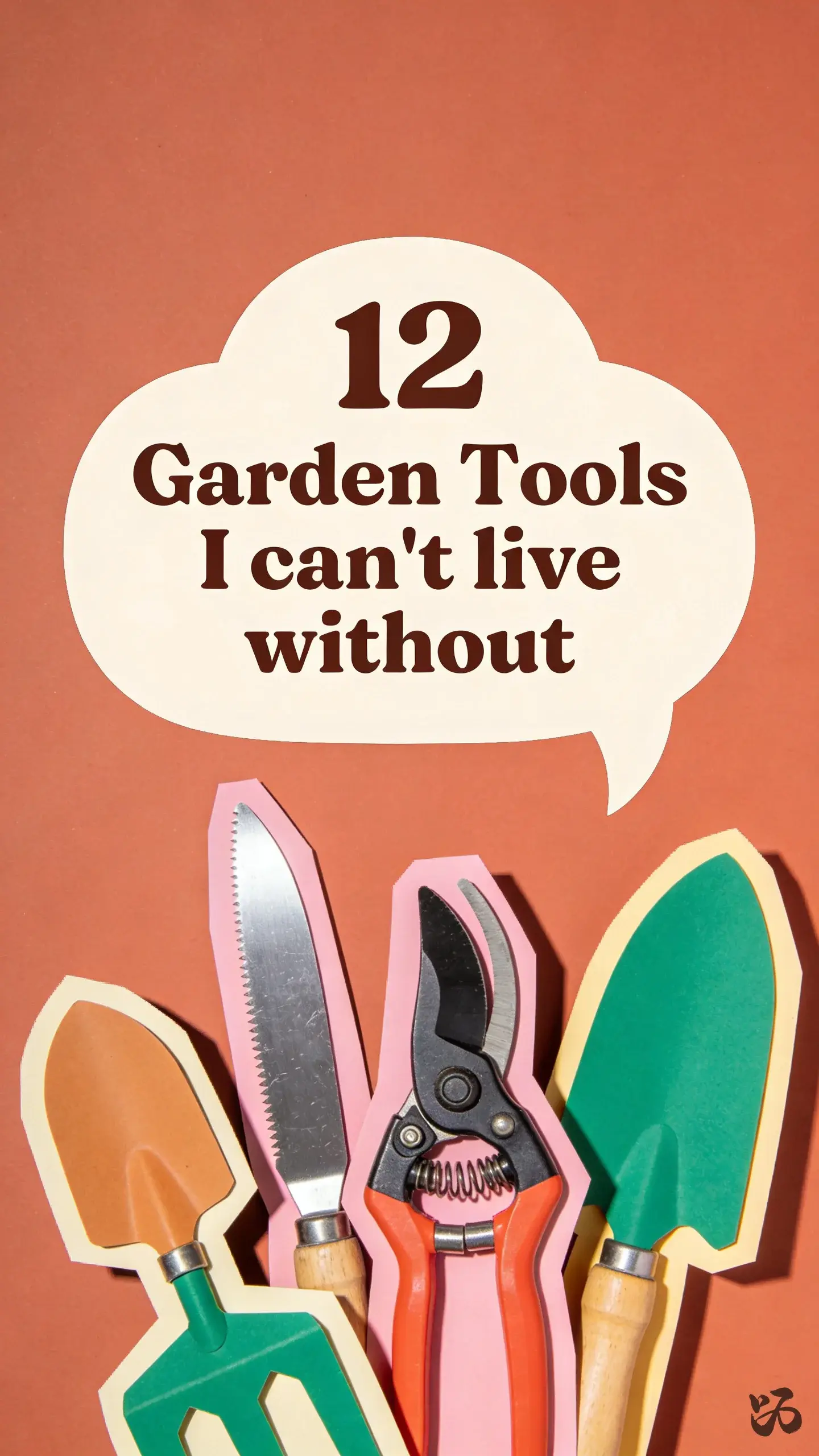
Moving mulch, compost, and soil is civilization in motion within your garden. A 10-tine manure fork (or its close variants) cuts through chunky materials with speed, catching more material per scoop than a traditional shovel. Pair this with a durable, two-front-wheel wheelbarrow to distribute loads evenly and reduce frame stress when you dump. The result is a streamlined workflow from bed to bed, with less strain and more momentum—exactly the kind of design-forward efficiency that makes gardening feel almost luxurious.
[PRODUCT BOX: 10-tine garden fork; heavy-duty 2-front-wheel wheelbarrow]
Shopping cue: sturdy steel components and balanced dumping to reduce fatigue during big bed projects.
7) The Ultimate Time-Saver: An Oscillating Hoe for Weed Control
Weed control is a design discipline in itself. The oscillating hoe—also known as a stirrup or hula hoe—edges into the soil surface with a slicing action that severs weed roots, drastically reducing maintenance time. A long handle and a strong, well-balanced blade make it satisfying to use while keeping your beds pristine and garden-ready. It’s the kind of tool you’ll reach for when you want to see immediate, tactile results with minimal effort.
[PRODUCT BOX: Oscillating hoe with long handle]
Get the look: a copper-tinted or dark blade for a refined, high-contrast garden aesthetic.
8) The Reach Tool: A Quiet, High-Impact Lopper for Deadwood and Canopy Clarity
For shrubs, small trees, and pruning tasks beyond the reach of standard shears, a long-limbed bypass lopper is essential. The leverage provided by the extended arms makes quick work of thicker branches, cleanly opening up canopies and encouraging better airflow and light penetration. This is a tool you’ll appreciate when you have a mature plant or an orchard corner that needs a gentle, precise touch without heavy labor.
[PRODUCT BOX: Bypass lopper with extendable arms]
Shopping cue: strong, smooth-cut action with a long reach for safer prunings.
9) The Essential Saw: Folding Pruning Saw for Quick Harvest and Cleanup
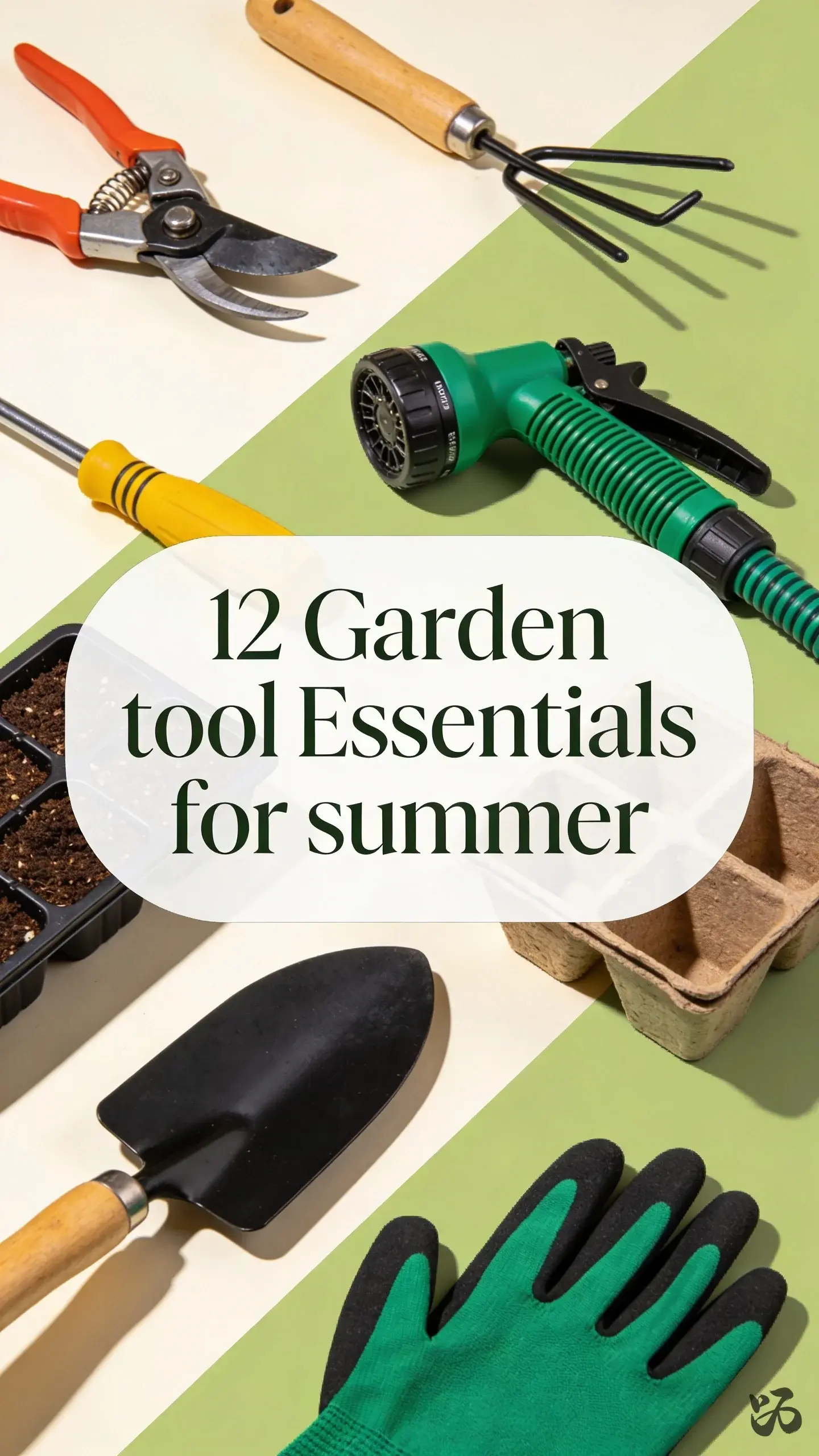
Sometimes a branch or clump of branches needs a more decisive cut than pruning shears can handle. A folding pruning saw slips into a pocket but still delivers clean, controlled cuts. It’s a practical addition for branches that demand more bite, plus it’s handy for trimming overgrown features without reaching for a heavier tool. It’s the quiet hero in the toolkit you’ll find yourself reaching for during seasonal refreshes.
[PRODUCT BOX: Folding pruning saw]
Get the look: a compact saw with a secure locking mechanism for safe transport.
10) The Sharpener: A Simple Tool Sharpener to Keep Your Edges True
Sharp tools work better, last longer, and feel more satisfying to use. A small, straightforward sharpener is all you need to keep your blades keen, ensuring clean cuts and safer operation. A quick, regular pass on pruners and loppers minimizes rust and keeps your garden tasks moving smoothly. Think of sharpening as maintenance for your design-driven toolkit—an easy ritual that pays off in performance and joy.
[PRODUCT BOX: Handheld tool sharpener]
Shopping cue: a compact, easy-access sharpener that fits into your tool tote.
11) The Bonus: Folding Quick-Saw for On-Demand Branch Work
At the edge of essential, a folding quicksaw rounds out the toolkit for those moments when a pruning saw isn’t convenient but you still need decisive, controlled cuts. It’s a compact, satisfying tool for removing clumps, opening pathways, or pruning larger branches with confidence. It’s exactly the precision-edge you’ll appreciate in a well-designed garden kit.
[PRODUCT BOX: Folding pruning saw or quicksaw]
Get the look: a compact saw with a secure blade and a pocket-friendly handle.
12) The Care Ritual: A Simple Maintenance Routine for Long-Lasting Tools
Tools deserve a care ritual. A quick guide to keep them rust-free and sharp makes a huge difference in performance and longevity. Regular cleaning after use, a light coat of oil on metal surfaces, and timely sharpening extend the life of your investment. The payoff isn’t just functional—it’s a design choice: a tidy shed on the same level as a tidy bed and a cohesive outdoor space.
[PRODUCT BOX: Tool maintenance kit: rust remover, oil, and sharpening stone]
Get the look: a dedicated tool tote with labeled slots to keep everything organized and accessible.
FAQ
What should beginners buy first to avoid tool overload?
Start with three essentials: a comfortable bypass pruning shear, a versatile Hori Hori-style trowel, and a dependable hand watering setup. As your space grows, add a round-point shovel, a bow rake, and a sturdy wheelbarrow. This core trio supports a wide range of tasks without crowding your shed with duplicates.
How do I sharpen tools without professional equipment?
Use a simple handheld sharpener and follow a consistent, light-pass routine on each edge. Sharpen after use if you’ve cut through hard materials, and store blades dry to prevent rust. Regular maintenance keeps tools performing like new and extends their lifespan.
Is it better to invest in higher-end tools or build over time?
Design-forward gardening thrives on thoughtful upgrades rather than an all-at-once splurge. Start with reliable basics that feel good in your hand and move toward longer-handled options as your space expands. The goal is effortless functionality paired with a clean, cohesive look.
Can I design a small garden that still feels premium with these tools?
Absolutely. The secret is pairing quality tools with deliberate planting, clean lines, and well-planned bed edges. The tools provide the means; your design choices—color palettes, textures, and planting structure—give the sense of resort-like care in a real-world budget.
Conclusion: Start Here, Build Beautifully, Look Expensive on a Real Budget
A garden that feels intentional doesn’t require a showroom of tools. It requires a simple, well-chosen core, paired with smart upgrades over time and a steady rhythm of care. With these 12 essentials, you can approach each season with confidence, knowing your gear is ergonomic, durable, and versatile enough to support a design-forward outdoor space. The look is achievable; the process is enjoyable; the result is a garden that invites you to linger, appreciate, and cultivate beauty—without the overwhelm or the expense.
[INTERNAL LINK: How to design a cohesive outdoor space on a budget]
[INTERNAL LINK: Simple planting palettes for year-round interest]
[INTERNAL LINK: Small-space garden ideas that feel like a luxury retreat]
[INTERNAL LINK: Tools and accessories that optimize outdoor storage and organization]