
Some links in this post are affiliate links. If you buy through one, I may earn a small commission at no extra cost to you. As an Amazon Associate I earn from qualifying purchases.
A classroom reading corner only works if kids want to be there. The best ones are soft, a little tucked away, and stocked with books children can reach and put back themselves.
These 25 reading corner ideas cover every kind of room, from a big carpet corner to a skinny strip of wall by the door. Each one has a short supply list, so you can build it in a prep period rather than a weekend.
Four things that make any reading corner work
- Front-facing book display shelf: Kids choose books by the cover, so a low forward-facing shelf gets far more books picked up than spines on a bookcase.
- Large floor pillows: Big, washable floor cushions are the difference between a corner kids walk past and one they fight over.
- A soft area rug: A rug marks the zone and makes floor reading comfortable, even on cold tile.
- Battery fairy lights: Warm light instead of the overhead fluorescents makes the corner feel calm right away.
1. Cozy Rug and Pillow Reading Nook
 Save
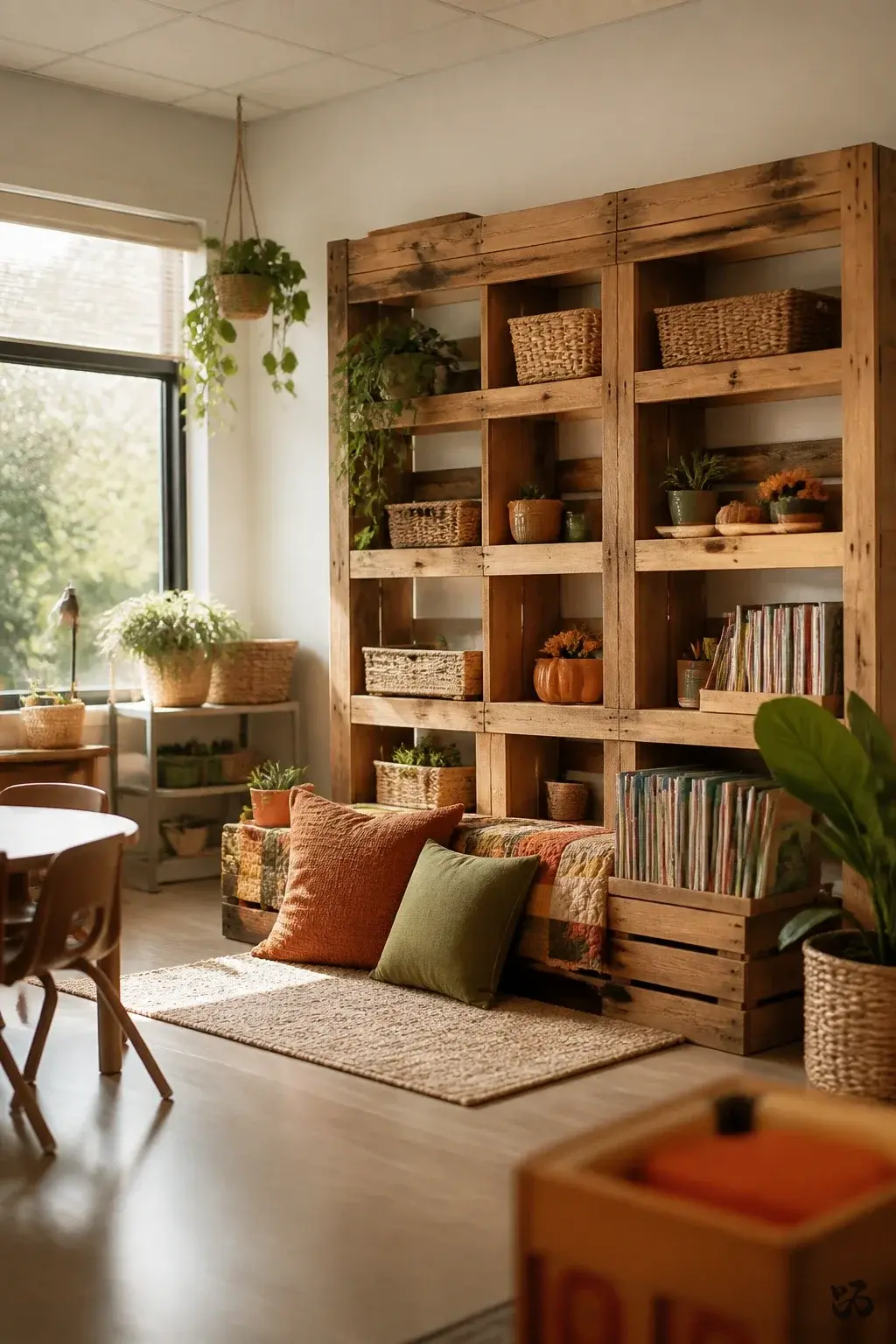
SaveSet a small square rug in a quiet corner and place two big pillows against a low bench or crate. Drape a quilt or blanket in warm tones to create a cozy den feel that invites kids to settle in. Keep the space self-contained with a low, sturdy shelf for picture books.
What you need
- Small rug (round or square)
- Two large pillows
- Blanket or quilt
- Low bookshelf or crate
- Storybooks in easy-to-handle formats
Place near the reading corner so kids can reach books without stepping too close to the door. About 20 minutes to set up; suits pre-K to second grade.
New from Shinku Studio
 Save
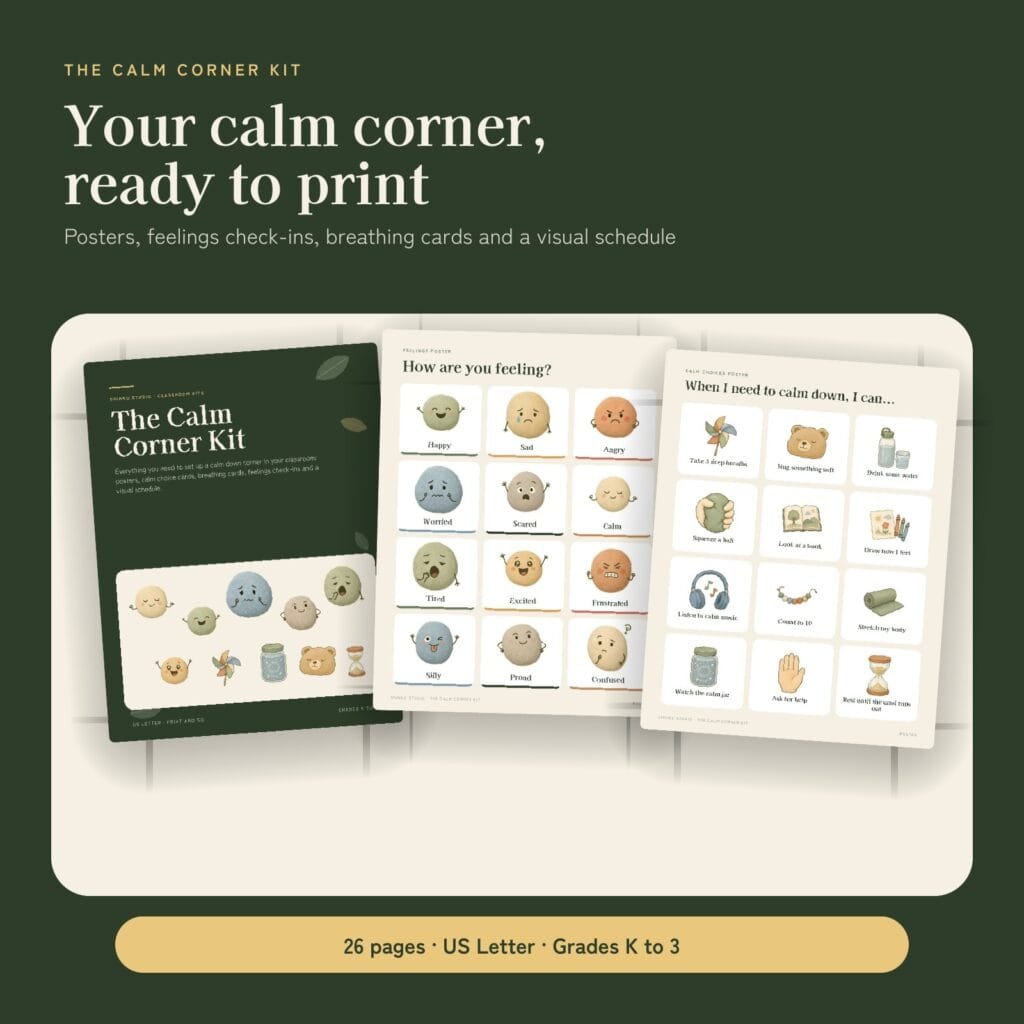
SaveWant a calm corner beside your reading nook? The Calm Corner Kit has everything for a calm down corner in soft, neutral colors: a feelings chart, breathing cards, calm choice cards, check-in sheets and a visual schedule. Print it and the corner is ready.
2. Colorful Wall Ledge with Seasonal Booklets
 Save
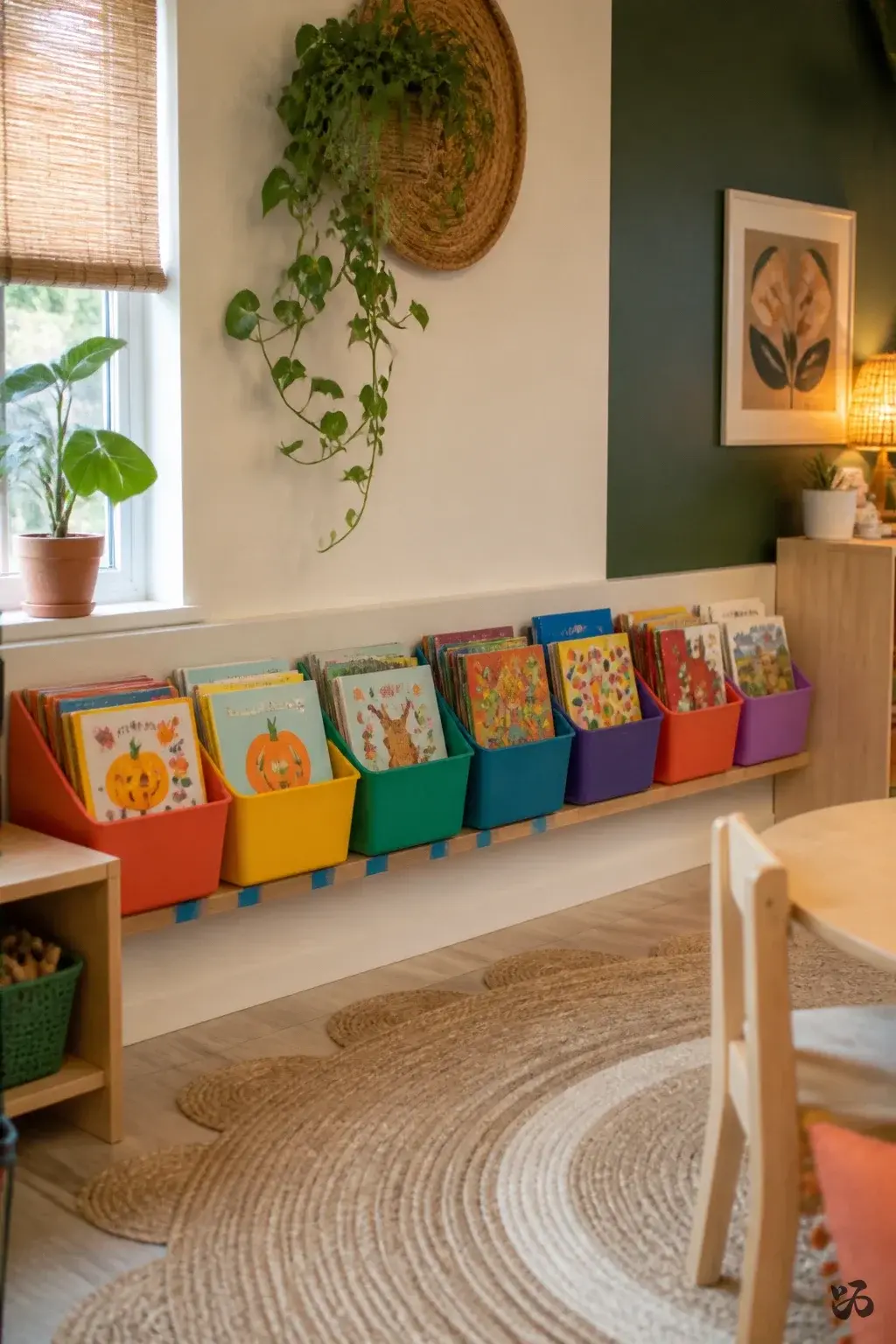
SaveA low wall ledge runs along a short section of wall, lined with child-sized book baskets. Swap in seasonally themed booklets and short picture books to keep rotation quick. Use painter’s tape to secure the ledge if you don’t have a sturdy shelf.
What you need
- Low wall ledge or shallow shelf
- Plastic book bins or baskets
- Seasonal booklets or picture books
- Painter’s tape or removable mounting strips
- Soft lighting nearby
Good for a quick rotation during prep period; works for kindergarten through first grade.
3. Reading Tent under a Bulletin Board
 Save
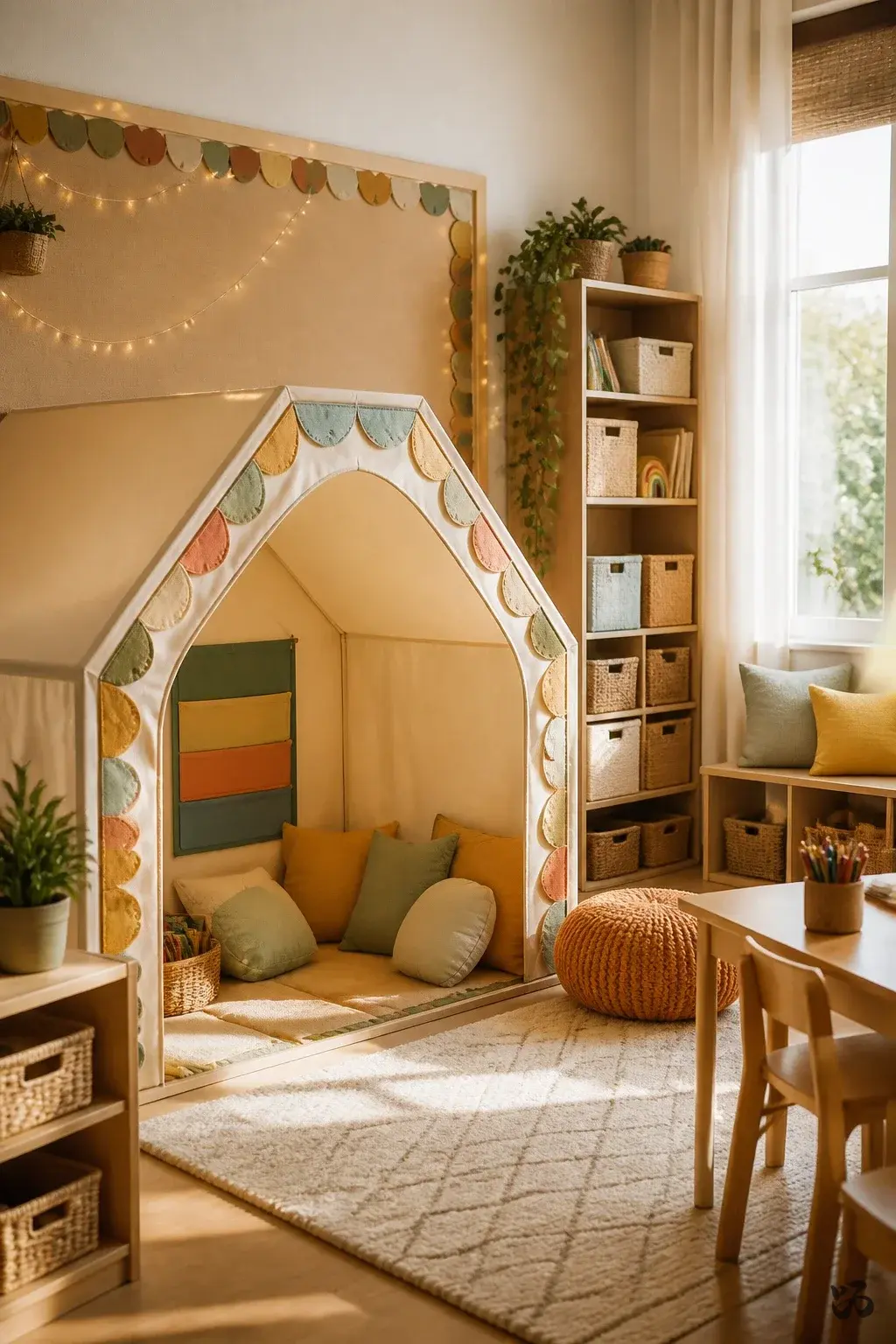
SaveCreate a mini tent using a small bed tent or play tent, and cover the exterior with a sheet of bulletin board border to echo classroom themes. Inside, add a few soft cushions and a pocket chart with a tiny library card sightline for students to check out a book.
What you need
- Small play tent
- Bulletin board border rolls
- Cushions or bean bags
- Pocket chart
- Clip-on soft string lights (optional)
Be mindful of door clearance; this is best if the tent sits in a corner away from the door. About 30 minutes to set up; suitable for all elementary grades.
4. Paper Chain Reading Countdown
 Save
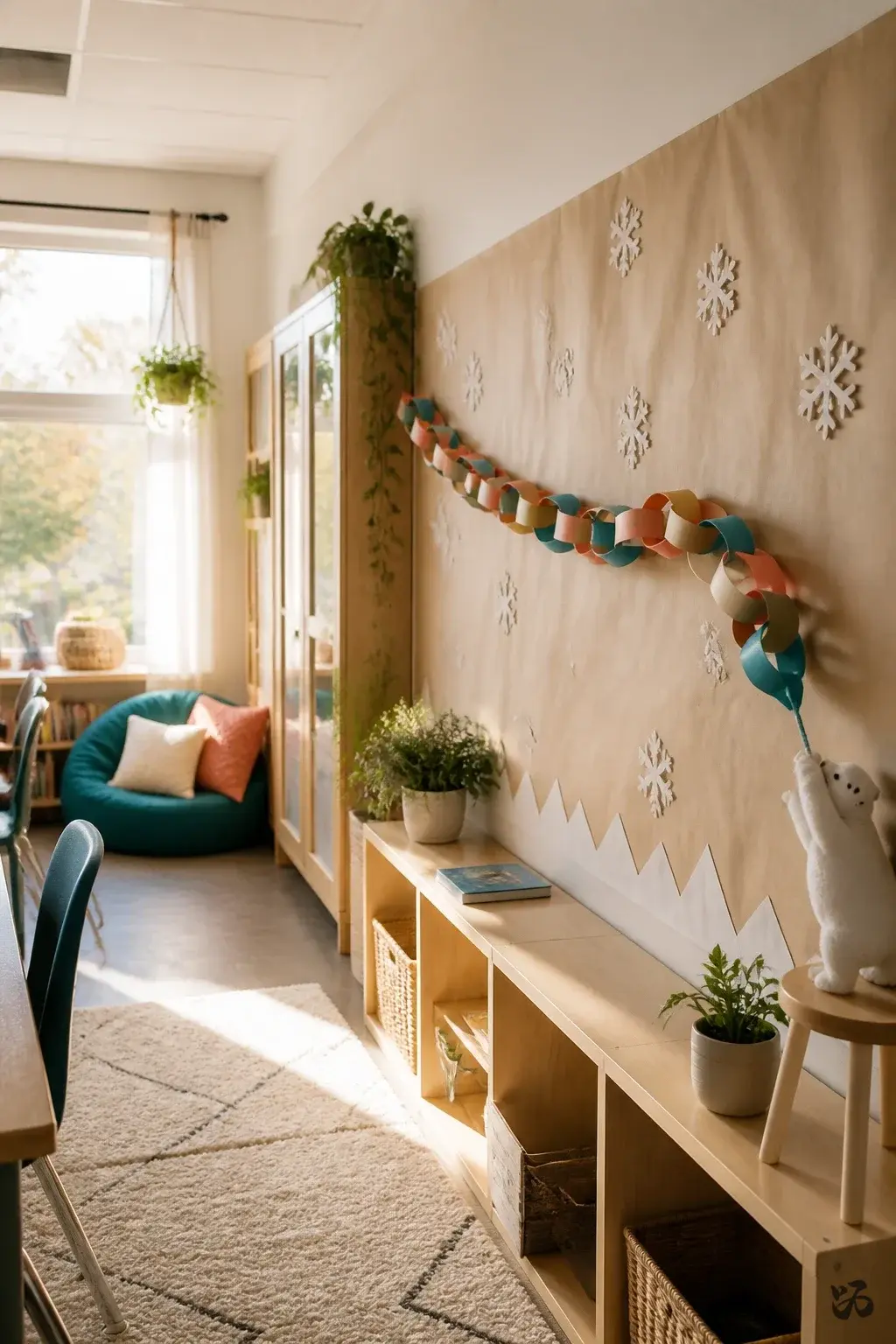
SaveAttach a long strip of butcher paper to a wall or door and hang colorful paper links. Each link represents a reading goal or a class read-aloud count. Kids pull one link per day, adding a sense of progress and anticipation.
What you need
- Butcher paper or construction paper
- Colorful paper links
- Markers
- Masking tape
- Index cards with reading goals
Keep it away from the door handle and avoid completely covering the door if your district has fire code limits. Takes about 25 minutes; great for pre-K to second grade.
5. Floor Cushion Reading Circle
 Save
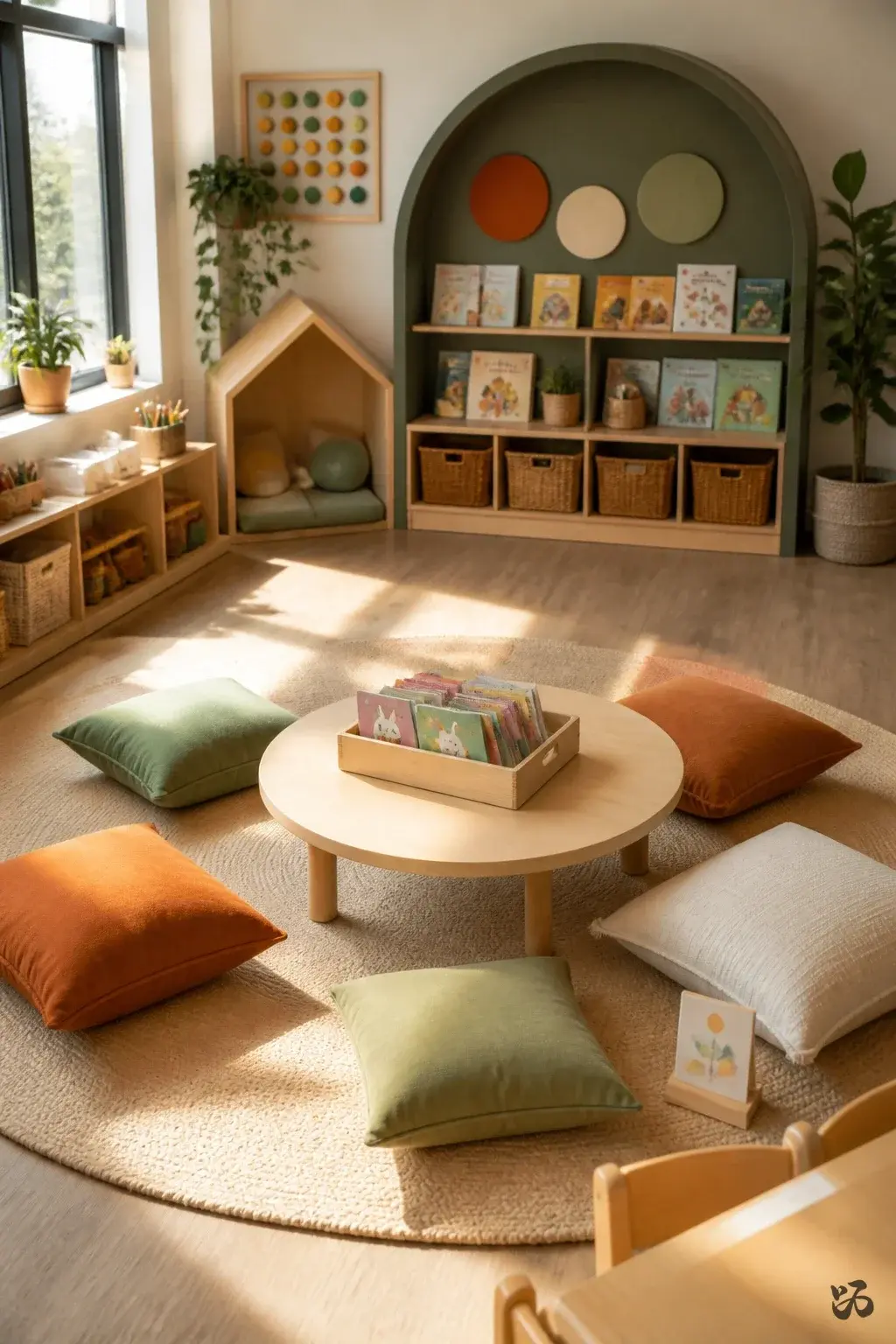
SaveCreate a circular reading space on the carpet with four or five cushions arranged around a small, low table. Place a bin of short picture books in the middle for quick access. Use a small sign with a kid-friendly reminder about keeping the area tidy.
What you need
- Cushions or pillows
- Low table
- Picture book bin
- Floor sign with cleanup reminder
- Non-slip rug pad (optional)
Simple to maintain, good for daily 15-minute reads; suits kindergarten and first grade.
6. Letter Wall Fold-Down Reading Curtain
 Save
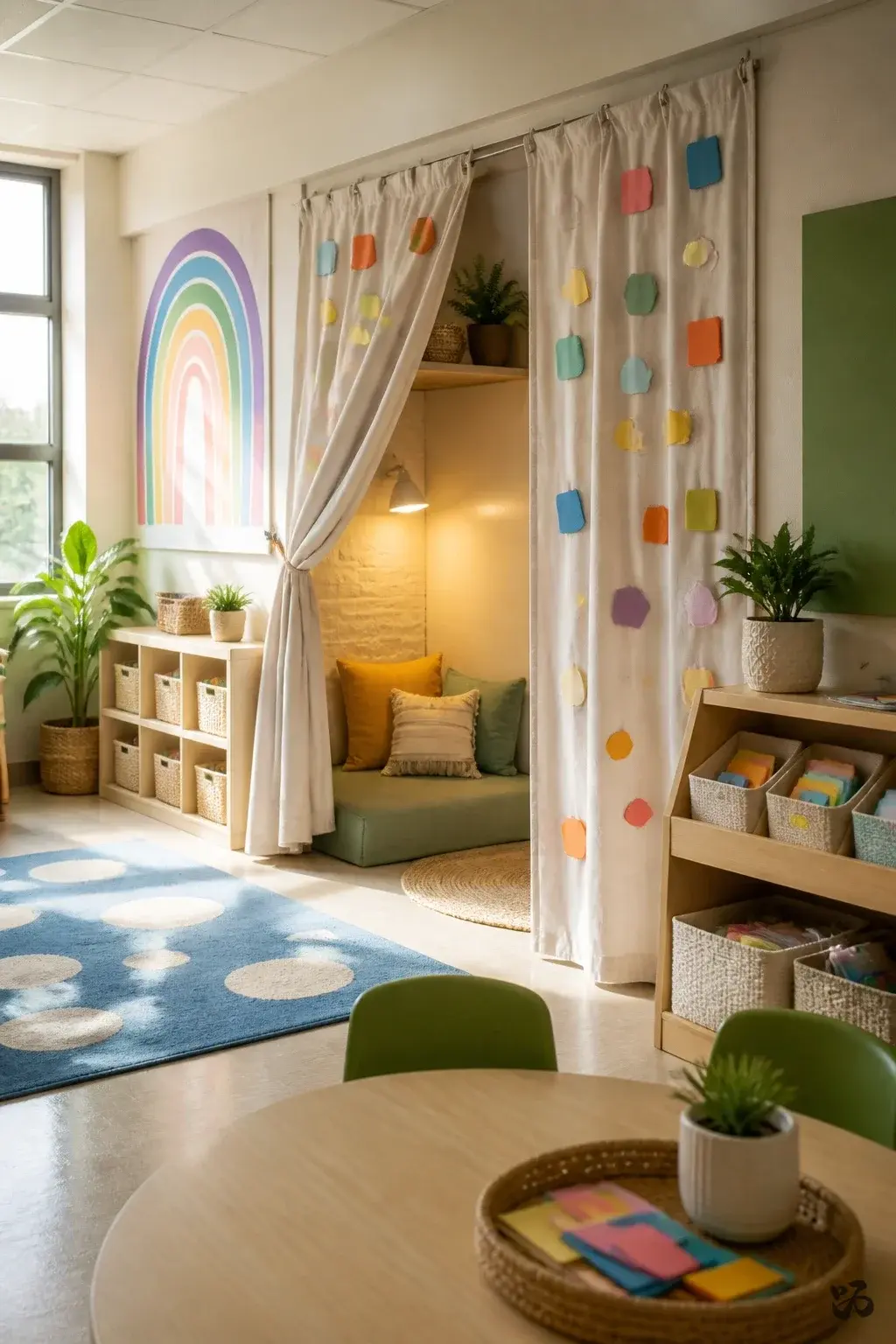
SaveHang a lightweight curtain along a short wall and use fabric Velcro to attach foam letters and word cards. Kids can move letters to spell simple words while they listen to a story. The curtain can close to create a quiet space.
What you need
- Lightweight curtain
- Foam letters
- Word cards
- Velcro squares
- Low-profile hooks or adhesive tape for mounting
Skip laminating for the word cards to save time; 20 to 25 minutes to assemble. Good for first grade through second grade.
7. Framed Reading Window with Transparent Shelves
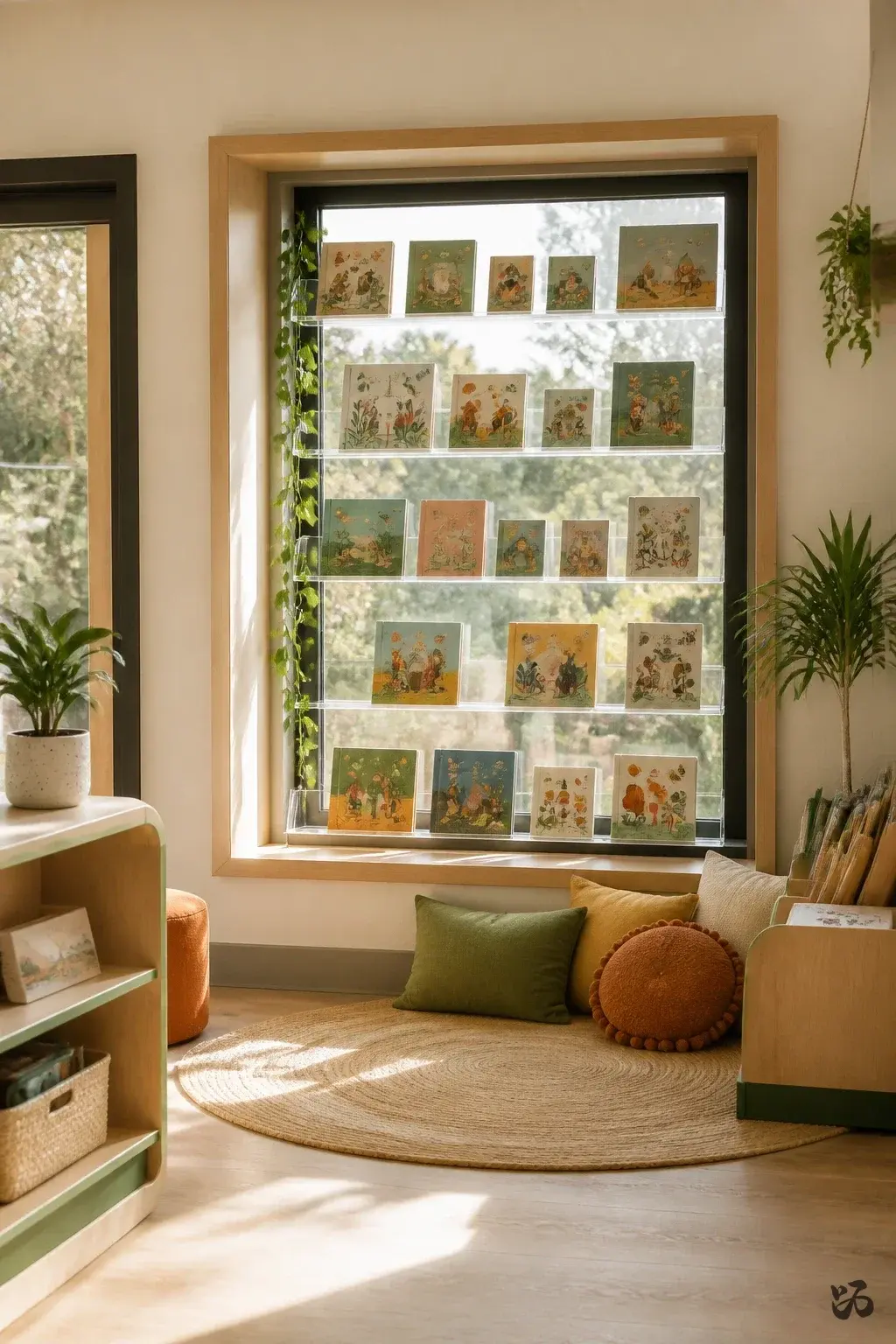 Save
SaveInstall a narrow, shallow display window along a classroom wall using clear acrylic shelves. Fill with small board books and sturdy picture books facing out. Kids can browse without reaching into heavy stacks.
What you need
- Acrylic shelves
- Board books
- Picture books
- Nonmarking mounting strips
- Door stop or soft bumper to protect edges
Do not cover the entire window area; leave a clear exit path for safety. About 40 minutes to install; best for first through third grade spaces.
8. Rolling Story Bench
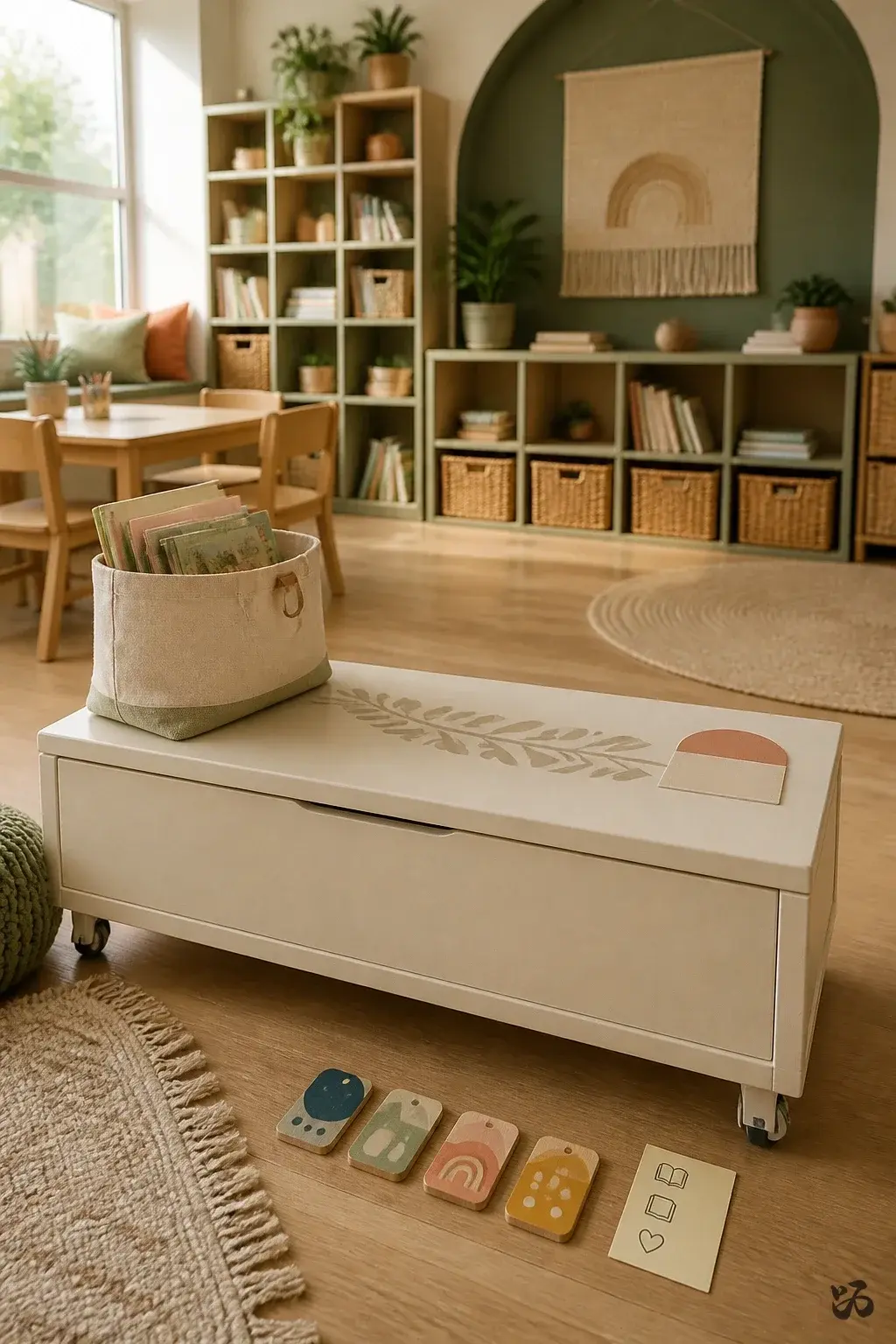 Save
SaveUse a small bench with casters as a portable reading station. Paint it with chalk paint in a neutral tone and label the top with a simple reading quote. Add a fabric tote for books and a label for easy kid access.
What you need
- Small bench with wheels
- Chalk paint
- Fabric tote
- Library labels
- Sticky notes for quick booking
Move it during prep period to other spots as needed; useful from pre-K through second grade.
Reading corner furniture teachers like


9. Pebble Path Reading Trail
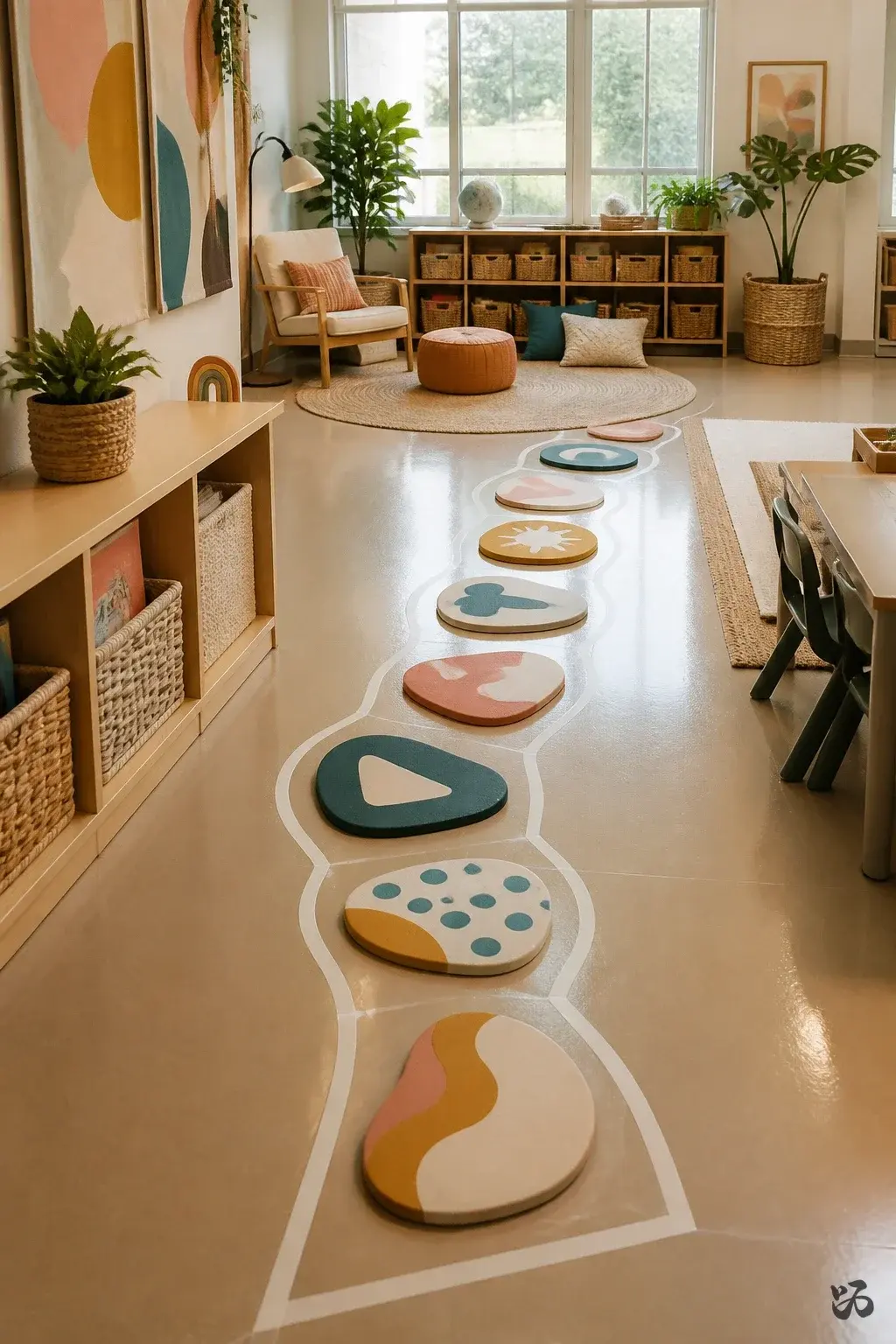 Save
SavePlace foamy or paper “pebbles” along a hallway floor chalking a path to a reading corner. Each pebble has a letter or sound cue to encourage phonics as students walk. Use painter’s tape to mark the path if floors are shiny.
What you need
- Foam pebbles or cutouts
- Letter cards
- Painter’s tape
- Storytime sign
- Teacher timer (optional)
Be mindful of floor material and tripping hazards; never place items in a main hallway. About 25 minutes to set up; best for early elementary.
10. Reading Lanterns in a Quiet Corner
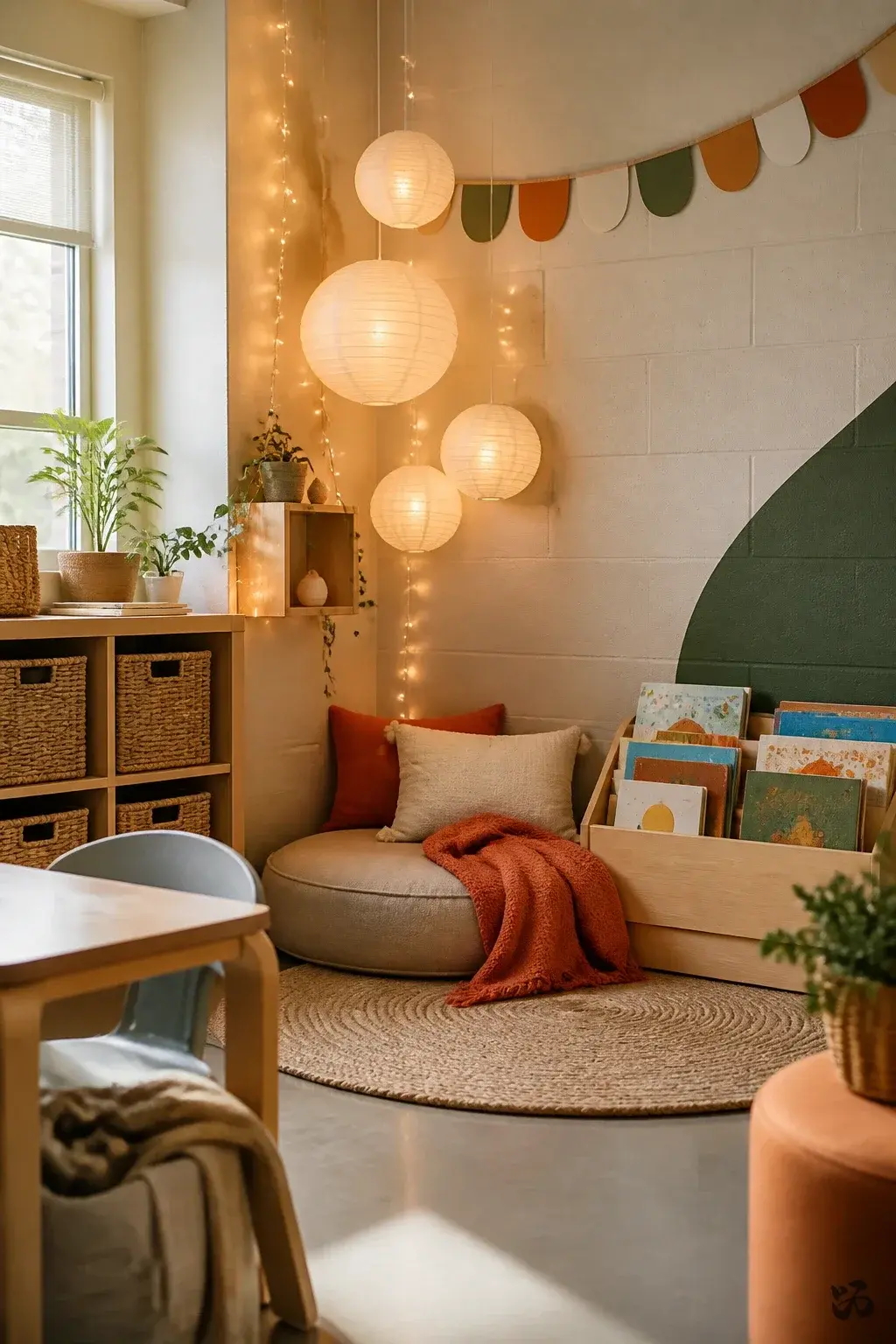 Save
SaveHang several lightweight lanterns or paper lanterns in a corner to soften the room. Create a reading banner with kid-friendly font above the space. Add a small basket of leveled readers for quick picks.
What you need
- Paper lanterns
- Reading banner
- Leveled readers
- Ribbon or string lights
- Sticky tack for lightweight materials
Skip laminating lanterns; they are easy to remove and store. About 20 minutes to set up; suitable for all elementary grades.
11. Library Card Shelf and Checkout Tray
 Save
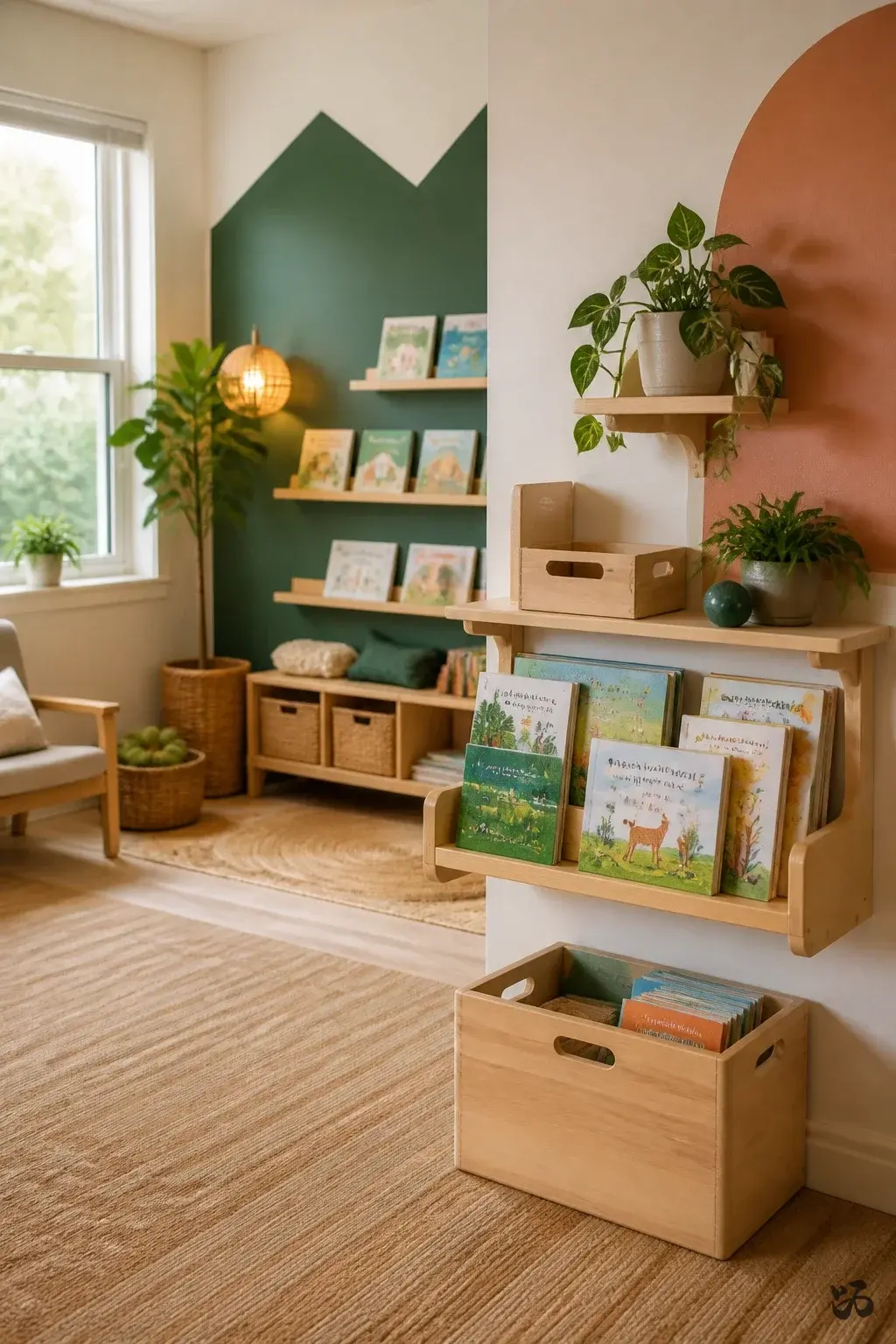
SaveInstall a small shelf next to the door with a pretend checkout tray. Kids pick a book, show a pretend card, and return it to the shelf after reading. It keeps the routine familiar and reduces last-minute book wrangling during large group time.
What you need
- Shelf
- Card tray
- Queue of picture books
- Return bin
- Label tape for shelf labels
Great for daily 5-minute routines; works well from pre-K to second grade.
12. Wall Alphabet Reading Clips
 Save
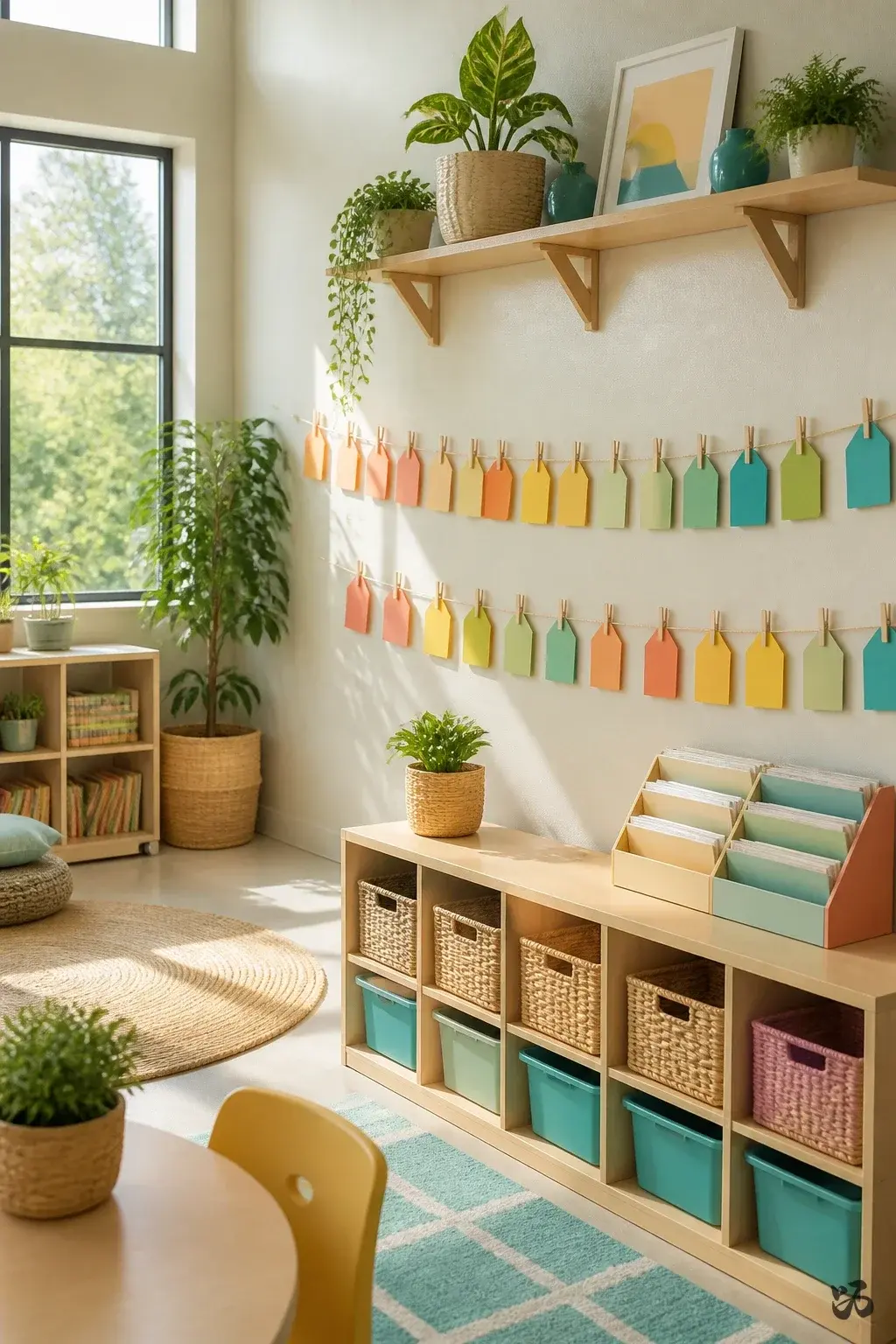
SaveAttach a string of clips with letters and simple sight words along a wall that kids can move. Pair with a small stack of decodable readers for those words to sound out. The clips keep the space interactive without clutter.
What you need
- Clothesline or string
- Clothespins or clips
- Sight word cards
- Decodable readers
- Sticky tabs for labels
Clip placement at kid height; avoid heavy items that could be pulled down. About 30 minutes to set up; suitable for kindergarten and first grade.
13. Quiet Corner Curtain with Sound-absorbing Panels
 Save
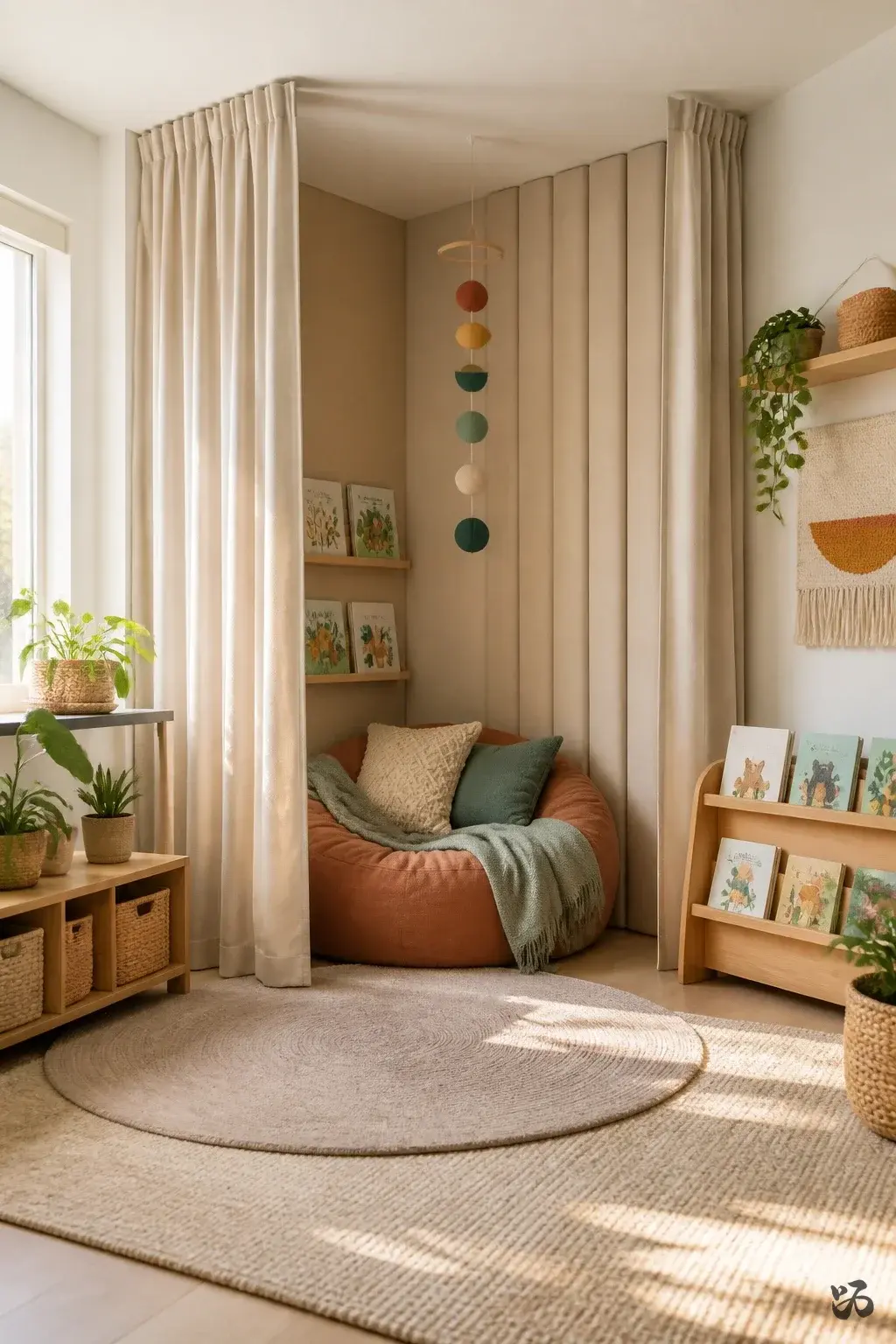
SaveCreate a quiet corner by using a small curtain and soft sound-absorbing panels along two walls. A small bean bag chair sits inside with a shelf of short picture books. The curtain helps dampen noise and signals the space is for reading.
What you need
- Curtain panel
- Sound-absorbing panels
- Bean bag
- Picture book shelf
- Non-slip rug pad
Skip glue or nails on the wall; use tension rods if needed. About 30 minutes to assemble; fits pre-K through first grade.
14. Dinosaur Reading Table with Flip Books
 Save
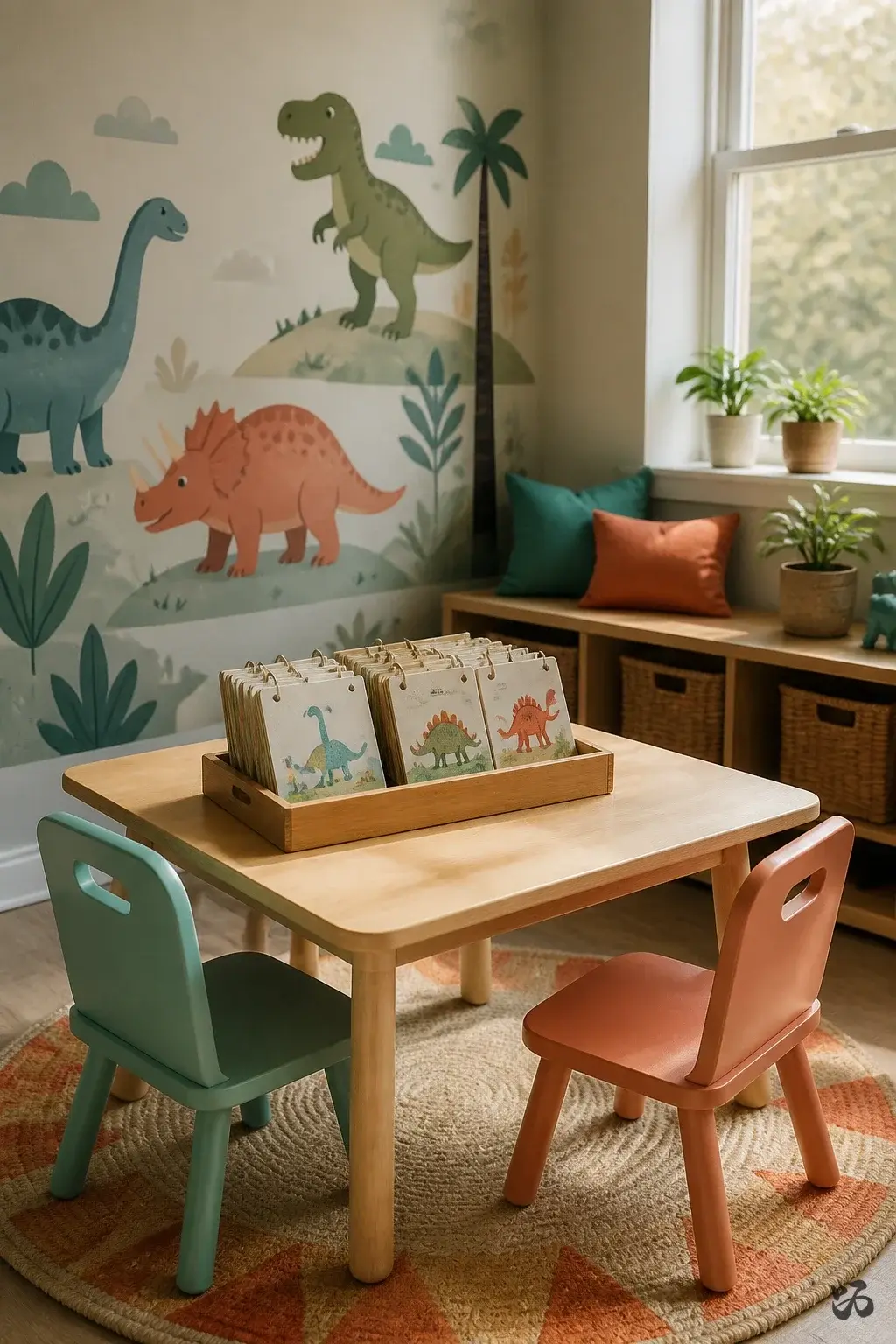
SaveA small table with a few comfortable chairs and a tray of mini books that flip open for quick sharing. Decorate with dinosaur decals on a single wall to create a playful theme that keeps kids engaged without a lot of maintenance.
What you need
- Small table
- Mini flip books
- Chairs
- Wall decals
- Tray or caddy for books
Ideal for centers and small-group time; works from pre-K through first grade.
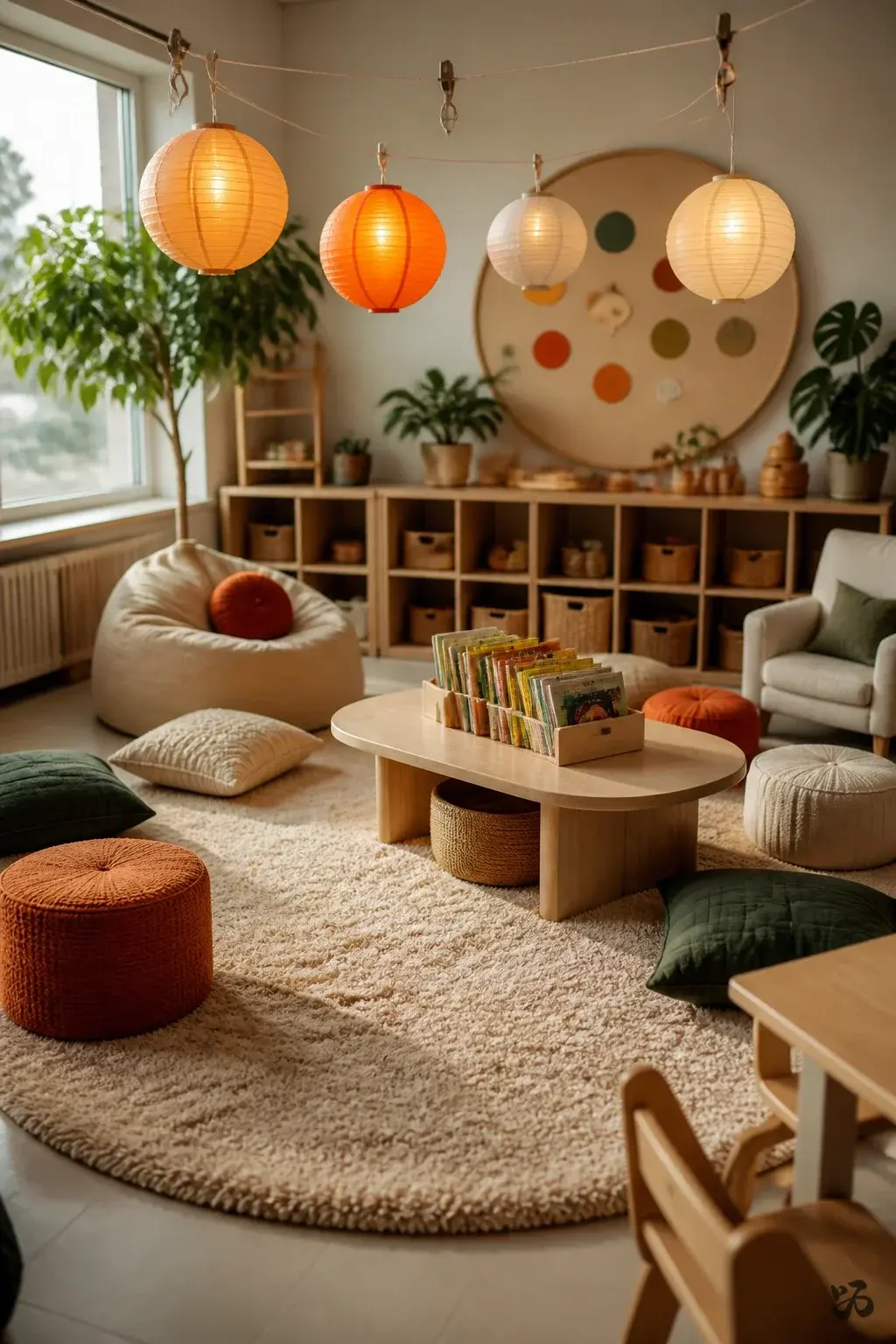
15. Clip-On Reading Lanterns Over a Rug
 Save
SaveHang lightweight clip-on lanterns over a reading rug to create a magical glow. Keep cords tucked and use battery-operated lights. A low table holds a few favorite storybooks for quick reads during afternoon prep period.
What you need
- Battery-operated lanterns
- Soft rug
- Storybook bin
- Cord covers or tape
- Label strip for easy book return
Safety first: check cords and heat from lights; set up in a low-traffic area. About 15 to 20 minutes; suitable for all elementary grades.
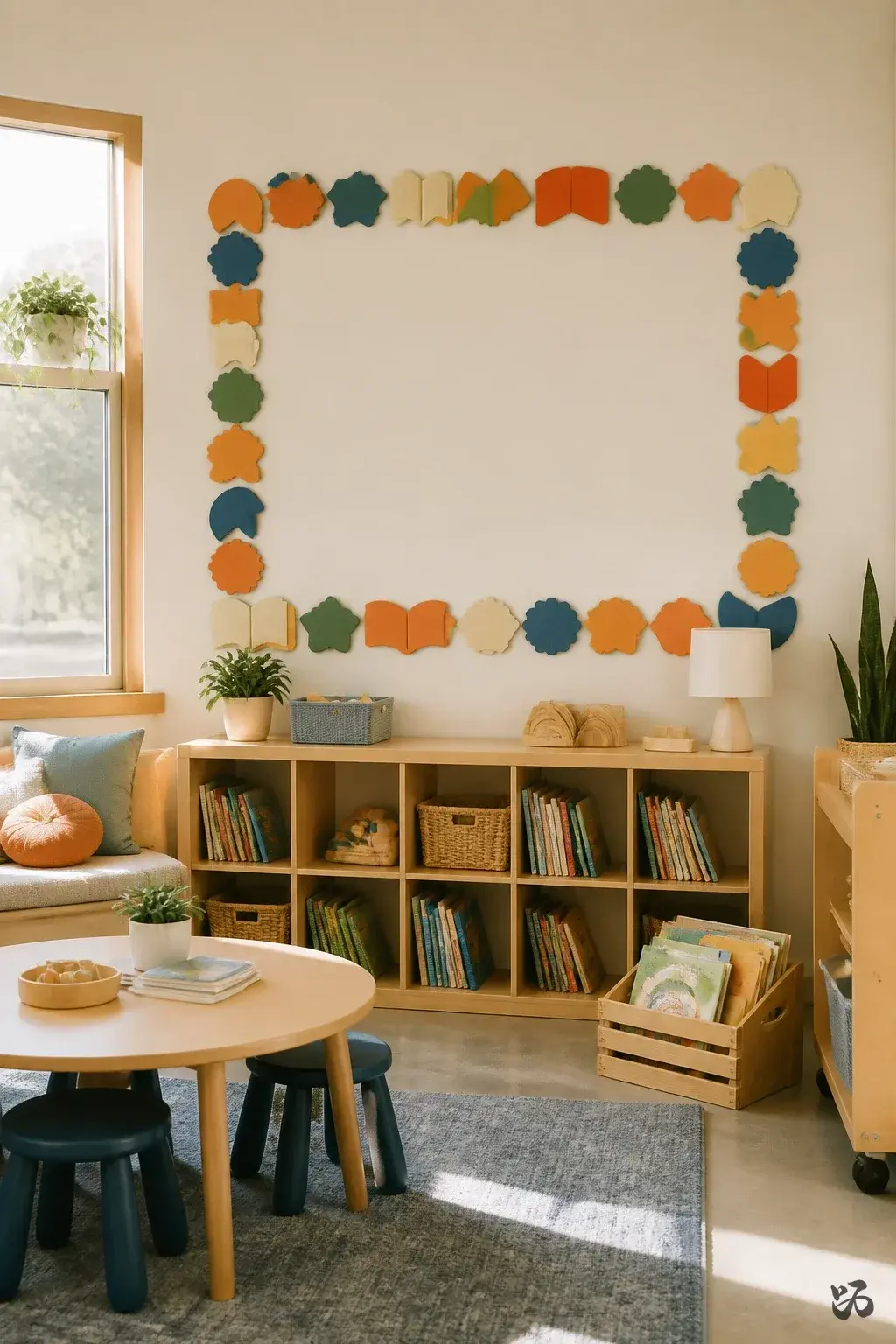
16. Foam Shape Frame Library Wall
 Save
SaveCover a section of wall with a large bulletin board border using foam shapes to spell out library terms. Add a few high-interest picture books in a nearby crate for spontaneous reading during homeroom or recess.
What you need
- Bulletin board border
- Foam shapes
- Book crate
- Picture books
- Removable mounting strips
Easy to remove, no adhesives on walls; 25 minutes to assemble; good for all elementary grades.
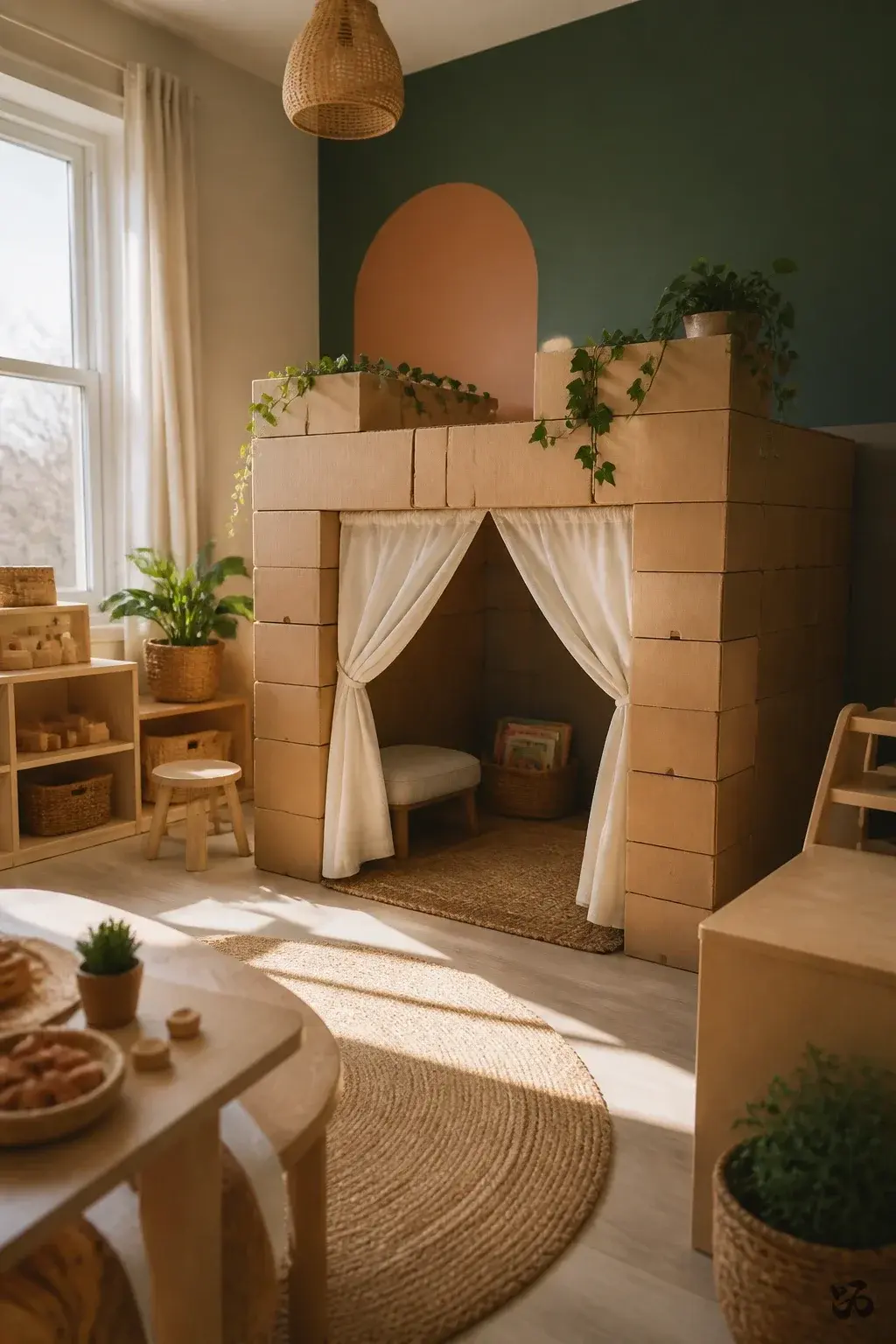
17. Cardboard Block Reading Fort
 Save
SaveCreate a small fort with cardboard blocks and a simple curtain doorway. Inside, place a small rug and a handful of sturdy picture books. The fort should be tall enough for kids to peek over but sturdy enough to sit in without wobbling.
What you need
- Cardboard blocks
- Curtain or sheet
- Small rug
- Picture books
- Low bench or stool to sit on
Not as fast to assemble as other ideas, but durable with kids; ideal for pre-K through second grade with supervision during setup.
Soft seating for your reading corner


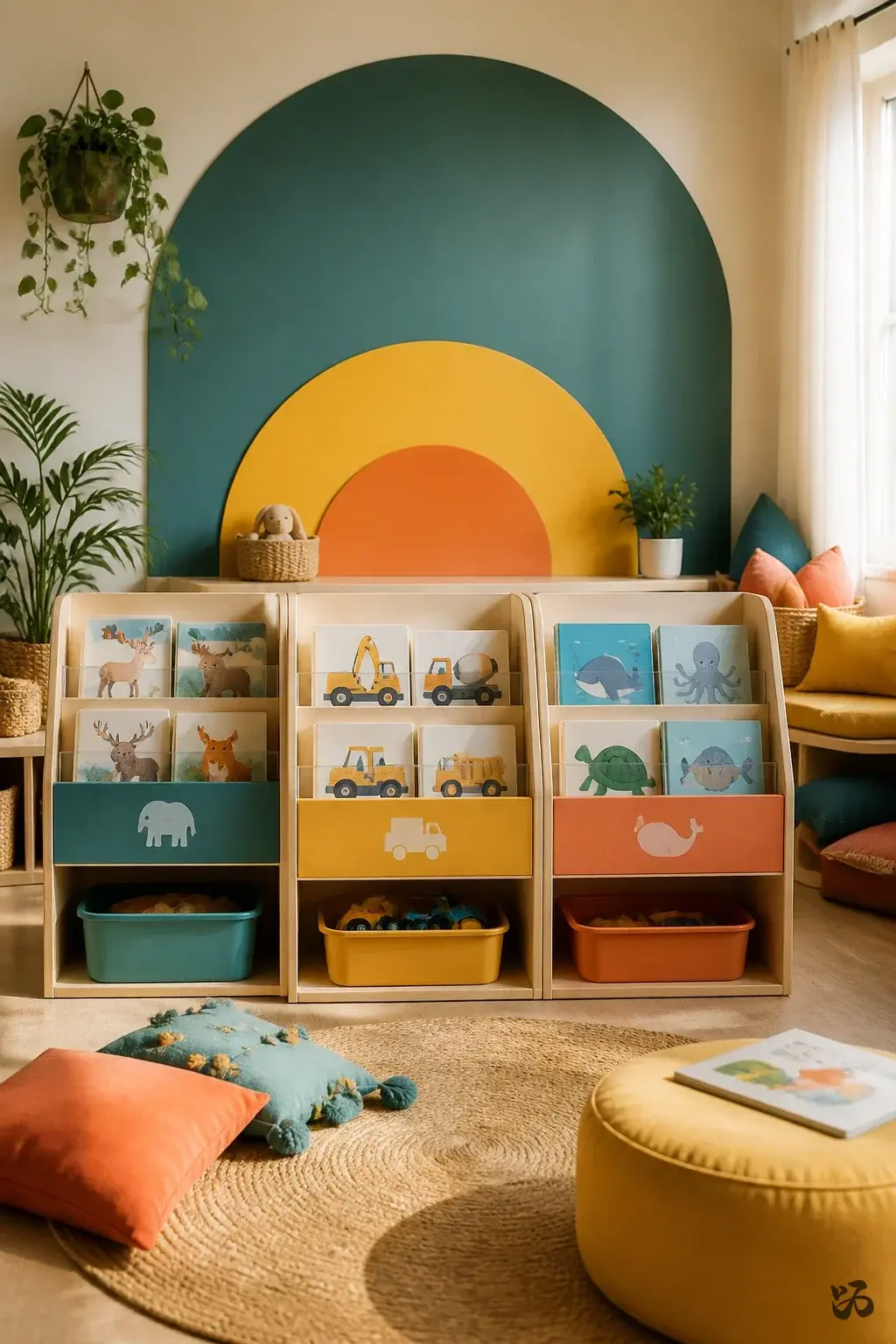
18. Open-Top Shelves with Themed Book Bins
 Save
SaveOpen-top shelves at kid height display themed bins like animals, trucks, and ABCs. The bins keep the selection organized and visible, encouraging kids to choose independently during reading time.
What you need
- Open-top shelves
- Plastic bins
- Themed picture books
- Labels
- Clear plastic book dividers
Labeling helps kids return books to the right bin; about 20 minutes to set up; suitable for all K, 2 classrooms.
19. Floor Book Ledge with Soft Throw Rugs
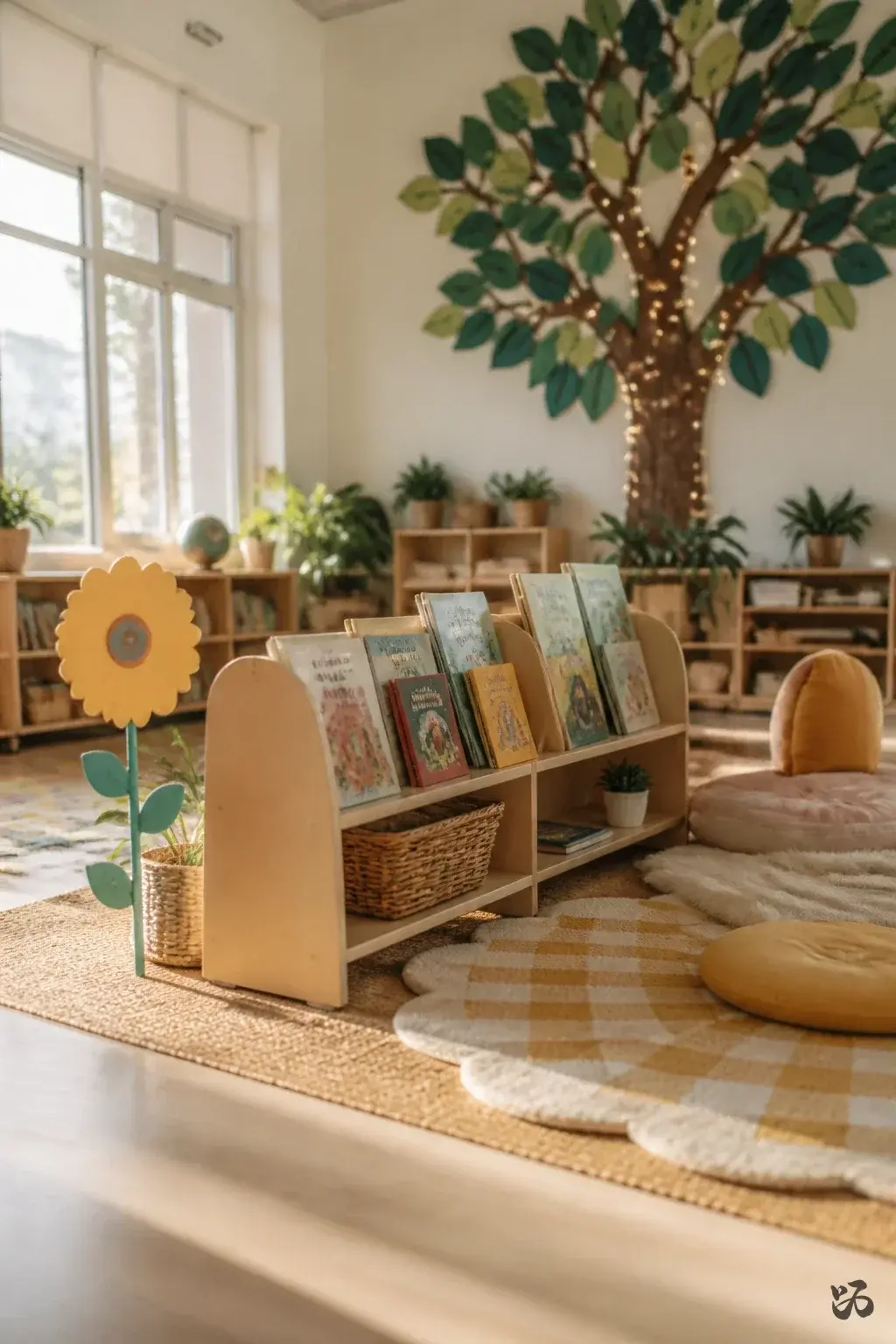 Save
SavePlace a few low bookshelves on the floor in front of a tall wall. Surround with soft throw rugs and a small reading sign. This keeps reading near the floor level where kids naturally sit and reduces wall damage from shelves against blocks.
What you need
- Low book shelves
- Throw rugs
- Picture books
- Reading sign
- Non-slip rug pad
Simple and sturdy; great for preschool through second grade.
20. Tall Plant Display as a Reading Corner Backdrop
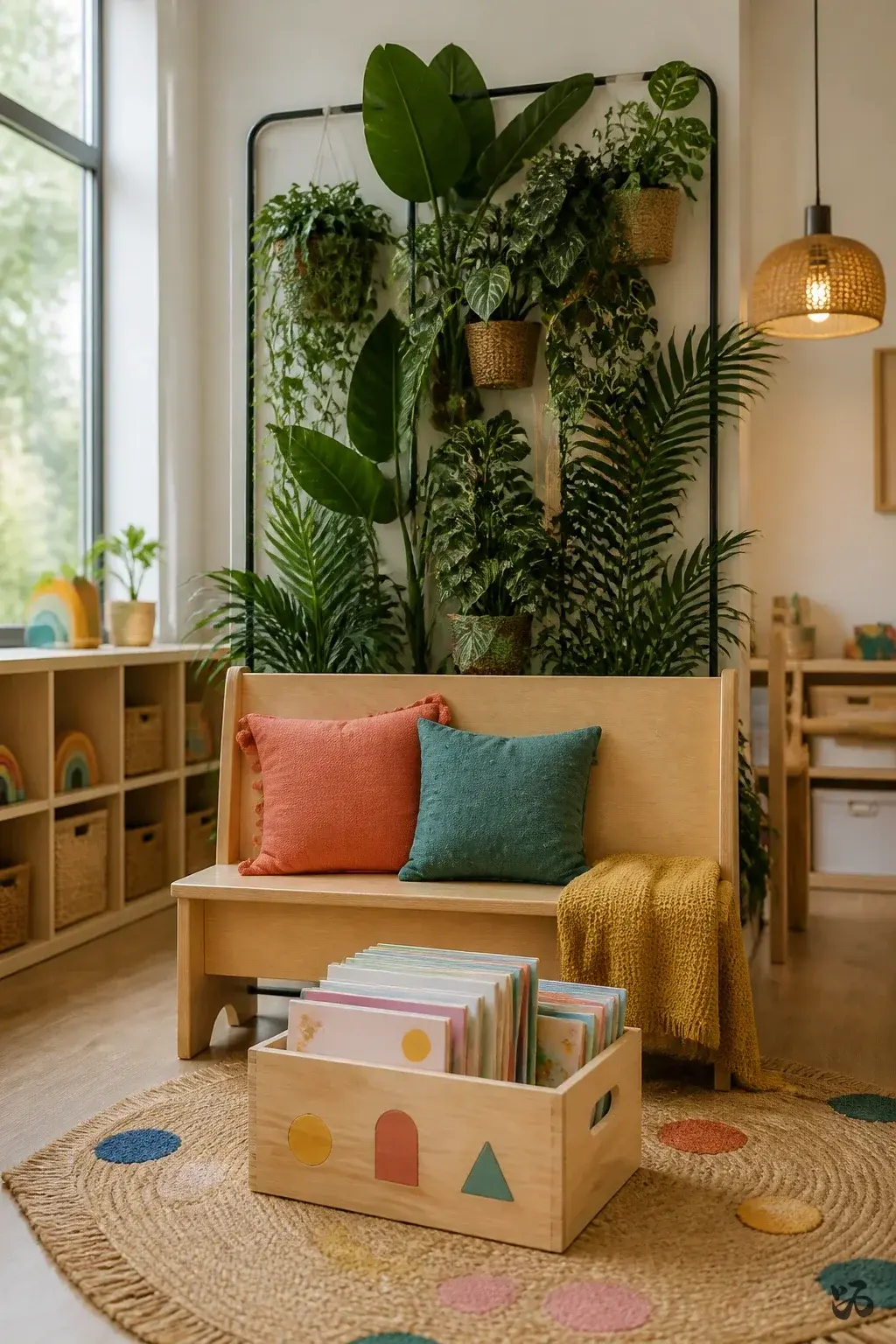 Save
SaveUse a tall plant stand or a cluster of artificial plants to form a backdrop for a reading corner. Add a small bench and a crate of picture books in front. The greenery adds a calming vibe and helps soften the space.
What you need
- Plant stand or artificial greenery
- Small bench
- Picture book crate
- Soft lighting nearby
- Removable wall hooks for safety
Low maintenance and visually appealing; works for all elementary grades.
21. Book Mailbox Station
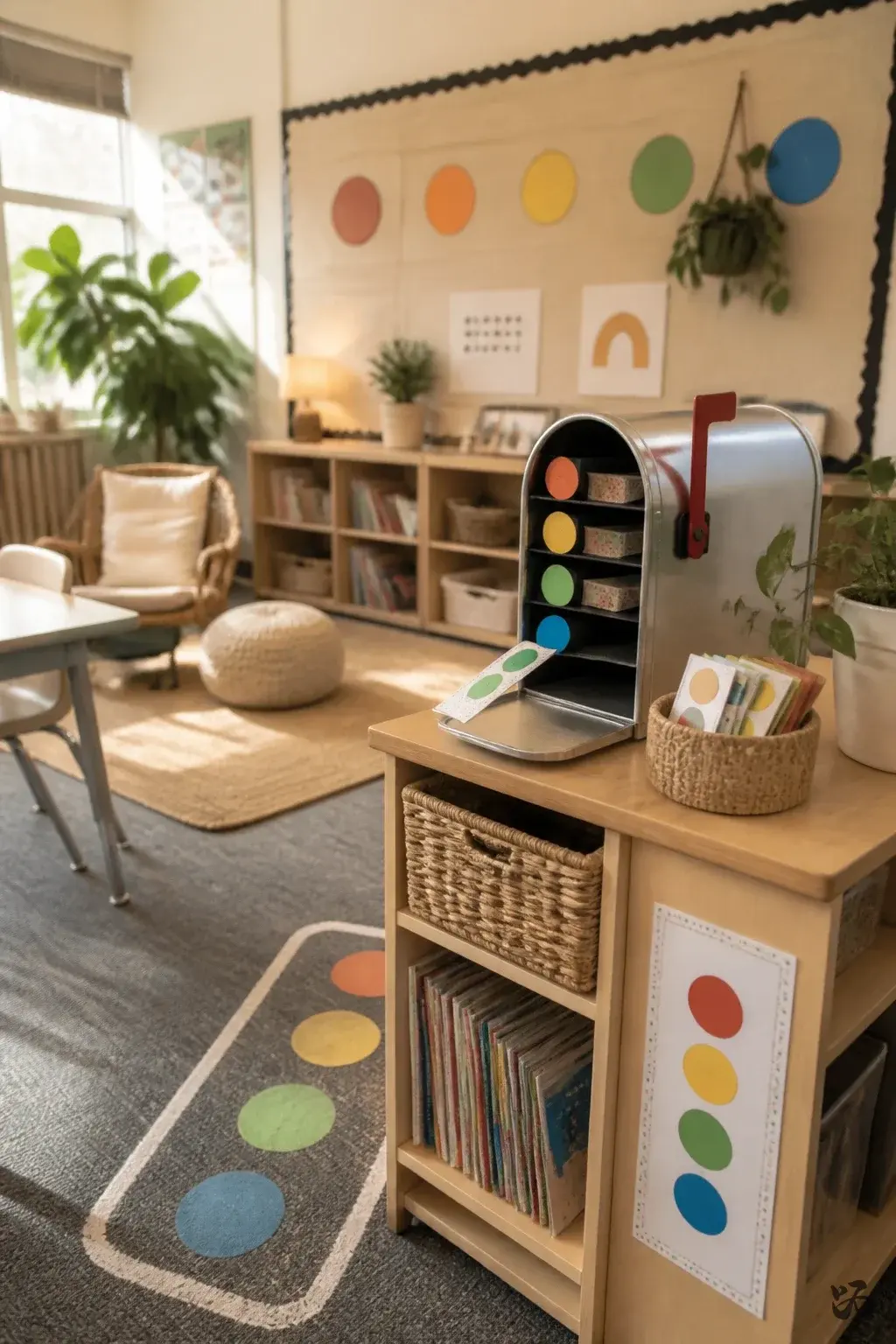 Save
SaveTaint a small mailbox or mail sorter with chalk markers to designate a “read and return” zone. Kids pick a book from the mailbox, read it, and place a bookmark or card back into the mailbox to track reading progress.
What you need
- Mailbox or sorter
- Bookmarks or index cards
- Leveled readers
- Chalk markers
- Label stickers for zones
Great for quick 5-minute reads during math or literacy centers; suitable for kindergarten through second grade.
22. Carpet Tiles with Themed Reading Path
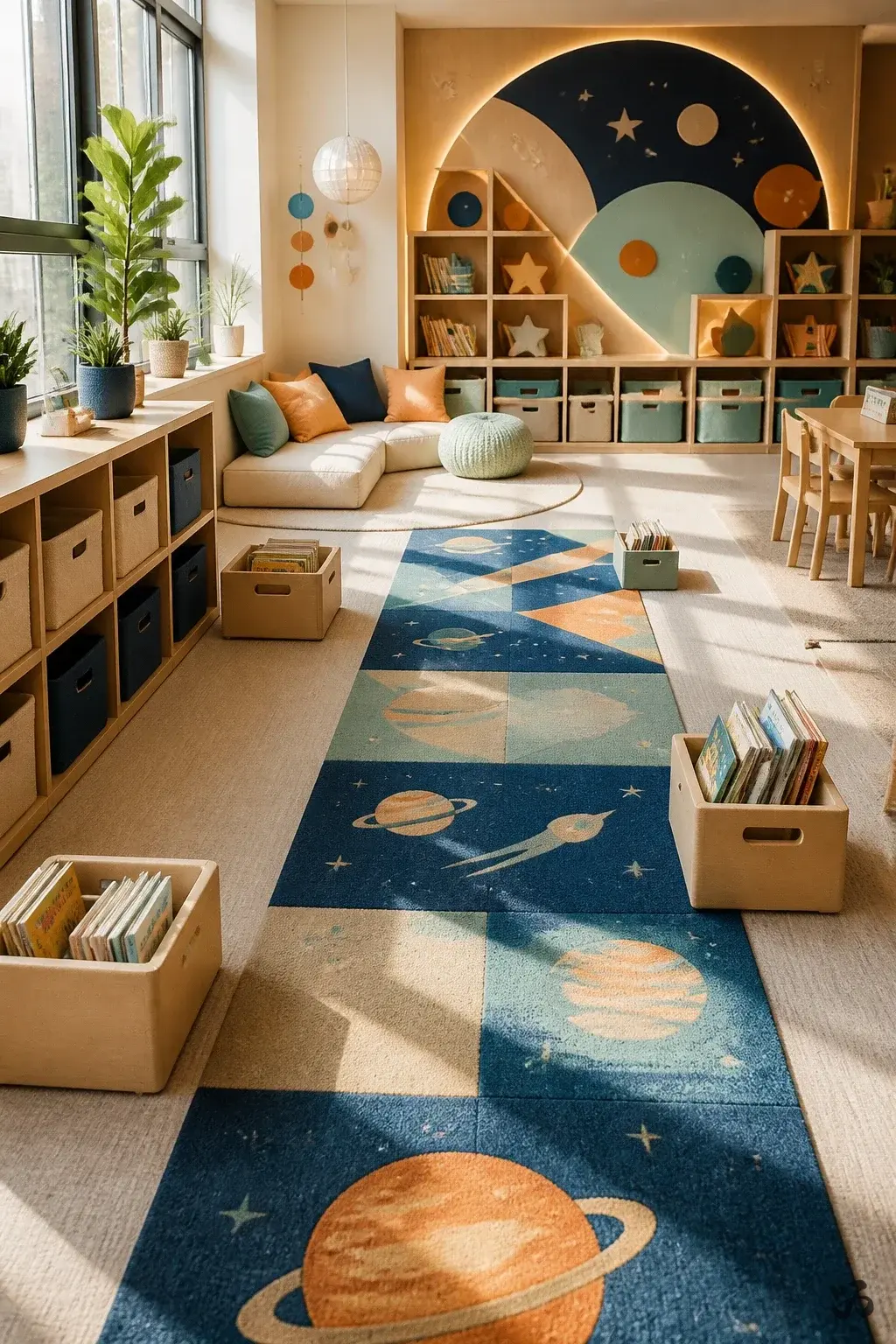 Save
SaveInstall a short trail of carpet tiles that guide students to a reading corner. Use a theme such as animals or space and place small book bins along the path for easy access.
What you need
- Carpet tiles
- Theme cards
- Book bins
- Non-slip underlay
- Labels for each station
Works well in rooms with limited bulletin boards; about 30 minutes to install; suitable for all elementary grades.
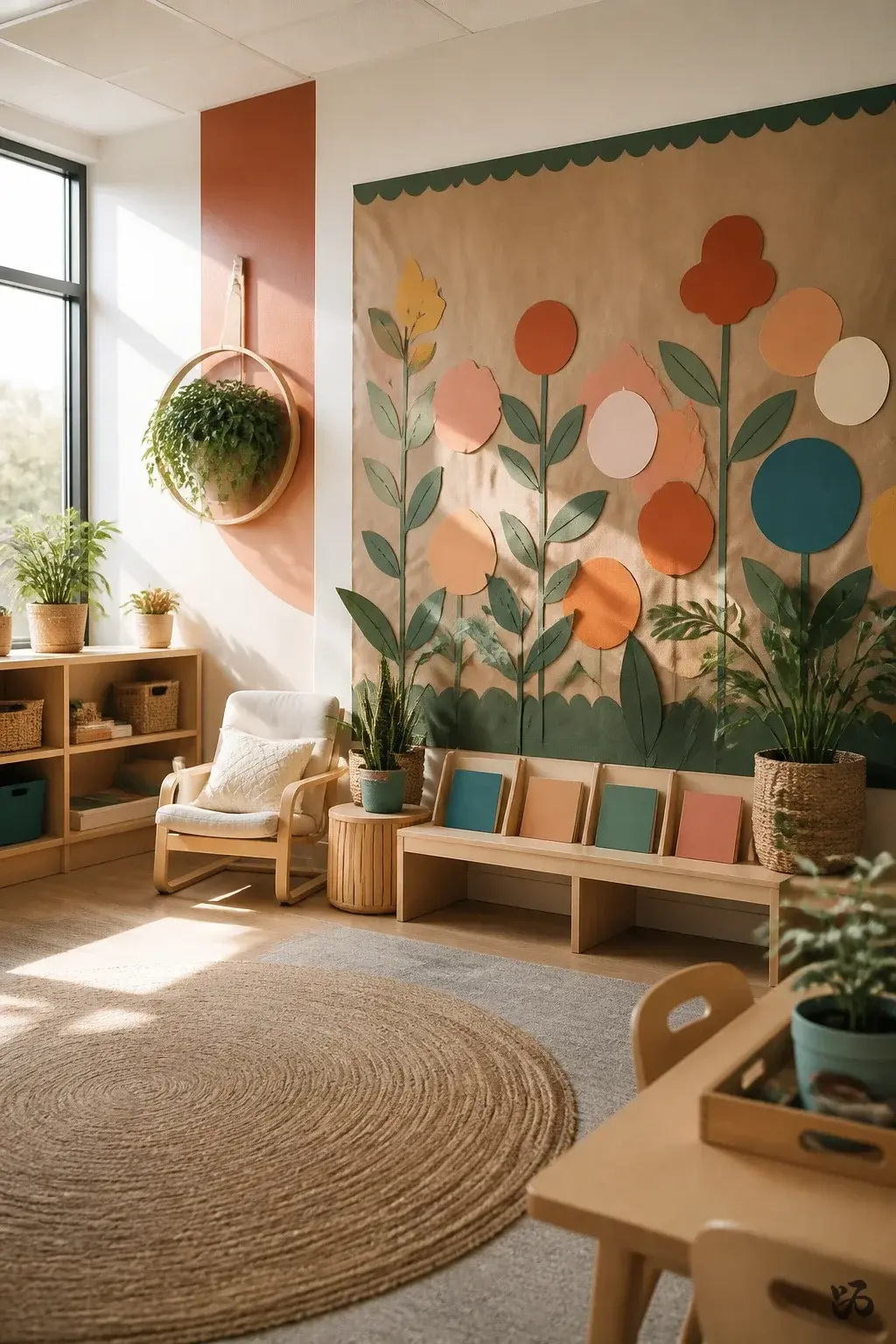
23. Word Wall Reading Garden
 Save
SaveTurn a portion of the wall into a mini garden of word cards and small plant decorations. A small bench sits in front with a few decodable readers for quick practice. Use butcher paper as a garden backdrop to keep things cohesive.
What you need
- Butcher paper
- Word cards
- decodable readers
- Small bench
- Adhesive letter decals
Promotes daily word practice; suitable for kindergarten through first grade.
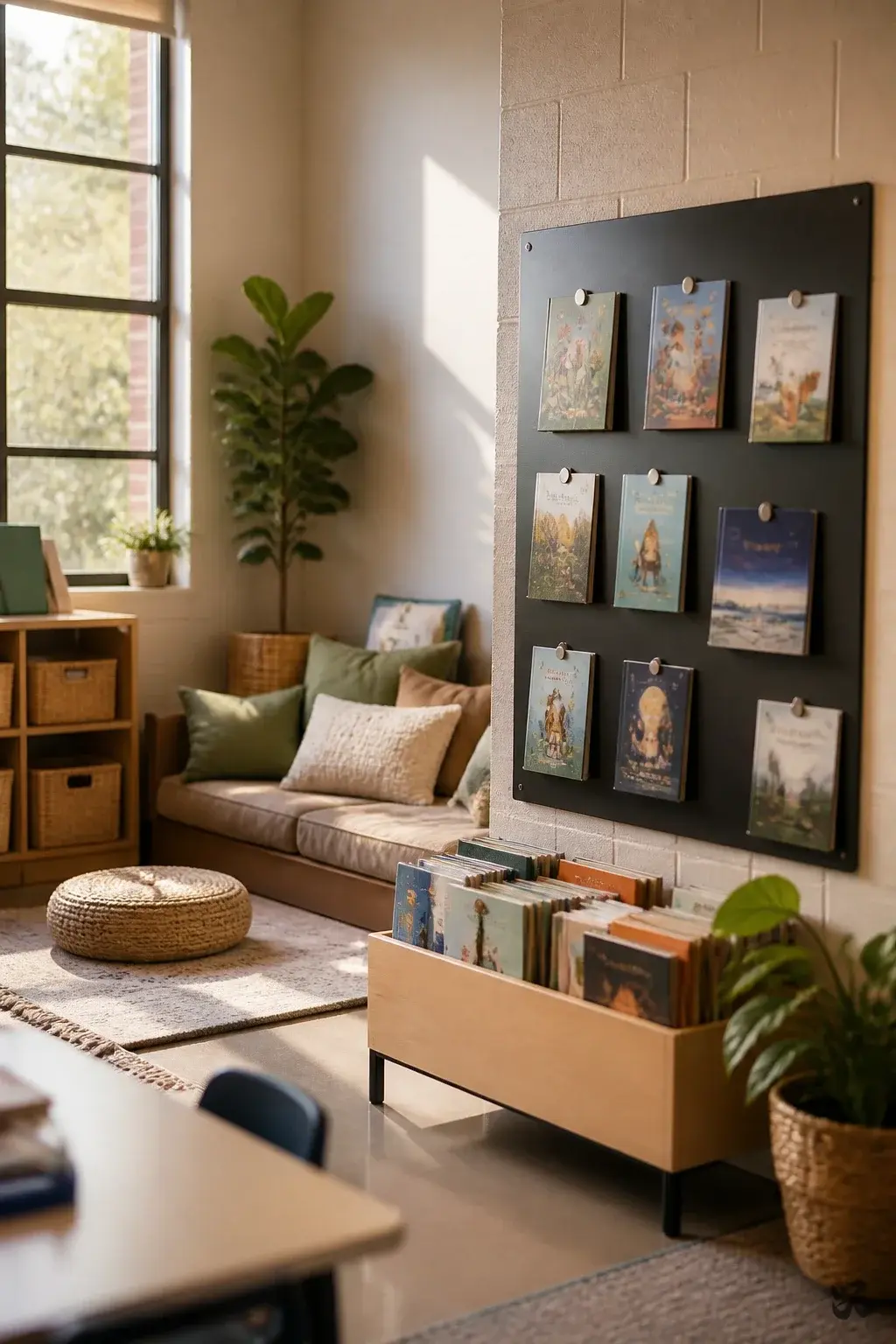
24. Magnetic Book Wall on a Cinder Block Corner
 Save
SaveAttach a magnetic board to a cinder block wall and hang lightweight magnetic book covers with magnets. The kids can rearrange titles and create a rotating display. Keep heavier books in a nearby bin for safety.
What you need
- Magnetic board
- Magnetic book covers
- Magnets
- Book bin
- Removable mounting tape
Great on mornings when you want a quick display change; best for first through third grade.
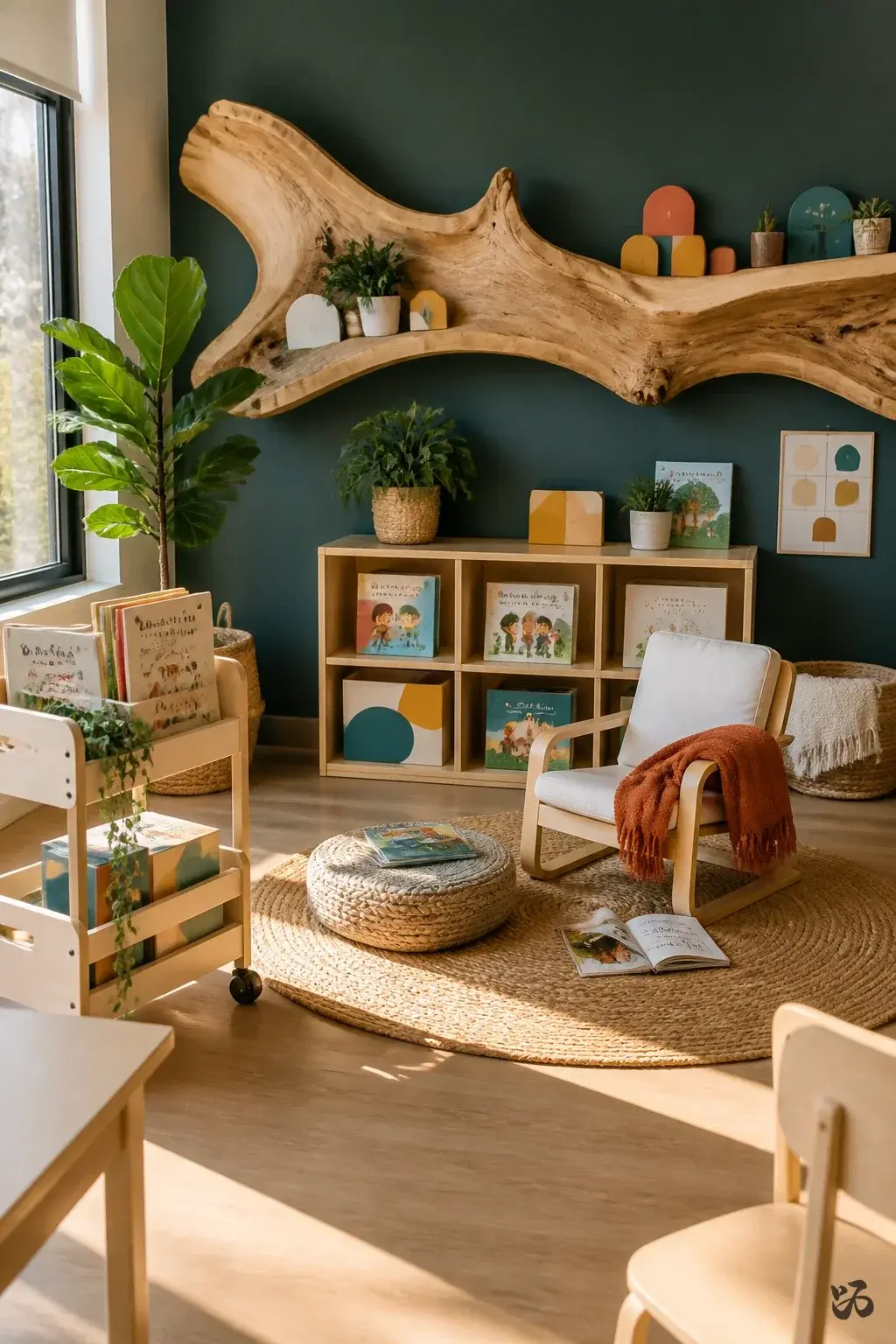
25. Open-Invite Reading Corner with Parent Night Prep
 Save
SaveSet up a simple reading corner that stays inviting all year, but plan for parent night by adding a small sign about how kids choose books and read times. Display a few favorite titles and a simple chart showing how to return books. Use a rolling cart to move books to shared areas during Open House.
What you need
- Small reading corner setup
- Favorite titles
- Book return chart
- Rolling cart
- Open House signage printing
Leave it simple and easy to remove or adapt; suitable for all elementary grades and pre-K.
Frequently Asked Questions
What should be in a classroom reading corner?
Something soft to sit on, a rug to mark the space, books displayed at kid height with the covers facing out, and a little warm light. A simple sign or theme is a bonus, but comfort and easy-to-reach books matter far more.
How do you make a reading corner in a small classroom?
Use a corner or a strip of wall rather than floor space. A wall ledge for books, two floor cushions and a small rug can fit in a space barely wider than a desk, and you can roll a book cart out of the way when you need the room.
How do you keep a reading corner tidy?
Sort books into labeled bins by theme or level, give every bin a home, and make putting books back part of a class job. Rotating a small set of books every few weeks also keeps the corner fresh without overflowing shelves.
Final Thoughts
A reading corner does not need to be big or expensive. Start with a rug, a couple of cushions and books kids can reach, then add one idea from this list at a time as you see what your class uses.
More classroom ideas
- 12 Elementary Classroom Reading Corner Themes
- Reading Corner Display Ideas for Classrooms
- 8 Classroom Reading Areas with Natural Wood and Greenery
- 14 Floor Cushion Reading Nook Ideas
- 15 Neutral Classroom Decor Ideas
All designs featured here are imaginative visual concepts. Every image is original and thoughtfully created by Shinku Studio.