
Some links in this post are affiliate links. If you buy through one, I may earn a small commission at no extra cost to you. As an Amazon Associate I earn from qualifying purchases.
Every teacher gets a chatty class at some point. Nice kids, lots of energy, and a noise level that climbs the second you turn to the board.
A good behavior chart makes expectations visible so you are not repeating yourself all day. These 24 classroom behavior chart ideas focus on positive routines, from voice level charts to kindness boards, and all of them are simple to make.
Four tools that help with a chatty class
- Time Timer visual timer: Kids can see exactly how long quiet work lasts, which cuts the constant “how much longer?”
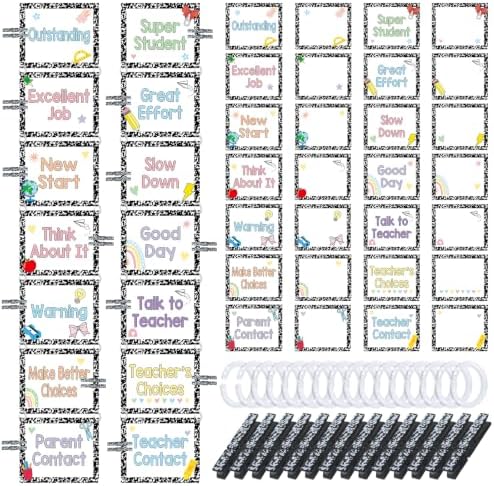
- Behavior clip chart: A ready-made clip chart you can put up today and move clips on in seconds.
- Clear pocket chart: Holds voice level cards, jobs or class goals and lets you swap them quickly.
- Mini wooden clothespins: Easy for small hands to move, and name pins last all year.
New from Shinku Studio
 Save
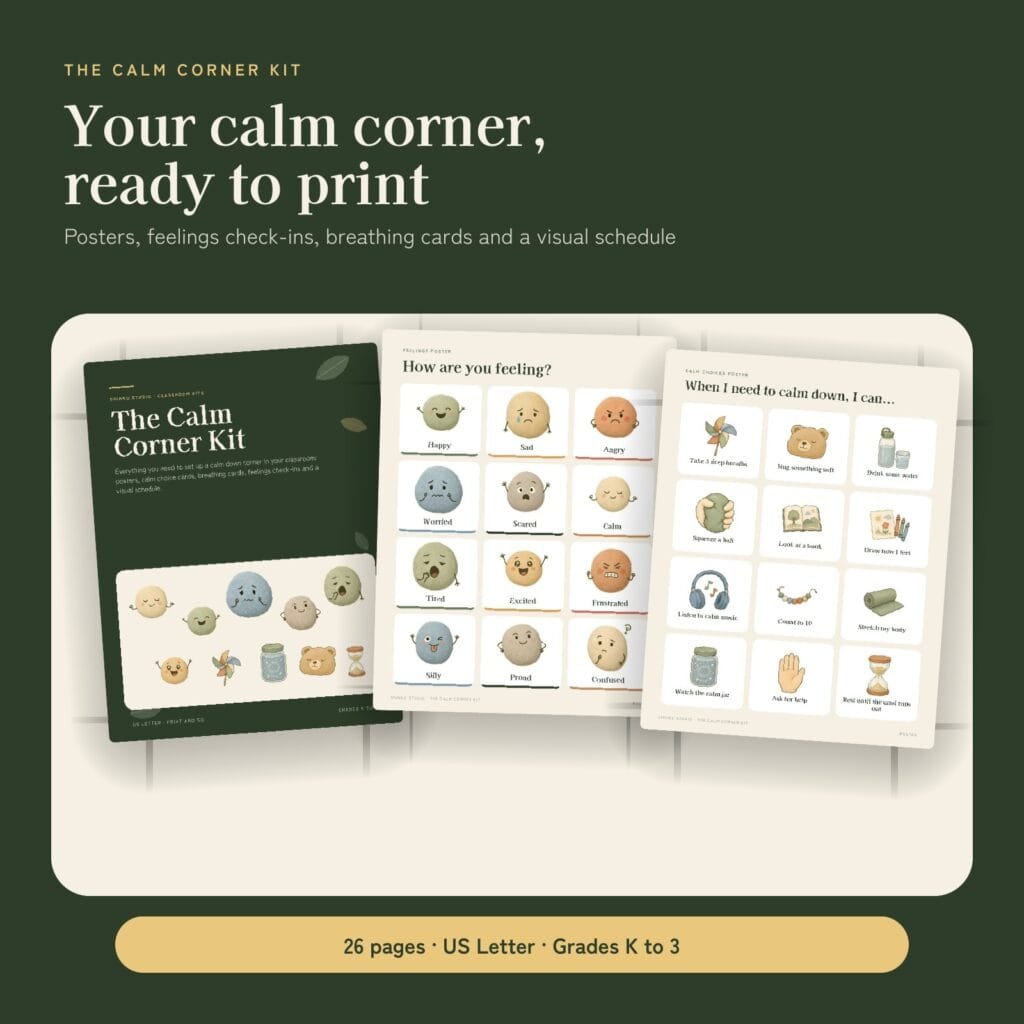
SaveA calm corner does the work a chart can’t. The Calm Corner Kit has everything for a calm down corner in soft, neutral colors: a feelings chart, breathing cards, calm choice cards, check-in sheets and a visual schedule. Print it and the corner is ready.
1. Snowball Voice Level Chart
 Save
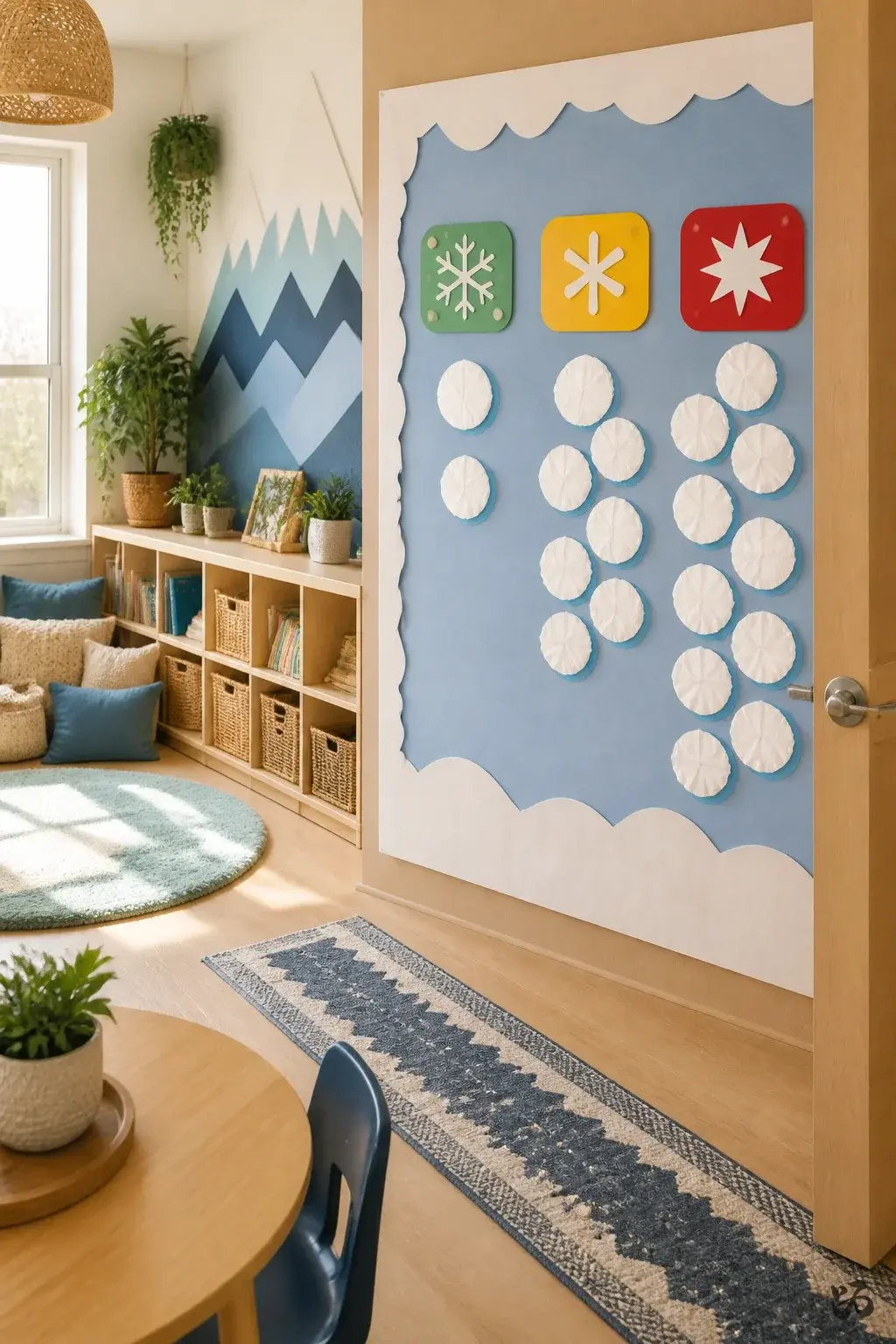
SaveKids color a snowball with their name on construction paper and place it on a wall chart under “Quiet Talking,” “Good Listening,” or “Loud Talk.” The display is simple and changes daily as behavior shifts. Place it near the doorway so students can see their progress as they enter class.
What you need
- Construction paper in white and blue
- Bulletin board border roll for a snowy frame
- Marker labels for name tags
- Adhesive putty or removable sticky
- Cardstock for the goal headings
Two to three days to set up; works best for pre-K to first grade.
2. Clothespin Get-Ready Chart
 Save
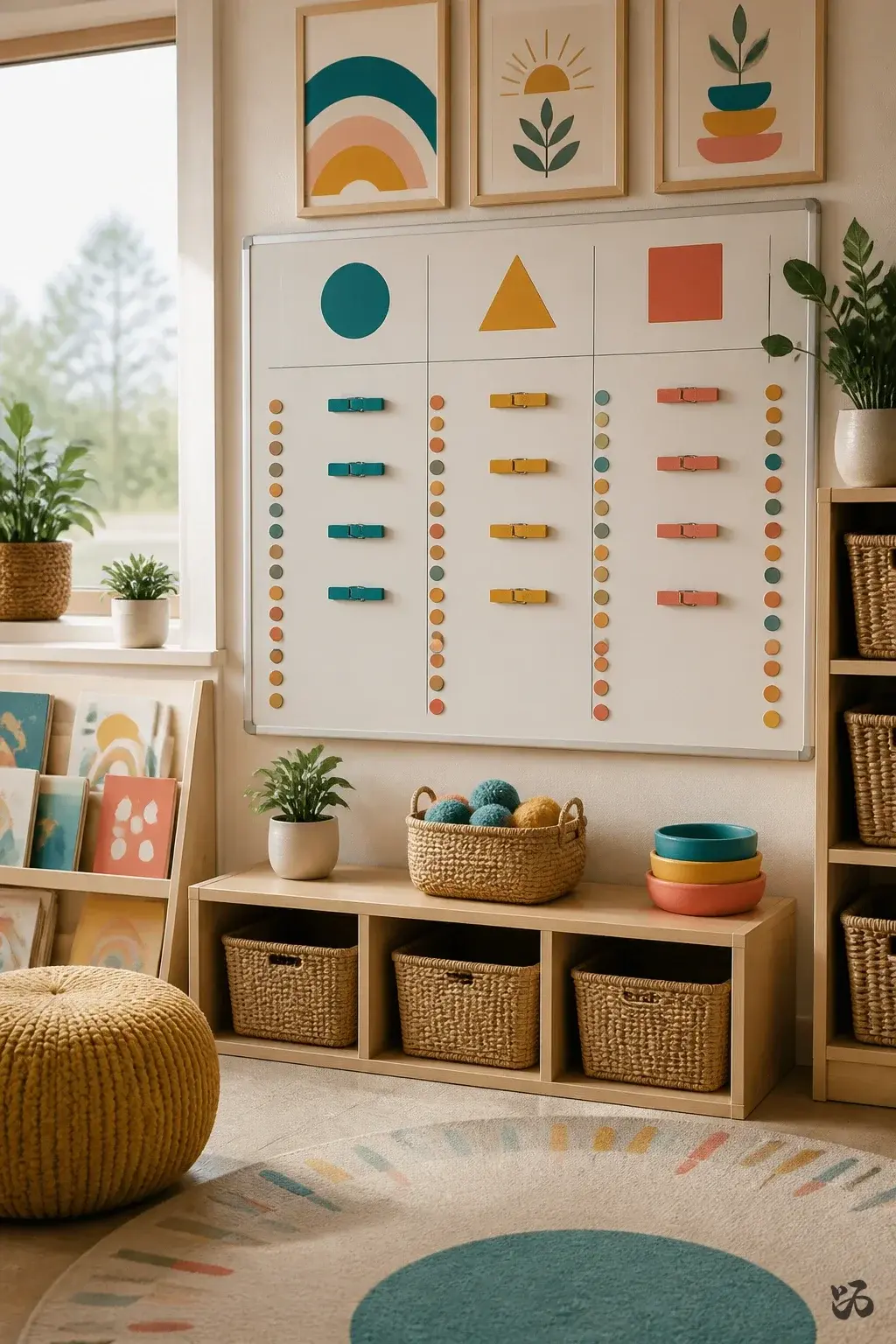
SaveA morning routine chart with three columns: “Listening,” “Participating,” and “Cooperation.” Students move clothespins or Velcro pieces as they enter, during instruction, and at clean-up. It’s durable and sits on a magnetic whiteboard if you can’t tape to the wall.
What you need
- Magnetic whiteboard or bulletin board border
- Colored clothespins or Velcro pieces
- Label cards for each behavior
- Removable mounting putty
- Cardstock for base labels
Great for a quick read at homeroom; avoid big paper on doors.
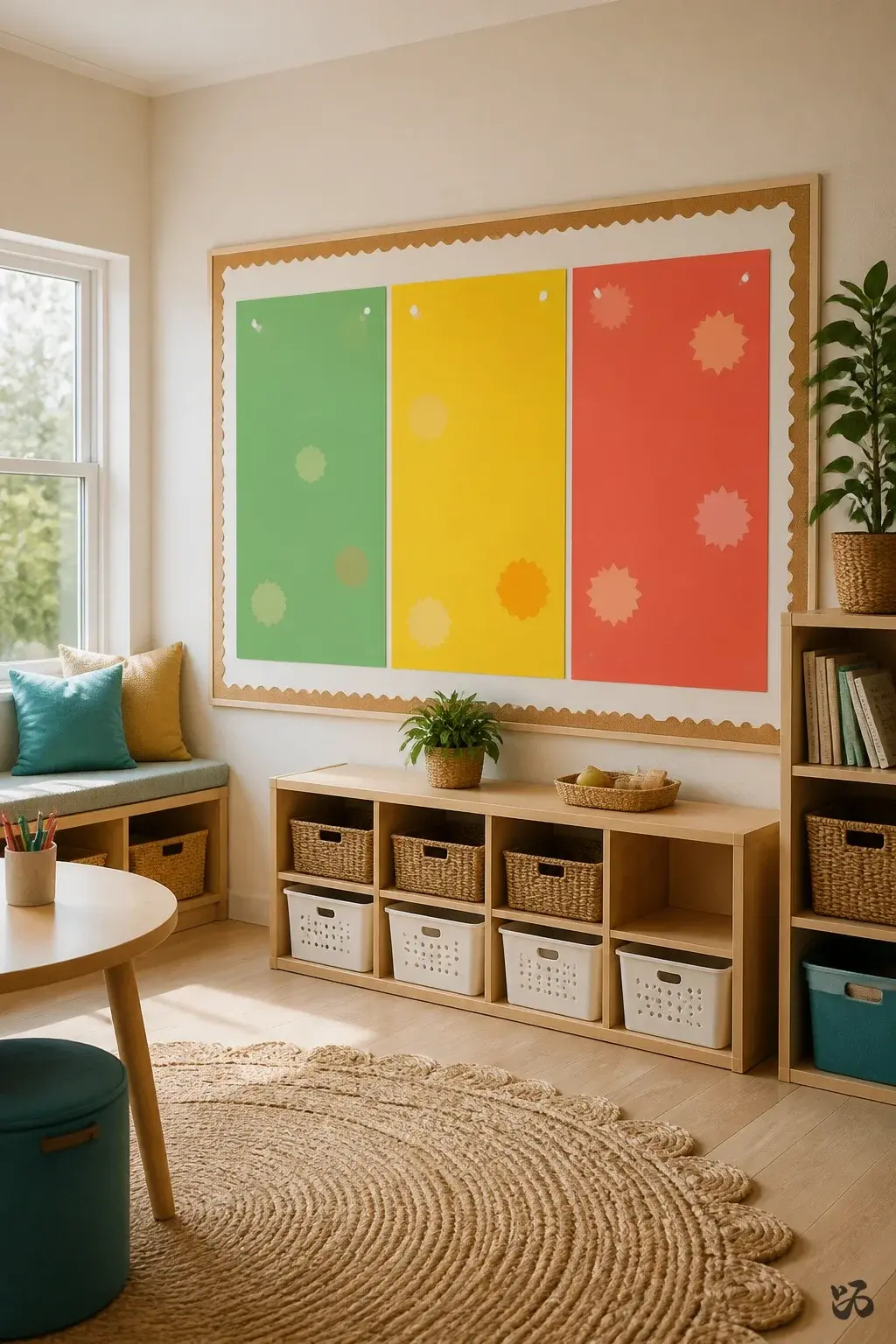
3. Color-Coded Voice Cards
 Save
SaveThree color zones (green, yellow, red) on a hallway bulletin board. When students exhibit positive behavior, they receive a green card; soft reminders go to yellow; red signals a need for a quick check-in. The system stays calm and predictable.
What you need
- Green, yellow, red cardstock
- Velcro dots or push pins for wall placement
- Numbered labels for tracking
- Low-tack tape to keep edges neat
One prep period to assemble; avoid excessive door coverage.
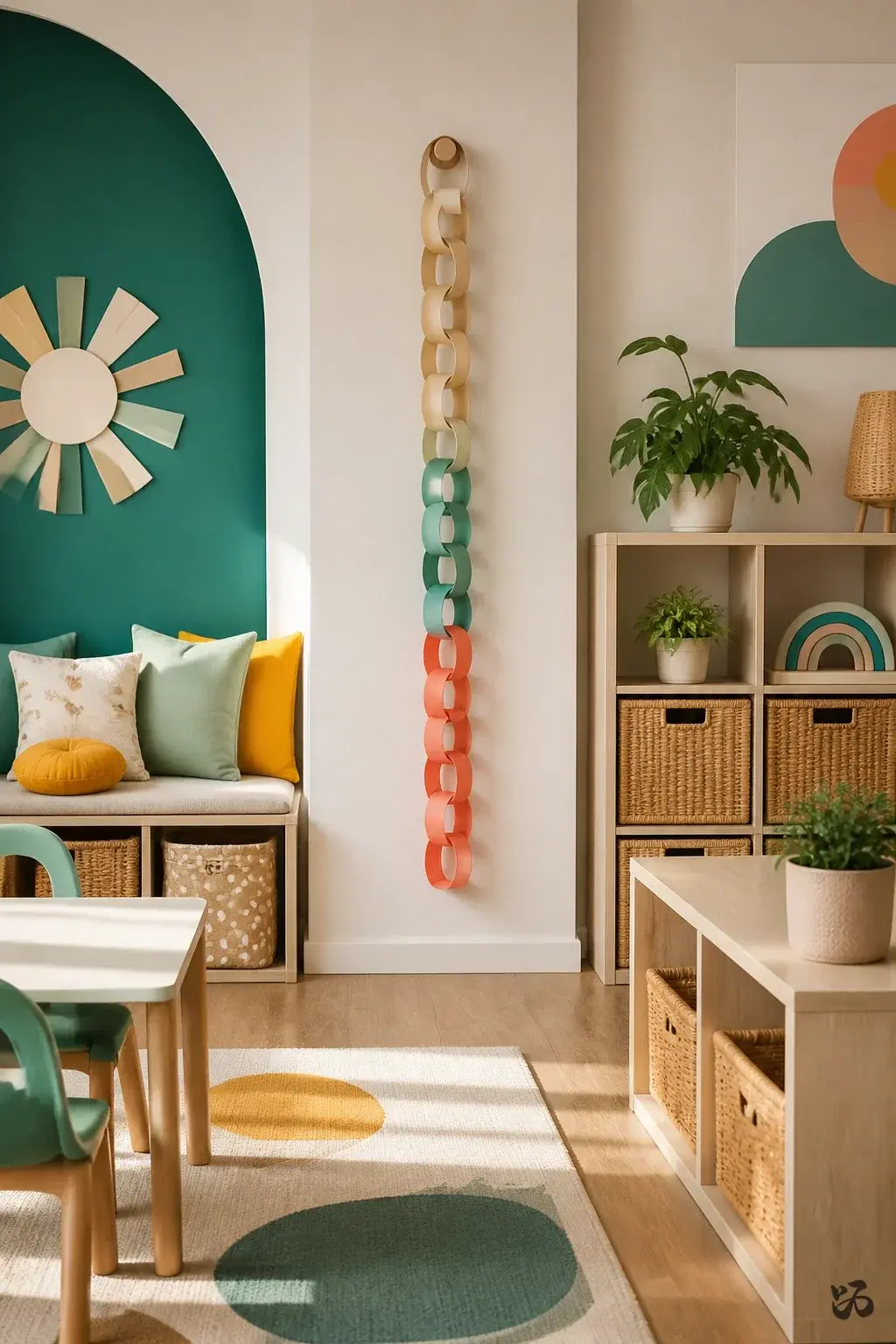
4. Paper Chain Self-Management Countdown
 Save
SaveA long paper chain on the classroom wall counts down to a chosen reward or activity. Every morning a student adds one link for “ready to listen” and pulls one after a successful transition. The chain shrinks as the day goes on, offering a visible sense of progress.
What you need
- Butcher paper or construction paper
- Markers for writing goals
- Ribbon or string to hang
- Scissors for cutting links
- Staples or tape to connect links
Good for first grade down to pre-K; avoid too much paper on doors.
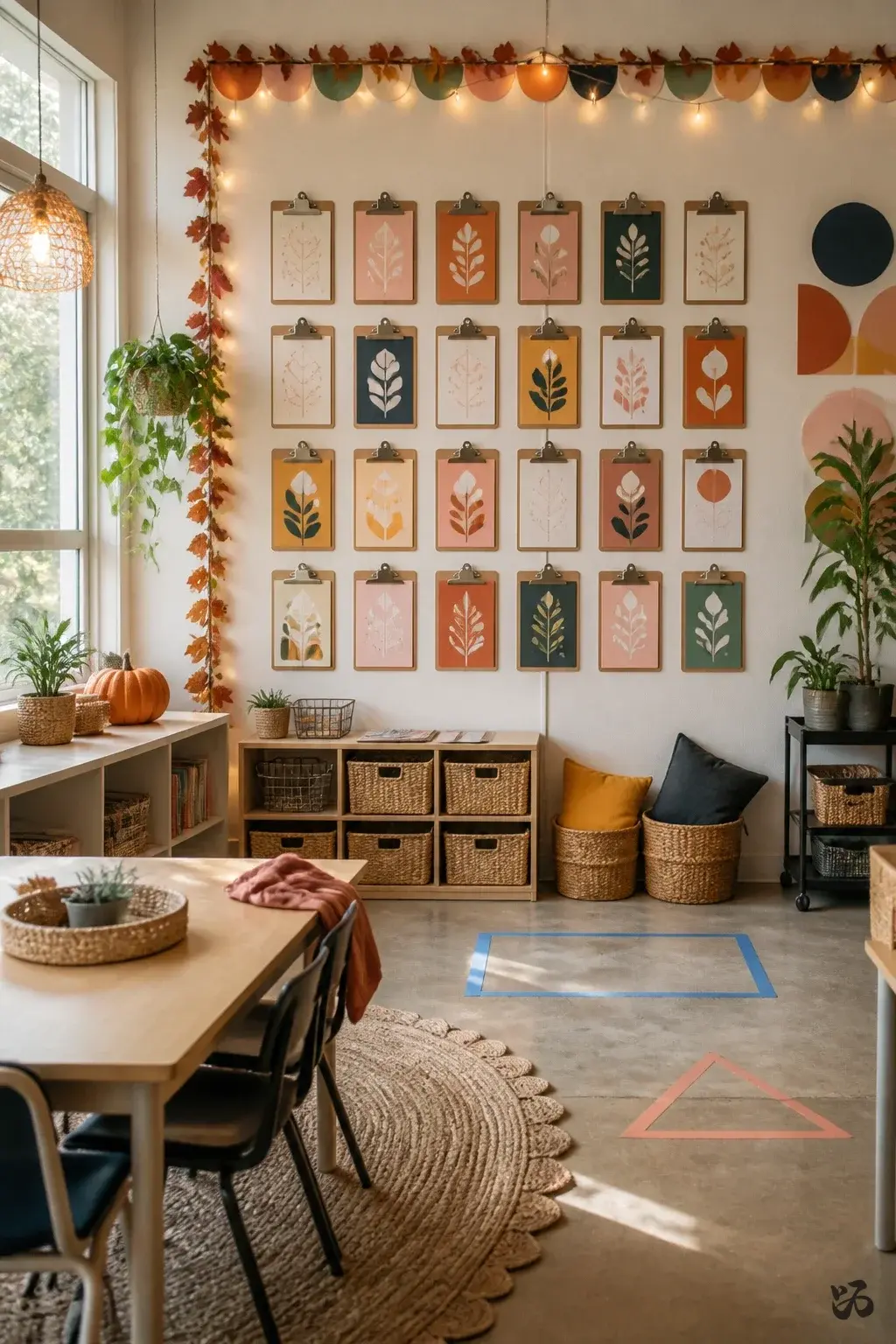
5. Station Sign-Ins on a Clipboard Wall
 Save
SaveEach station has a mini clipboard with a sign-in card that asks, “How was your listening today?” Kids place their clip on the “Great Listener” or “Working On It” line when they switch tasks. This reduces class-wide talk during transitions.
What you need
- Clipboards
- Index cards for responses
- String lights or a seasonal border to frame
- Masking tape to create zones
- Cardstock for signage
One prep period; works well for second grade and younger with supervision.
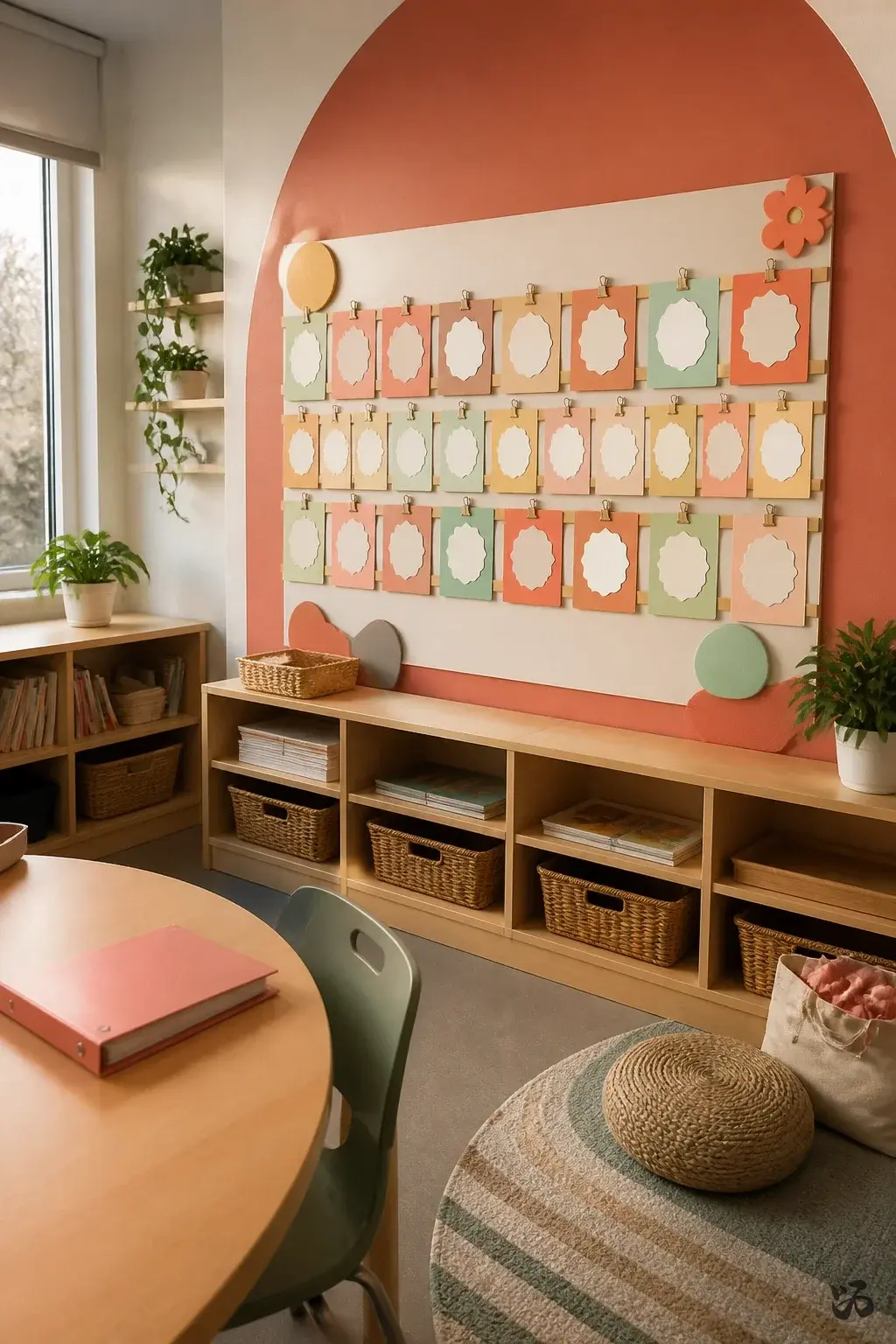
6. Sticker-Only Behavior Journal Panels
 Save
SaveA wall panel with spaces for two stickers per student per day. At the end of the day, kids earn a star for meeting expectations. The panel helps students see their steady progress without public comparisons.
What you need
- Colored stickers
- Cardstock panels with student names
- Binder clips to attach on a file wall
- Low-tack tape for durability
- Marker set for quick notes
Two days to prepare; ideal for lower elementary grades.
7. Quiet-Room Timer Display
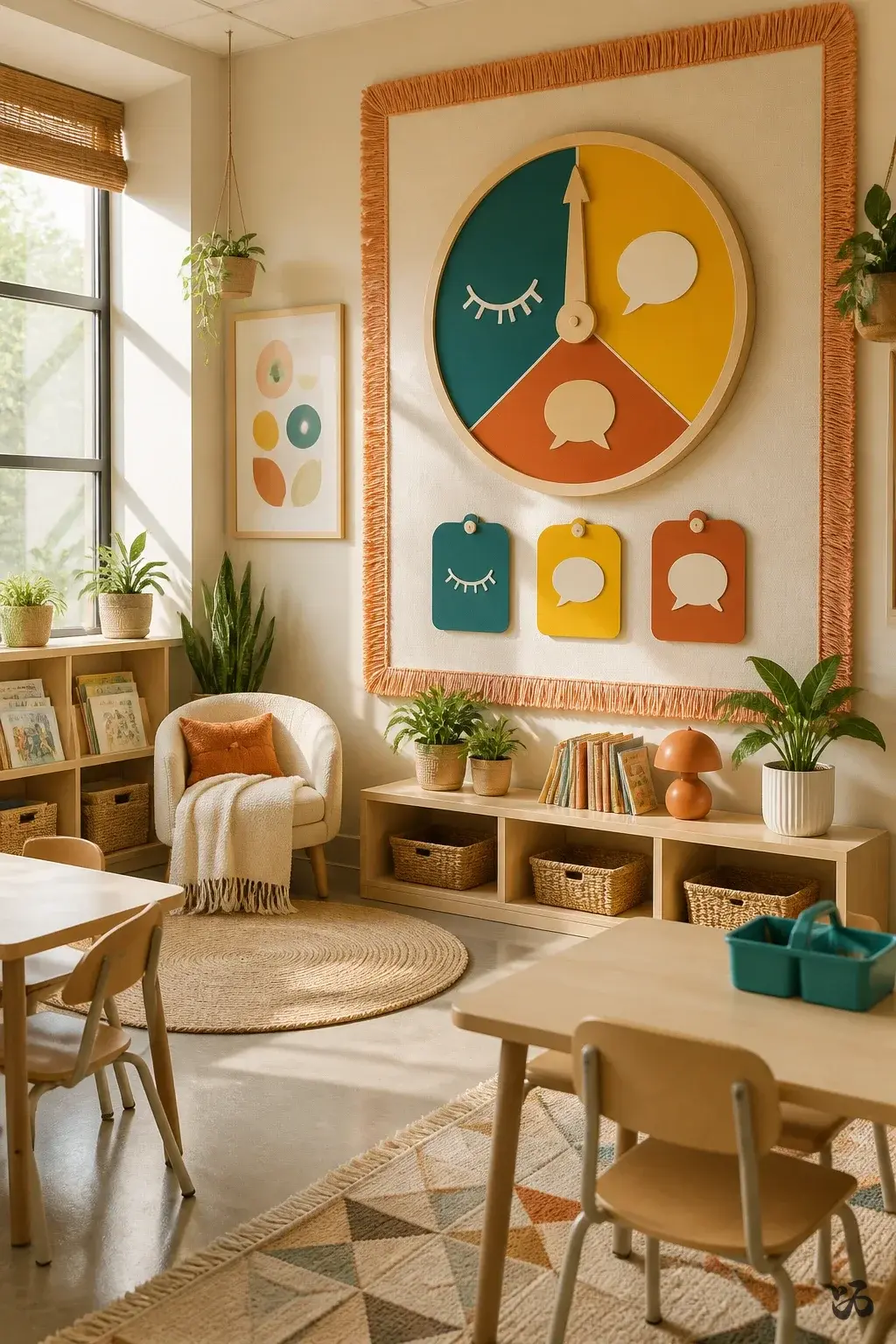 Save
SaveA visual timer display with friendly icons that indicate “silence,” “soft voices,” and “normal talking.” The timer helps regulate transitions and keeps noise at a predictable level. Place it where it’s visible to the whole class but not near the door where it could be bumped.
What you need
- Large timer or wall clock
- Icon cards for levels
- Poster board for framing
- Fringe border or ribbon for decoration
- Sticky notes for quick updates
Works in most classrooms; avoid heavy laminated pieces that glare under lights.
If your class is chatty, try Don’t Wake Sensei, the free quiet-classroom game I built for my own room. Put it up on the board and the class keeps the noise under the line to earn the next karate belt, while Sensei naps. Get it free here.
8. Movement-Friendly Zones Map
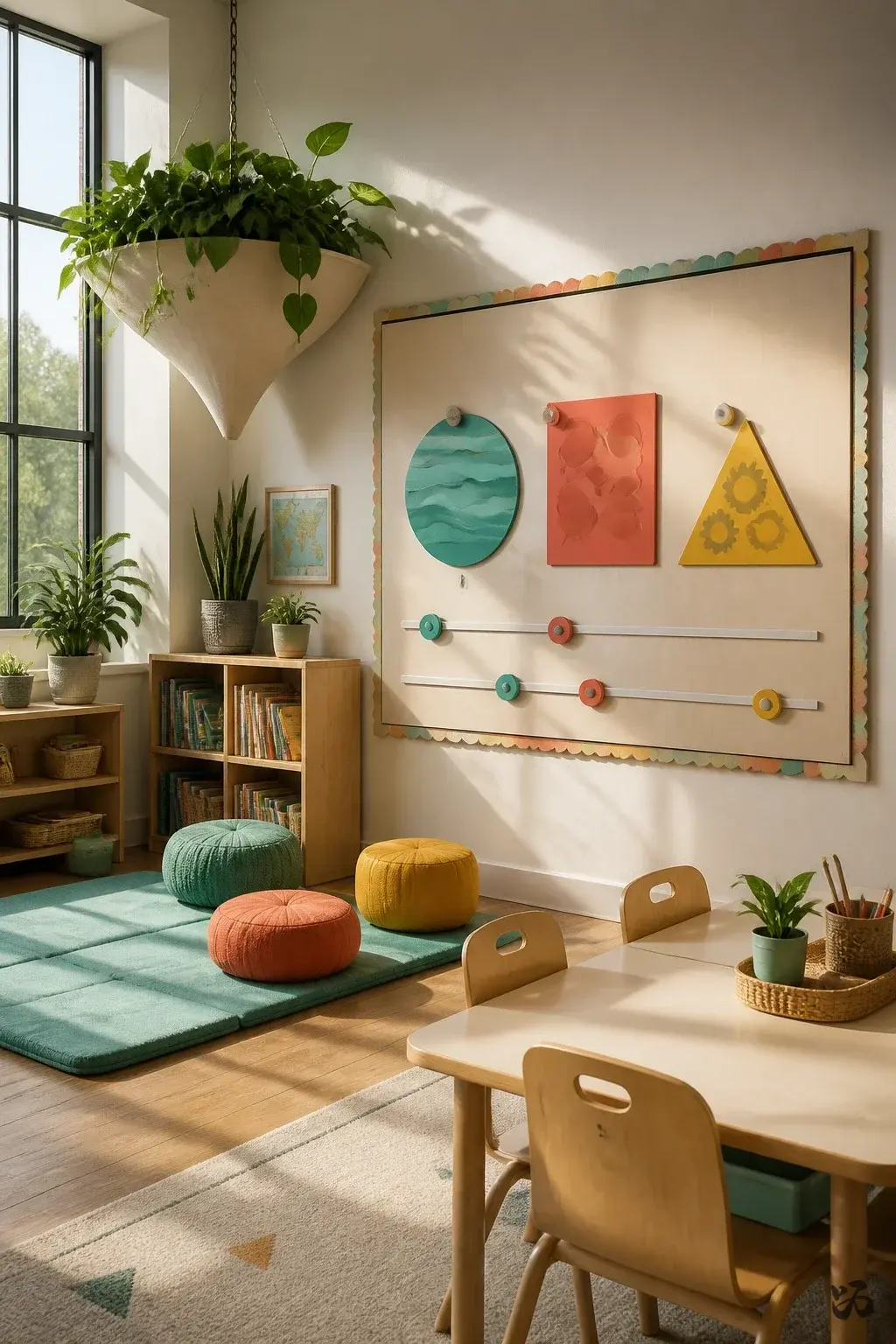 Save
SaveA map on the wall shows zones: Listening Corner, Talk Time Table, Helper Nook. Students move a magnet when they switch zones, fostering flexible behavior and easy tracking during centers.
What you need
- Magnetic letters or magnets
- Poster board for the map
- Adhesive magnet strips
- Cartoon border trim
- Label cards for zone names
Relies on magnets, avoid staples on cinder walls; good for kinder to second grade.
9. Classroom Contracts on Durable Banner
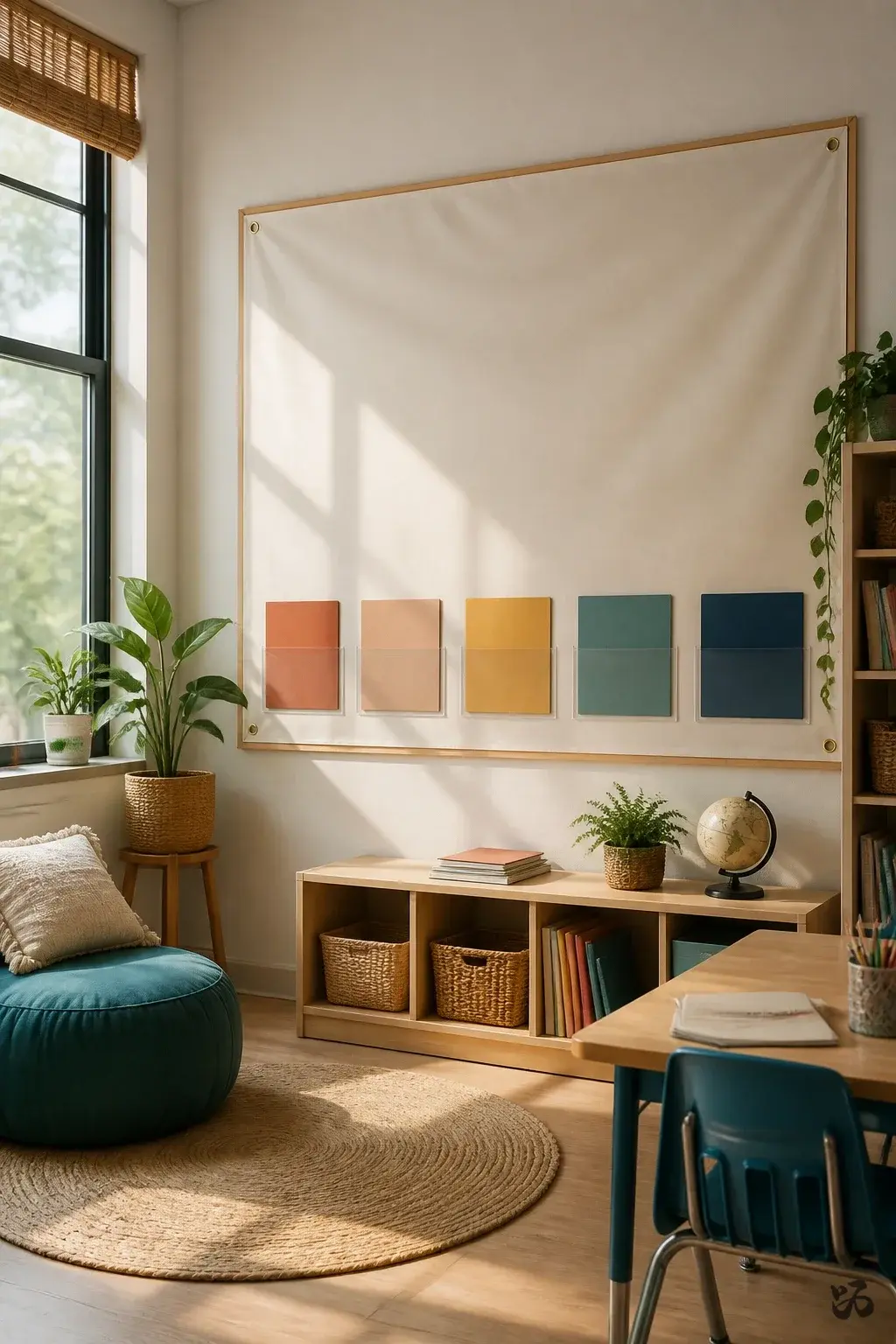 Save
SaveA durable banner lists three simple rules co-created with students. It stays up all year and gets updated with small edits. When a behavior issue arises, refer back to the contract to remind students of agreed norms.
What you need
- Vinyl banner or heavy-duty butcher paper
- Dry-erase markers for updates
- Clear pockets to store quick references
- Cardstock rule cards for student copies
- Adhesive Velcro for easy repositioning
One afternoon to assemble; avoid tall banners that hit the ceiling on busy days.
Behavior charts teachers use
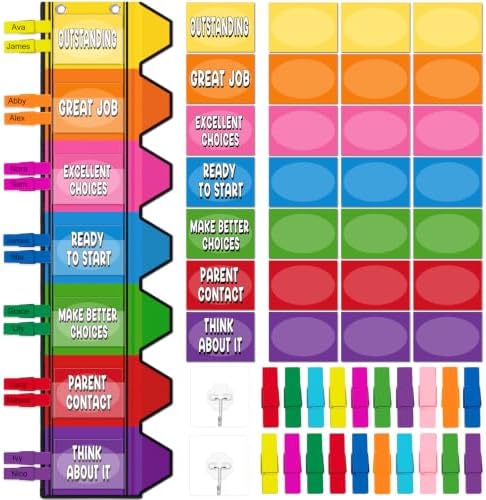

10. Construction Paper Framed Behavior Meter
 Save
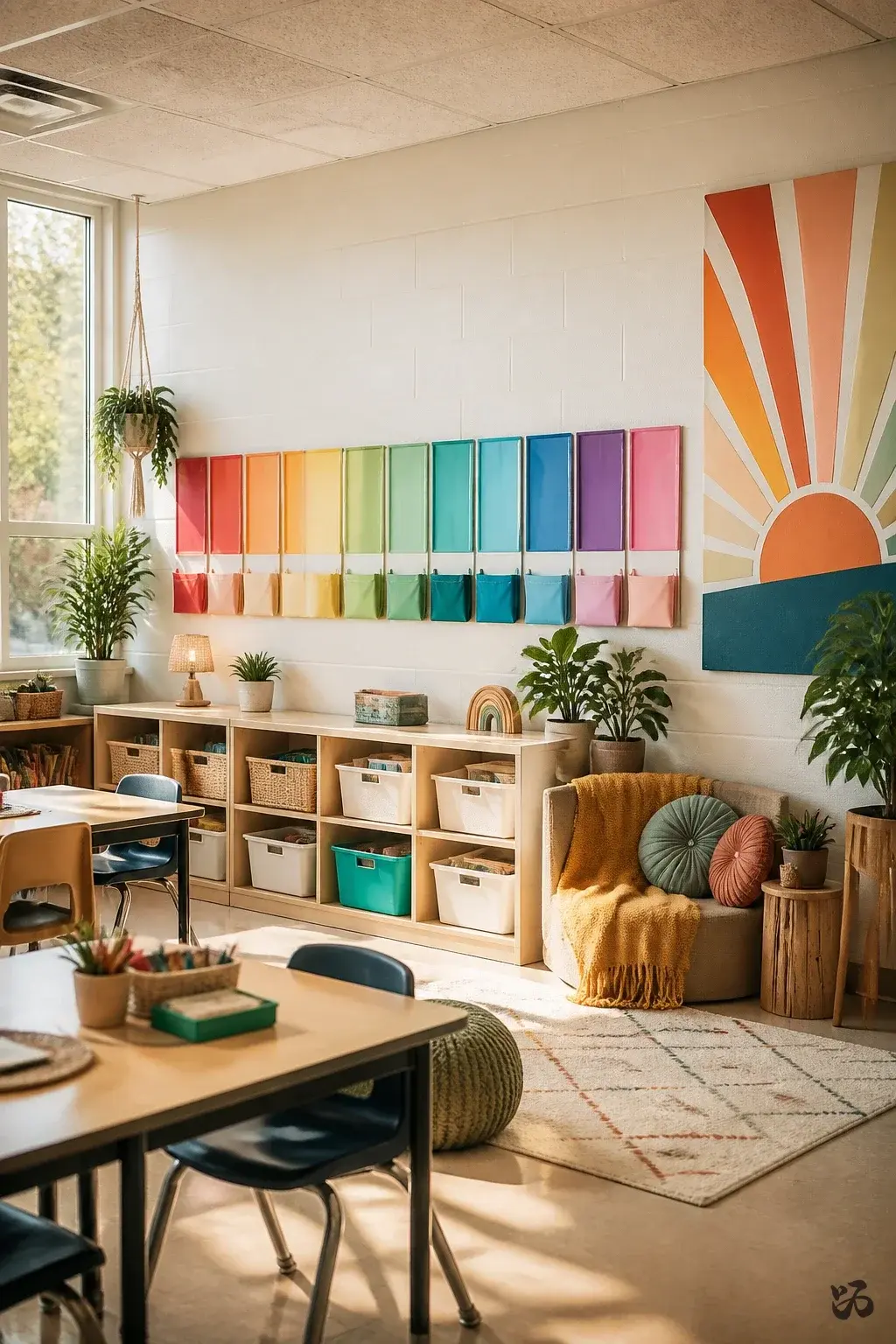
SaveA long meter of color bars on construction paper frames the day from start to finish. Each bar corresponds to a time segment with a note about expected behavior. It’s visible from the back of the room and easy to adjust during a prep period.
What you need
- Construction paper in a gradient
- Butcher paper backing
- Colored markers
- Envelopes or mini pockets for notes
- Stapler or tape for assembly
Flexible for any elementary grade; avoid fragile corners on a busy wall.
11. “Caught Being Kind” Bulletin Board
 Save
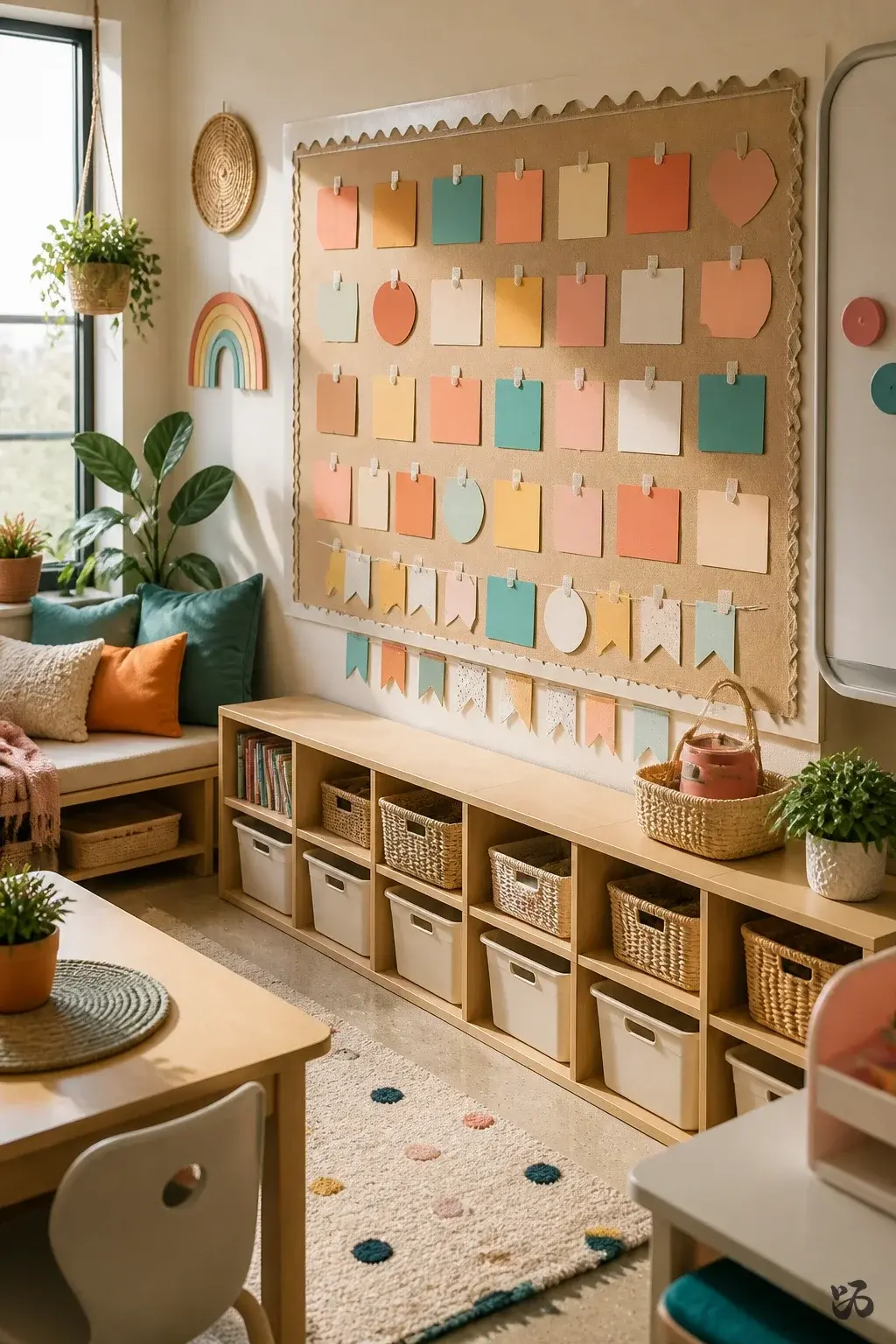
SaveEach time a student demonstrates kindness, a small card goes on a dedicated bulletin board. The board grows with teamwork marks rather than punitive signals, reinforcing positive interactions without shaming.
What you need
- Cardstock cards for kindness notes
- Push pins or removable tape
- Border trim to frame the board
- Colored markers for writing names
- Index cards for quick notes
One prep period; best for classrooms with open walls, not near doors.
12. Whisper Voice Window Display
 Save
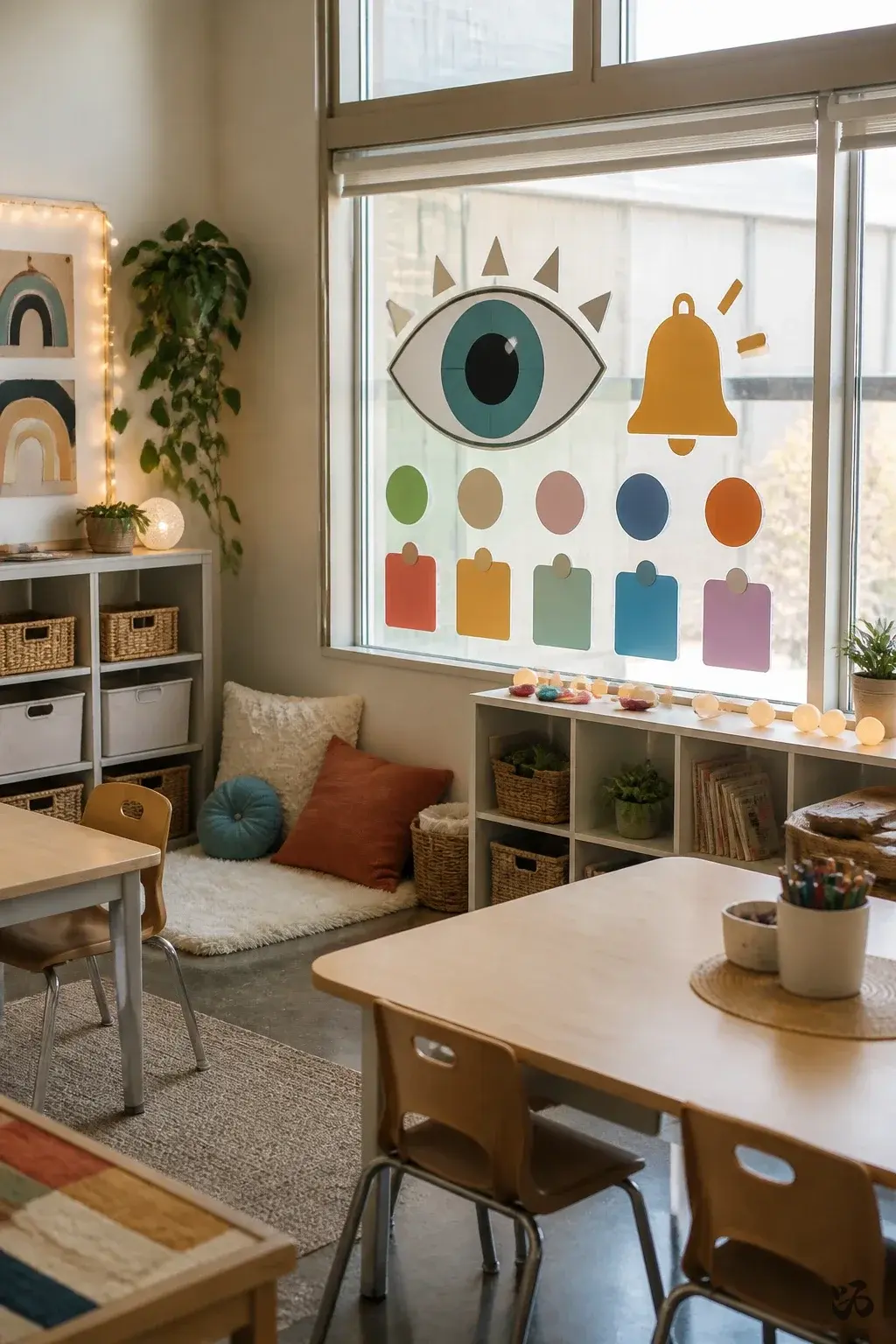
SaveA window decal with a big eye and a bell icon indicates how loud the room should be during seat work. Kids help move a sticker to the appropriate level as the noise rises or falls. It’s bright and cheerful without dominating the wall space.
What you need
- Window-safe decals
- Sticky-backed felt shapes
- Removable tape or suction hooks if allowed
- Cardstock labels for level names
- String lights for a soft glow at night
Laminate not required; keep it at eye level for students.
13. Token Track Behavior Line
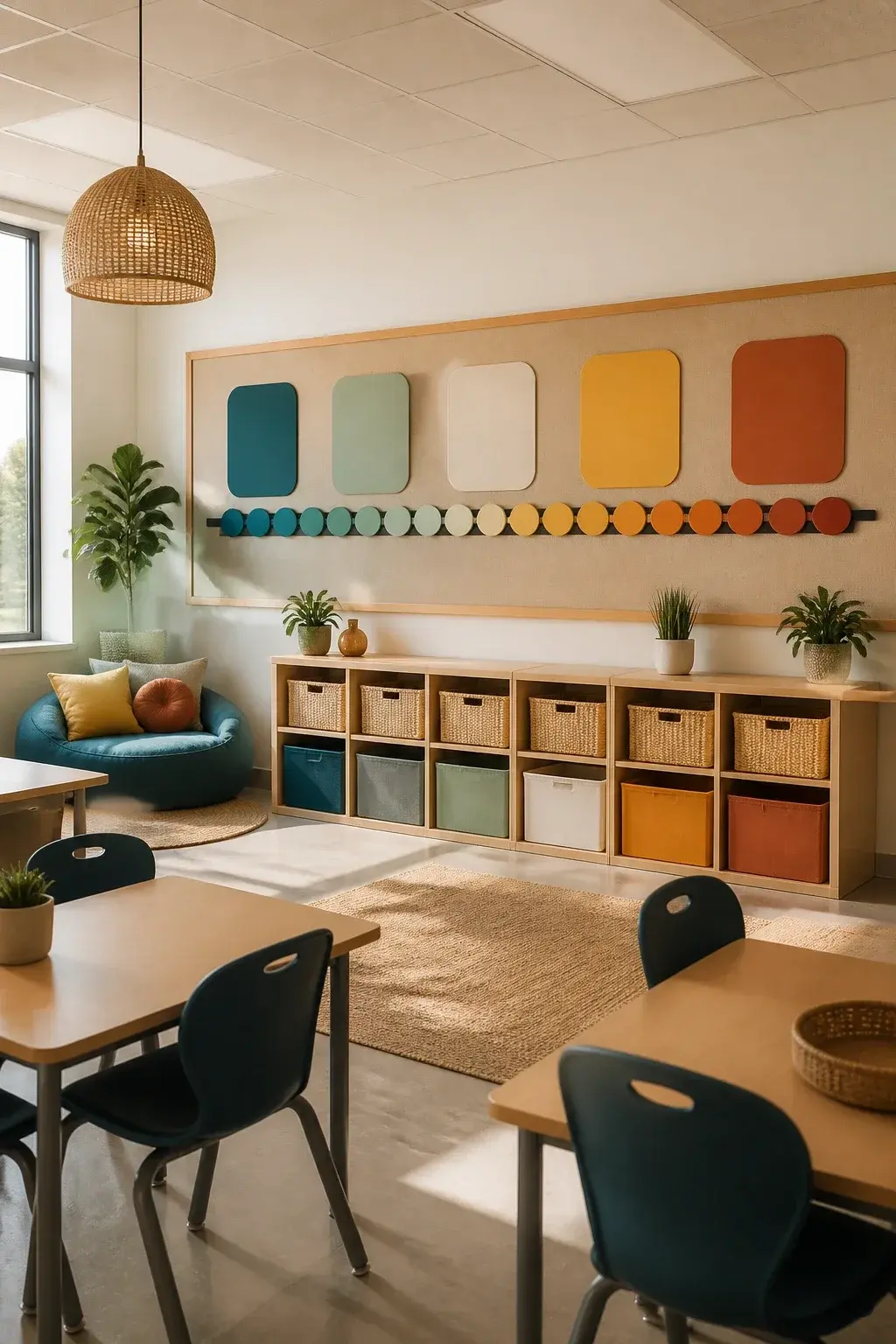 Save
SaveA long line of “vacuum tracks” on the bulletin board where students move a token to show their current behavior state. It’s a calm, engaging approach that reduces public shaming and fits tight spaces with a small footprint.
What you need
- Bulletin board border roll
- Tokens or chips
- Vinyl tape to create the line
- Label cards for states
- Marker set for writing
Best for second grade and up; avoid fragile tokens on carpet edges.
14. Open-Ended “Sound Meter” Craft
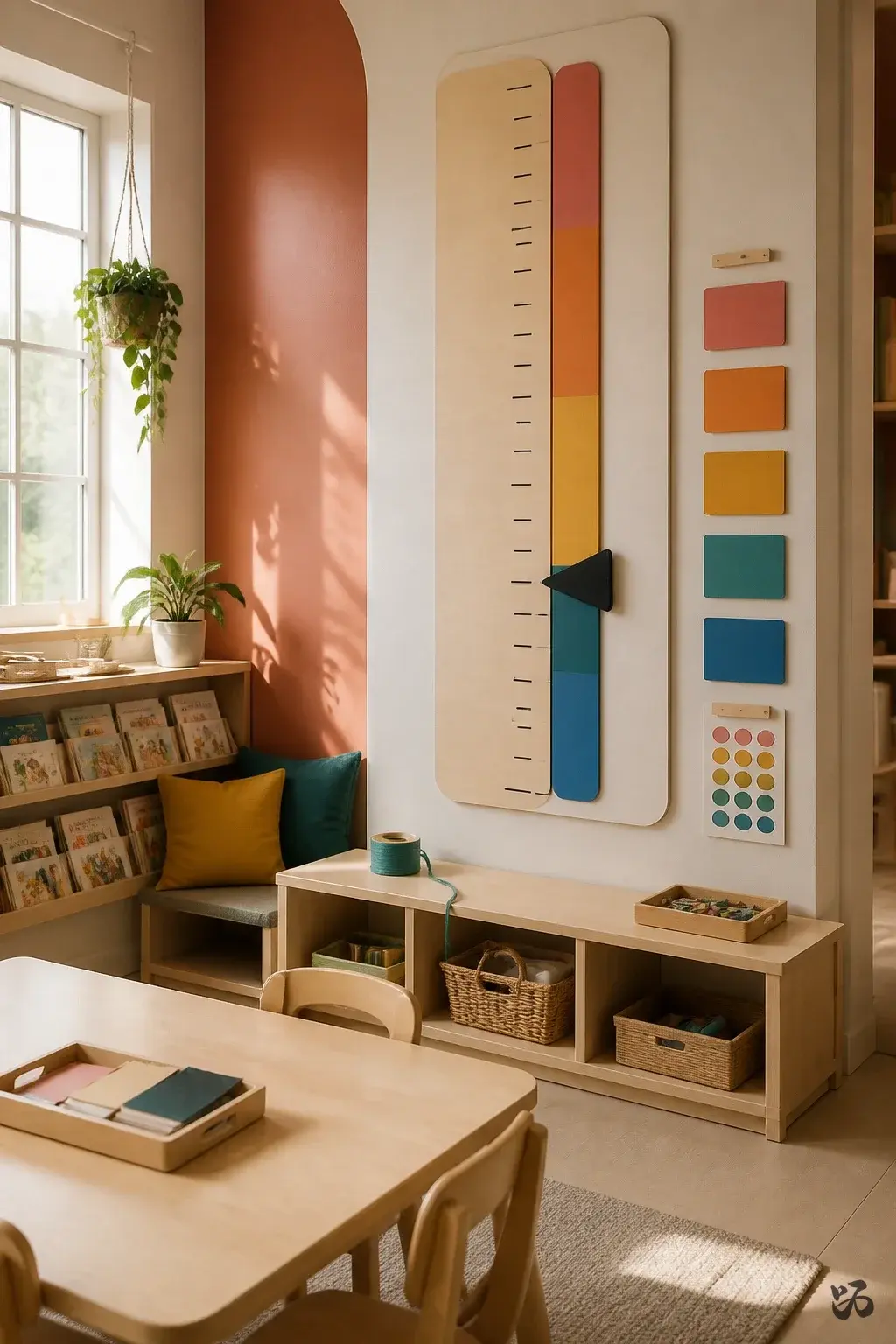 Save
SaveA simple sound meter tracked with a movable marker on a posted ruler. Students adjust the marker during transitions and quiet reading. The craft uses minimal materials and can be updated weekly.
What you need
- Ruler poster or large cardstock
- Marker tiles for levels
- Felt tip pens for writing names
- Cardstock labels for levels
- Adhesive dots for movement
One prep period; sturdy enough for daily use.
15. Helpers’ Corner Wall Card System
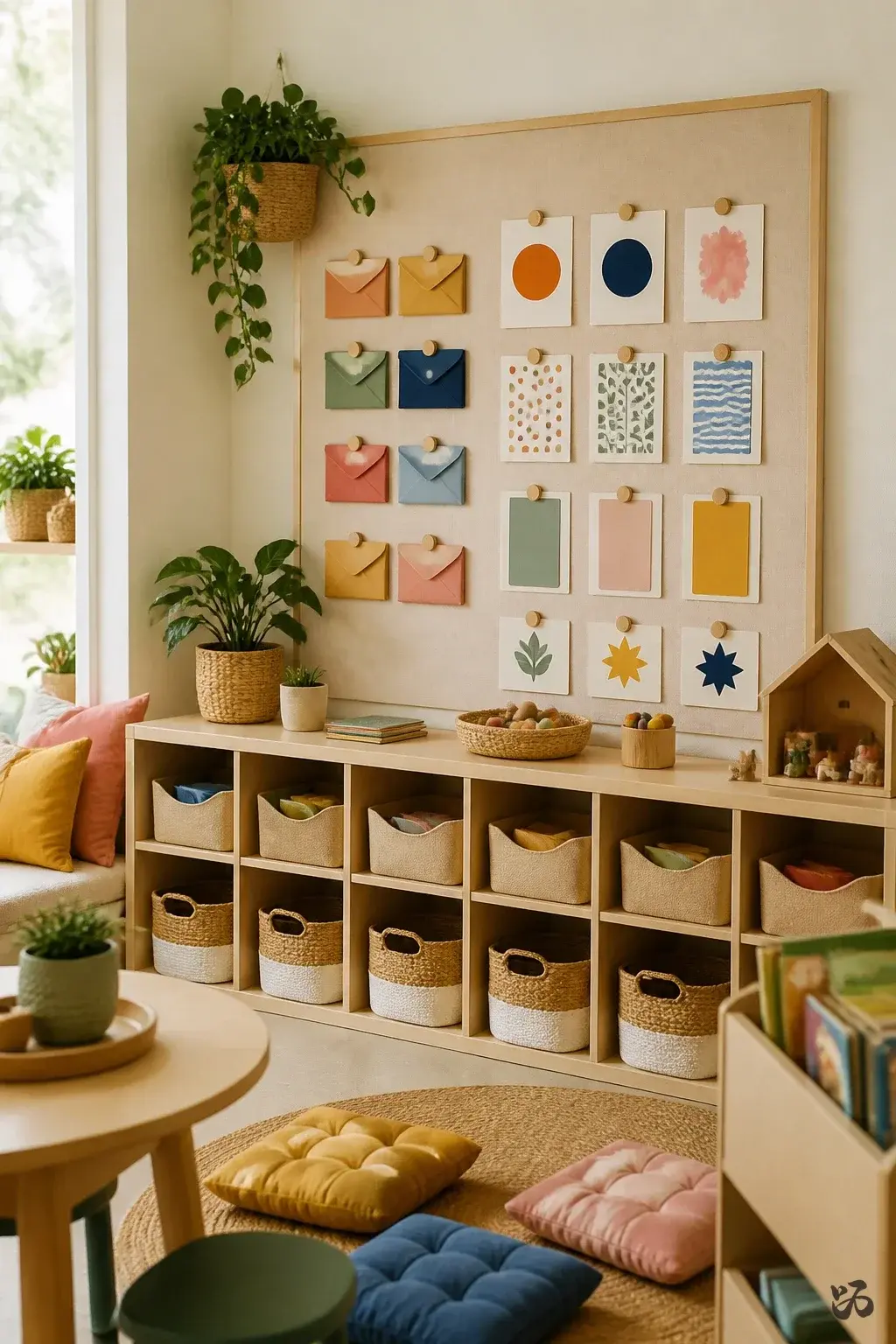 Save
SaveAssign daily classroom jobs and reflect who is helping. A wall card shows each student’s role and a quick note about how well tasks were completed. It keeps kids accountable without singling anyone out.
What you need
- Cardstock job cards
- Small pockets or envelopes
- Magnets or tape to attach cards
- Label stickers for dates
- Marker for writing
Three days to set up; works well in mixed-age rooms.
16. Tiered Behavior Ladder on a Bulletin Board
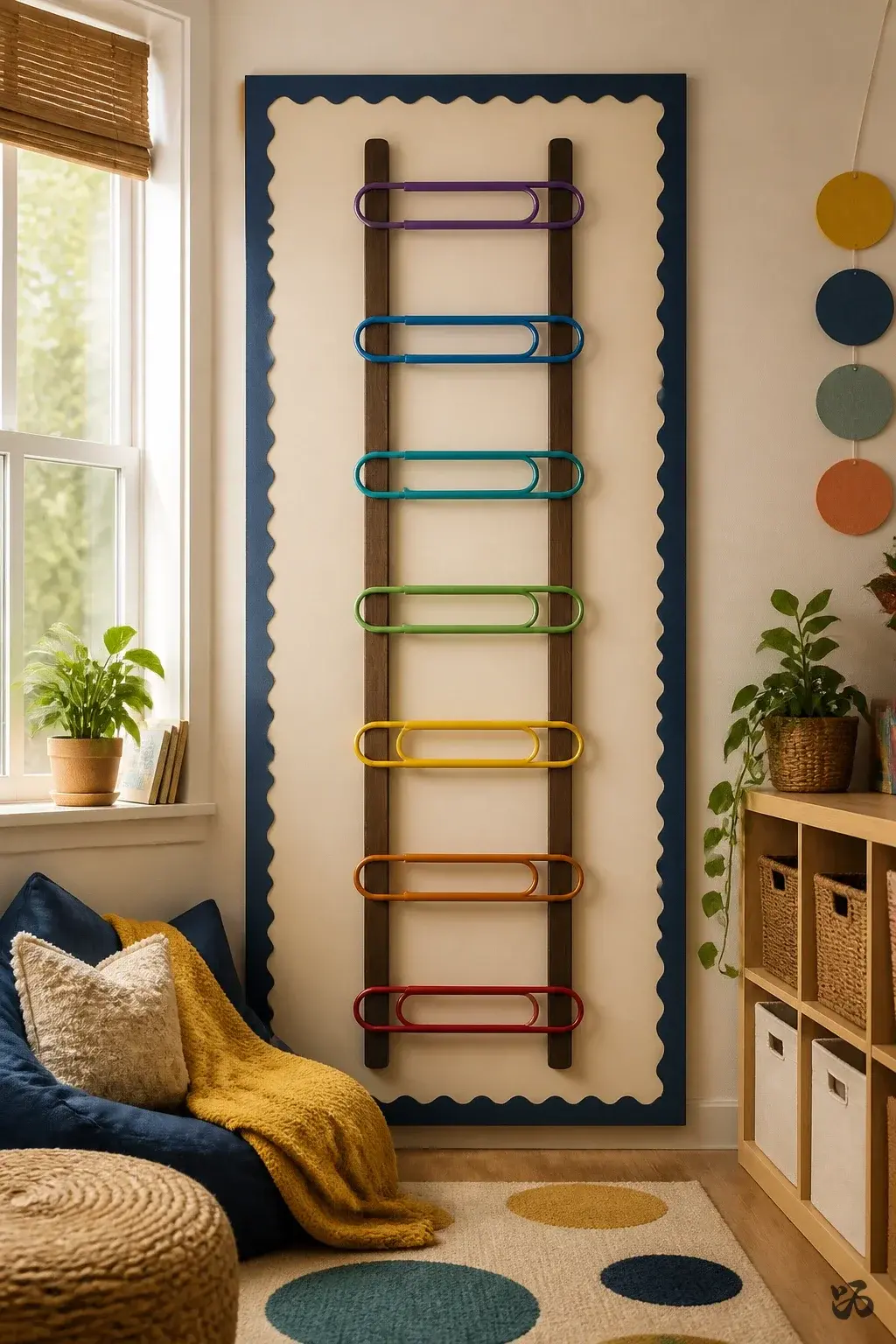 Save
SaveA vertical ladder with several rungs, each representing a level of behavior. Students move a paper clip up or down the ladder as needed. The ladder can be extended as the year progresses.
What you need
- Bulletin board or large poster
- Colored paper clips
- Adhesive Velcro or magnets
- Label cards for rung names
- Cardstock for base
Ideal for first through fourth graders; avoid too many layers on a small wall.
17. Daily Gratitude Prompt Board
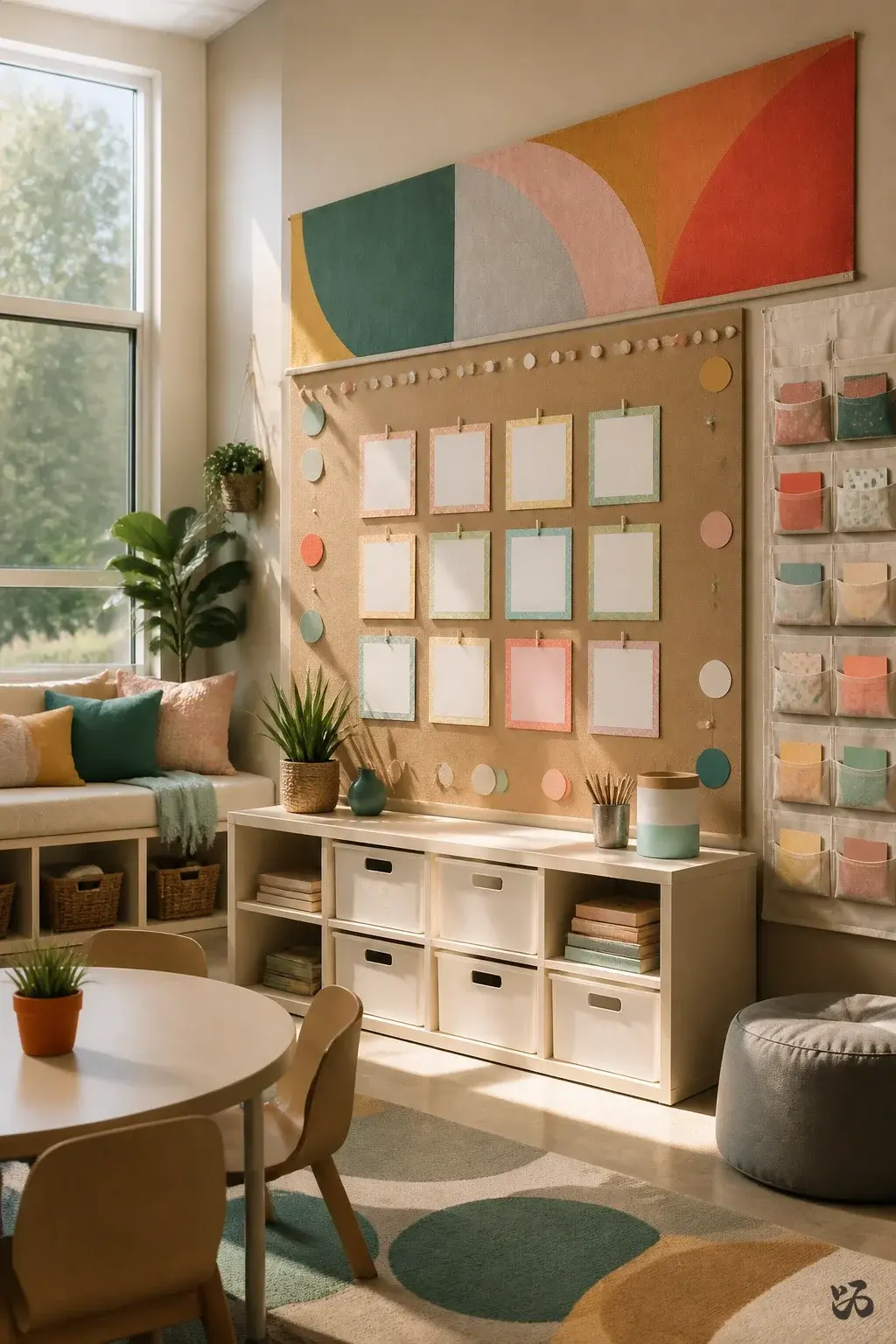 Save
SavePair behavior with a quick gratitude prompt. Each student writes or draws one thing they did well and one thing to improve. The board is calm, reflective, and nonjudgmental.
What you need
- Mini dry-erase boards or index cards
- Markers
- Washi tape to frame prompts
- Cardstock for prompts
- Envelope pockets for completed entries
One to two days to introduce; suitable for all elementary grades.
18. Quiet Hallway Door Reminders
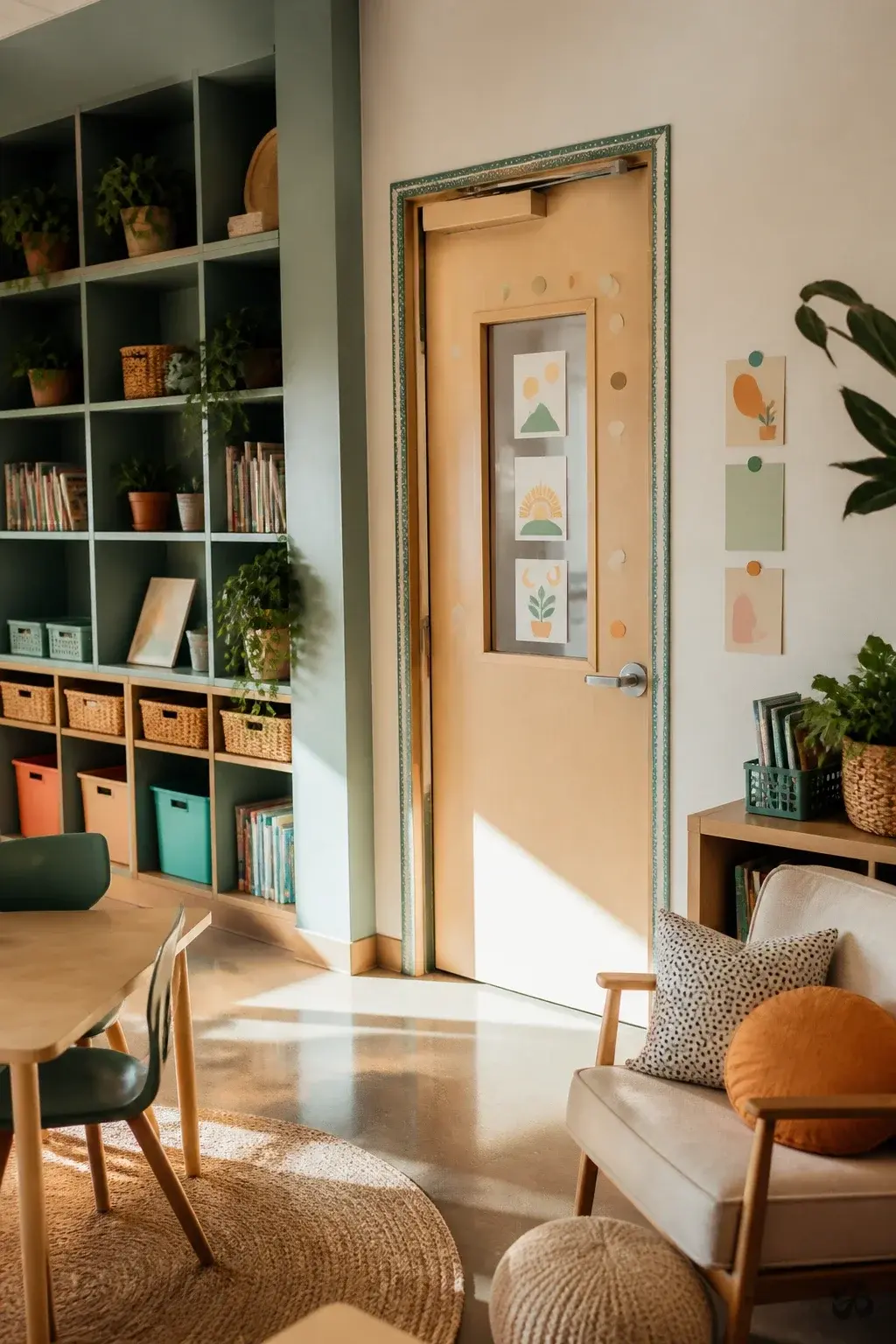 Save
SaveA safe, low-profile door cling that signals “Individual work time” with a friendly illustration. It keeps hallway noise predictable and avoids covering most of the door surface to comply with fire code rules.
What you need
- Door-safe window clings
- Decorative border tape
- Small printed icons for activities
- Sticky dots to secure clings
- Cardstock for a quick legend
Simple and quick to remove; avoid large areas on the door that block visibility.
19. Field Trip Readiness Board
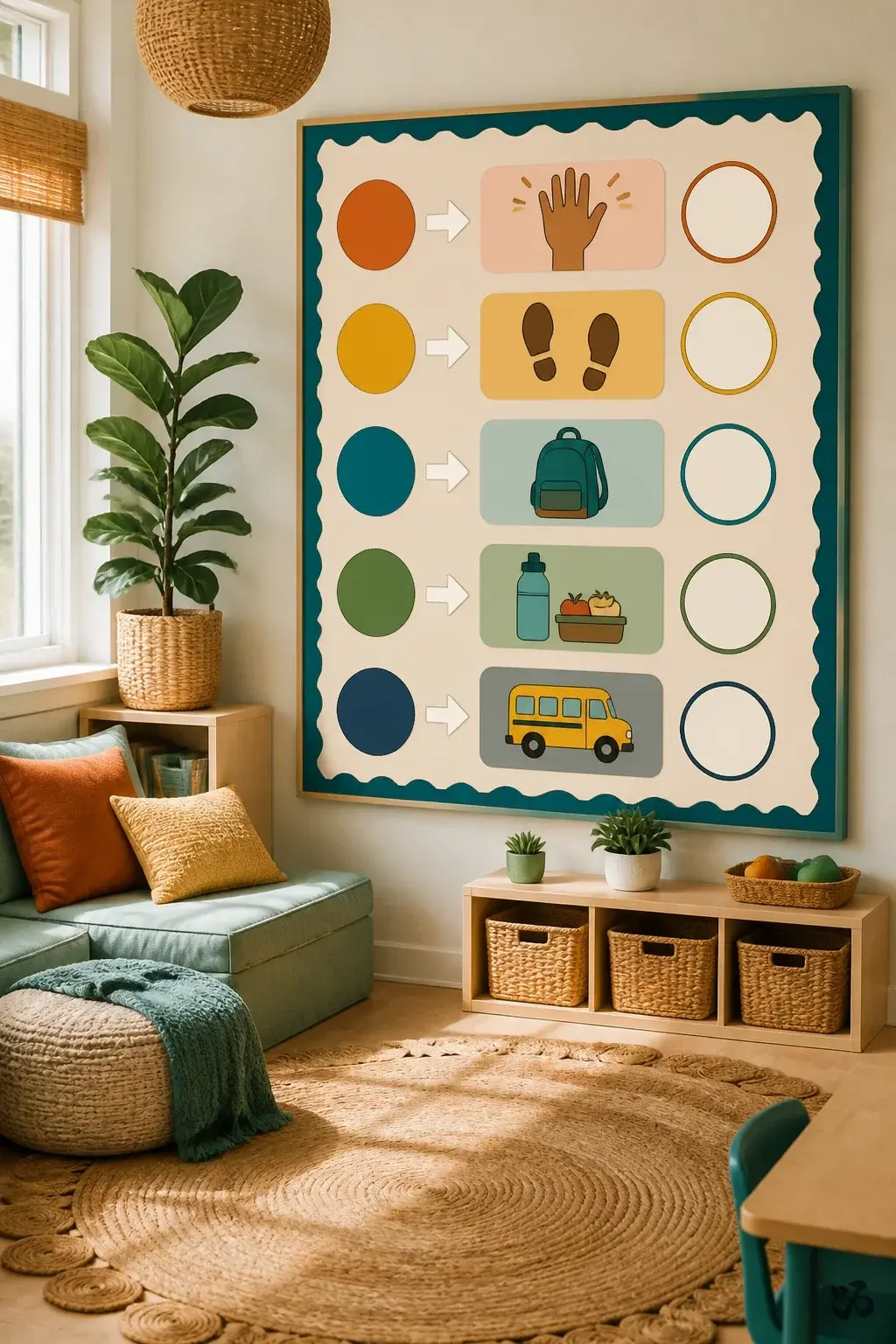 Save
SaveA small board that tracks steps to get ready for a field trip without relying on public reminders. It includes items like “Raise hand,” “Line up quietly,” and “Gather belongings.” It’s practical for any grade that goes on field trips.
What you need
- Cardstock trip steps
- Binder rings to flip through steps
- Coordinating border for visibility
- Mounted pockets for belongings
- Velcro dots for quick updates
One prep period; easy to adapt during a field trip season.
20. Recess Rules Rainbow
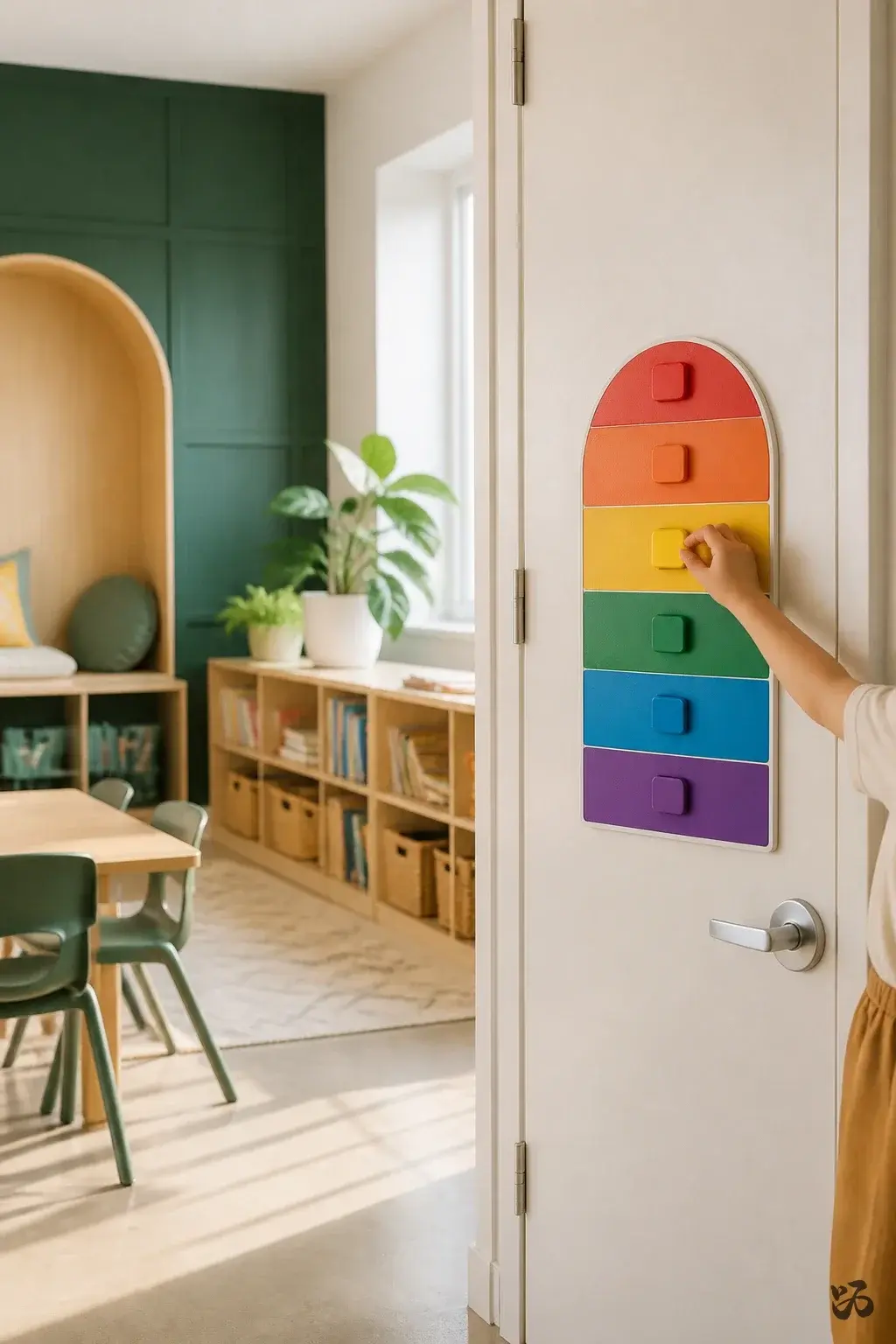 Save
SaveA small rainbow chart near the door that shows how to behave during recess. Students move color tiles to the appropriate level after coming in from the playground, creating a calm re-entry routine.
What you need
- Colored tiles for levels
- Poster board for the rainbow
- Removable adhesive to secure
- Label cards for level names
- Marker for title
Works well in elementary classrooms; avoid damage to the floor with loose tiles.
Classroom reward ideas


21. Open House Preparation Wall
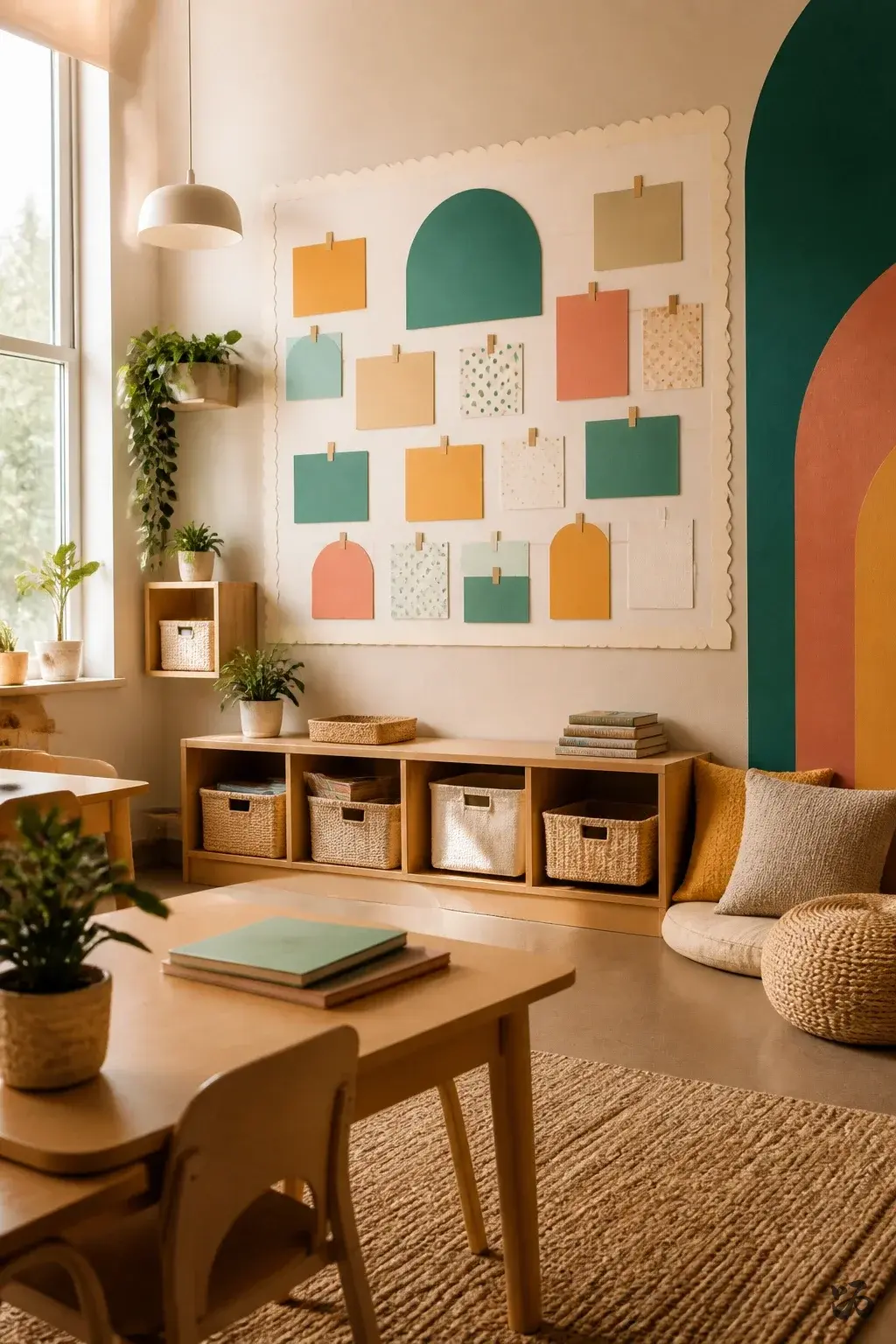 Save
SaveBefore parent night, a simple chart shows how students are using talking time in class. It reduces the need for lengthy explanations; parents can see visible evidence of classroom routines and how students participate.
What you need
- Large poster board
- Colorful markers
- Clear labeling for sections
- Removable tape to attach
- Index cards for quick notes
One prep period; keep it simple to avoid clutter during Open House.
22. Quick-Check-In Clip Chart
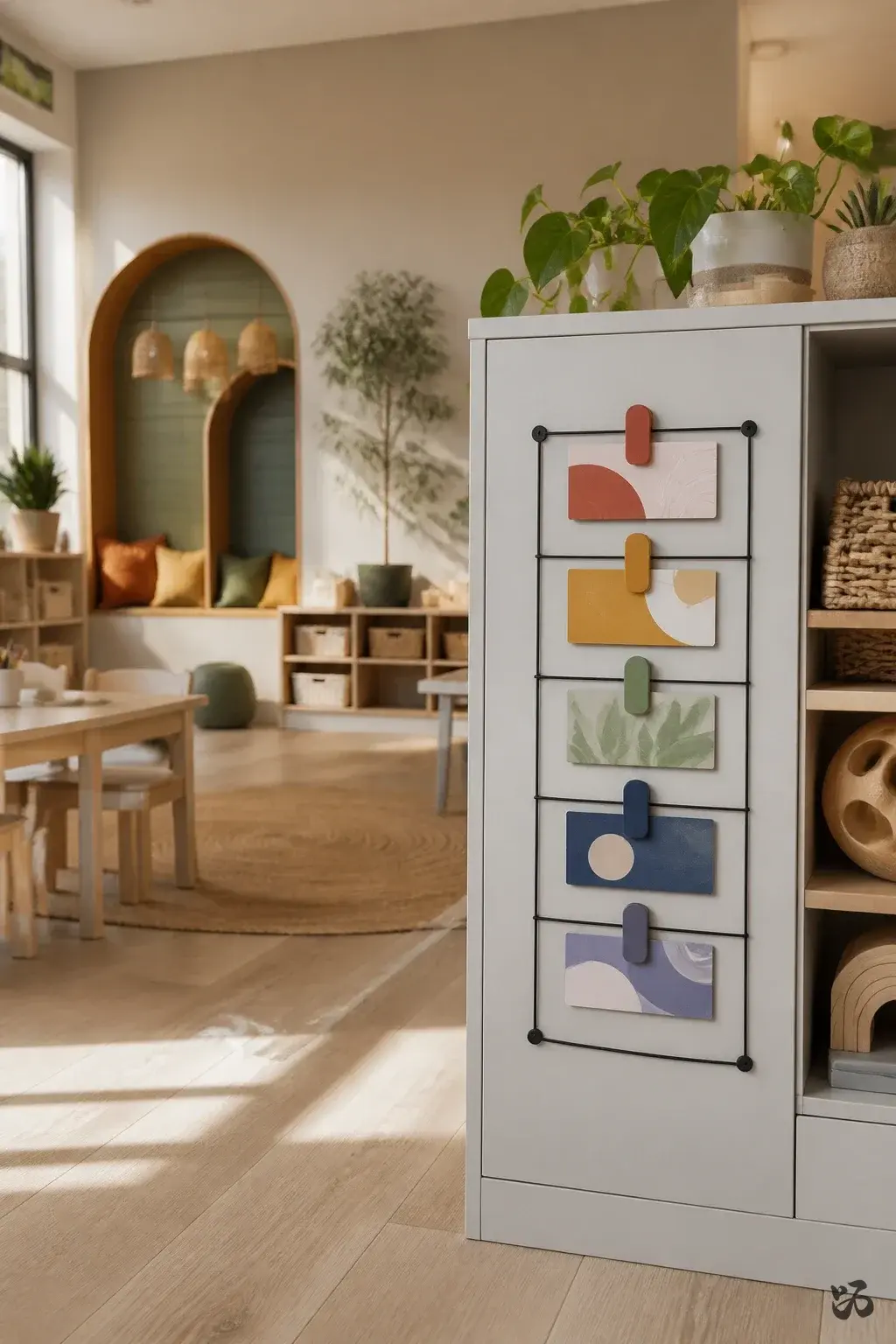 Save
SaveA compact clip chart sits on a cabinet or magnetic surface. Each student has a clip that moves up or down with daily behavior checks. It’s quick to reset and easy for custodians to manage during after-school cleaning.
What you need
- Plastic or wooden clips
- Cardstock labels for each student
- Magnetic strip or adhesive
- Colorful border for frame
- Dry-erase marker for notes
Two days to set up; avoid placing where children can pull the clips off the chart.
23. Footprint Line-Up Path
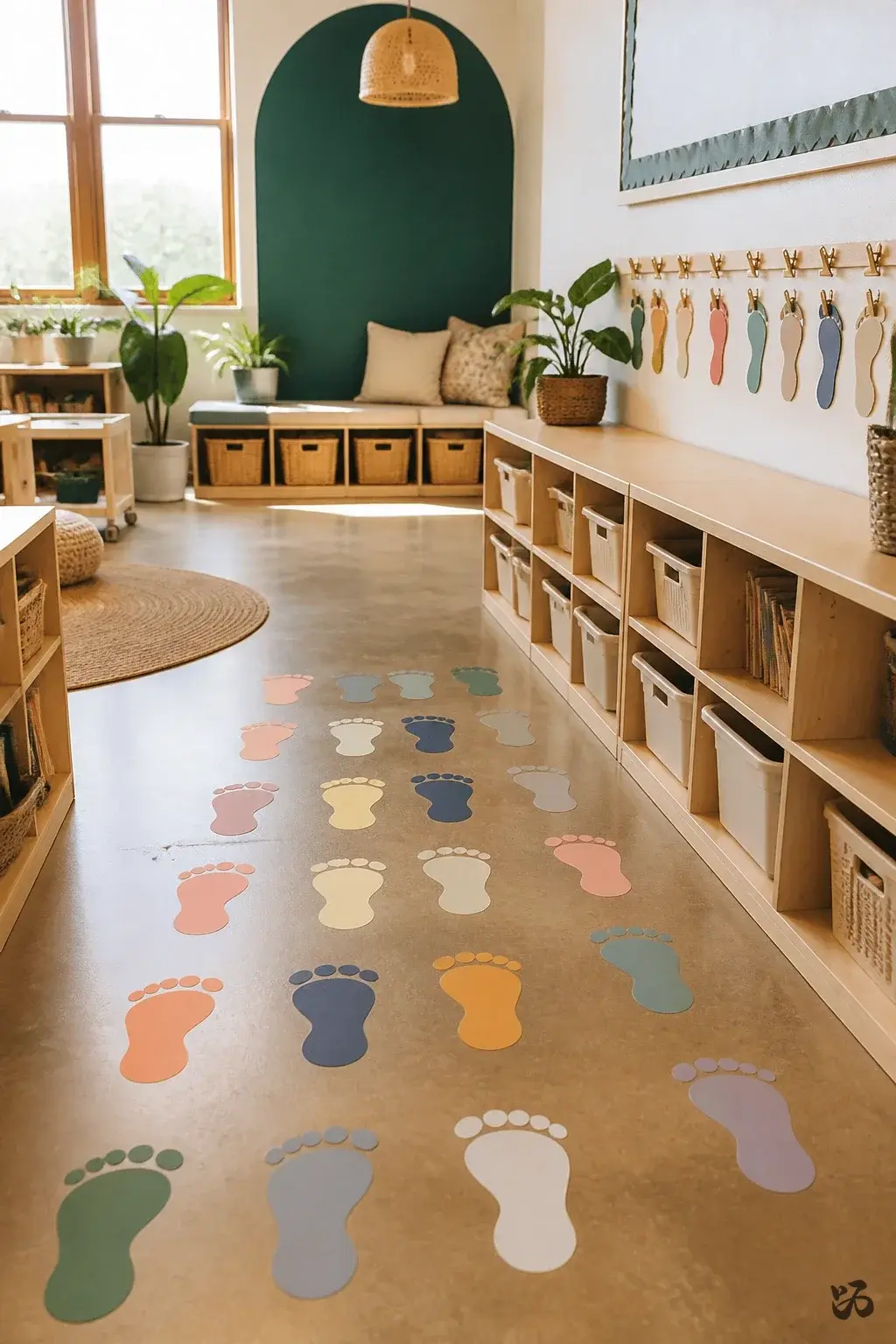 Save
SaveA shadow of each student’s footprint on the floor or wall marks where they should stand or line up. It adds a physical reminder of personal space and voice level without singling anyone out. This works best in tie-in with a brief class discussion about expectations.
What you need
- Floor tape or poster border
- Cardstock footprints
- Marker for names
- Removable clips for updates
- Clear path area for placement
Low-risk for children to touch; avoid covering floor markings that create tripping hazards.
24. Bulletin Board of Everyday Successes
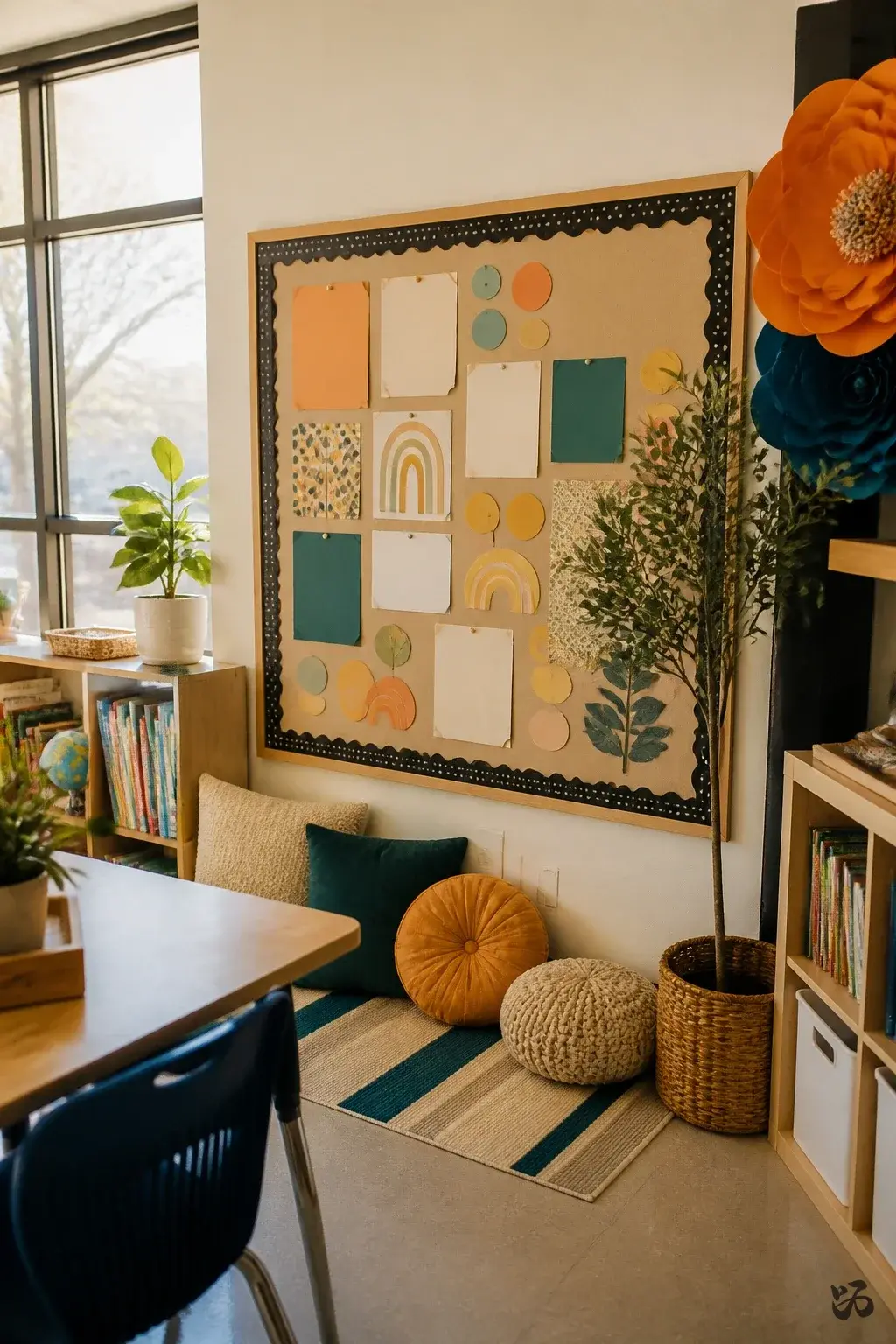 Save
SaveA simple, open board that highlights small, everyday successes: “helped a friend,” “stayed on task,” “shared materials.” The language is positive and inclusive, emphasizing growth over perfection. It’s a great way to build classroom culture with minimal fuss.
What you need
- Bulletin board space
- Index cards for notes
- Colored pens for writing names
- Push pins or removable tape
- Border trim to frame
One prep period; easy to refresh after a field trip or a busy week.
Frequently Asked Questions
What is the best behavior chart for a talkative class?
A voice level chart works best for chatty classes because it tells kids exactly how loud they should be for each activity. Pair it with a class-wide goal rather than singling out individual students.
Are clip charts bad for students?
Public charts that move individual children down can shame the same few kids. Many teachers now use them only for positive moves, or switch to whole-class goals and private check-ins.
How do you get a chatty class to be quiet?
Teach one clear signal, use a visual timer for quiet work, and reward the whole class for hitting a noise goal. A visible noise meter or a game like Don’t Wake Sensei turns it into a challenge instead of a battle.
Final Thoughts
Pick one chart, teach it for a full week and stick with it. Consistency does more for a chatty class than any design, and a calm routine beats a long list of rules every time.
More classroom ideas
- 12 Classroom Storage Ideas That Do Not Look Messy
- 9 Multi-Use Storage Solutions Teachers Swear By
- 15 Neutral Classroom Decor Ideas
- 9 Minimal Classroom Layouts
All designs featured here are imaginative visual concepts. Every image is original and thoughtfully created by Shinku Studio.