
Some links in this post are affiliate links. If you buy through one, I may earn a small commission at no extra cost to you. As an Amazon Associate I earn from qualifying purchases.
The short answer: classroom management in elementary school comes down to three things. Teach routines until they are automatic, get attention without raising your voice, and catch children doing the right thing far more often than the wrong thing. The 30 ideas below are sorted into routines, attention signals, noise, positive systems, calm tools and classroom setup, and each one ends with a “try it tomorrow” line so you can start in the morning.
I teach a class of 9 and 10 year olds, and the ideas here are the ones that survived real Mondays, wet play days and the week before winter break. None of them need a big budget. Most of them need consistency more than anything else, so pick three, use them every day for two weeks, then add more.
Four tools that make these ideas easier (we earn a small commission if you buy, at no cost to you):
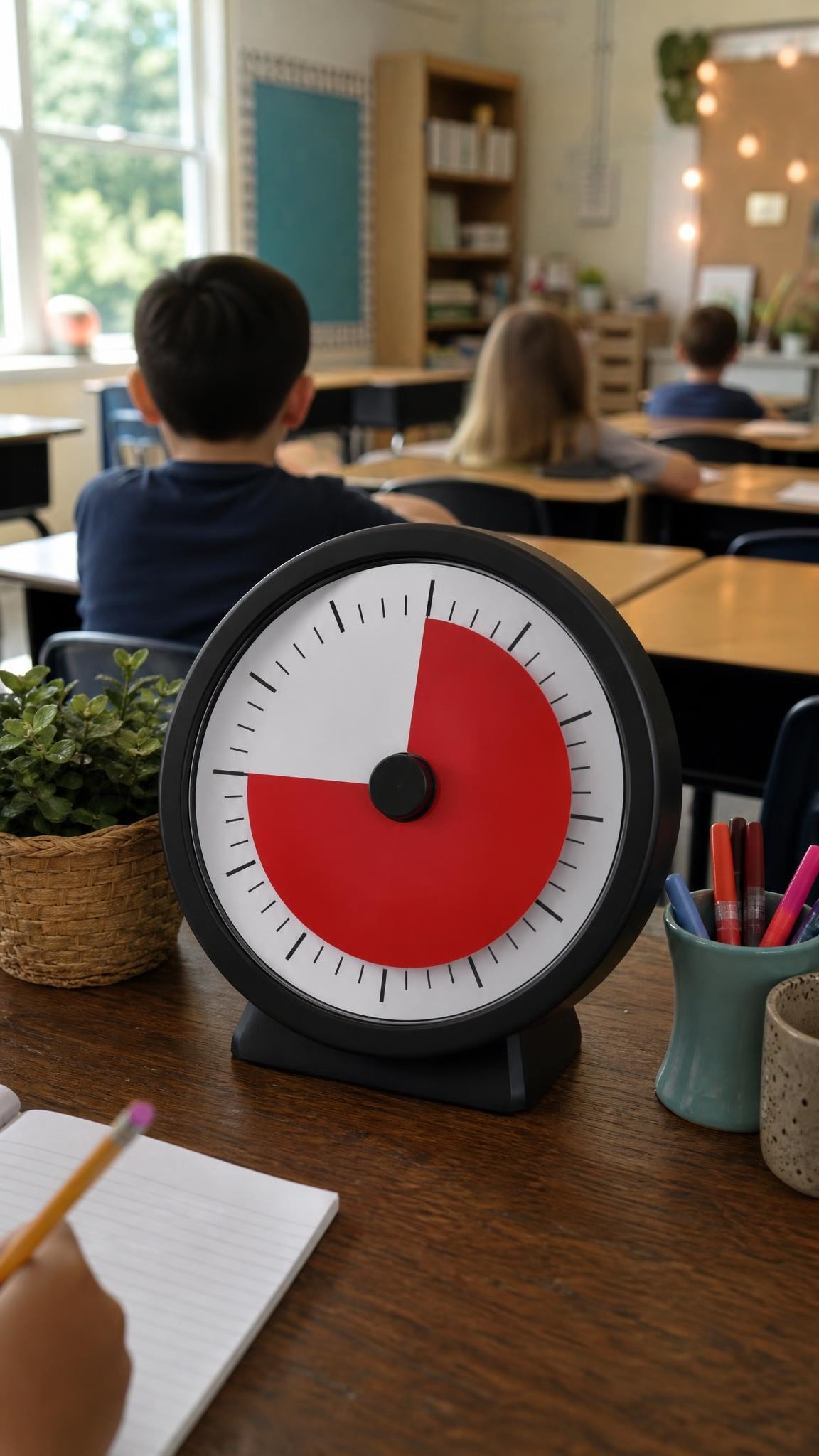
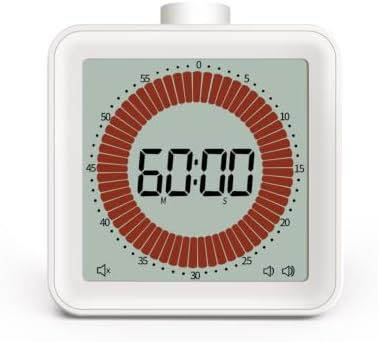
- Time Timer 12 inch visual timer: children can see time running out from across the room, which makes timed transitions (idea 4) work.
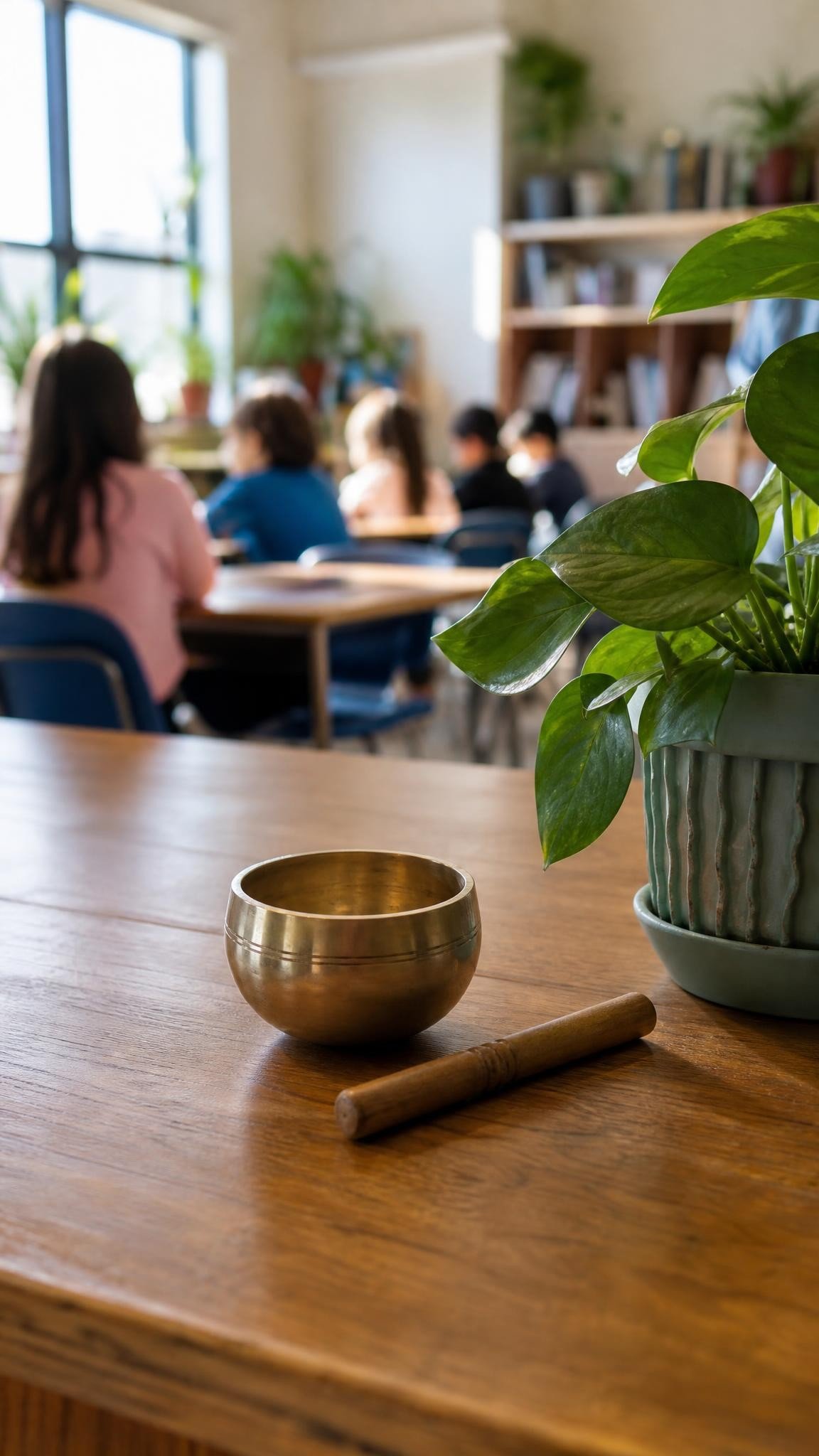
- TreeWorks single note energy chime: a clear, soft tone for your attention signal that carries further than your voice.
- Class set of whisper phones: 16 reading phones so the whole class can read aloud at a whisper.
- Trideer wobble cushion: a wiggle seat for children who focus better when they can move.
 Save
SaveFree printable
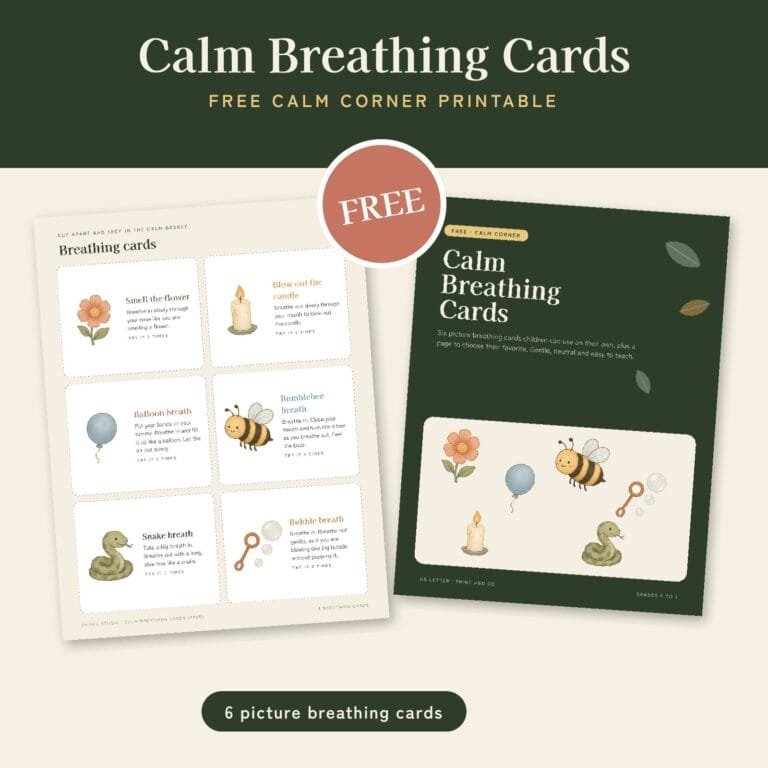
Free Calm Breathing Cards
6 picture breathing cards (smell the flower, bumblebee breath, snake breath and more) for your calm corner. Teach one a day.
Free download. You will also get a couple of follow-up emails with classroom ideas. Unsubscribe anytime.
What is the most effective classroom management strategy?
Routines. A class that knows exactly how to enter, line up, hand in work and get help needs far less managing, because the routine does the job your voice used to do. Most behavior problems in elementary classrooms happen in the gaps: transitions, waiting, unclear instructions. Close those gaps with practiced routines, add a reliable attention signal and a positive class system, and the rest of this list becomes fine tuning.
Routines that run the room
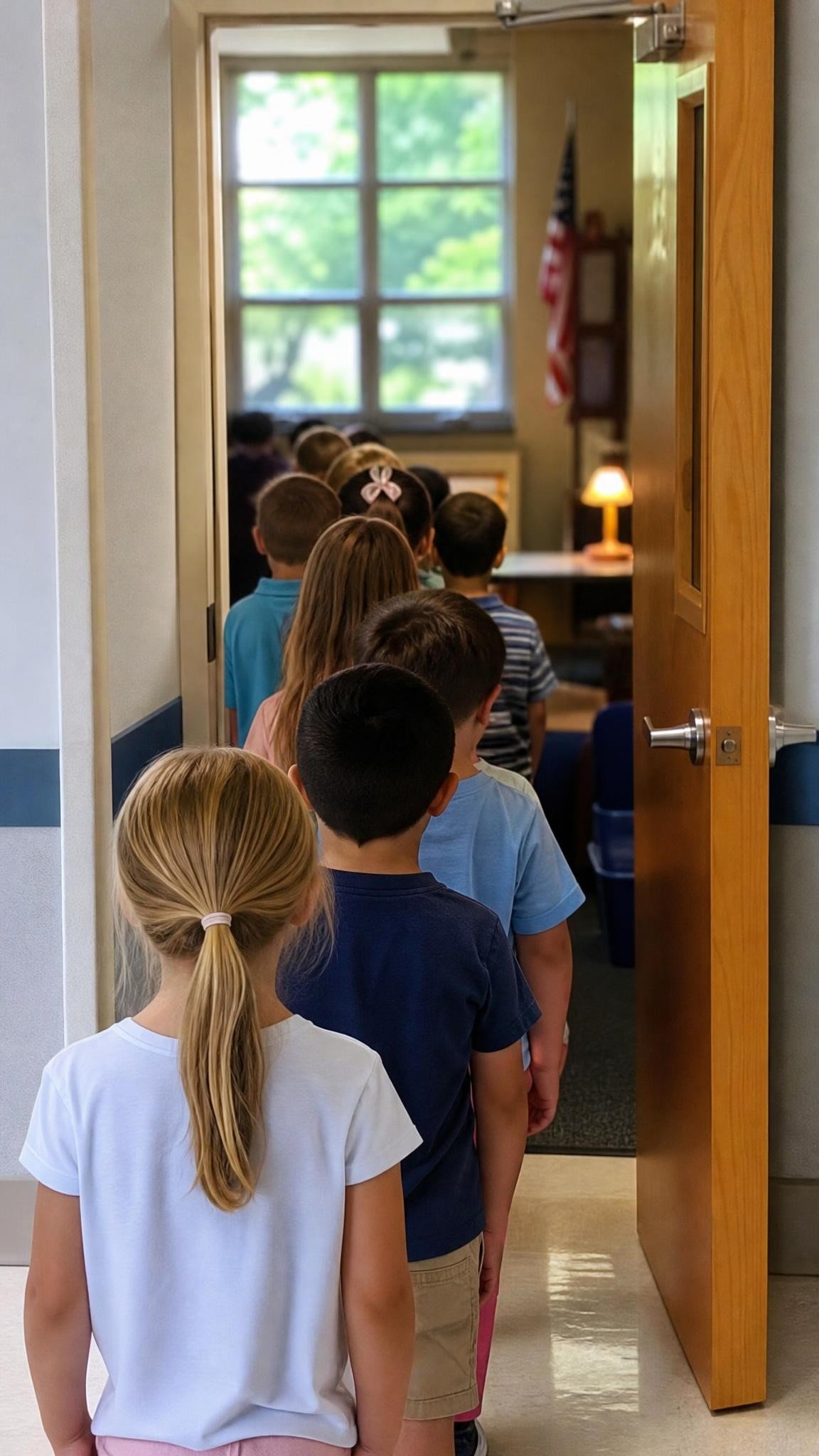
1. Rehearse routines like a play
 Save
SaveDo not just explain how to line up. Practice it, time it, and do it again until it is smooth. Children love beating their own time, and a routine practiced ten times in week one saves hours by October.
Try it tomorrow: Pick one routine (lining up or coming to the carpet) and rehearse it three times with a timer.
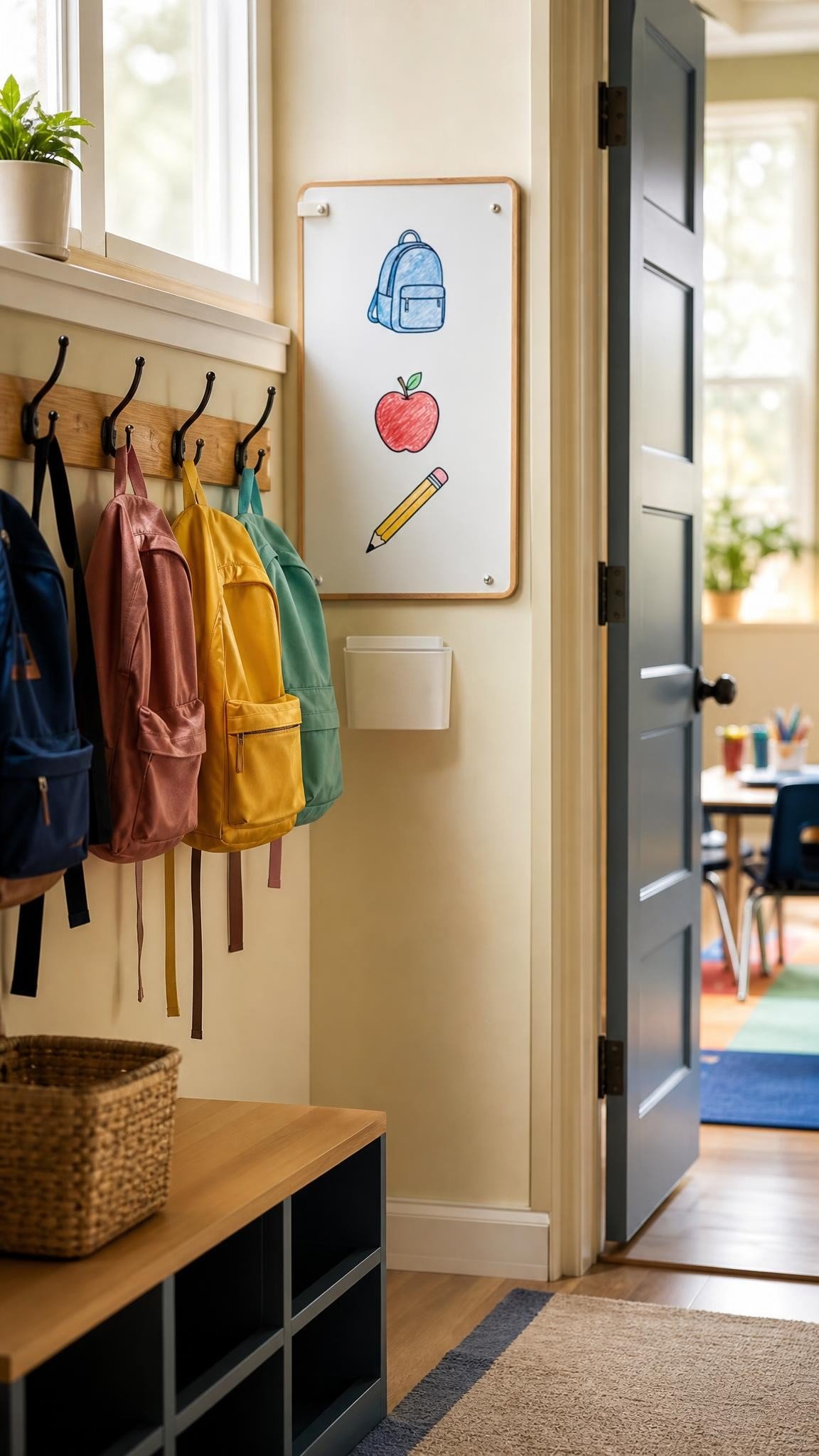
2. A morning entry routine on the board
 Save
SaveThe first five minutes set the tone for the day. Children walk in to the same three steps every morning: unpack, make a lunch choice, start the morning task. No questions needed, because the answer is on the board.
Try it tomorrow: Post three picture steps beside the door and point to them as children arrive.
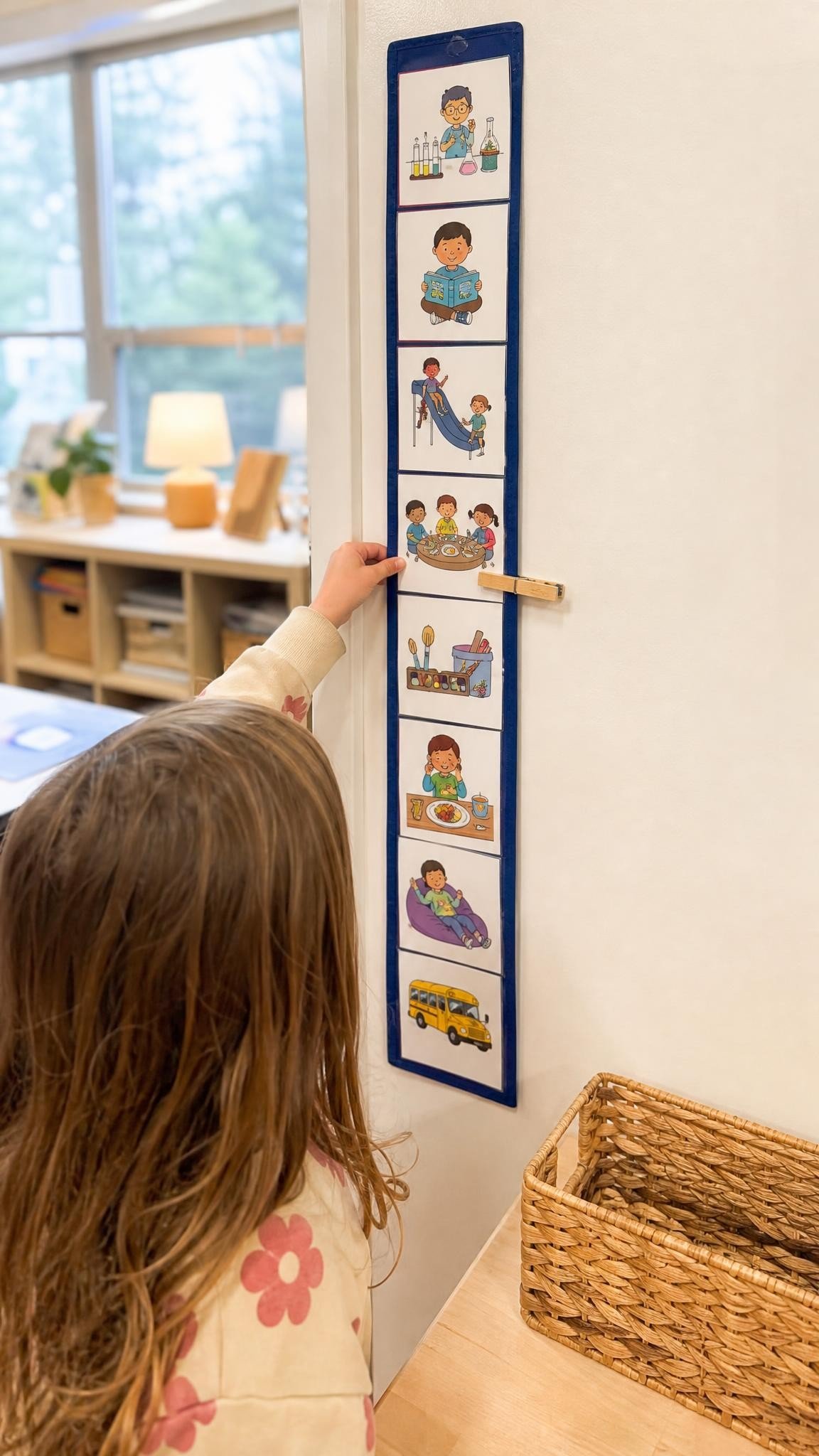
3. A visual schedule at child height
 Save
SaveHalf of the “what are we doing next?” questions disappear when children can see the day. Keep it at their eye level and move a clip or arrow as you go, so anxious children always know what is coming.
Try it tomorrow: Make picture cards for today and move a clothespin along them.
4. Timed transitions
 Save
SaveTransitions are where the noise lives. Give a clear finish time with a visual timer, and celebrate when the class beats it. A transition that used to take four minutes can drop to one.
Try it tomorrow: Set a visual timer for the next transition and say “let’s see if we can beat it.”
5. Supply caddies on every table
 Save
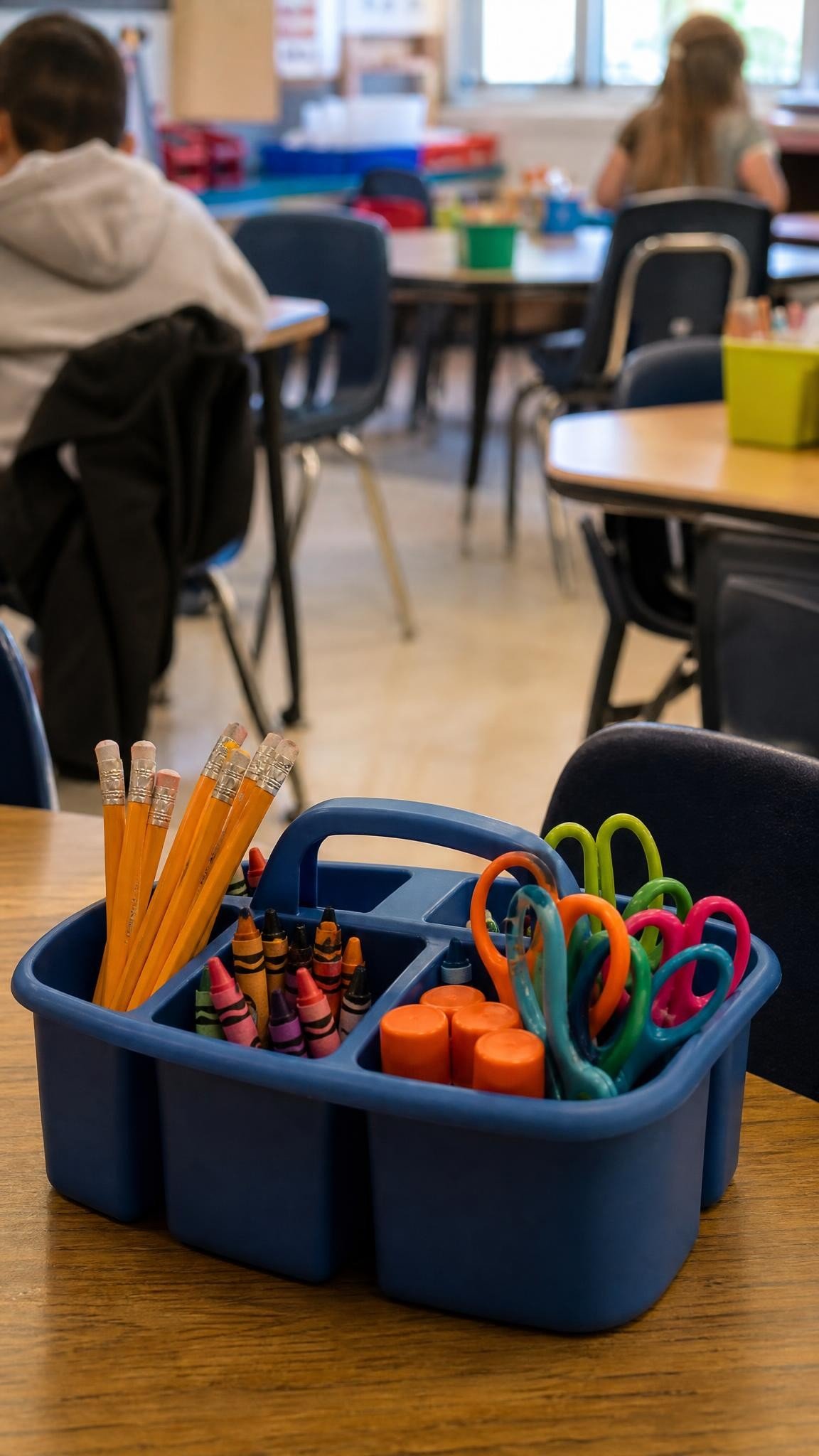
SaveIf children have to leave their seats for a pencil, glue or scissors, they will, and they will chat on the way. A caddy on each table keeps everyone seated and working.
Try it tomorrow: Fill one caddy per table with pencils, erasers, glue and crayons.
Attention signals that work the first time
6. Call and response
 Save
Save“Class, class” and “Yes, yes” works because children have to stop and answer. Change the phrase every few weeks to keep it fresh, and tie it to what you are learning.
Try it tomorrow: Teach one call and response today and practice it five times in fun voices.
7. A chime instead of your voice
 Save
SaveA soft chime cuts through noise better than a raised voice, and it keeps the room calm. Ring it once, wait in silence, and only speak when every child is looking.
Try it tomorrow: Use a chime or bell for your attention signal for one full week.
8. The silent hands-up signal
 Save
SaveWhen you raise your hand, children raise theirs and stop talking. It spreads around the room like a wave, and nobody has to shout over anybody.
Try it tomorrow: Explain the signal, then try it during a noisy partner task.
9. Lights down for a reset
 Save
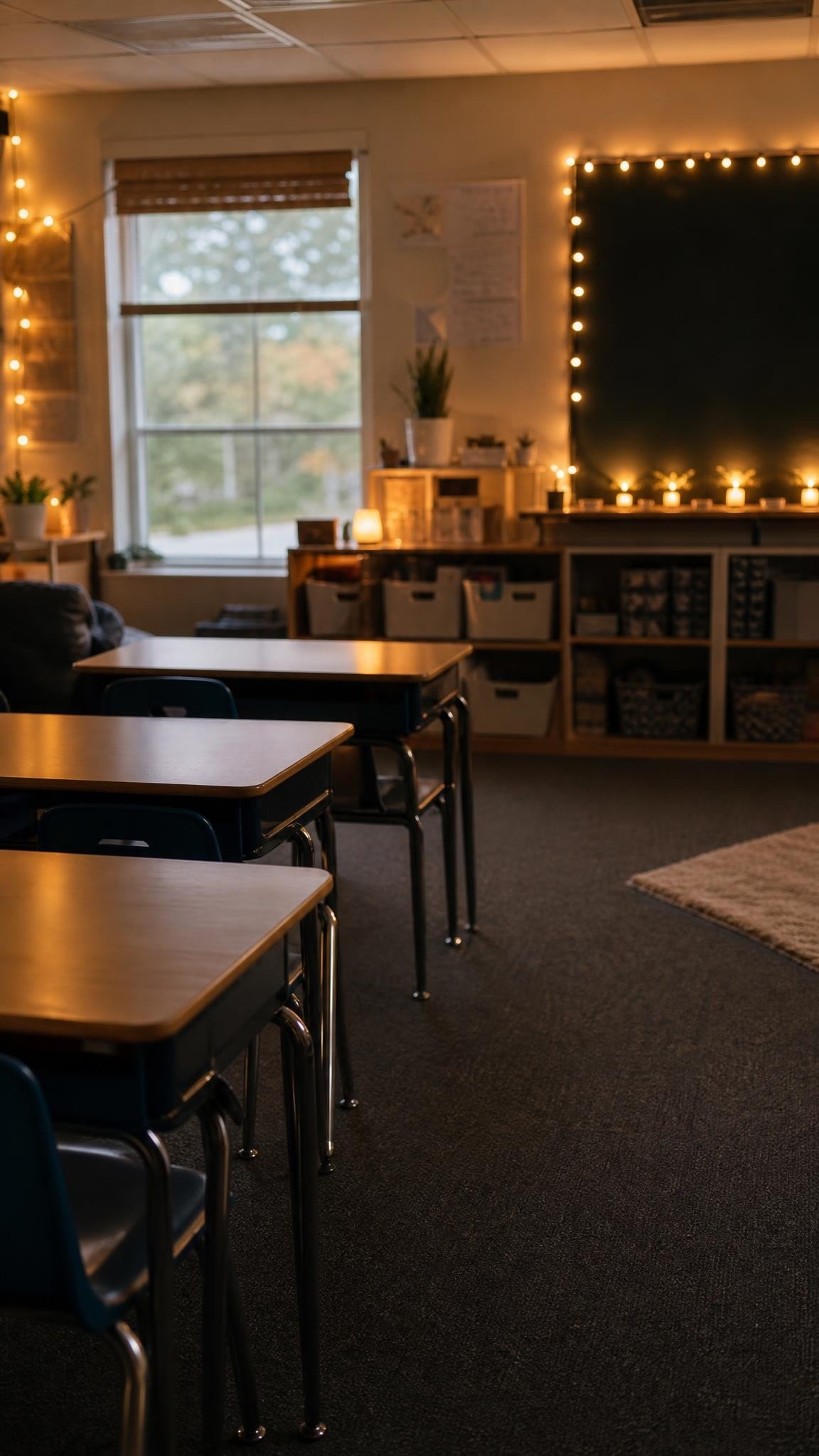
SaveDimming the lights is a whole-class pause button. Use it sparingly, for moments when the room needs to reset, not as a punishment.
Try it tomorrow: Agree with the class that lights down means stop, look and listen.
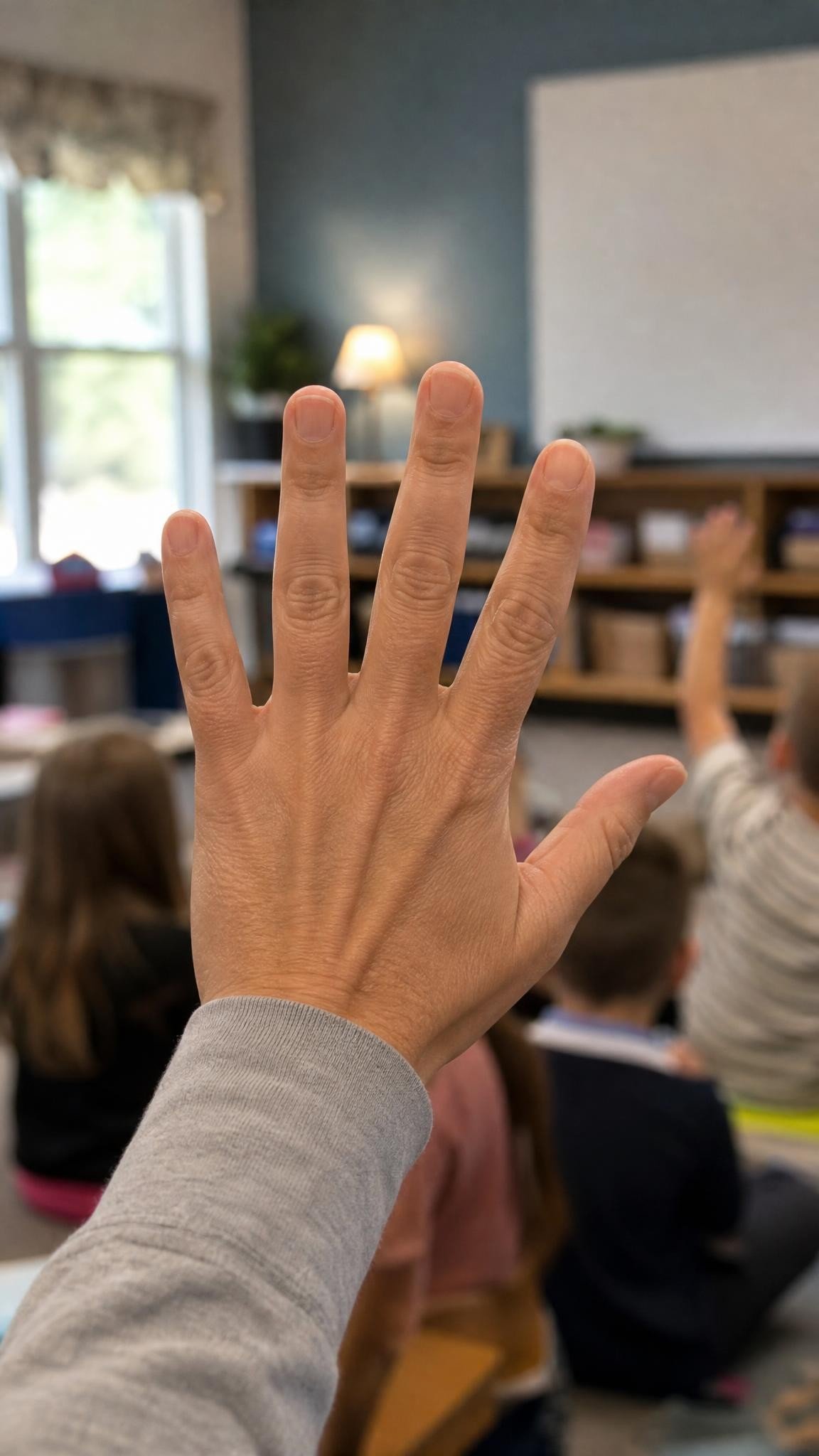
10. Countdown from five
 Save
SaveCounting down on your fingers gives children a fair warning and a clear finish line. By the time you reach one, pencils are down and eyes are up.
Try it tomorrow: Count down from five with your fingers before every whole-class instruction.
Noise and volume control
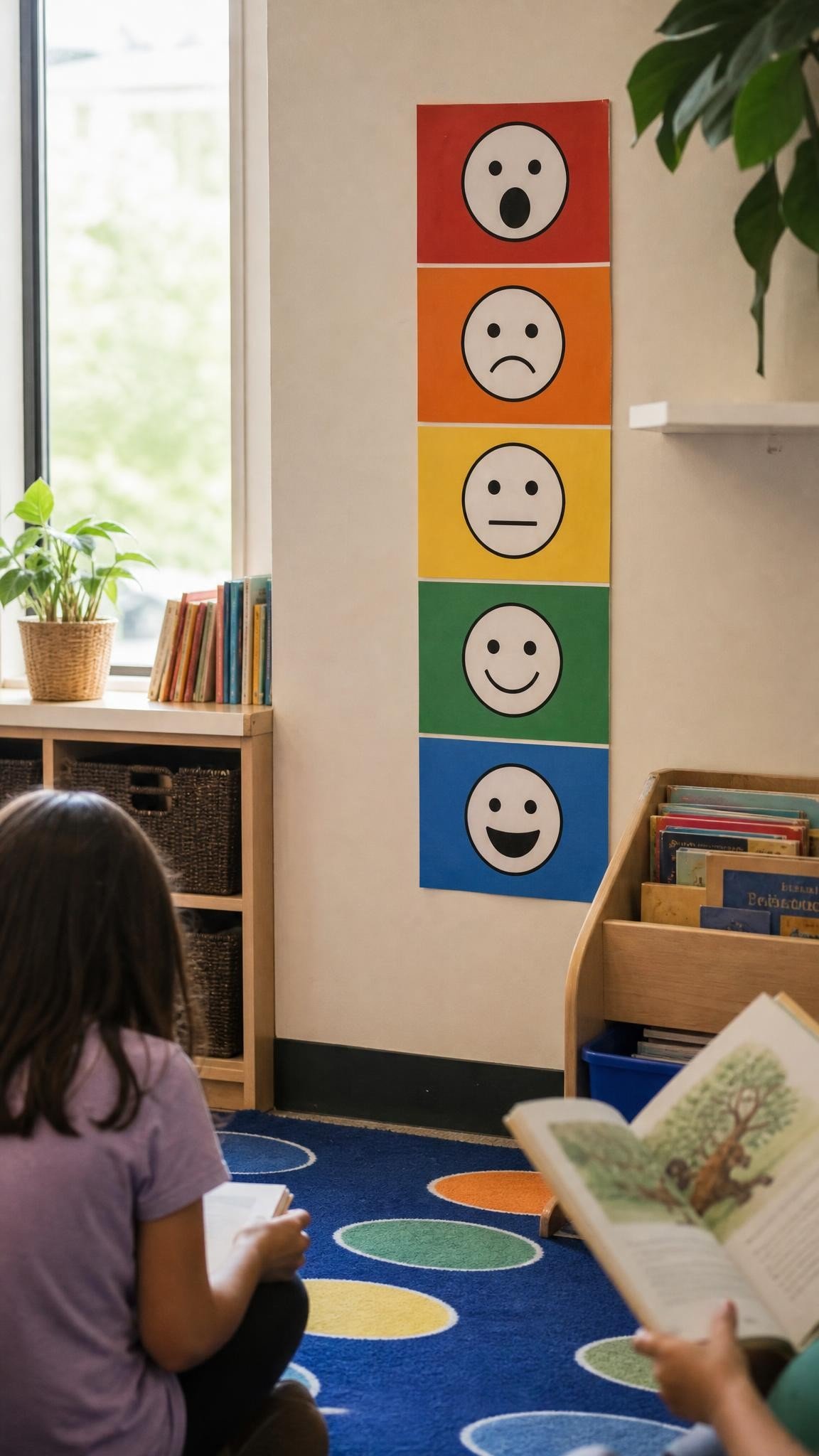
11. A voice level chart
 Save
SaveChildren cannot hit a volume they cannot see. A 0 to 4 voice level chart turns “too loud” into a number, so you can say “we need a 1” instead of “be quiet.”
Try it tomorrow: Post a voice level chart and name the level before every activity.
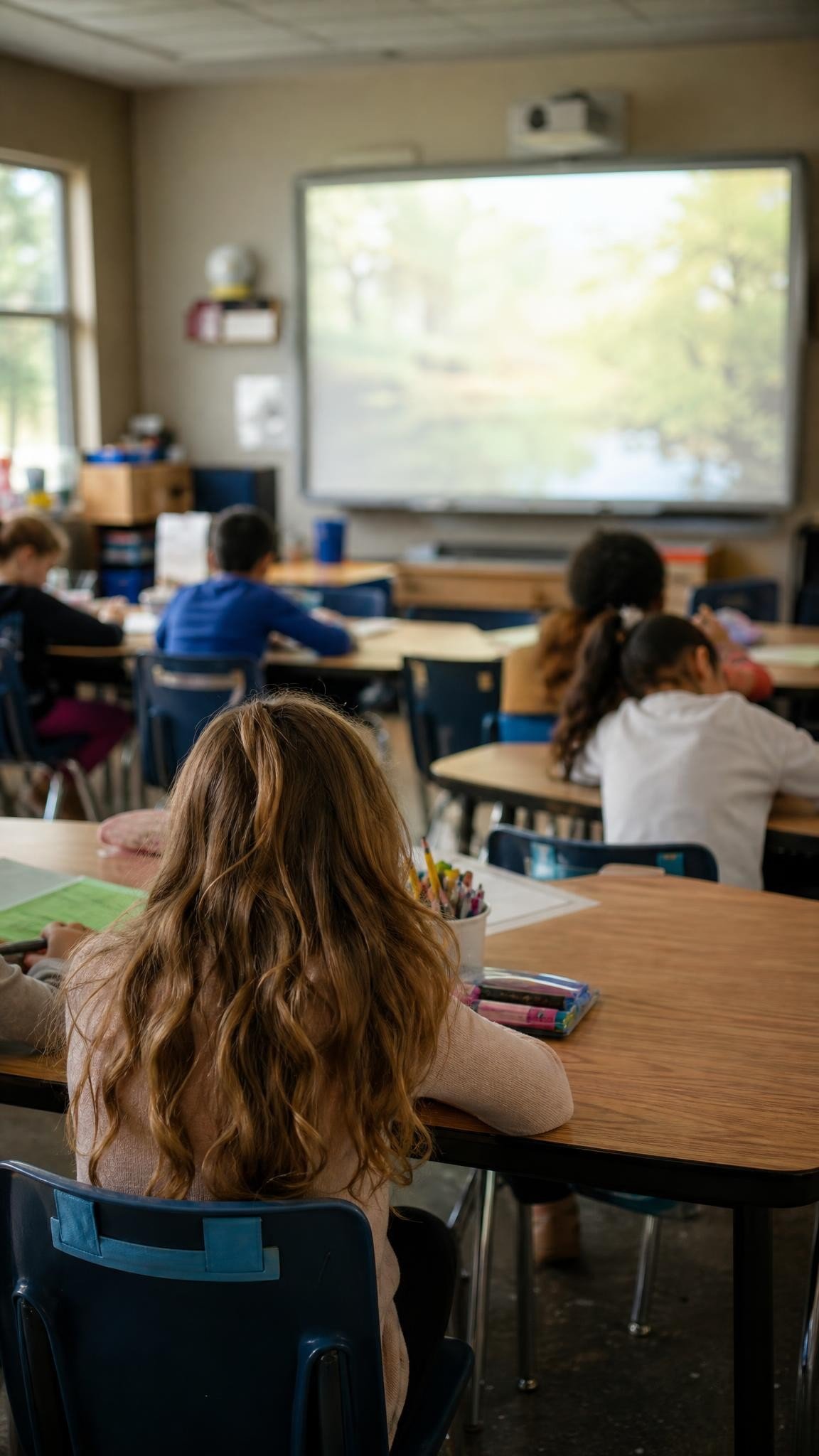
12. Let a noise monitor do the nagging
 Save
SaveA noise monitor on the board turns quiet work into a game. Our free classroom noise monitor keeps a cartoon sensei asleep while the class is calm and wakes him up when it gets loud, so the screen does the reminding and you do not have to.
Try it tomorrow: Open the noise monitor on your board during independent work tomorrow.
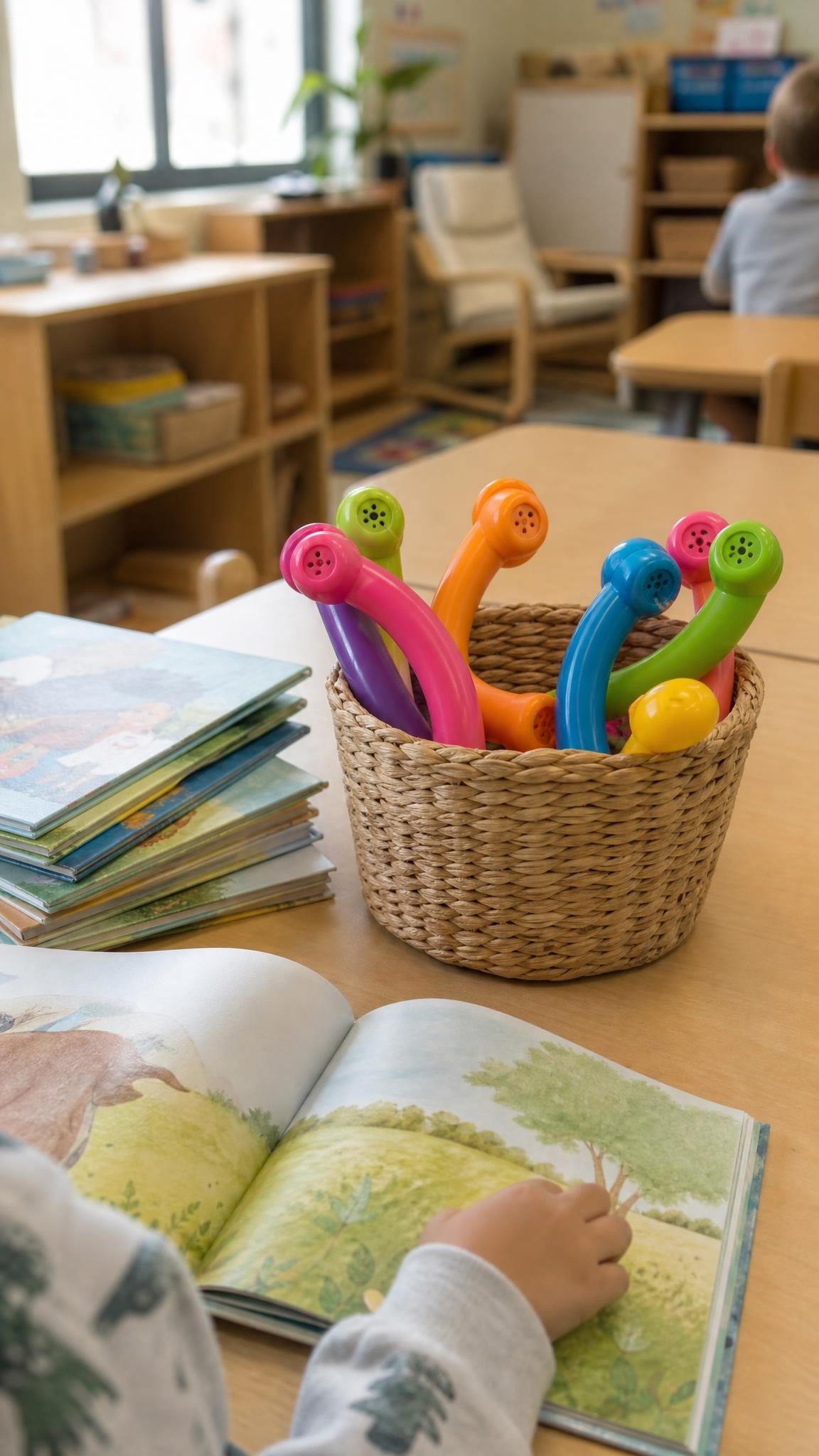
13. Whisper phones for reading
 Save
SaveReading aloud at the same time gets loud fast. Whisper phones let every child hear their own voice at a whisper, and the whole room drops a level.
Try it tomorrow: Make a set from plastic pipe elbows or buy a class set.
14. Quiet critters
 Save
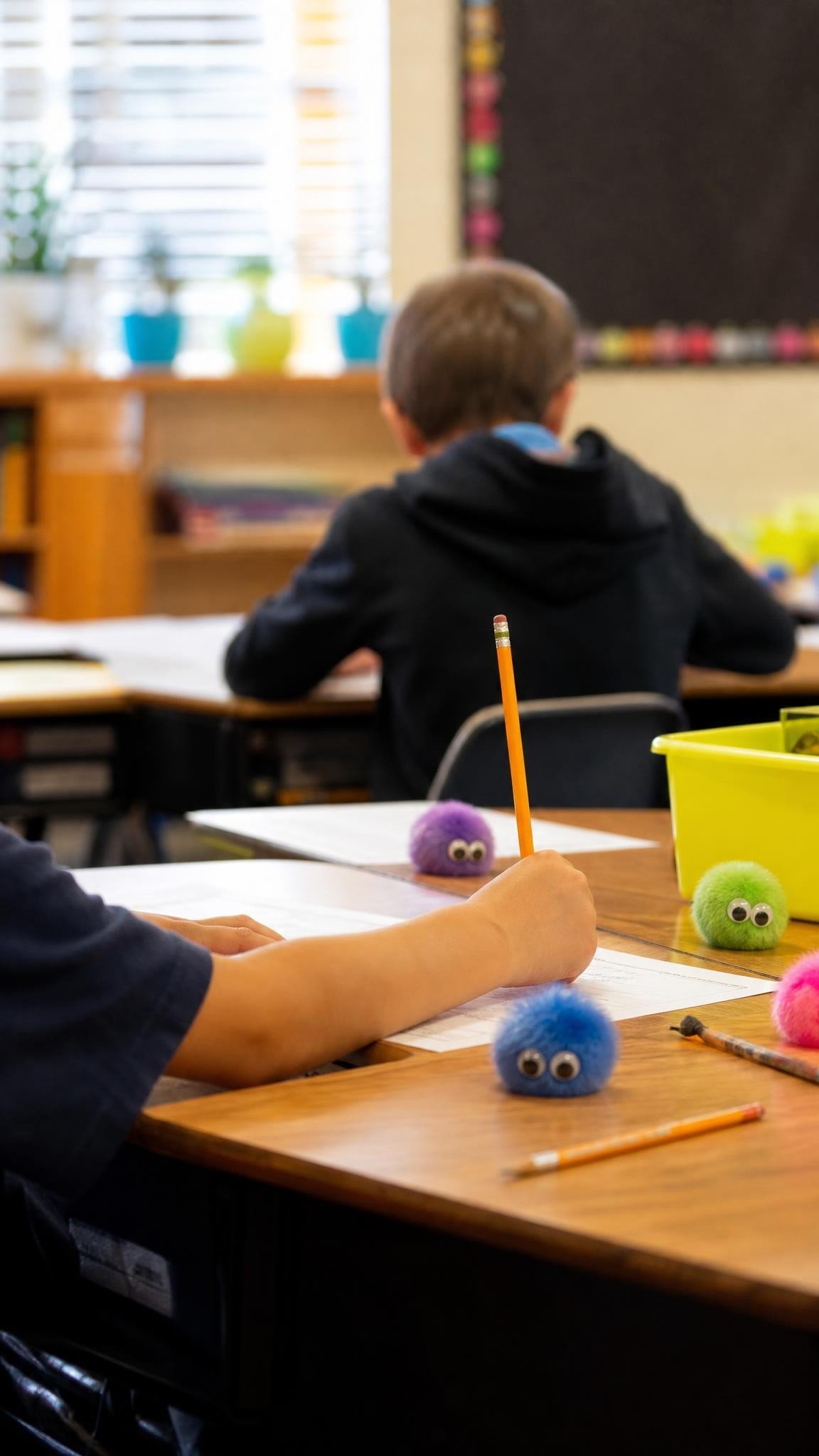
SaveTiny pom-pom critters with googly eyes come out during quiet work and only stay if it stays quiet. It sounds silly, and it works brilliantly with younger grades.
Try it tomorrow: Hand out one critter per table at the start of independent work.
15. Soft music as a volume guide
 Save
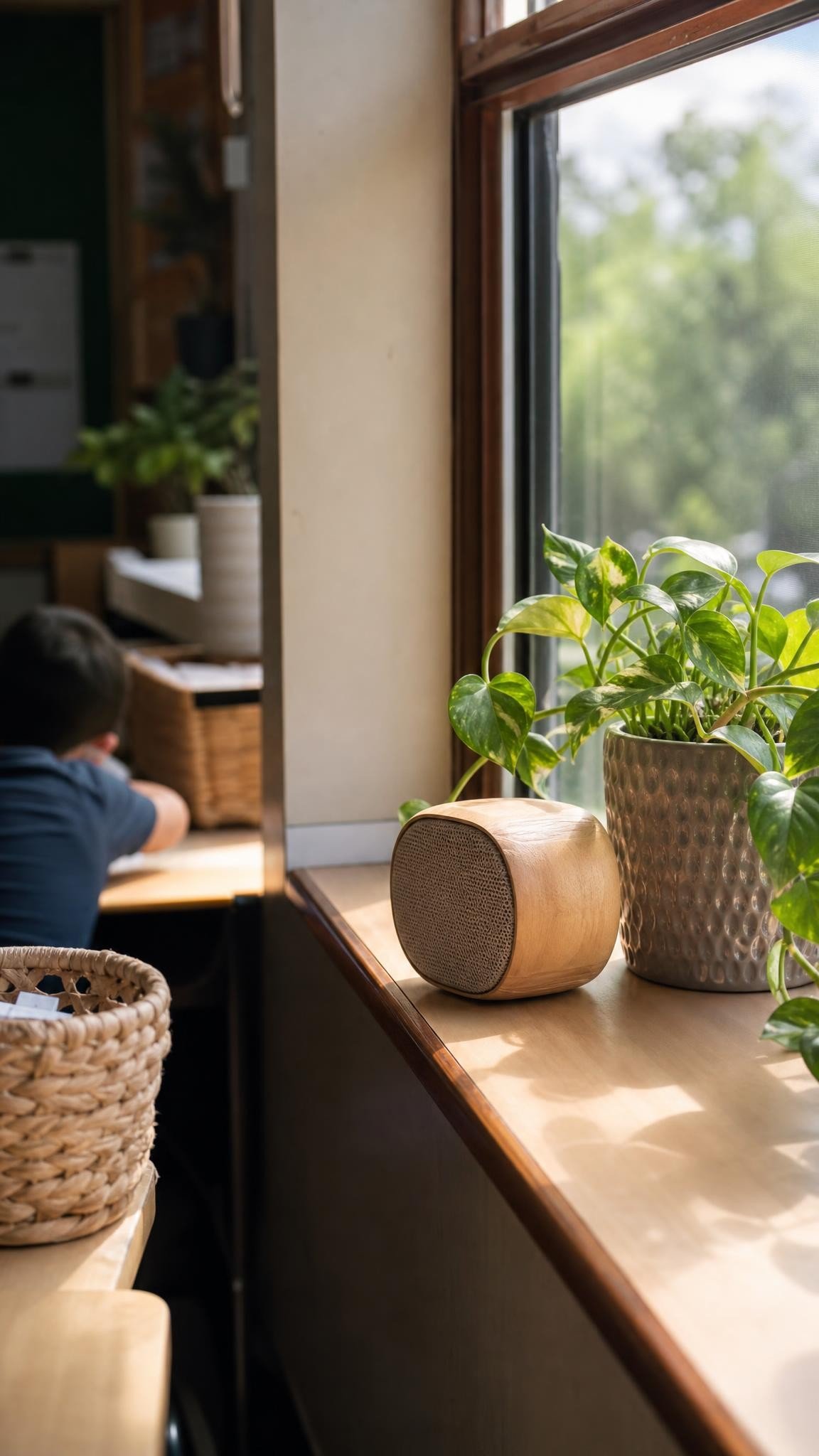
SavePlay calm instrumental music during work time. If children cannot hear the music, the room is too loud. It is a volume meter everyone already understands. For more on this, see how to quiet a noisy class.
Try it tomorrow: Play quiet piano music during your next work block.
Positive systems that beat a clip chart
16. Table points
 Save
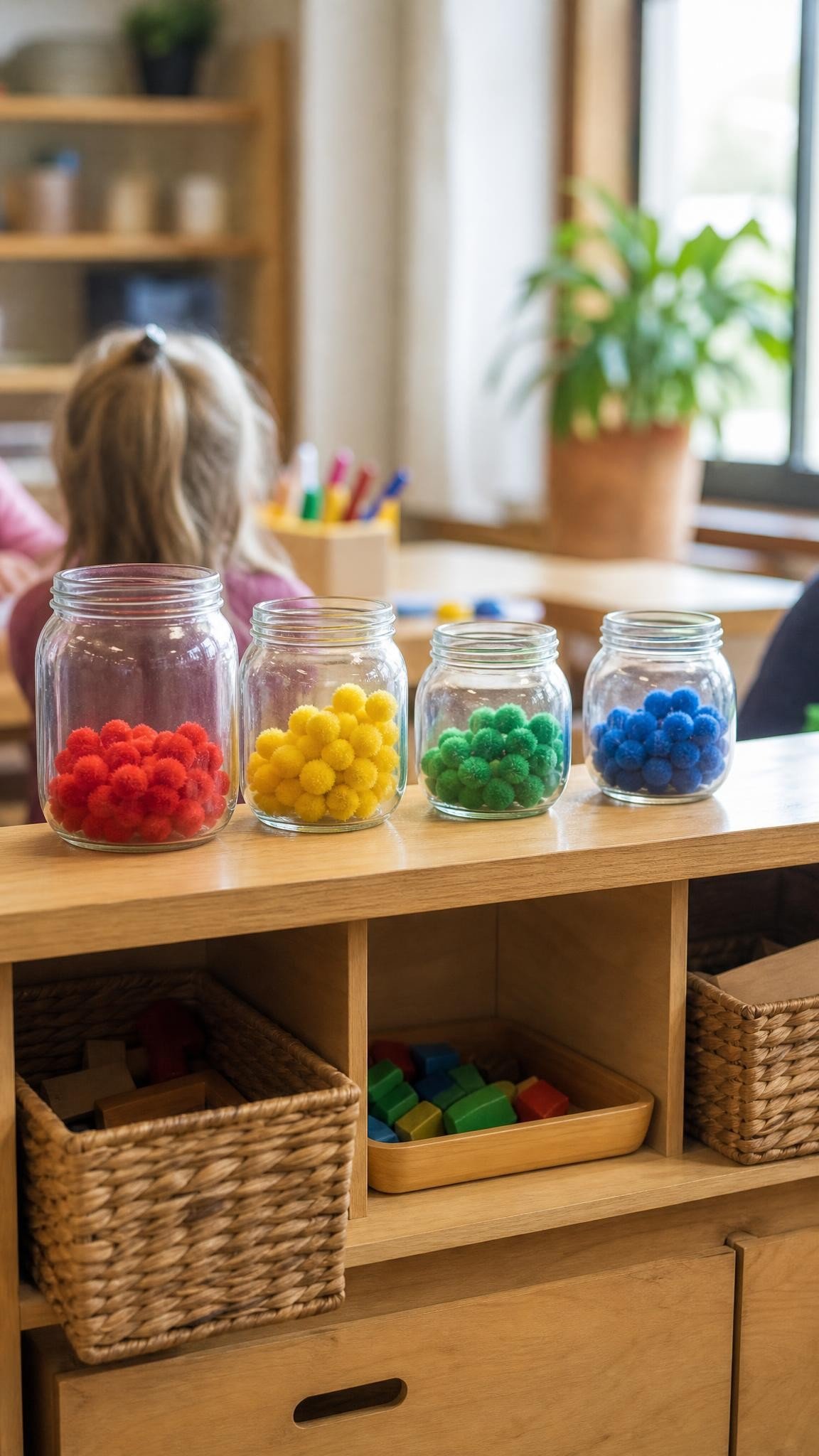
SaveTables earn points for teamwork, tidy-up speed and kindness. Peer pressure works in your favor, and nobody’s name goes on the board. For more ways to track it, see 24 behavior chart ideas for a chatty class.
Try it tomorrow: Draw a quick table points chart on the corner of your board.
17. A whole-class marble jar
 Save
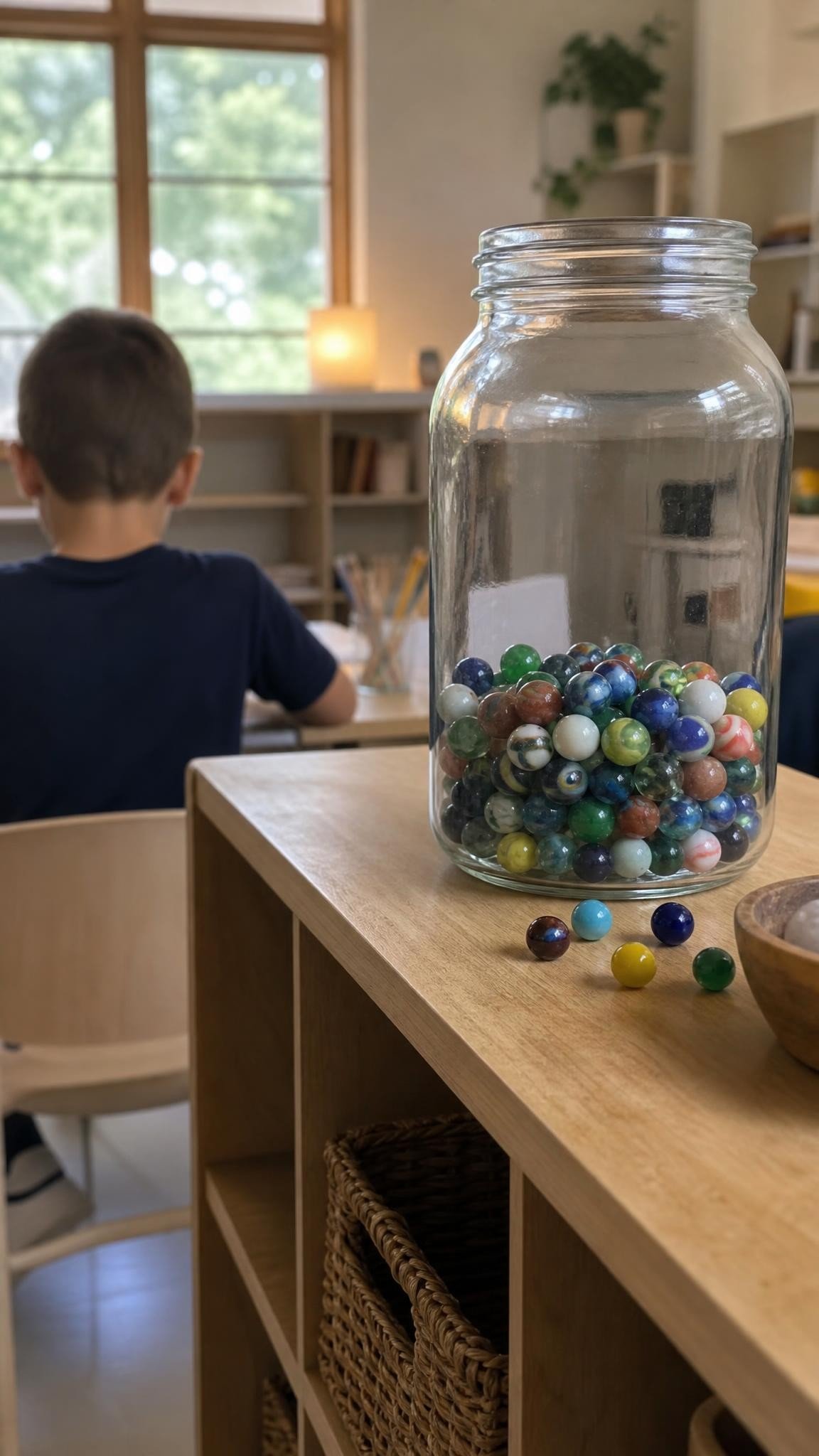
SaveEvery time the class does something well together, a marble goes in. When the jar fills, the class earns a reward they voted on, like extra recess or a pajama day.
Try it tomorrow: Let the class vote on the reward before you start filling the jar.
18. The mystery student
 Save
SaveSecretly pick one child at the start of the day. If they follow expectations, reveal their name at the end and the class celebrates. If not, nobody finds out who it was. Everyone behaves because it might be them.
Try it tomorrow: Pick a name, seal it in an envelope and reveal it at home time.
19. Desk pets
 Save
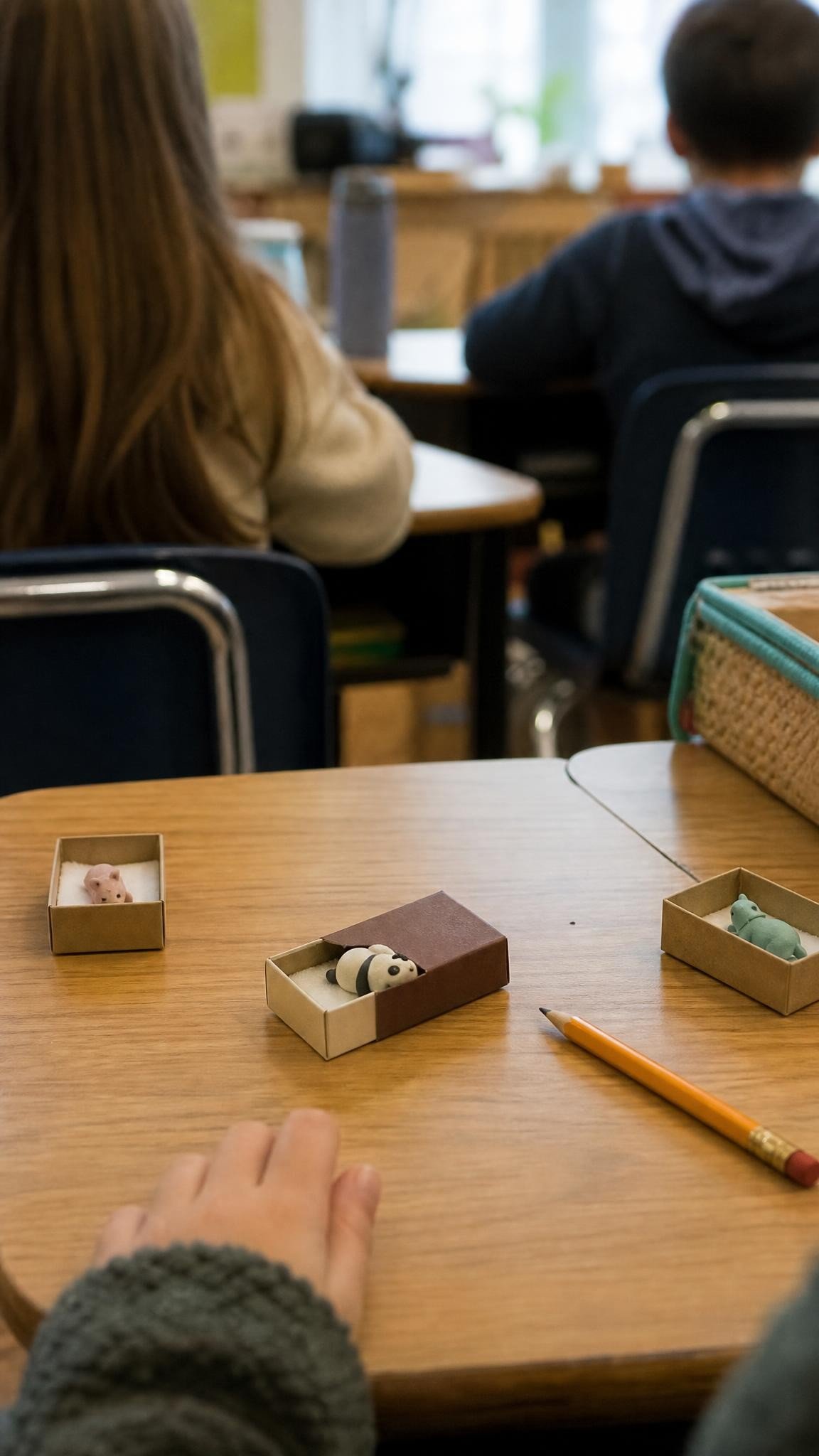
SaveChildren earn a tiny eraser pet, then earn accessories and a little bed for it by meeting goals. It is cheap, it is adorable, and it gives you a reason to notice good choices all day.
Try it tomorrow: Start with one small pet per child and a simple way to earn a bed.
20. Lucky ducks
 Save
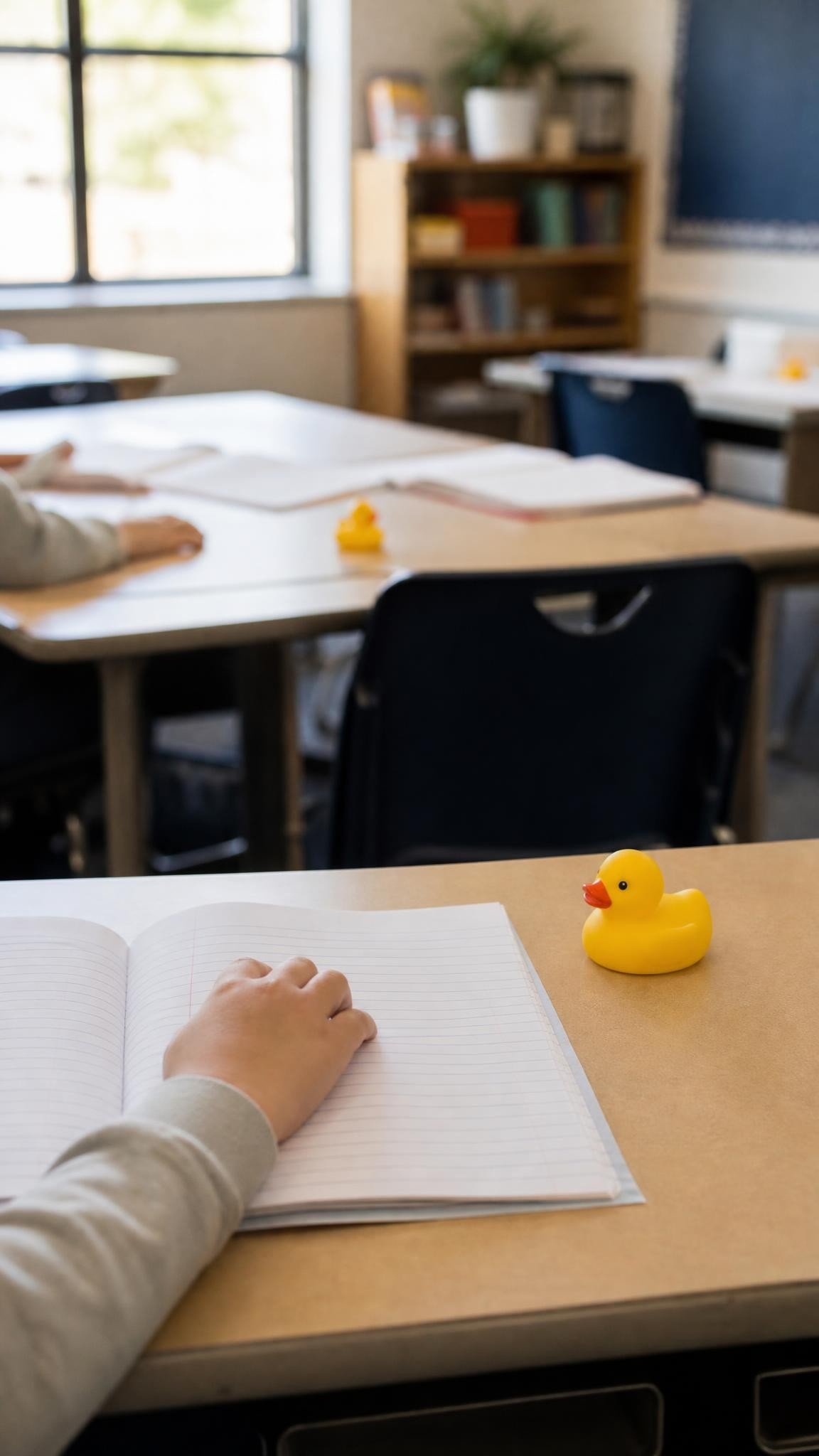
SaveLeave a small rubber duck on the desk of a child making a great choice. Ducks can be swapped for a small privilege at the end of the week. It is a quiet, positive surprise.
Try it tomorrow: Keep a pocket of small rubber ducks and give out three tomorrow.
21. Positive notes home
 Save
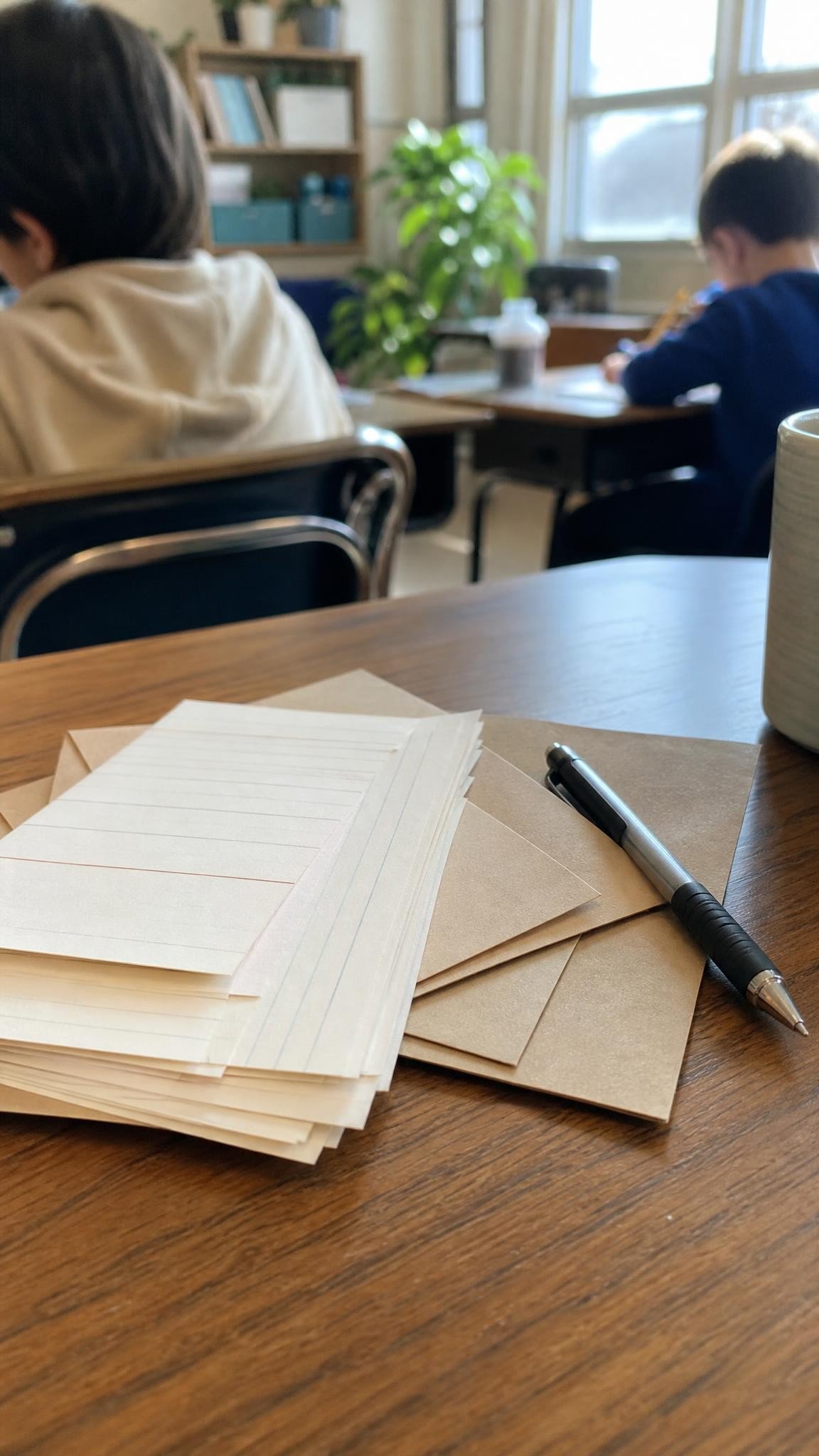
SaveA two-line note home about something good changes how a child walks into the room the next day, and how their family sees you. Aim for three a week.
Try it tomorrow: Write two positive notes before you leave school tomorrow.
Calm, not chaos
22. A calm down corner
 Save
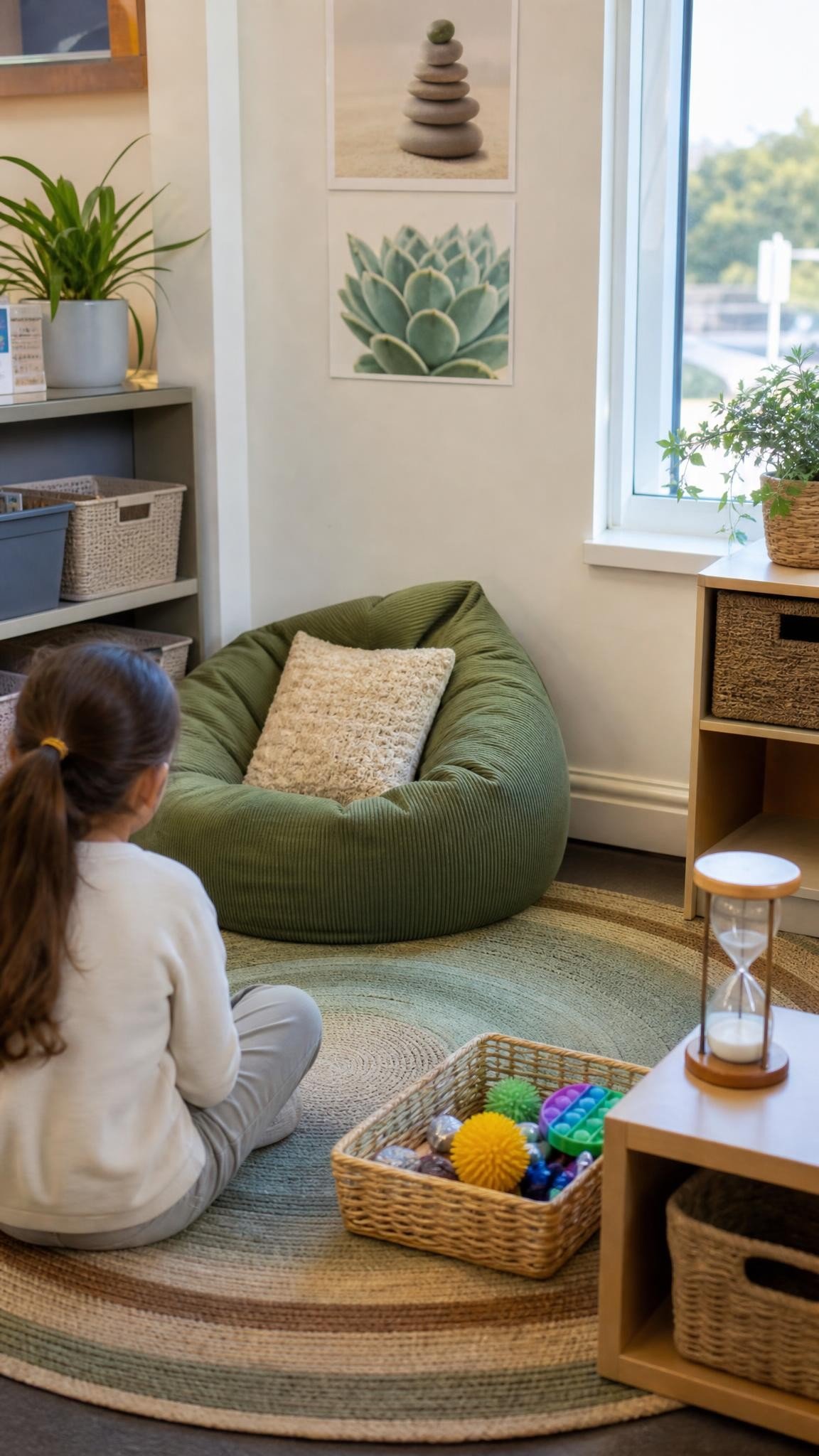
SaveA calm corner is a place to reset, not a time out. Give it breathing cards, a timer and a simple routine for coming back. Our full calm down corner setup guide walks through it step by step.
Try it tomorrow: Set up one corner with a cushion, a timer and breathing cards.
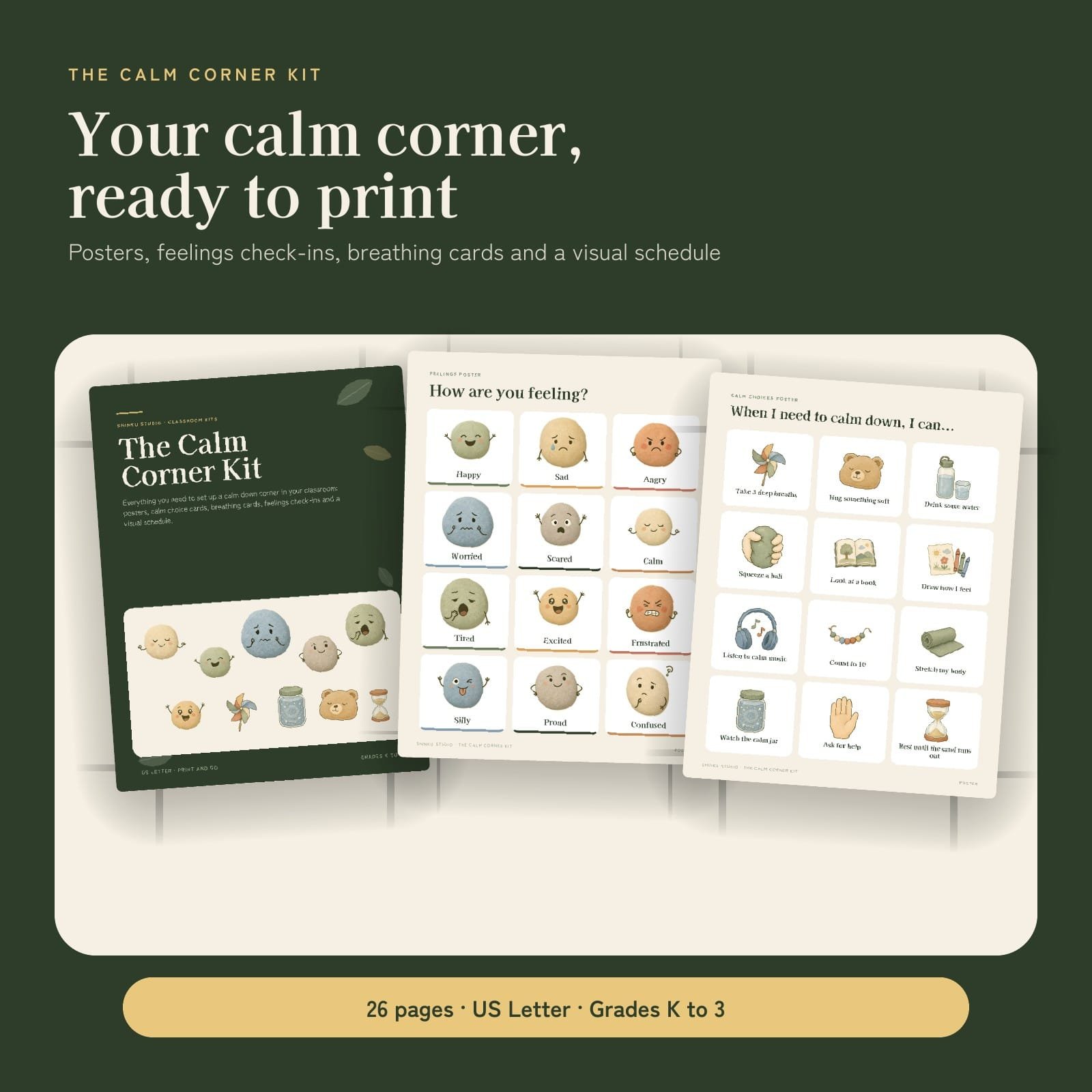
A calm corner, ready to print
The Calm Corner Kit gives you the whole corner in one soft, neutral style: a calm corner sign, a feelings chart with a 1 to 5 scale, calm choice cards, 12 breathing cards and a simple visual routine for coming back to the group.
23. A breathing break after recess
 Save
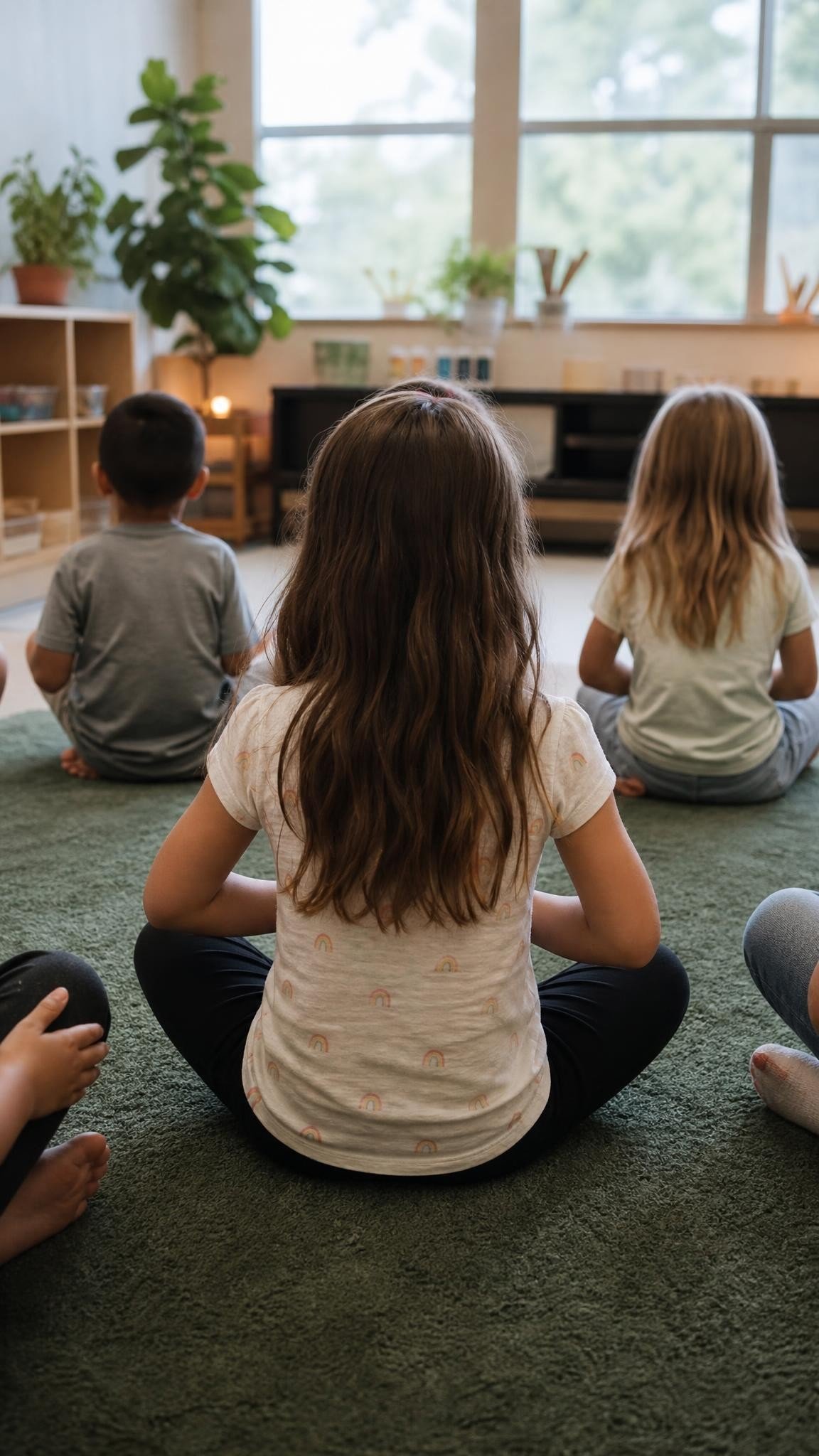
SaveChildren come in from recess with their heart rate up. Two minutes of slow breathing on the carpet brings the whole class back down before you teach.
Try it tomorrow: Do three slow “smell the flower, blow out the candle” breaths after recess.
24. Brain breaks before they need one
 Save
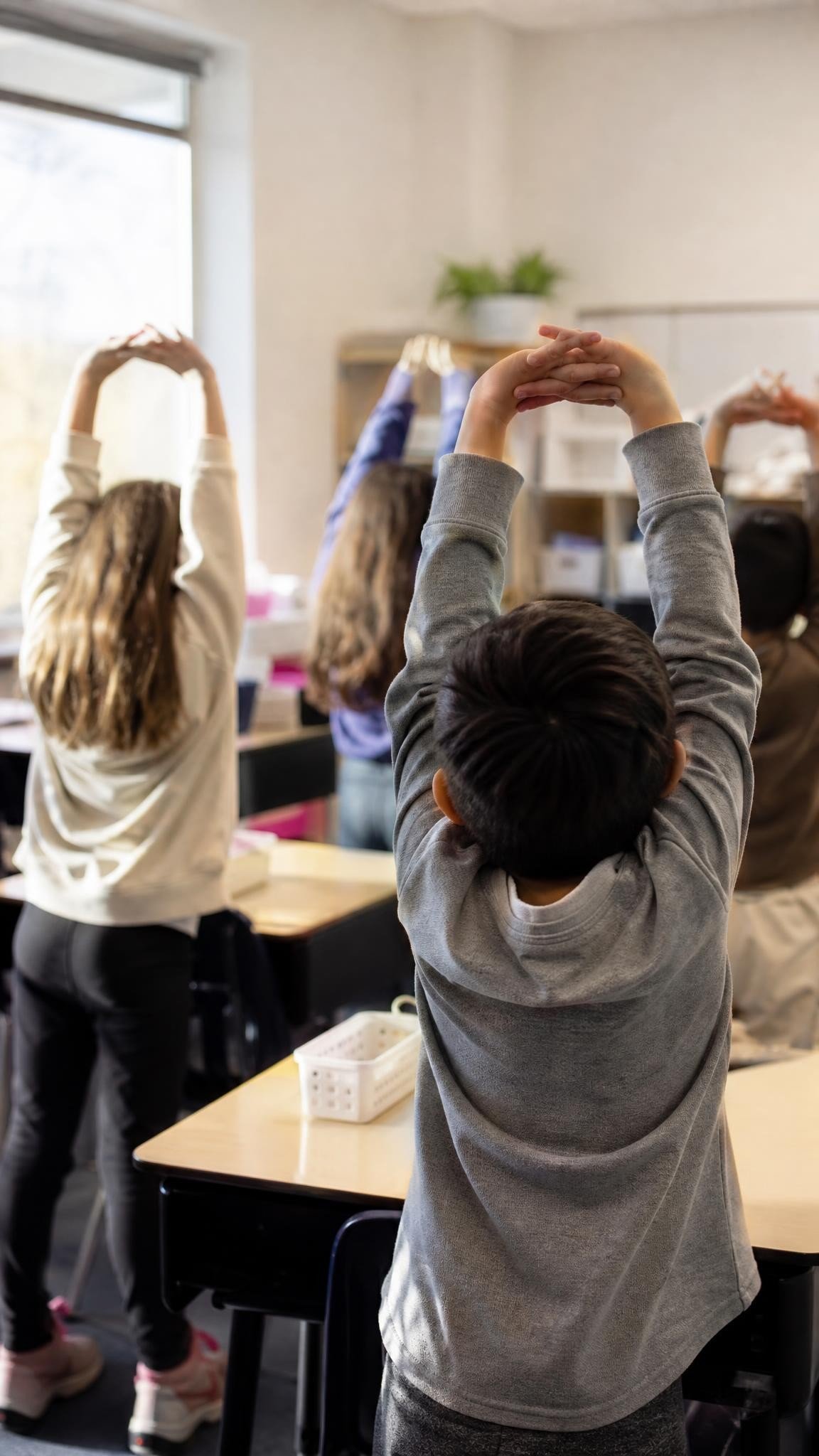
SaveDo not wait for the wiggles. A short movement break every 20 to 30 minutes stops restlessness before it starts, especially in younger grades.
Try it tomorrow: Schedule two short brain breaks into tomorrow’s plan.
25. A reset desk
 Save
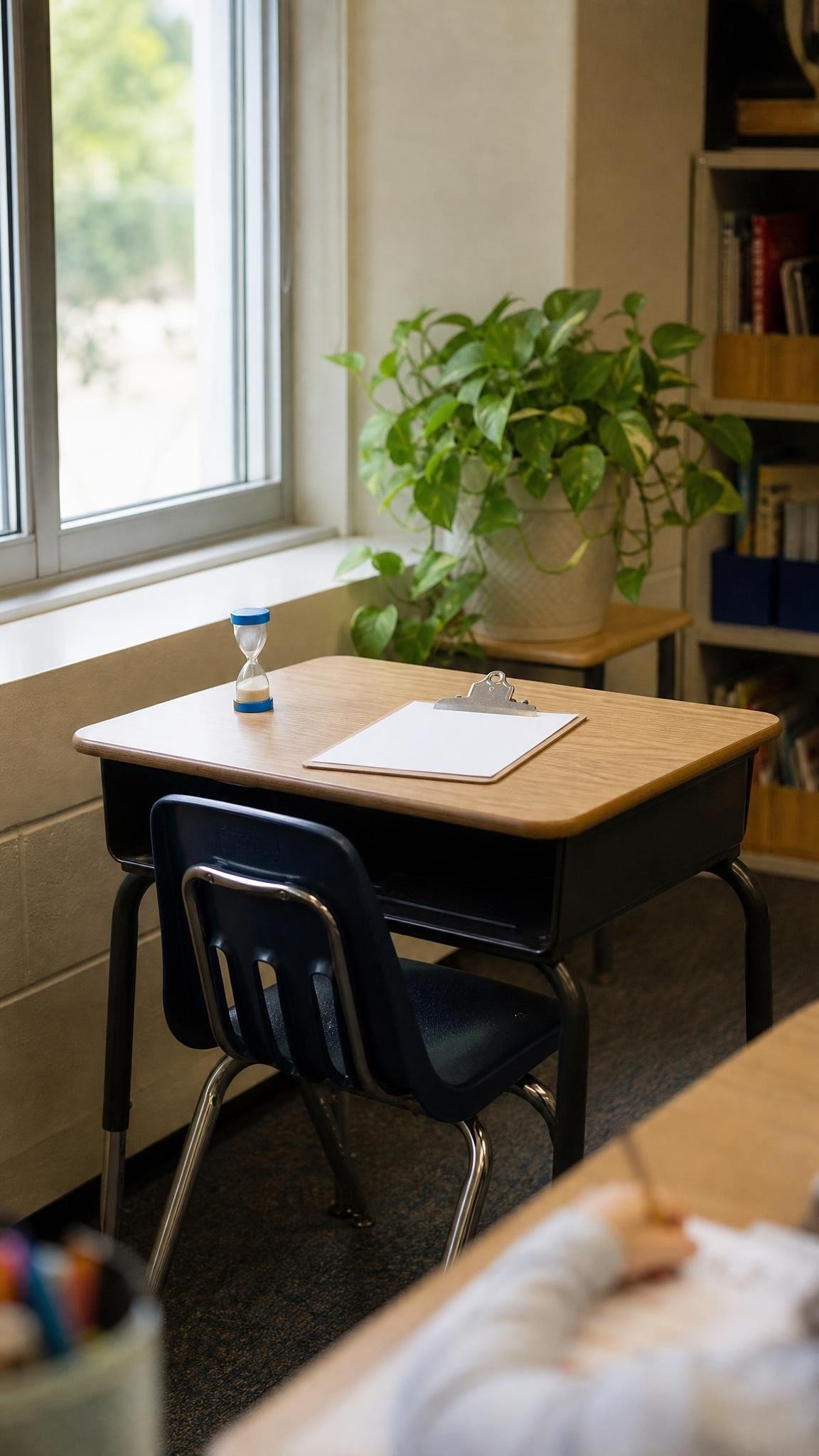
SaveOne quiet desk by the window where a child can go to finish work or cool off, without fuss. It works best when it is offered as a choice, not a punishment.
Try it tomorrow: Choose one desk and add a sand timer and a clipboard.
Jobs, seating and space
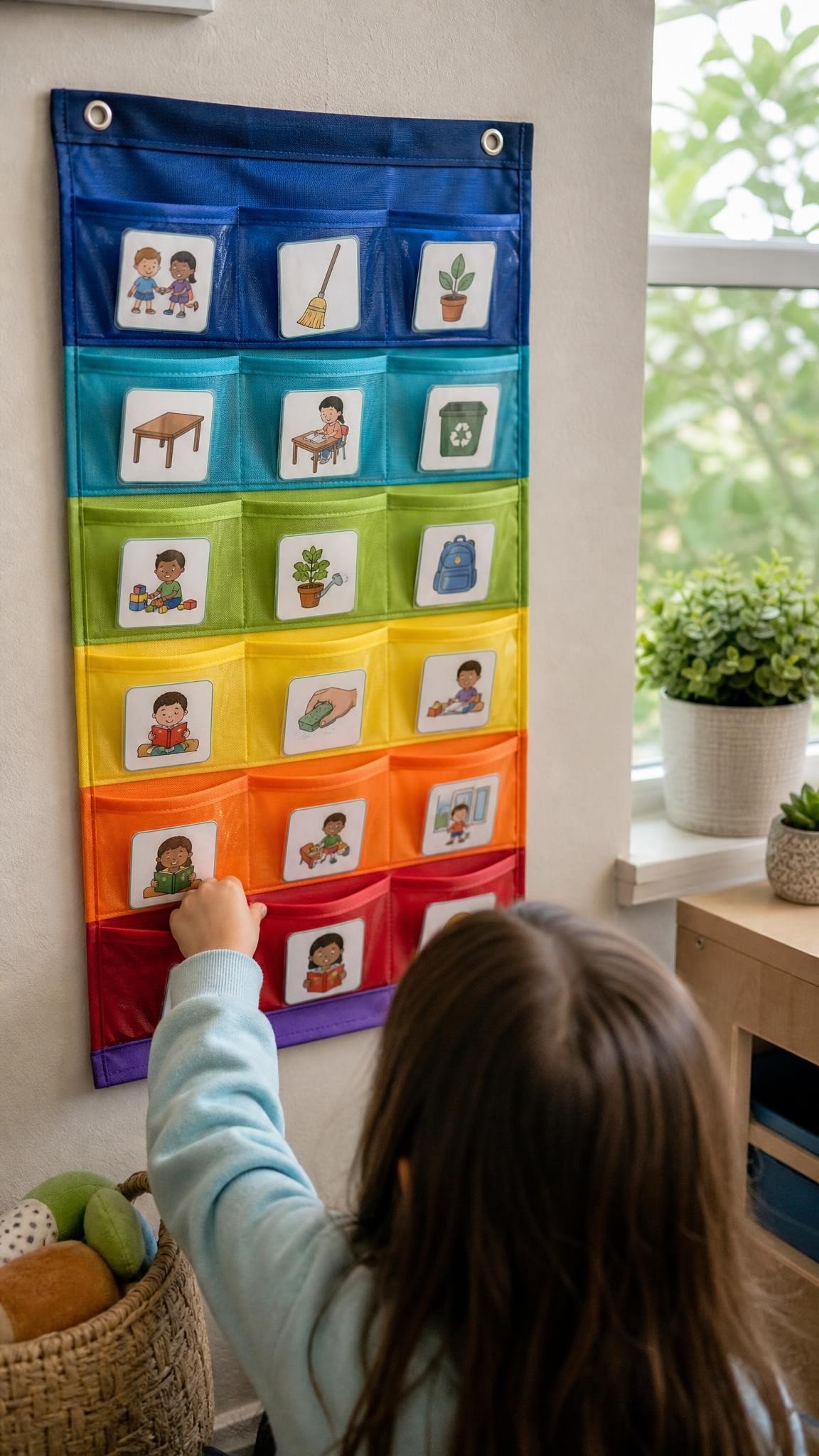
26. A job for every child
 Save
SaveWhen every child has a job, the room runs itself and children feel ownership. Rotate weekly so everyone gets a turn. See 20 classroom job chart ideas for charts that rotate themselves.
Try it tomorrow: Make a simple job list with one job per child.
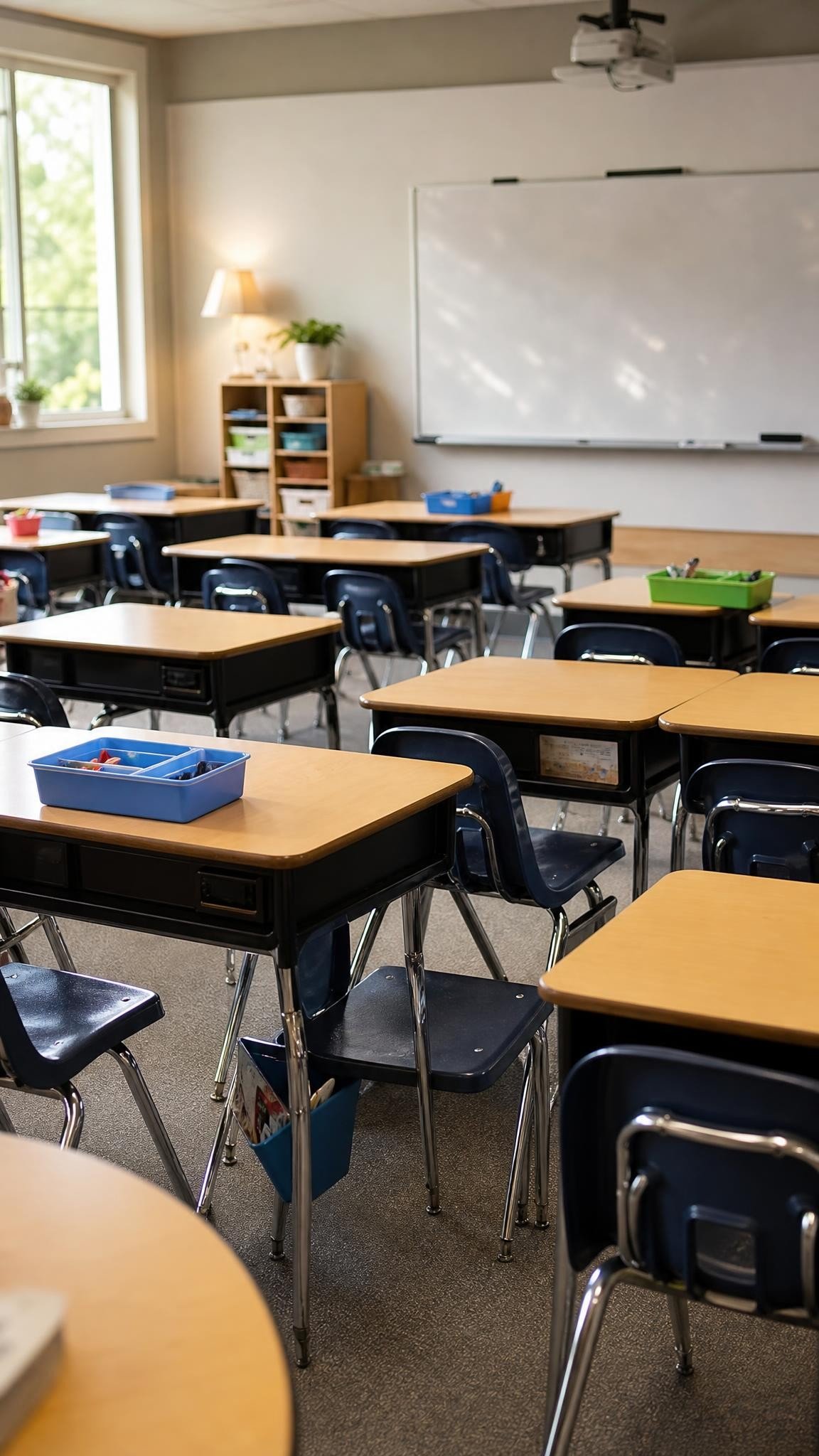
27. Seating that fixes chatter
 Save
SaveA seating plan is a management tool. Move talkative pairs apart, give children who need focus a spot near you, and change seats every few weeks.
Try it tomorrow: Redraw your seating plan with your three chattiest pairs split up.
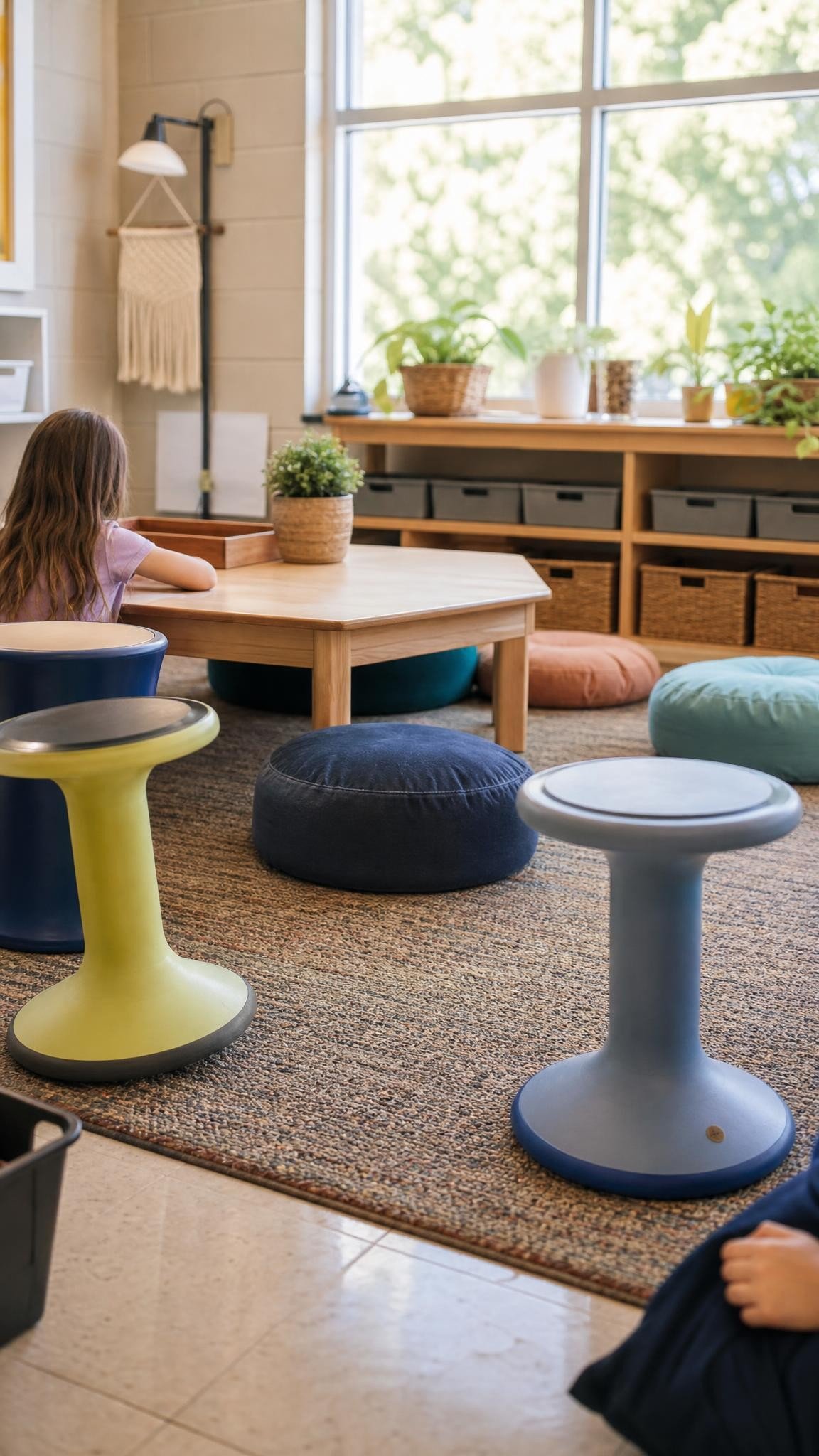
28. Flexible seating with clear rules
 Save
SaveWobble cushions, stools and floor seats help children who need to move, but only with rules: choose a spot that helps you learn, and if it does not, you move.
Try it tomorrow: Add one flexible seating option and teach the rules for it.
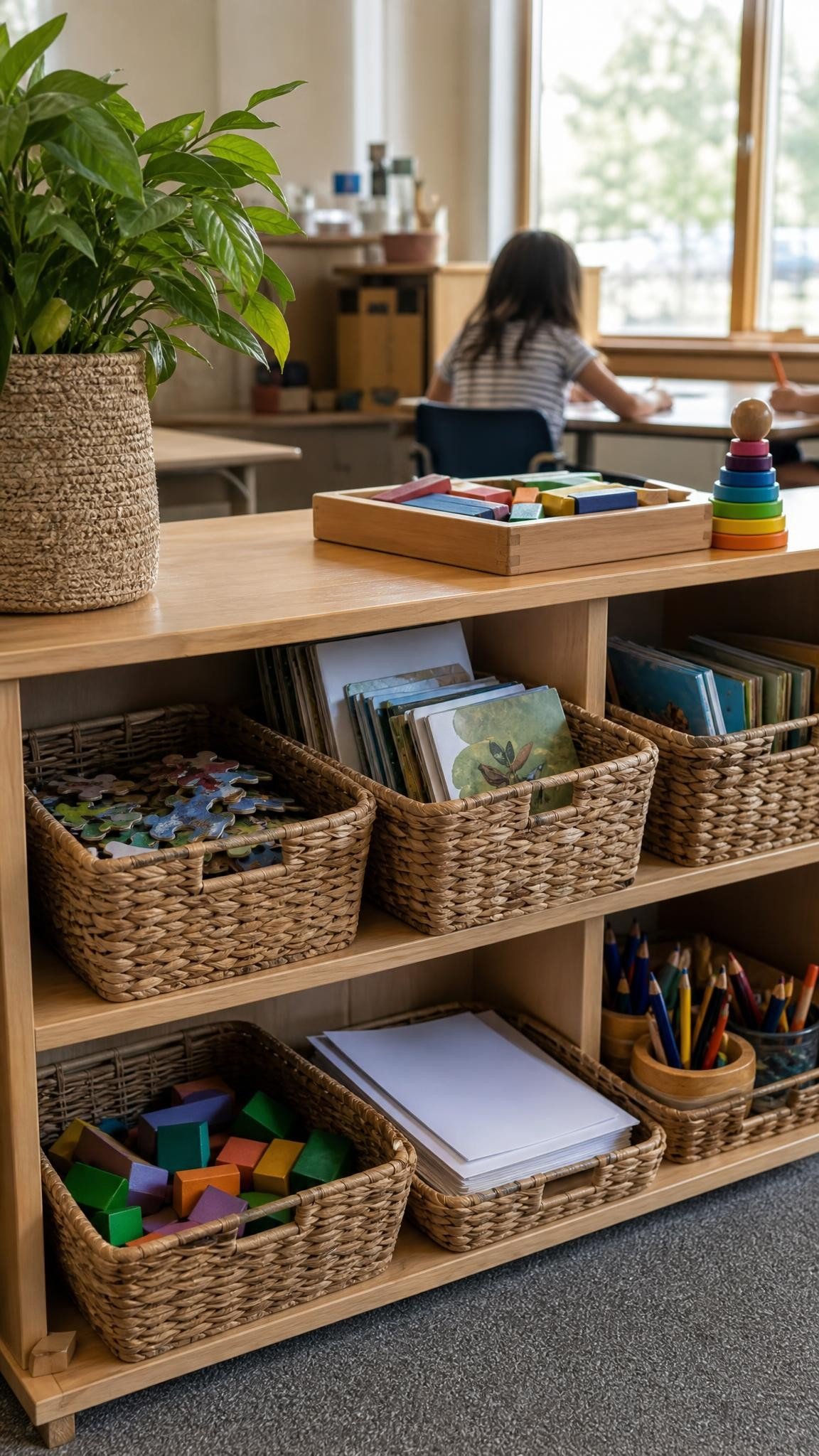
29. A “when I am done” station
 Save
SaveFast finishers with nothing to do create noise. A station with early finisher tasks keeps them busy and learning while others catch up.
Try it tomorrow: Fill one basket with puzzles, reading and drawing for early finishers.
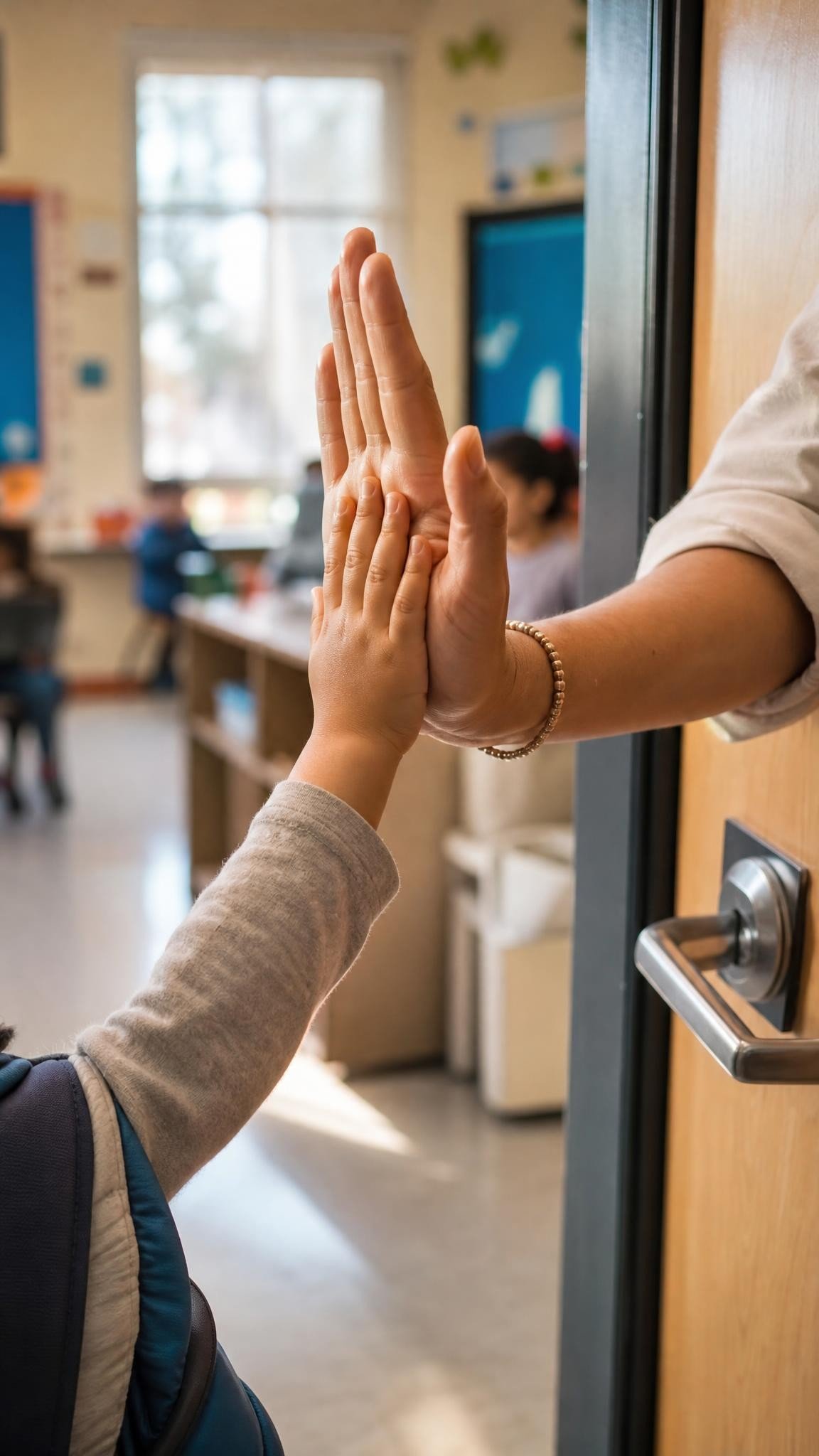
30. Greet every child at the door
 Save
SaveA high five, a handshake or a quick “good morning” at the door tells every child they are seen. It is the simplest management idea on this list, and the one that changes the most.
Try it tomorrow: Stand at the door tomorrow morning and greet every child by name.
Where to start
If this list feels like a lot, start with three: rehearse one routine, pick one attention signal, and start a marble jar. Use them every day for two weeks before adding anything else. Consistency beats novelty in classroom management every single time.
Classroom management tools teachers like


Frequently asked questions
Clear routines practiced until they are automatic, a reliable attention signal, and a positive whole-class system such as table points or a marble jar. These three cover most of what goes wrong in an elementary classroom.
Use a visible voice level chart, split up the chattiest pairs in your seating plan, give quiet work a timer, and reward tables that stay on task. A noise monitor on the board helps children see their own volume.
Teach a signal and practice it: a chime, call and response, a raised hand or a countdown from five. Wait in silence until every child is looking before you speak.
Whole-class rewards like a marble jar work well alongside small individual ones like desk pets or lucky ducks. Keep rewards frequent and small, and let the class vote on bigger ones.
Most routines settle in two to three weeks if you use them every single day. Consistency matters far more than which idea you pick.
About the author: Shinku Studio is written by a working elementary classroom teacher. Every idea here has been used with a real class, on real Mondays, and kept because it worked.