
Some links in this post are affiliate links. If you buy through one, I may earn a small commission at no extra cost to you. As an Amazon Associate I earn from qualifying purchases.
The short answer: organize a classroom library by topic or genre in clearly labeled bins, put a picture on every label so non-readers can sort books back, color code the books to match their bin, face a few books forward to sell them, and add a simple return basket so children never reshelve on their own. Leveled books can live in a separate, smaller set of bins. That one system keeps a library tidy all year.
The problem with most classroom libraries is not the number of books, it is that only the teacher knows where they go. When a child cannot put a book back in ten seconds, it ends up on top of the shelf, and by October the whole thing is a heap. Here is a setup children can actually maintain themselves.
 Save
SaveStep 1: Sort by topic, not just by level
Children choose books by what they are interested in, so sort that way: animals, dinosaurs, space, funny books, friendship, sports, graphic novels, series, how-to books, poetry. Aim for 15 to 25 bins depending on your collection. If your school requires leveled reading, keep a smaller leveled set in its own bins for guided reading and book boxes, and let the main library be by topic.
- Pull every book off the shelves into rough piles by topic.
- Combine tiny piles and split huge ones until each bin holds 15 to 25 books.
- Give popular series their own bins. Children will look for them first.
- Retire damaged, outdated or never-chosen books.
Step 2: Bins with picture labels
 Save
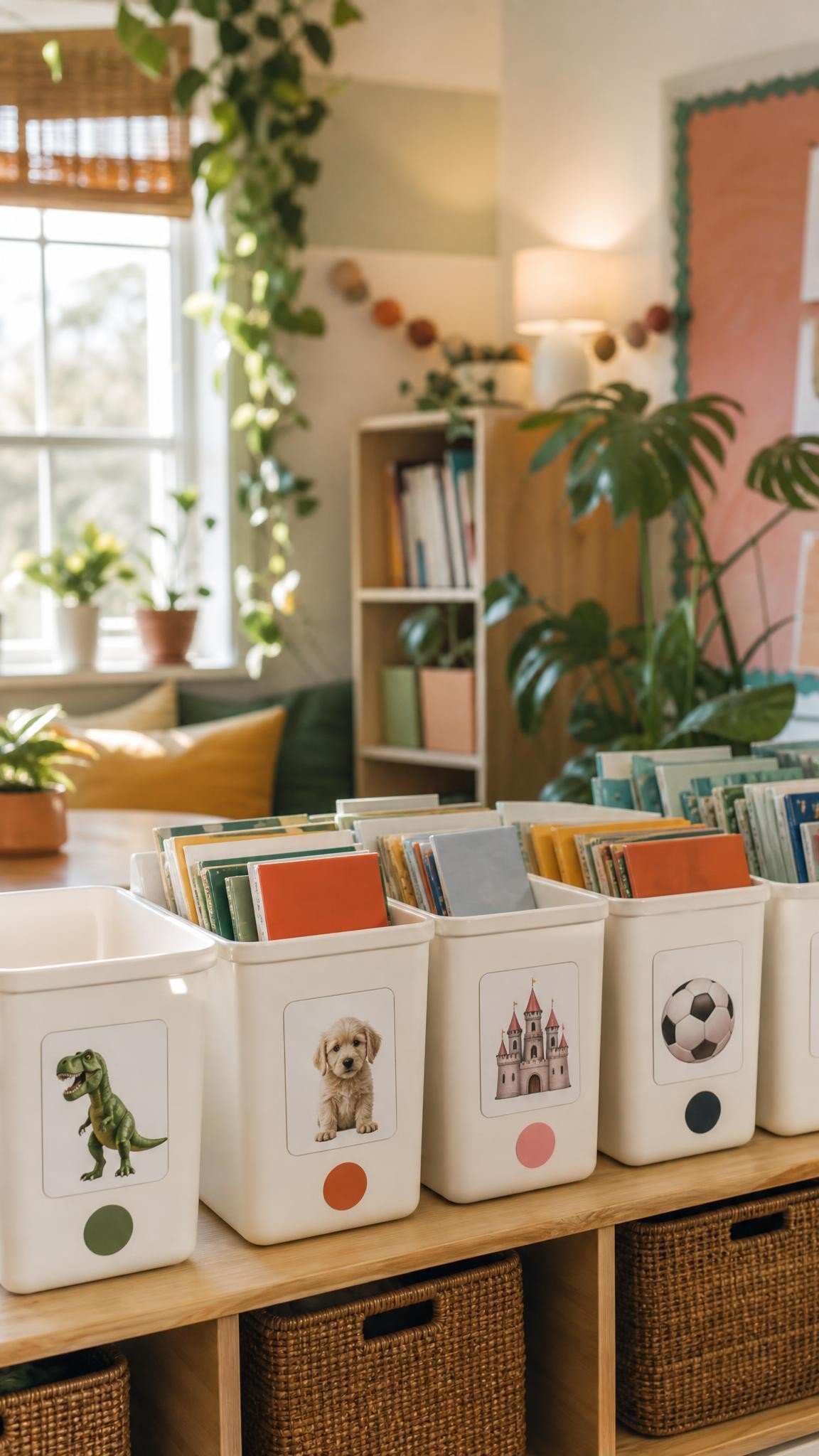
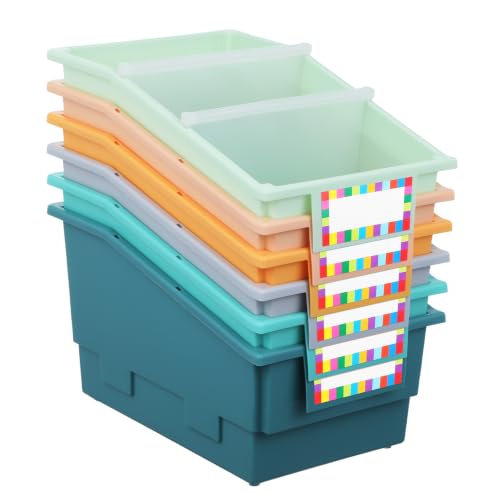
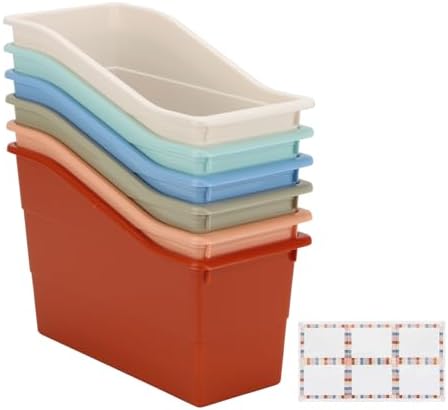
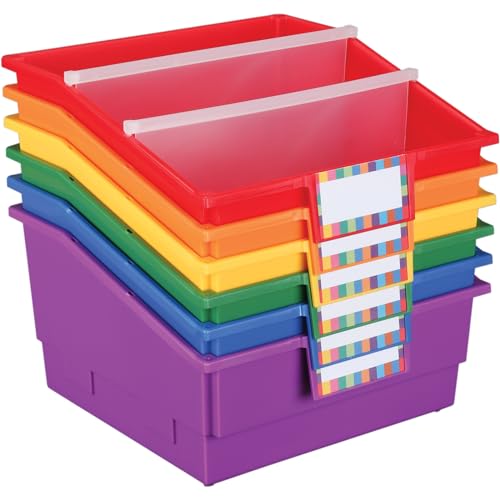
SaveSturdy bins are worth it, because cheap ones crack in the first month. Storex large book bins are the ones I see in classroom after classroom: they interlock, stand up to children pulling them out, and come in colors that match a simple color code. Add a label with a word and a picture to every bin so your youngest readers and ELL students can find their way around.
Classroom library bins and labels
Step 3: Color code books so they go back in the right bin
Put a small dot sticker on the spine or top corner of each book in the same color as its bin label. Avery removable color coding dots come off cleanly if a book moves bins later. For a second check, a simple stamp inside the cover with the bin name or your name, using a custom self-inking stamp, helps lost books find their way home.
Free for your classroom
 Save
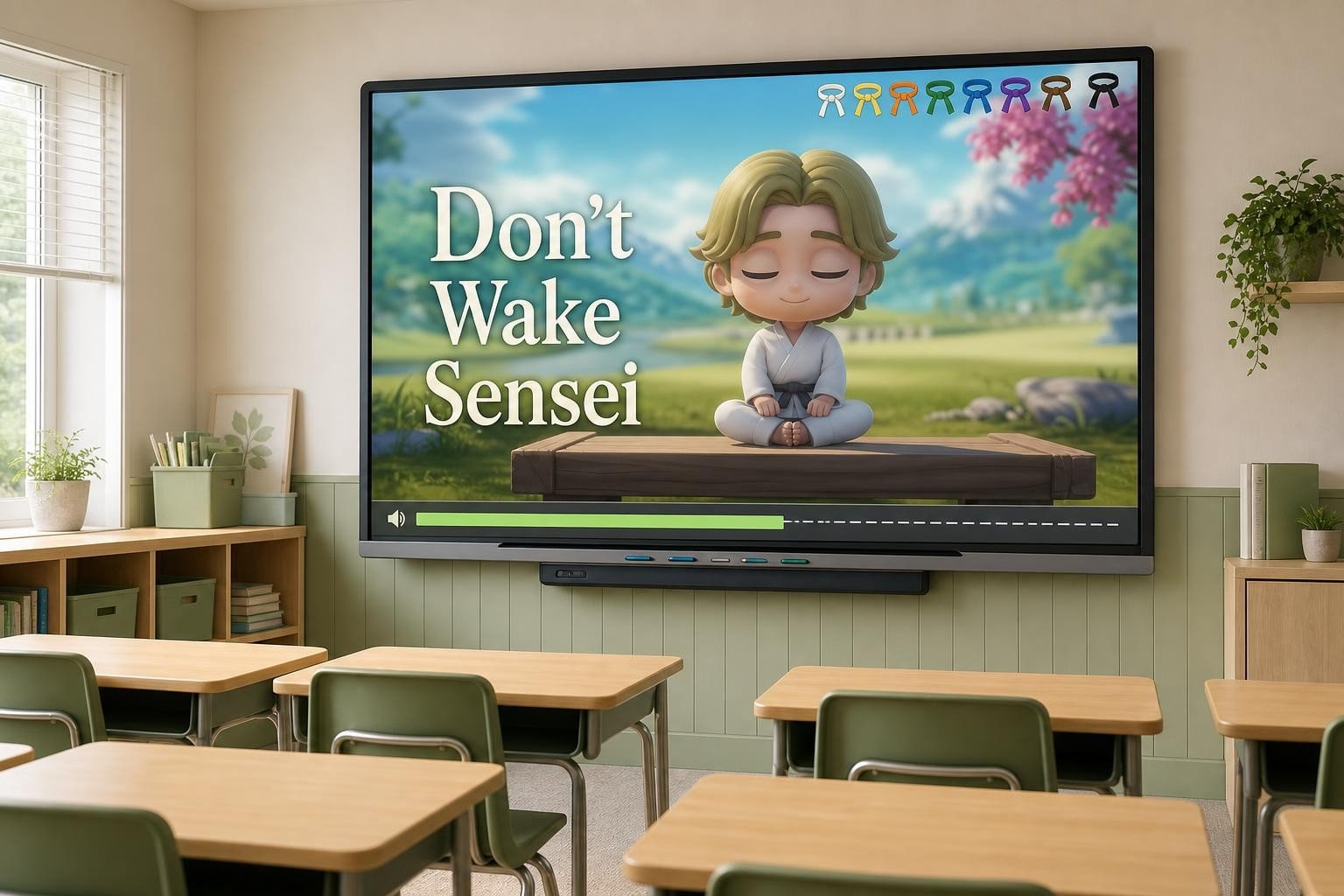
SaveDon’t Wake Sensei is a free classroom noise monitor that works like a game. Put it on your board, keep the room under the quiet line, and your class earns karate belts together while Sensei meditates. Nothing to install and nothing is recorded. Get Don’t Wake Sensei free.
Step 4: Face some books forward
 Save
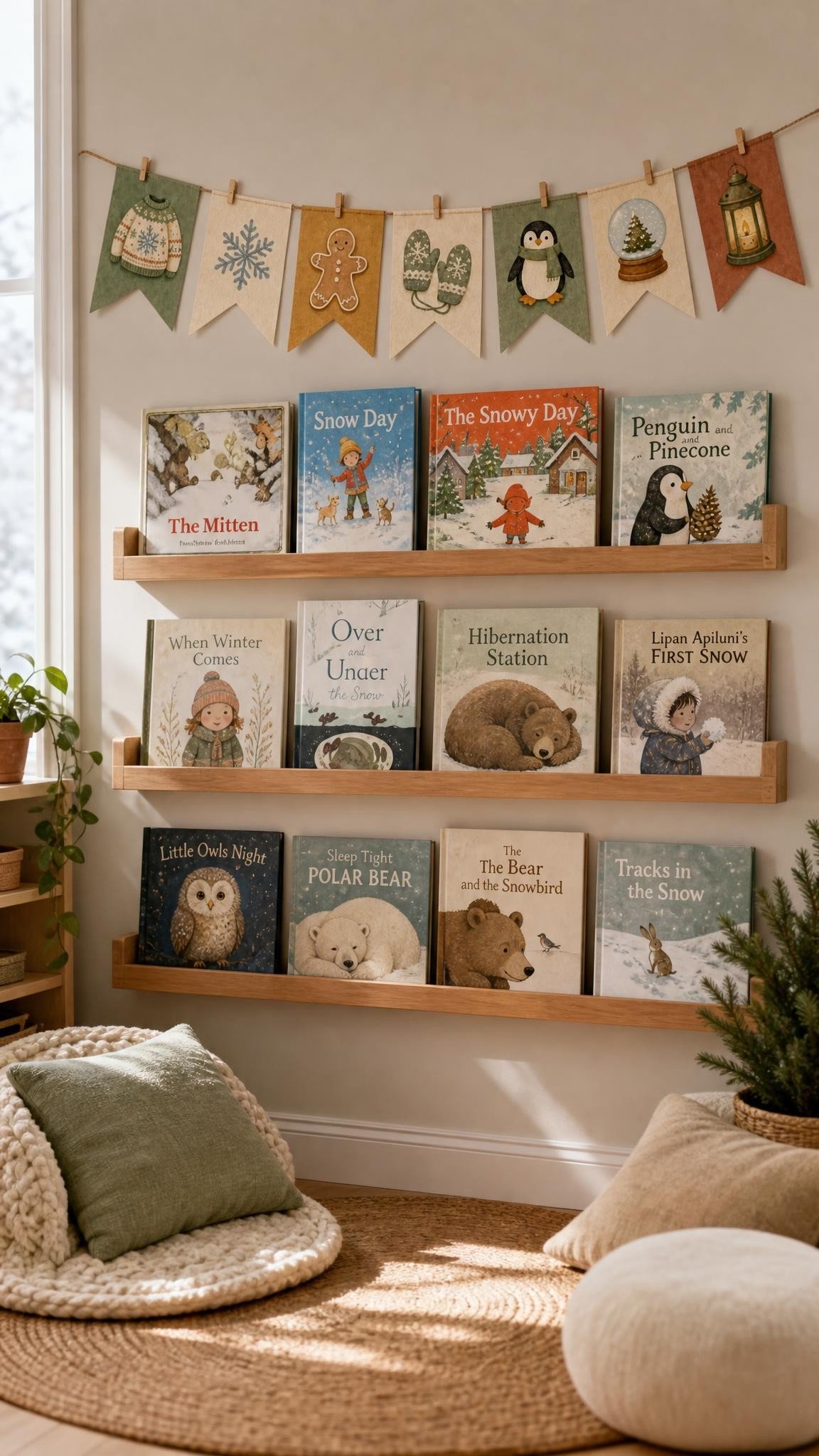
SaveA spine tells a child almost nothing. A cover sells the book. Give a small part of your library to front facing displays and rotate them every week or two. Clear acrylic ledge shelves mount on any wall, and an easel display stand on top of a shelf is perfect for one featured book or a seasonal read aloud.
Seasonal display printables
 Save
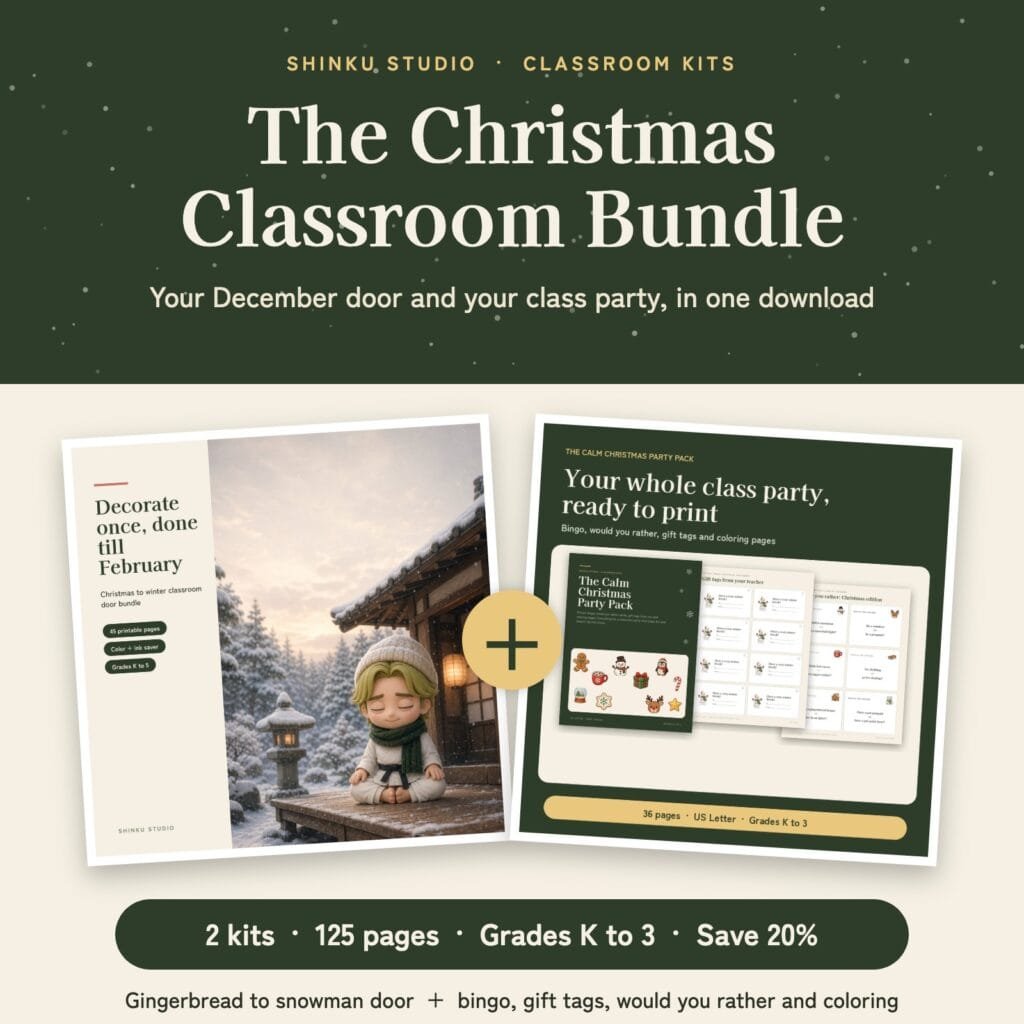
SaveRotating a December book display? The Christmas Classroom Bundle puts the Cozy Winter Door Bundle and the Calm Christmas Party Pack together, so your door and class party are covered while your read aloud shelf does the rest. See the bundle.
Step 5: A return basket and a book doctor
 Save
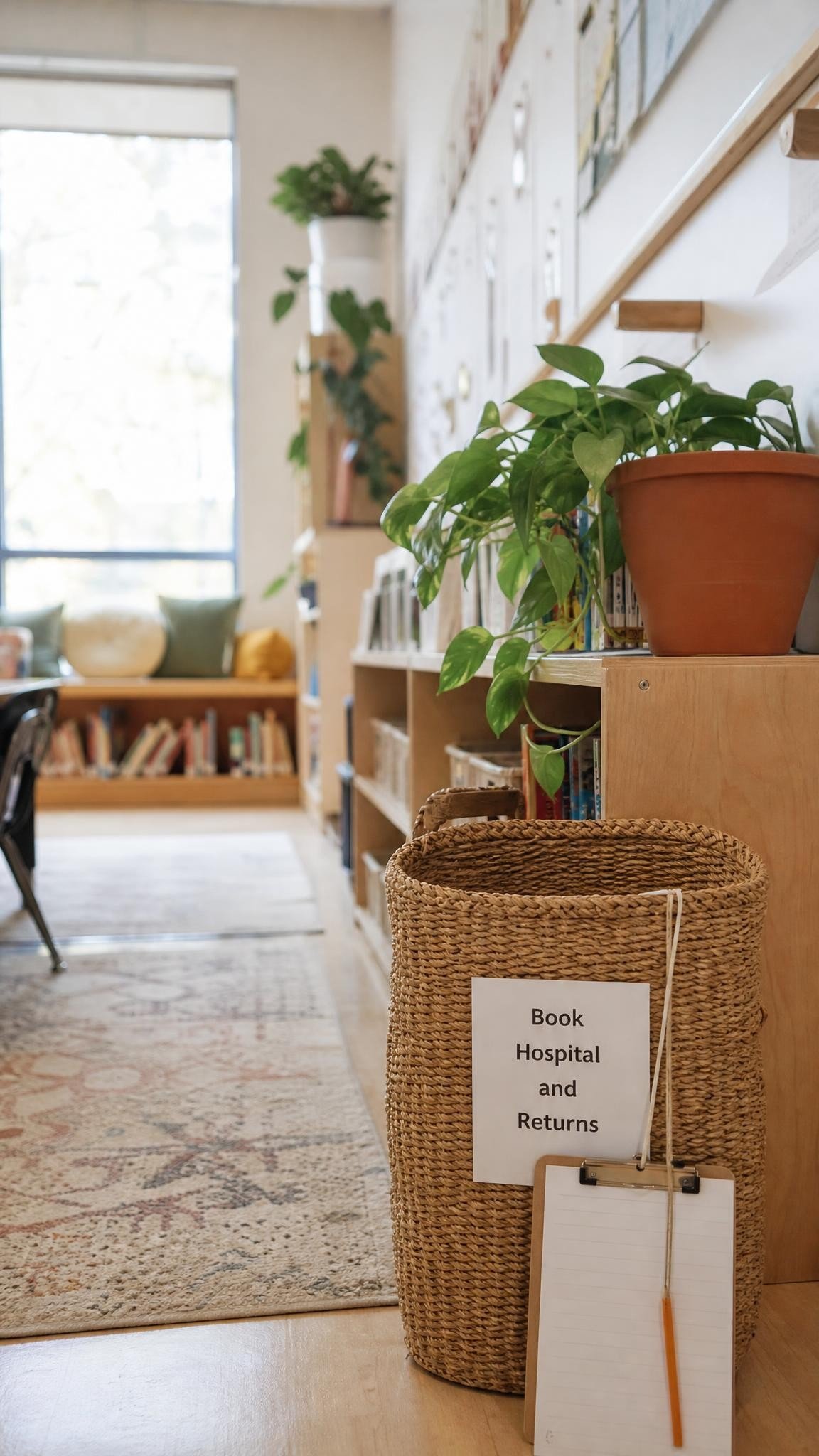
SaveChildren should never reshelve on their own in the middle of a lesson. Give them one place to drop books, then let a class librarian sort the basket back into bins at the end of the day using the color dots. A small wooden crate makes a nice return box. Add a “book hospital” tray for torn pages and a roll of Scotch book repair tape so damage gets fixed instead of hidden.
Step 6: Make it somewhere children want to be
 Save
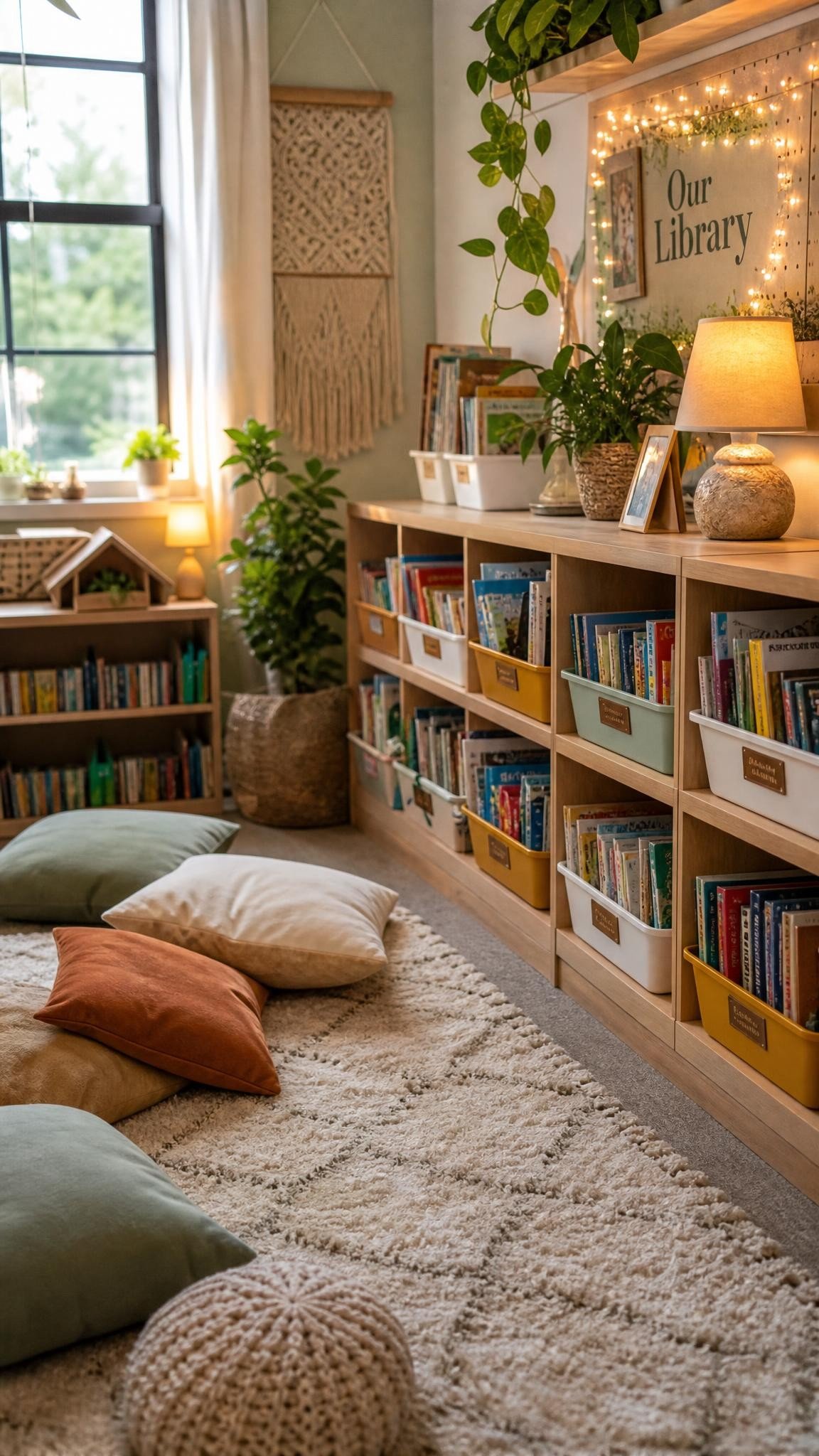
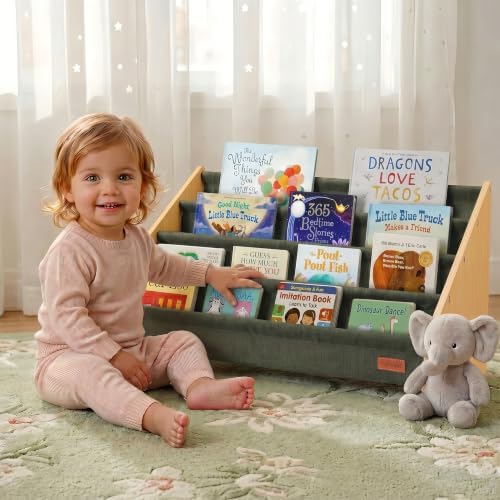
SaveThe library does not need to be big to be inviting. A rug, a couple of cushions and one front facing shelf turn a bookcase into a reading nook. The Humble Crew front facing bookshelf is a classroom favorite for picture books because even the smallest readers can see every cover.
Make it a calm nook too
 Save
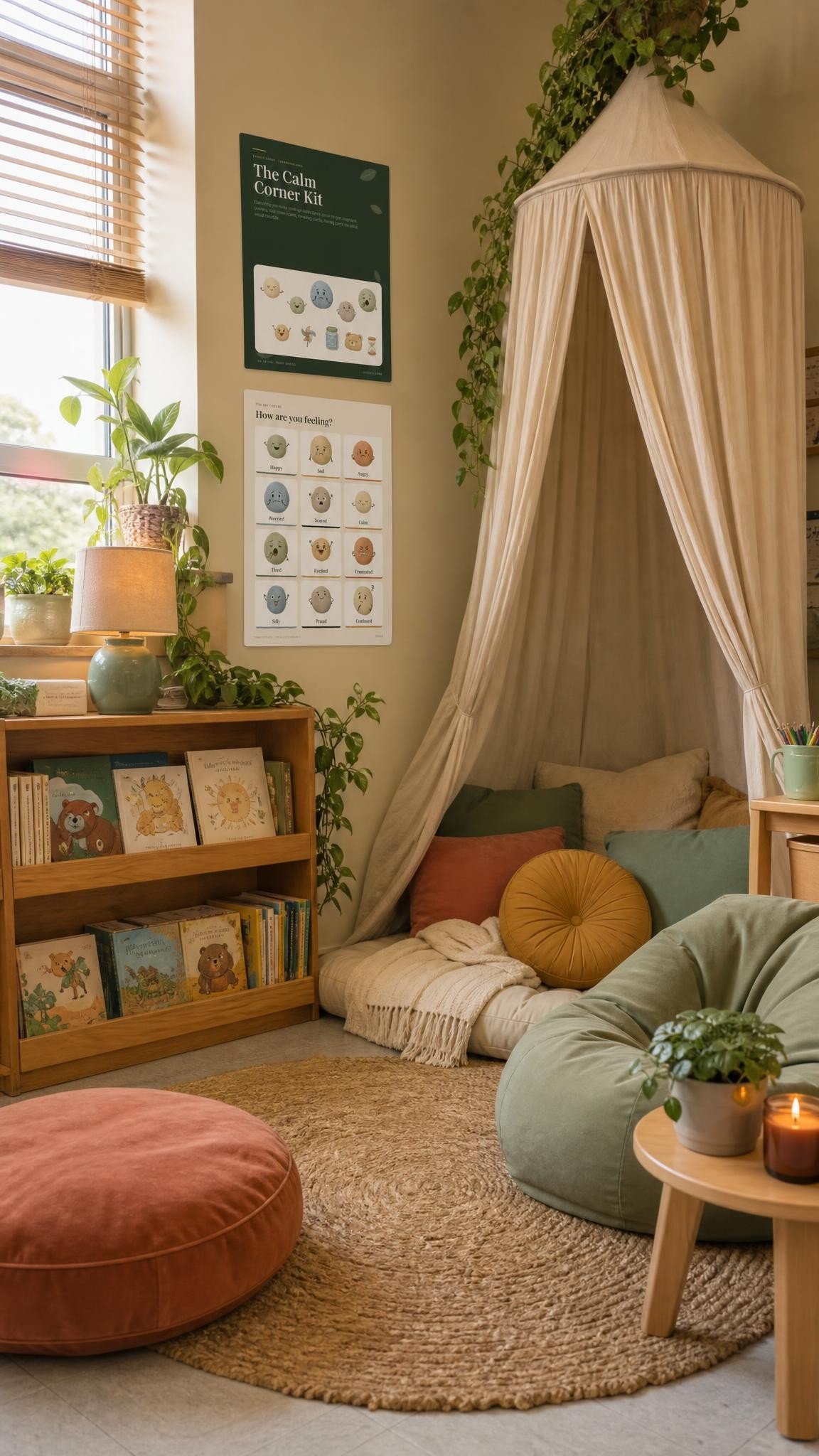
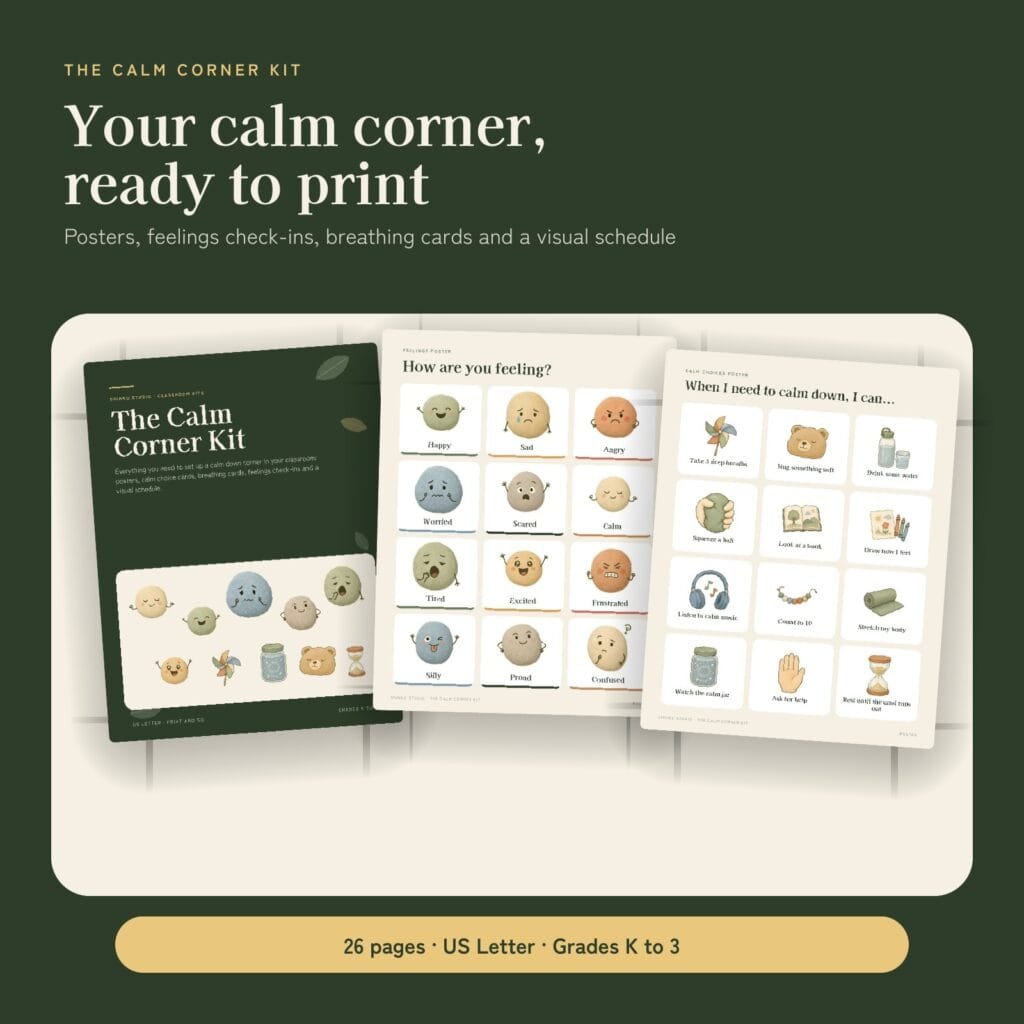
SaveMany teachers put their calm corner next to the library because both need a quiet spot. The Calm Corner Kit adds a calm corner sign, feelings chart and breathing posters in soft natural colors that match a cozy reading nook. See the Calm Corner Kit.
Book checkout that does not need you
- Book boxes: each child keeps 3 to 6 books in their own box or magazine file and swaps on a set day.
- Name sticks: a child leaves a craft stick with their name in the bin they borrowed from.
- Shopping day: one table group “shops” the library each day of the week, which avoids a crowd.
- Class librarian job: two children sort the return basket every afternoon.
Reading nook favorites

Classroom library organization FAQ
What is the best way to organize a classroom library?
By topic or genre in labeled bins with pictures, with books color coded to match their bin. Keep any leveled books in a separate, smaller set for guided reading.
Should a classroom library be leveled?
Most of it does not need to be. Children choose books by interest, so a topic library gets used more. A small leveled section alongside it covers guided reading and independent practice.
How many books should be in each bin?
Around 15 to 25. Fewer looks sparse, and more makes it hard to flip through without books falling out.
How do I stop children messing up the library?
Give them a return basket instead of asking them to reshelve, put color dots on every book, and make sorting the basket a class job at the end of the day.
If you only do one thing this week, add pictures to your bin labels and a return basket. Those two changes do more for a tidy library than any amount of reorganizing.