
Some links in this post are affiliate links. If you buy through one, I may earn a small commission at no extra cost to you. As an Amazon Associate I earn from qualifying purchases.
The short answer: the best classroom rules are few, short and positive. Pick three to five rules that tell children what to do (not what not to do), write them with your class, show them with pictures, and practice each one in the first week. Then refer back to them every day, and reset them after every long break.
Below are 25 classroom rules ideas, from simple rule wording and rules chart ideas to posters, class agreements and easy ways to teach them, each with a short “get the look” note. They work for kindergarten through grade 5, and they are just as useful in January as in August, when the class comes back from winter break and needs a fresh start.
A few supplies make rules easy to show and use (we earn a small commission if you buy, at no cost to you):
- A thermal laminator: rules posters and cards last the whole year, even with sticky fingers.
- A clear pocket chart: rules, routines and picture cards you can swap in seconds.
- Adhesive Velcro dots: rule cards that move to the rug, the door or a table.
- Sentence strips: write the rules you agree on together, big enough to read from the back.
- Mini whiteboards: quick “what would you do?” practice for every child at once.
 Save
Free printable
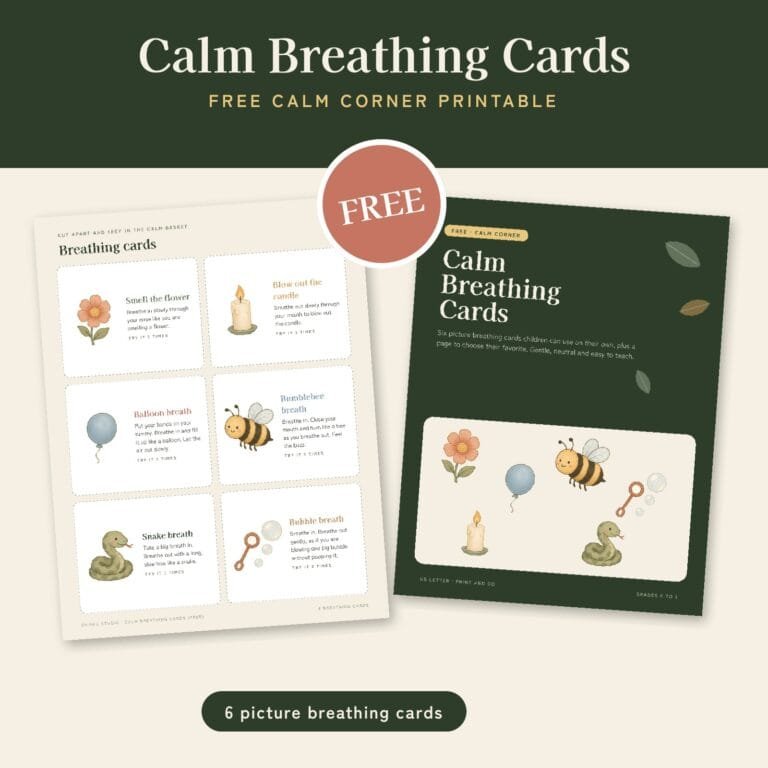
Free Calm Breathing Cards
6 picture breathing cards (smell the flower, bumblebee breath, snake breath and more) for your calm corner. Teach one a day.
Free download. You will also get a couple of follow-up emails with classroom ideas. Unsubscribe anytime.
What makes a good classroom rule?
A good rule is short, positive and easy to picture. “Walk in the classroom” beats “No running” because it tells children exactly what to do. Keep to three to five rules, use the same words every time you mention them, and pair each rule with a simple picture so pre-readers can follow along.
Simple classroom rules that work
1. Keep it to five rules or fewer
 Save
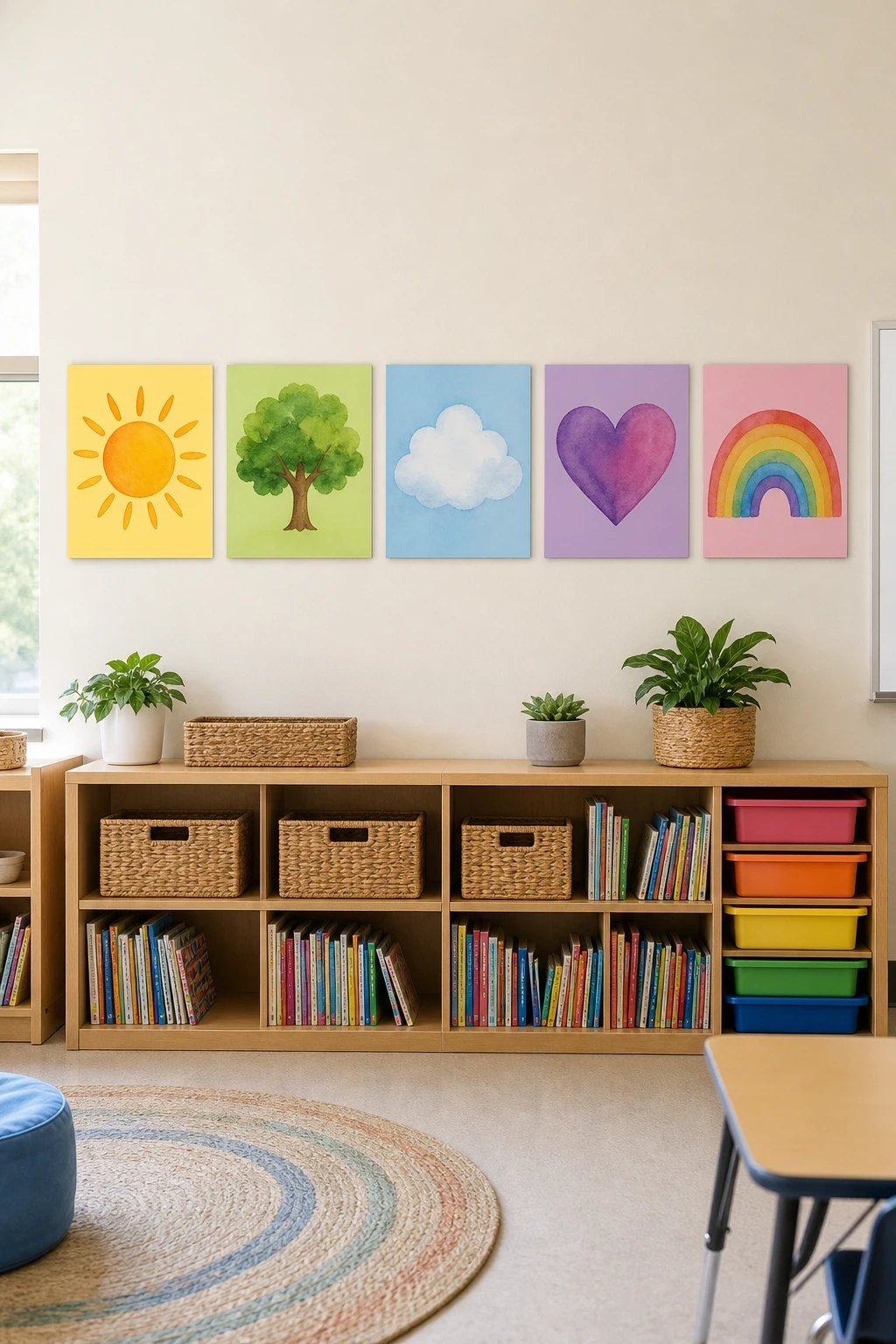
Children can remember three to five rules. More than that and the list becomes wallpaper. If something else comes up, it is usually a procedure, not a new rule.
Get the look: five big rule cards on one wall.
2. Write rules as “do” statements
 Save
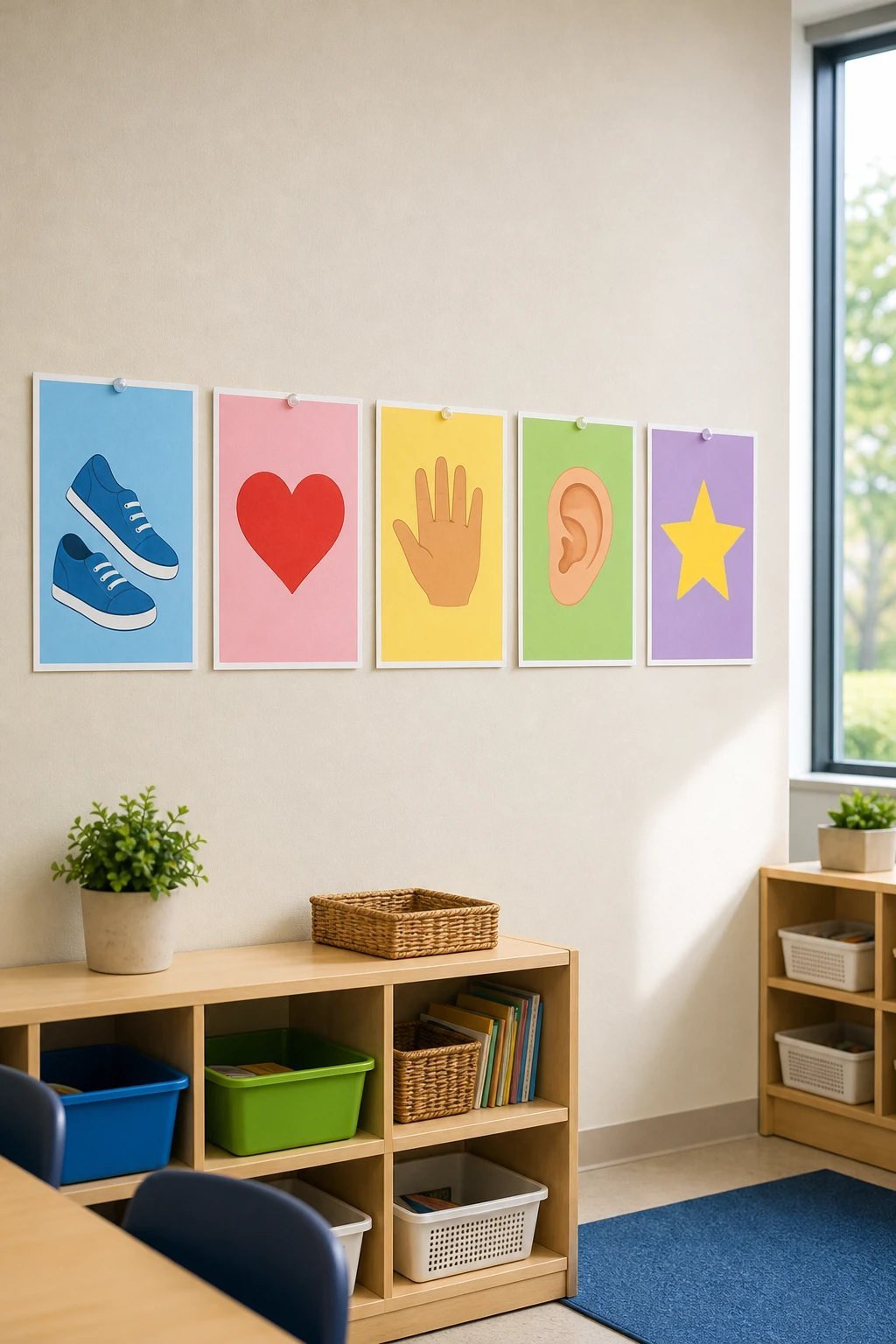
Say what you want to see: walk inside, use kind words, keep hands to yourself, listen when others talk, try your best. Positive rules are easier to praise, because you can catch children following them.
Get the look: bright cards with a simple picture for each rule.
3. Make the rules together
 Save
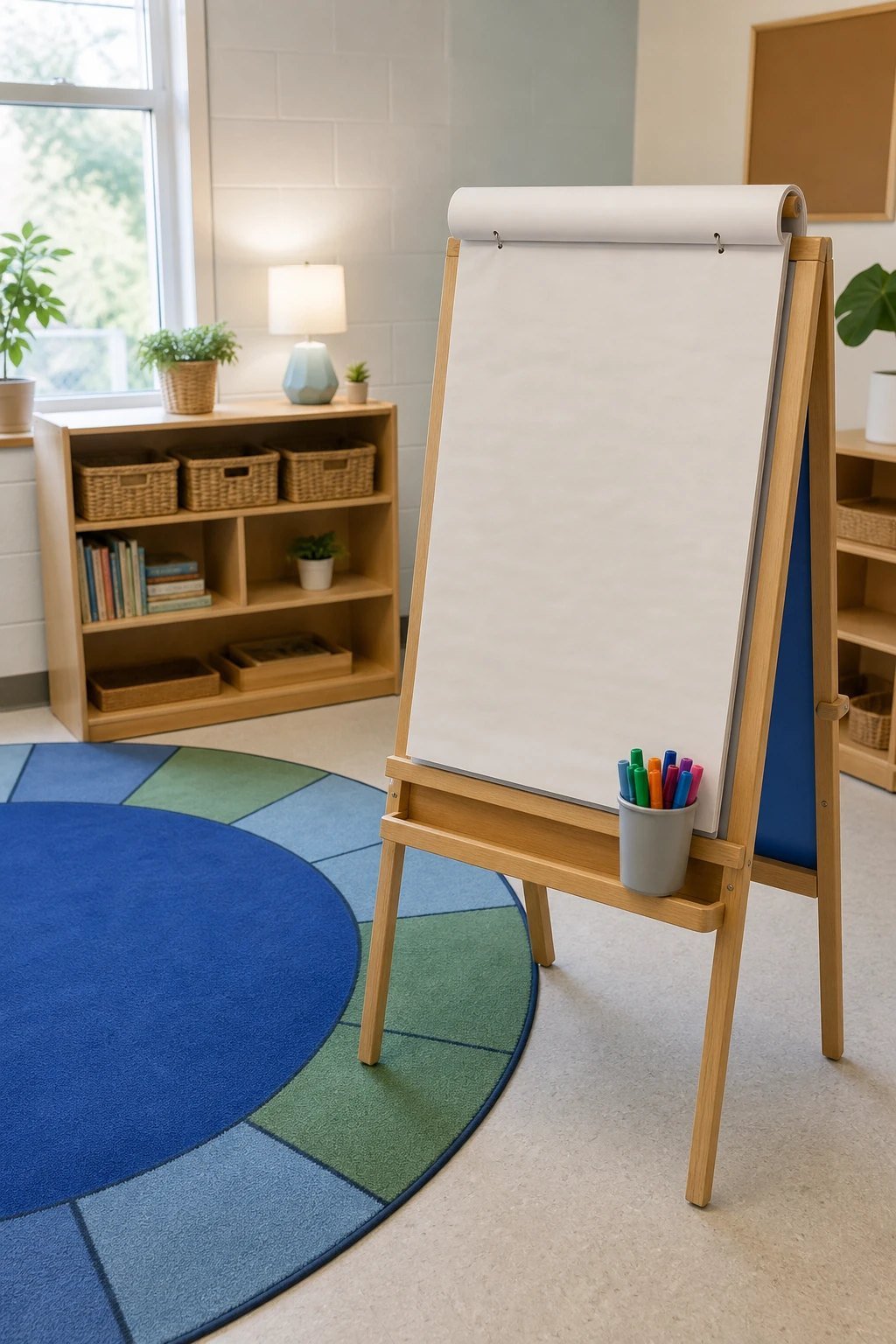
On the first day, ask the class what makes a good learning space, then group their ideas into a few rules. Children follow rules they helped write, and they will remind each other.
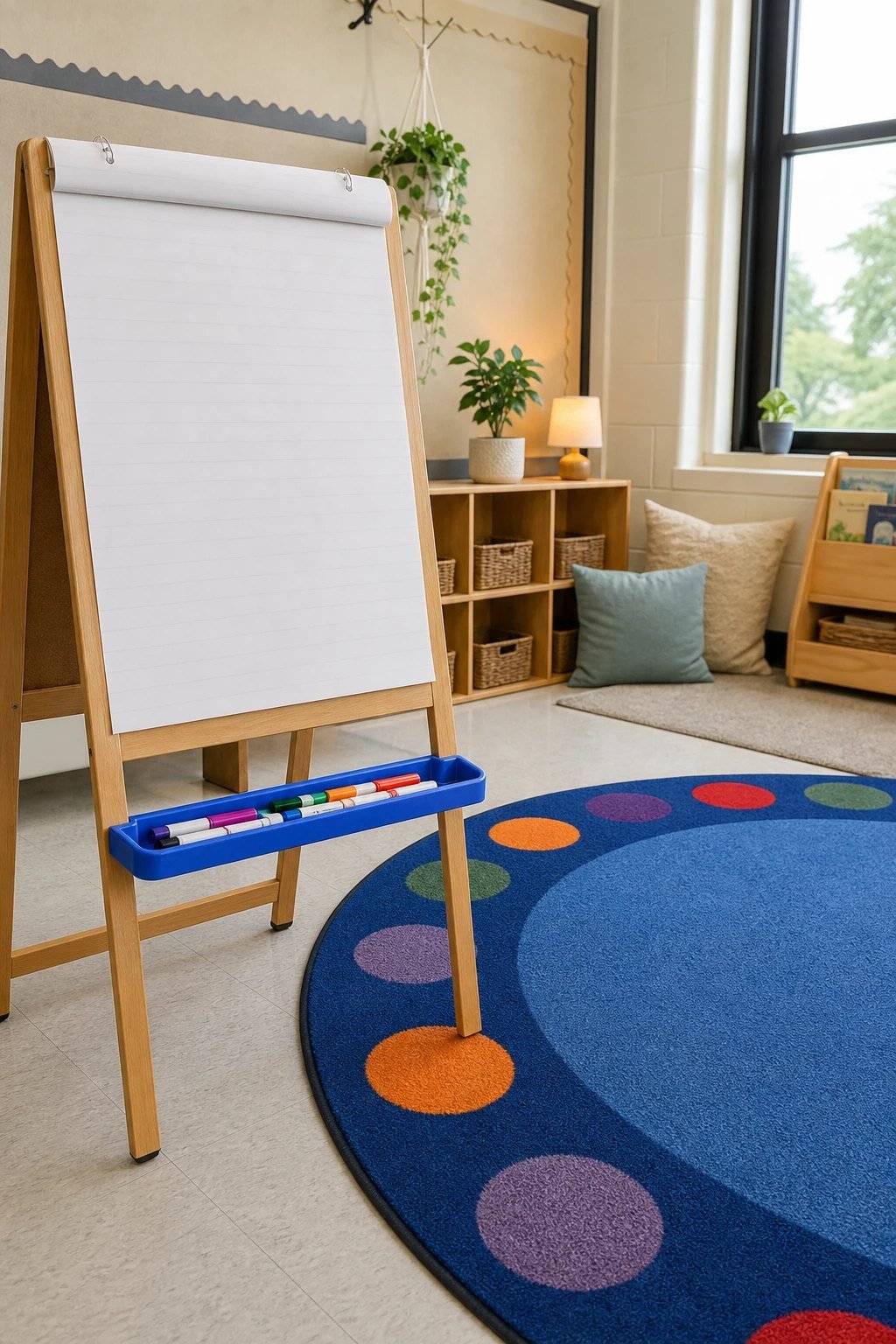
Get the look: a large sheet of chart paper on an easel.
4. Picture rules for little learners
 Save
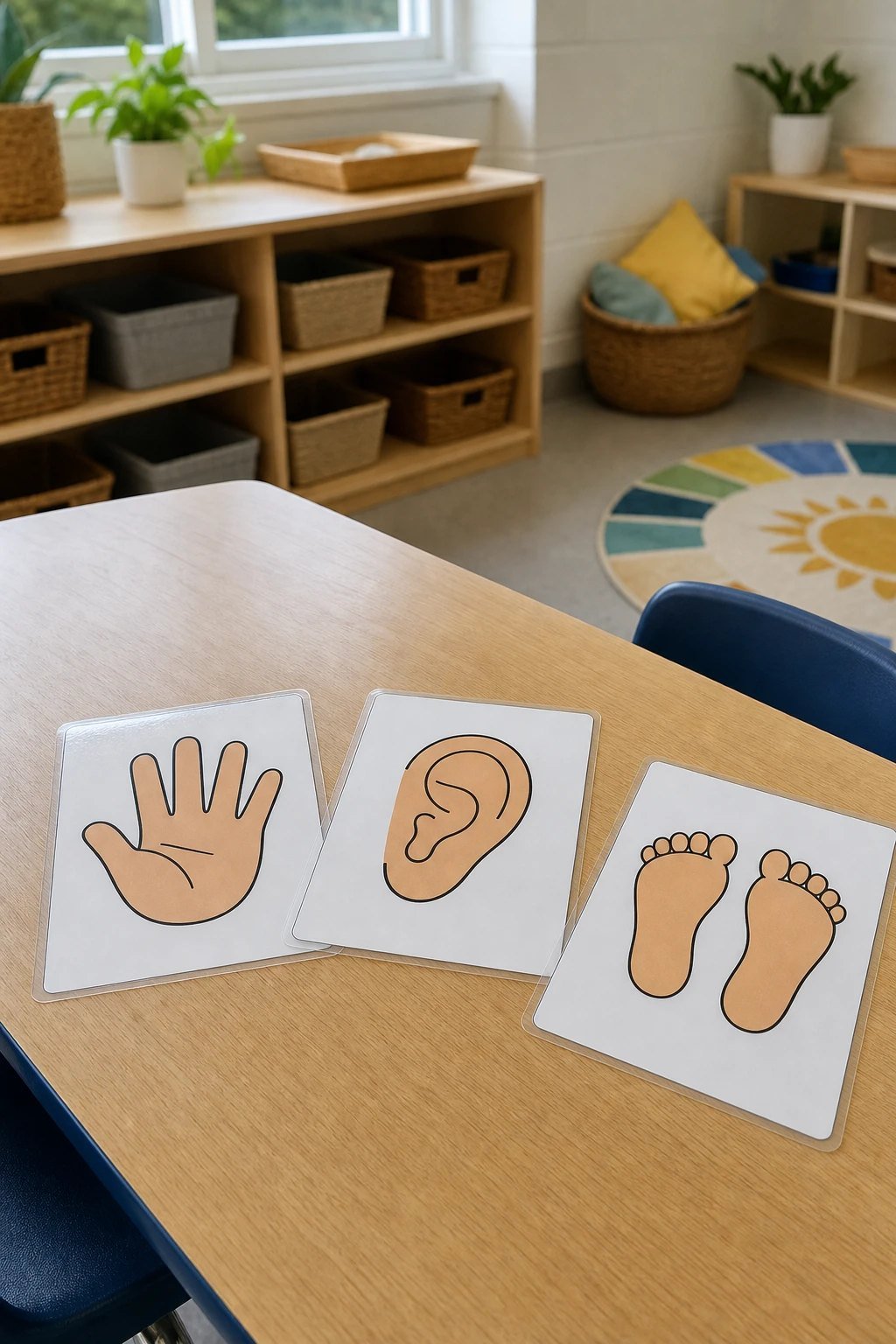
For kindergarten and grade 1, every rule needs a picture. A photo or a simple drawing of what the rule looks like helps pre-readers follow it on their own.
Get the look: simple icon cards, laminated so they last.
5. Hand signals for everyday needs
 Save
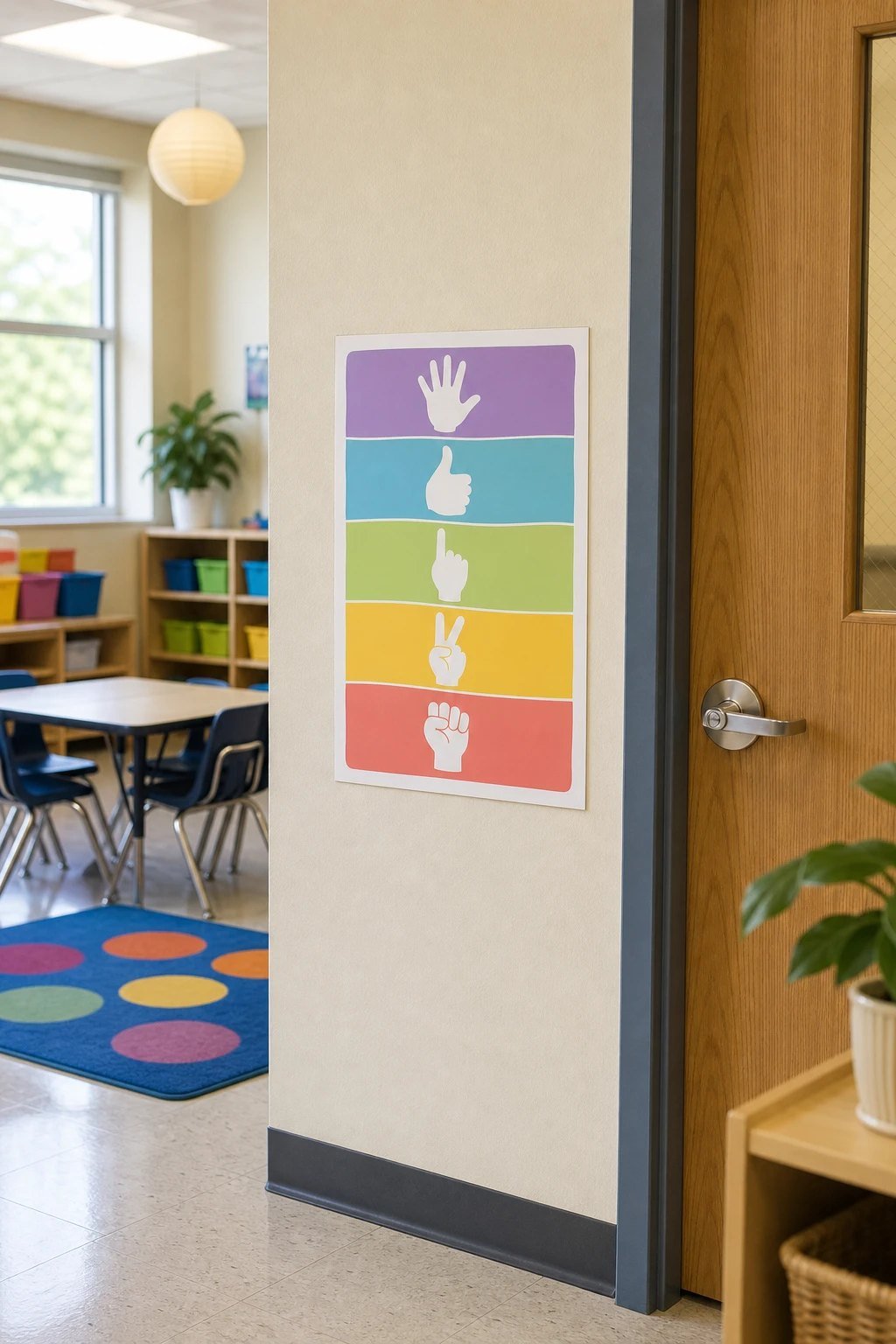
Give children quiet signals for the things they ask most, like a raised hand to speak, crossed fingers for the bathroom and a fist for a drink. Fewer interruptions, and the rule to raise your hand is easier to keep.
Get the look: a small signals poster by the door.
Classroom rules chart ideas
6. A pocket chart rules display
 Save
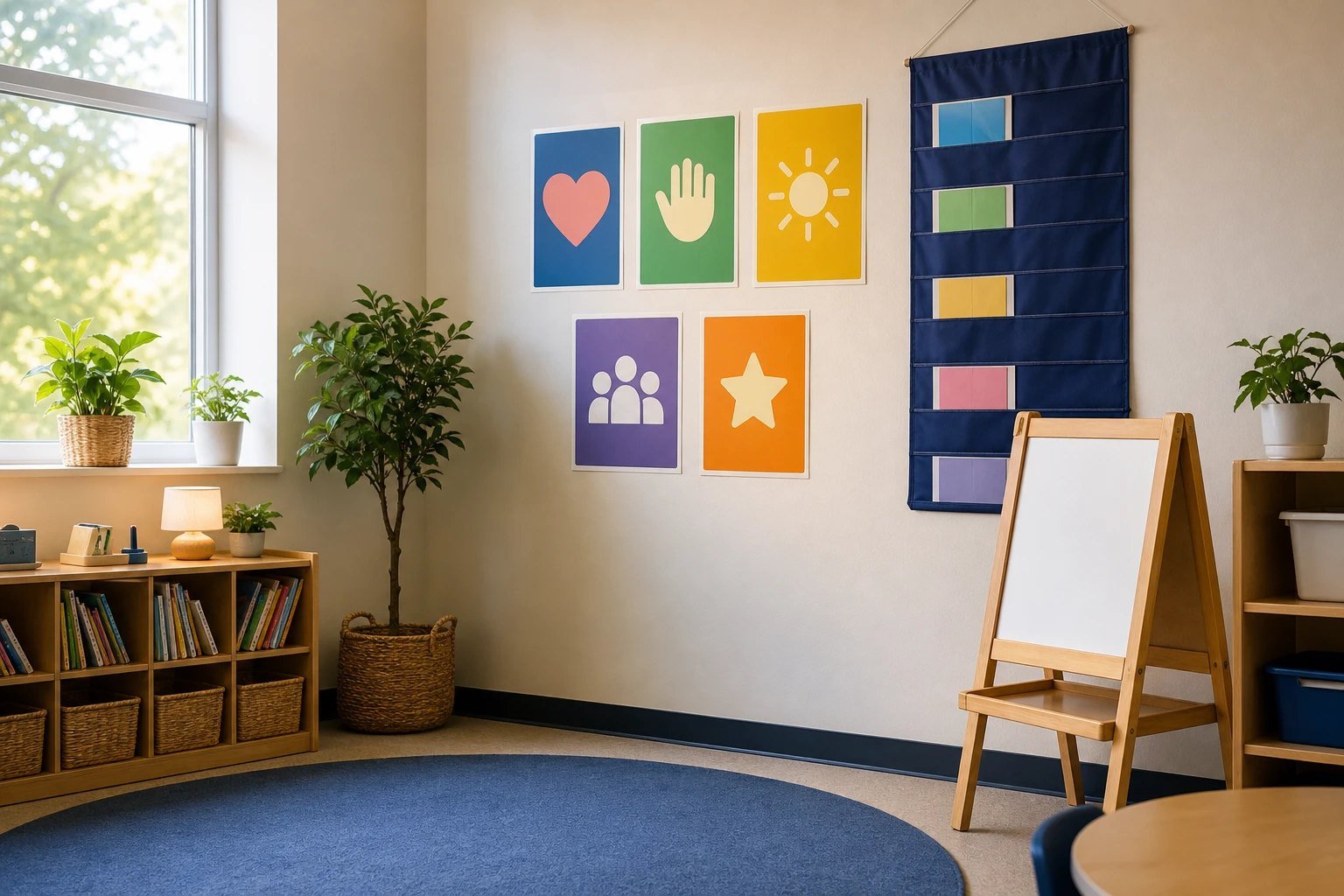
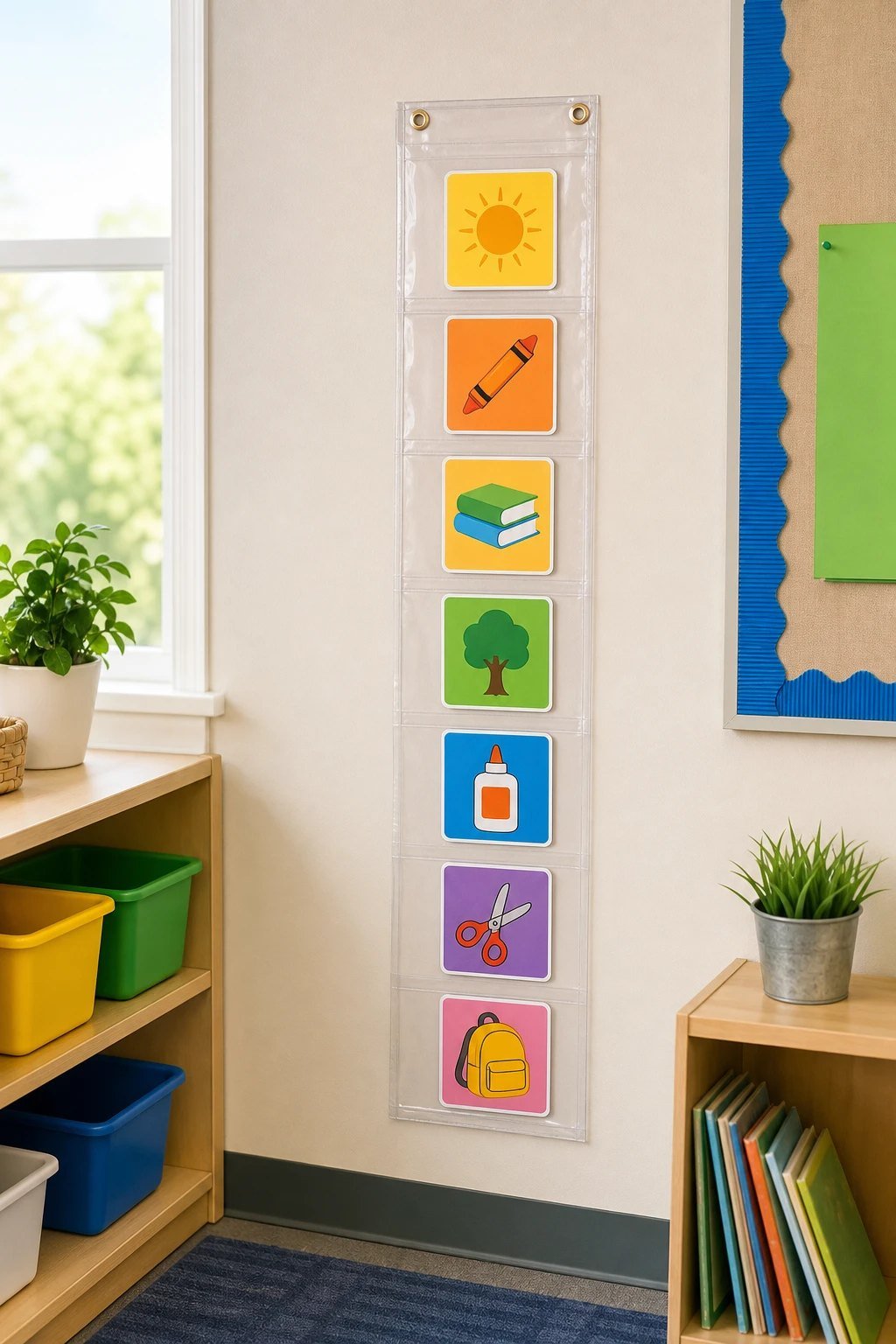
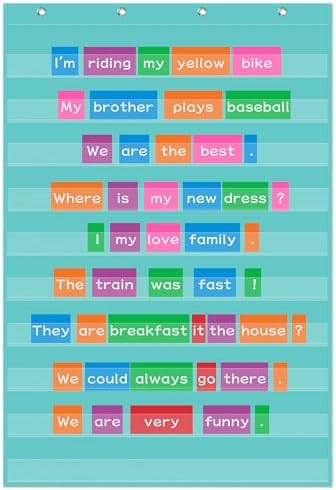
A pocket chart lets you swap rule cards, add a picture or move a rule to the front when the class is working on it. It is the easiest rules chart to keep up all year.
Get the look: a clear pocket chart with picture cards.
7. Laminated rules poster
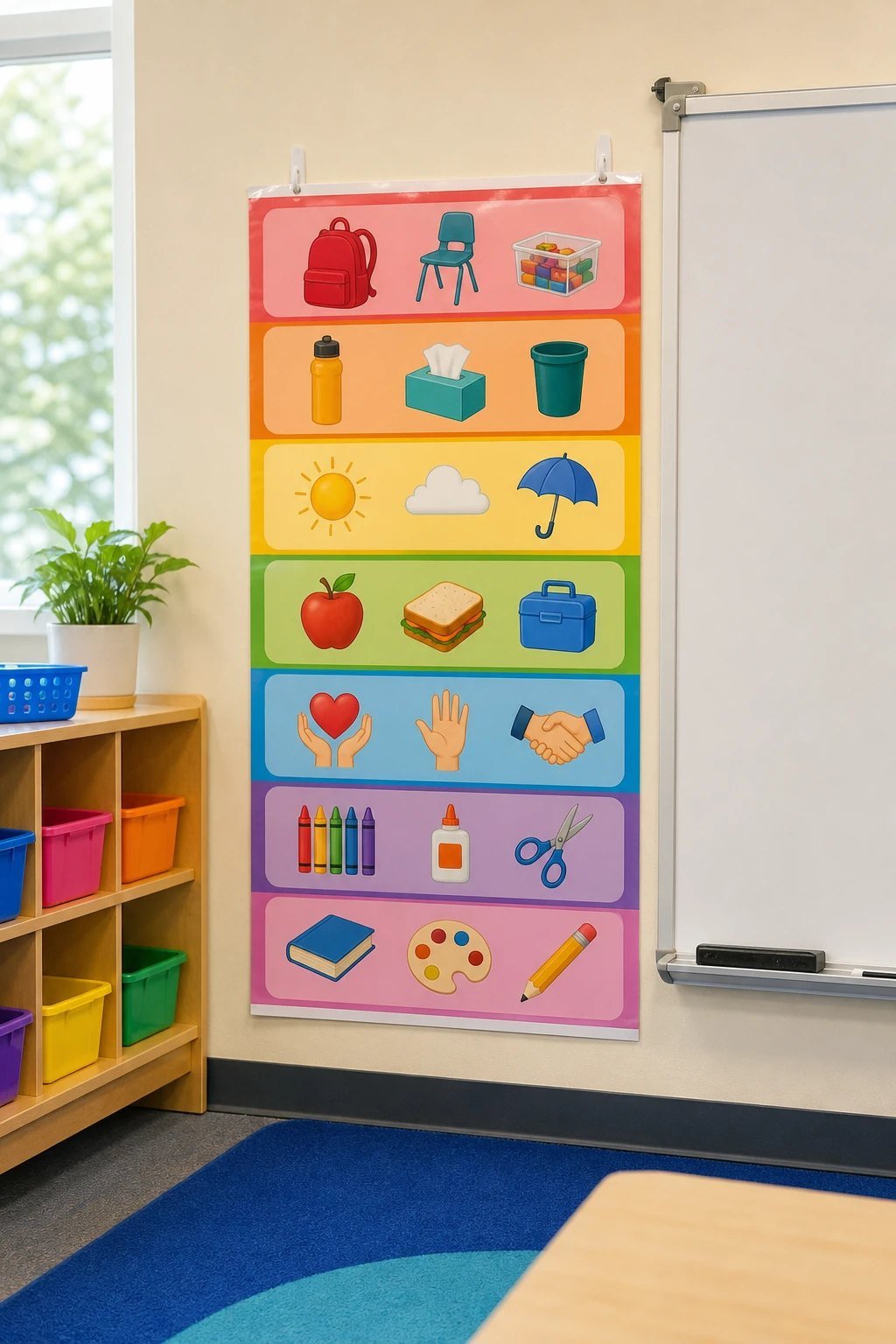 Save
Make one big rules poster for the front of the room and laminate it. It survives the whole year, and you can point to it during lessons without hunting for it.
Get the look: an easy thermal laminator.
8. Sentence strip rules
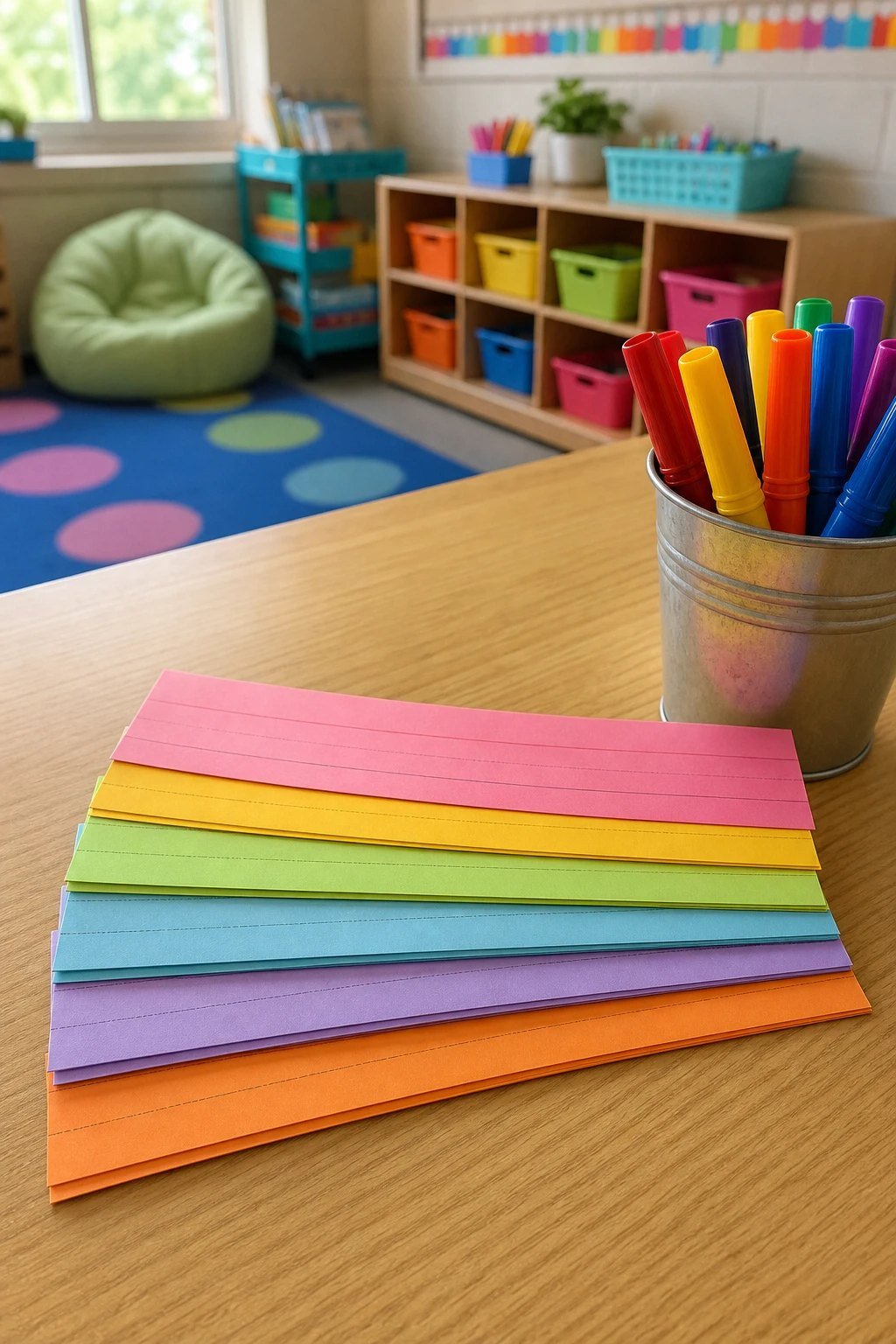 Save
Write the rules you agreed on together on sentence strips in big, clear letters. Children can read them from their seats, and the class version feels like theirs.
Get the look: colored sentence strips and a thick marker.
9. Rule cards that move
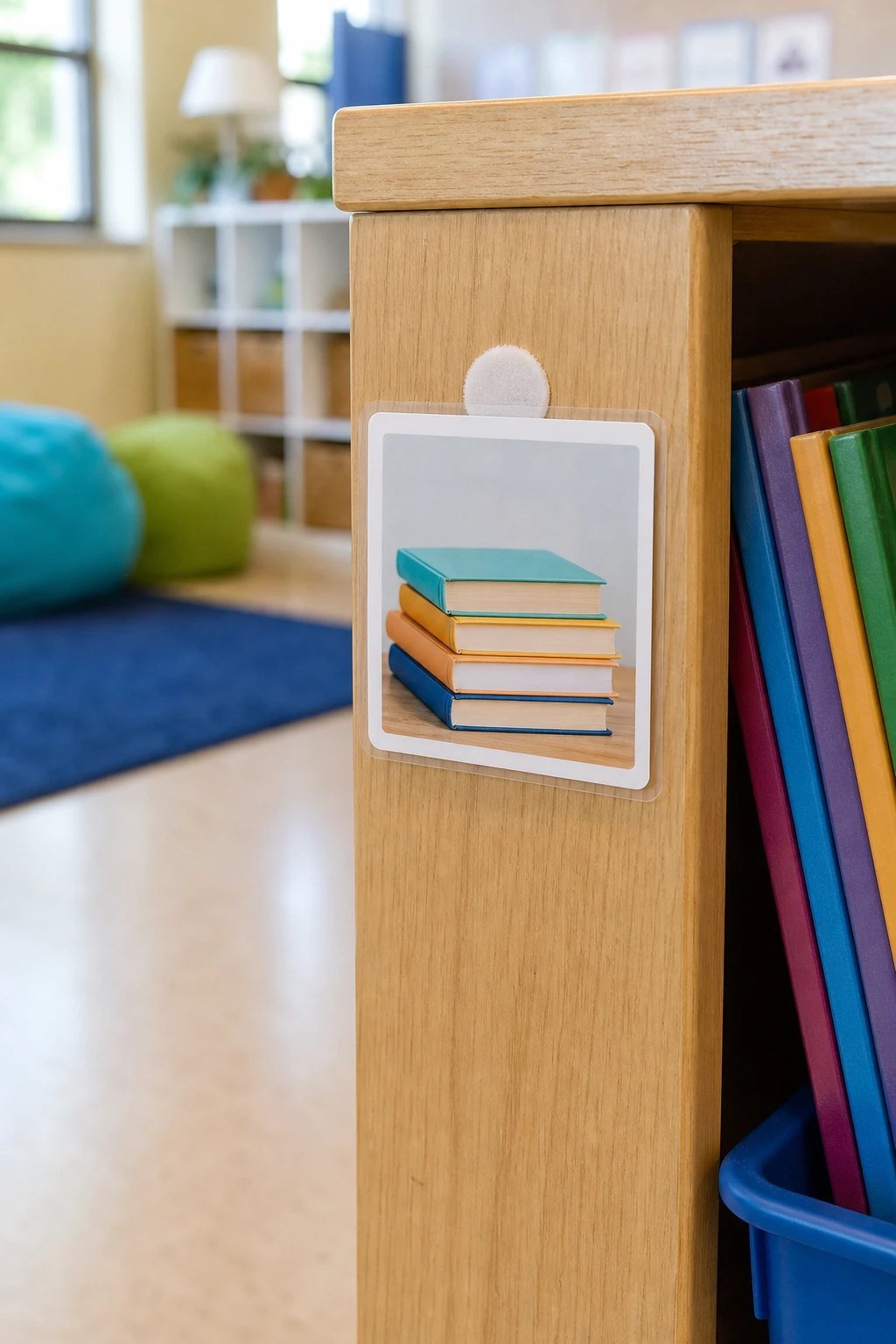 Save
Stick each rule card on with Velcro so it can move to where it matters: walk inside goes by the door, listen goes on the rug, kind words goes to the table groups.
Get the look: adhesive Velcro dots on the back of each card.
10. Rules and voice levels together
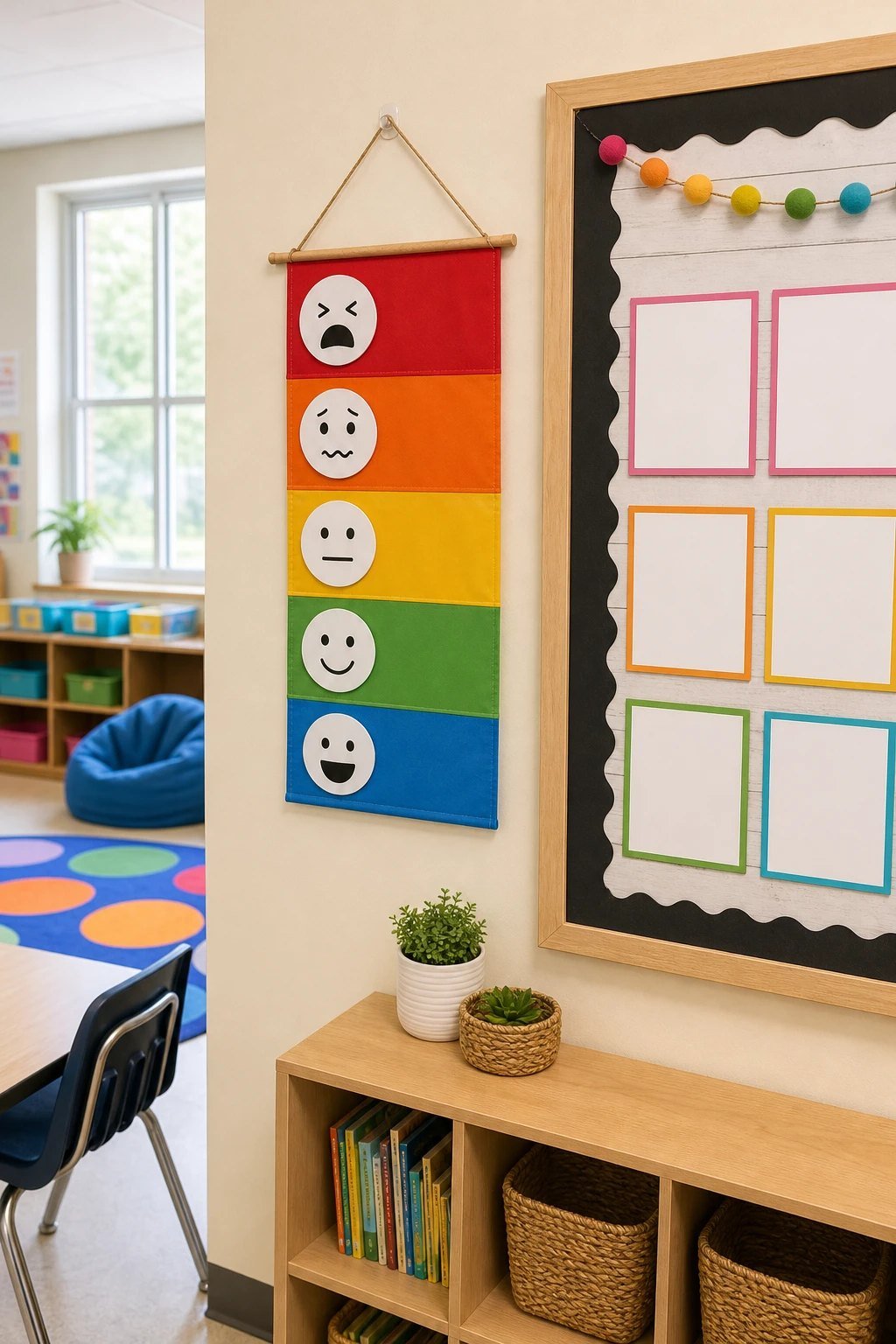 Save
Most rules problems are noise problems. Put a voice level chart right next to the rules so you can point to both at once: “Rule two, and we are on voice level one.”
Get the look: a simple 0 to 4 voice level chart beside the rules.
Want rules, voice levels and rewards that all match? Our Classroom Management Bundle includes a voice level chart, a Belt Up behavior chart system and a feelings check-in chart, all with one friendly class mascot.
Classroom rules posters and displays
11. A class promise everyone signs
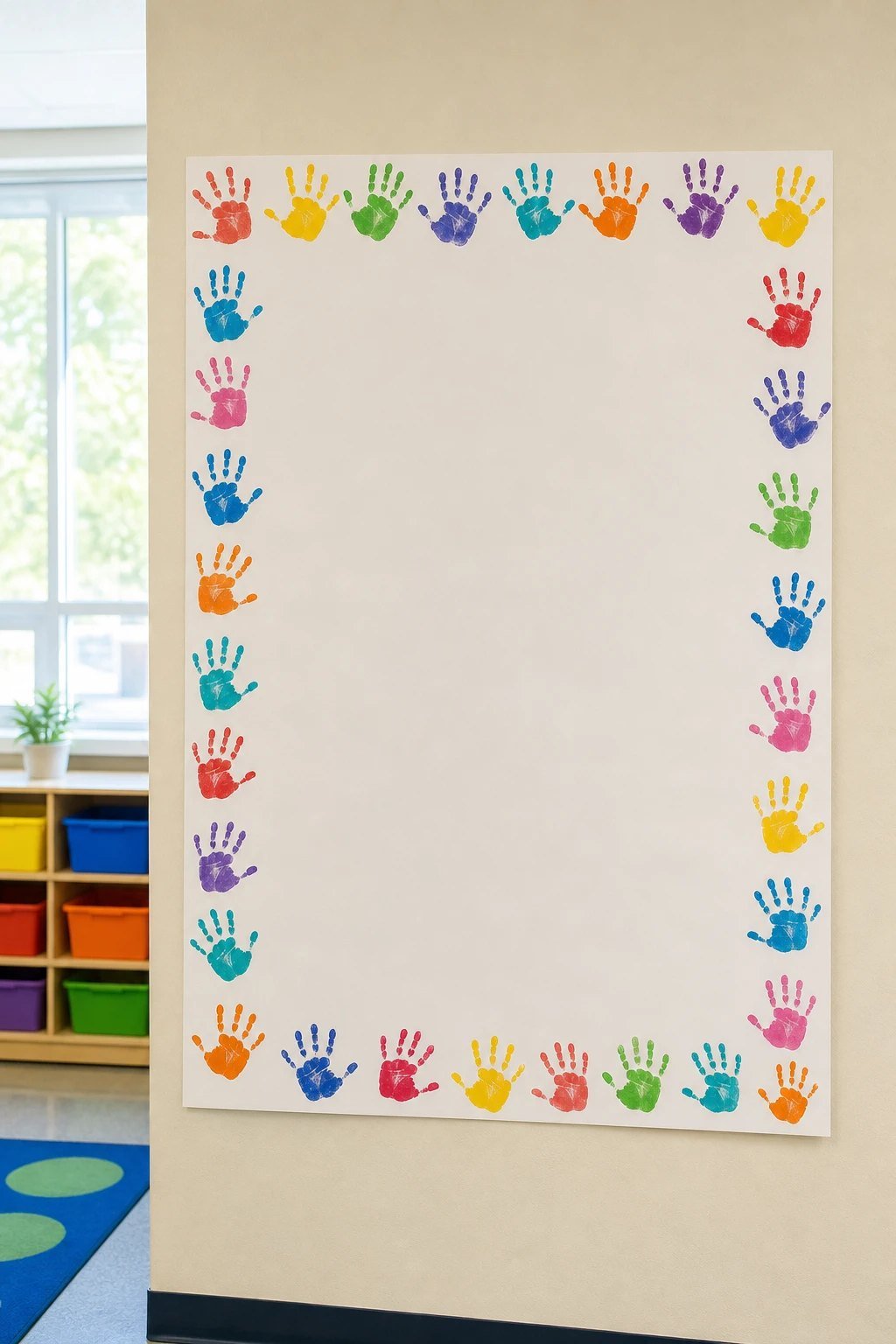 Save
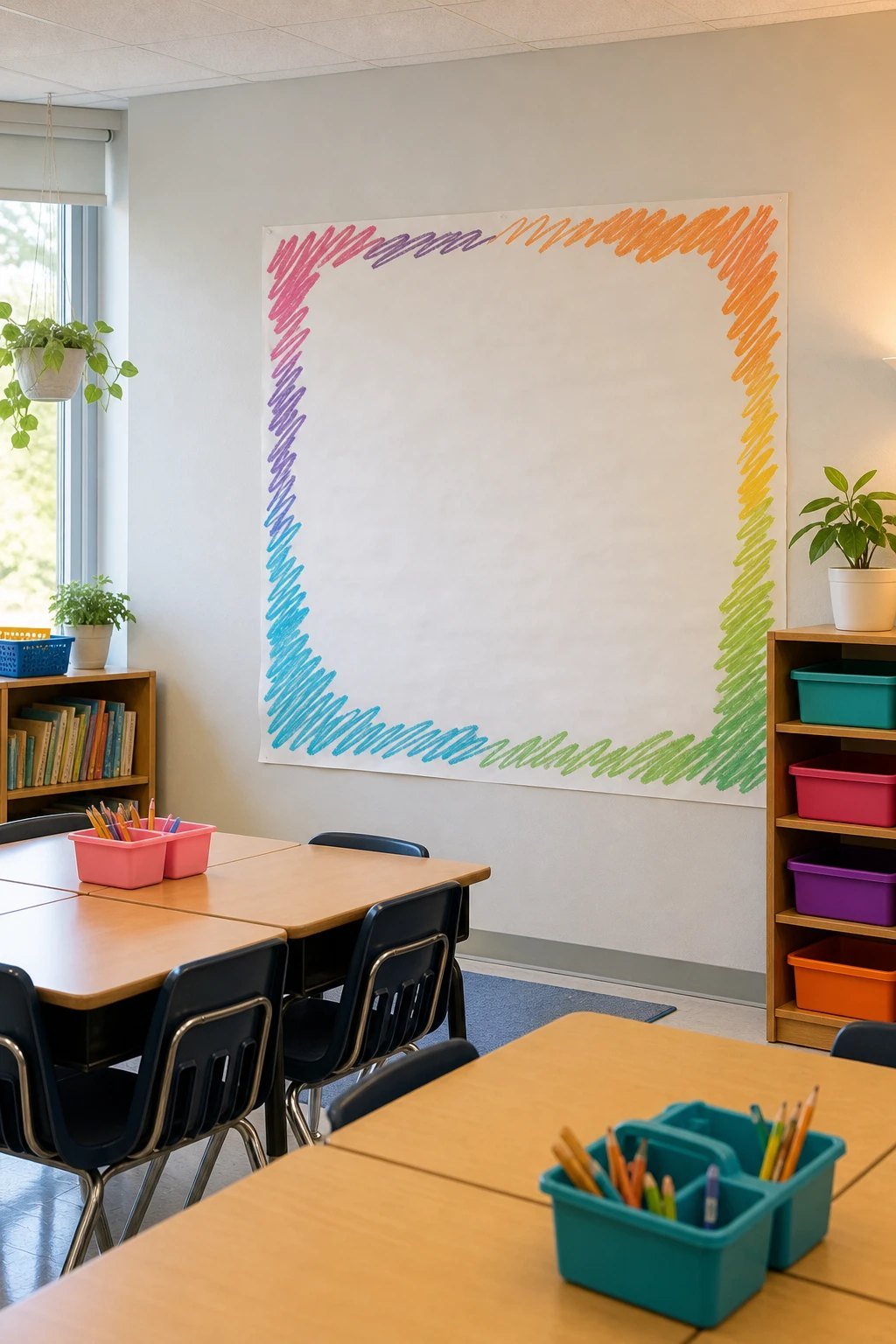
Turn the rules into a class promise and let every child add their signature or handprint around the edge. Hang it at their eye level, not up high.
Get the look: a large poster paper with a decorated border.
12. A rules door display
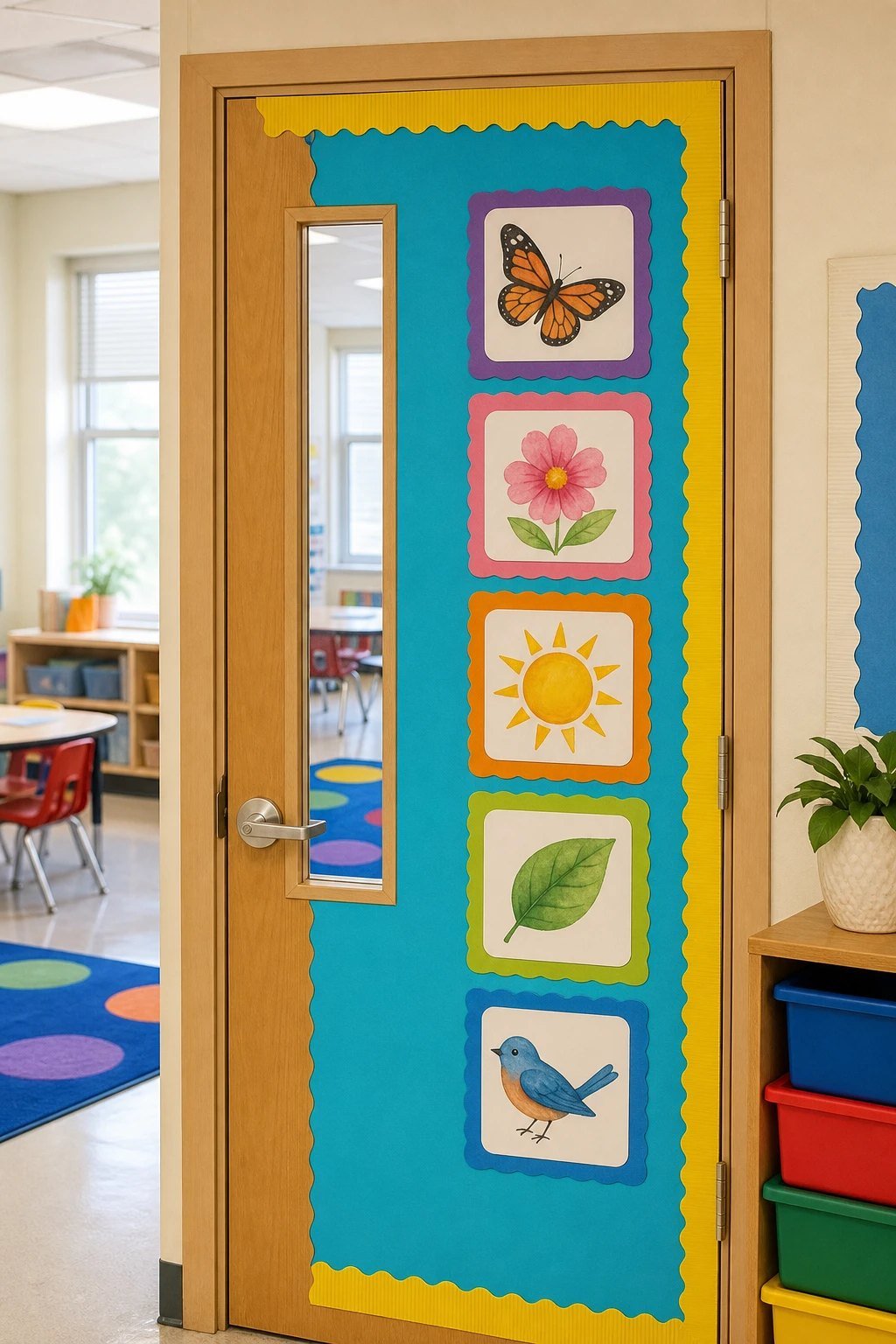 Save
Put a short version of the rules on the door so children see them every time they come in. It doubles as a welcome display for visitors and families.
Get the look: a bright door cover with picture cards.
13. A rules bulletin board
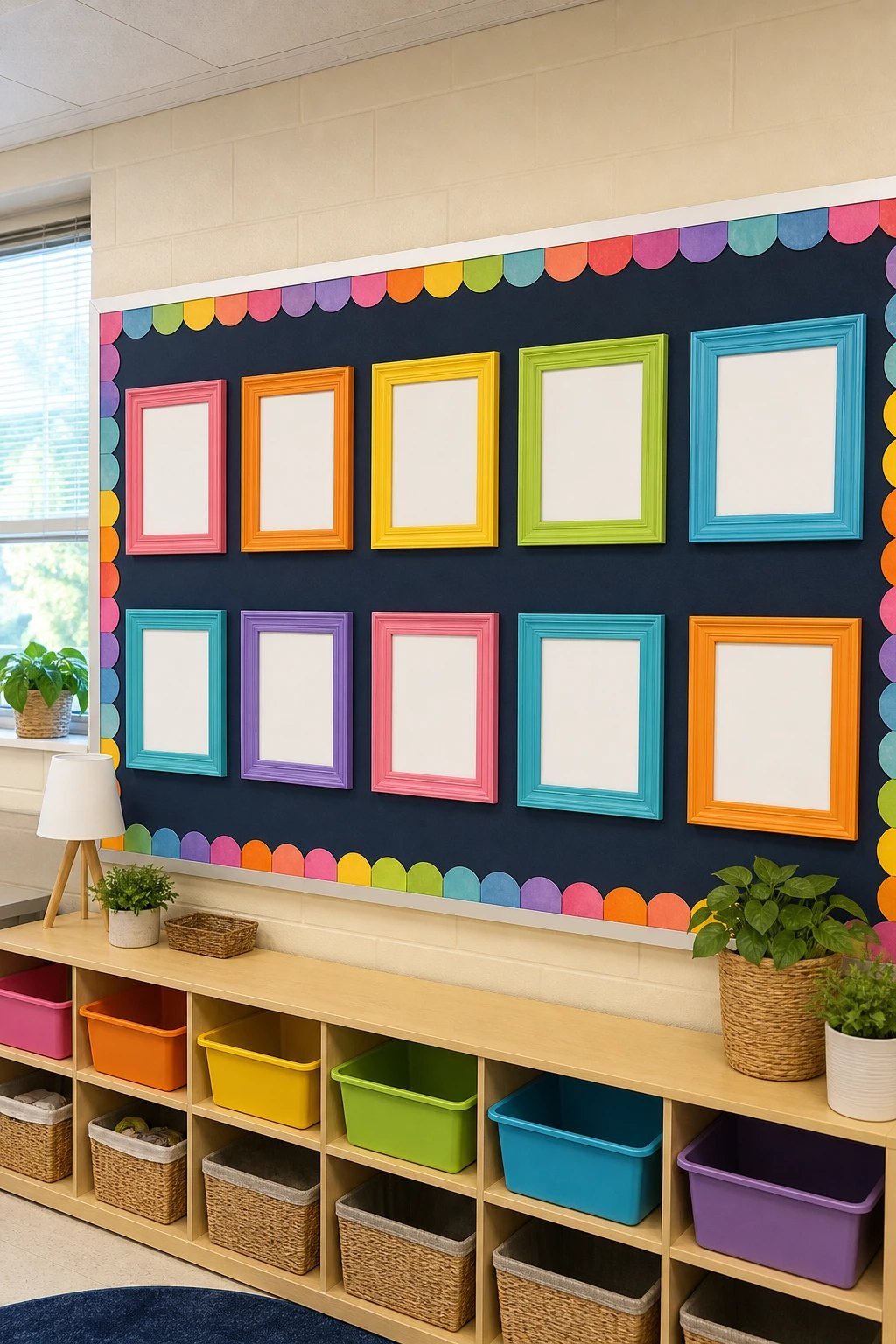 Save
Give the rules a whole board with photos of the class following each one. Children love seeing themselves on the wall, and the photos show exactly what the rule looks like.
Get the look: a bulletin board with a bright border and photo frames.
14. Rules for the rug
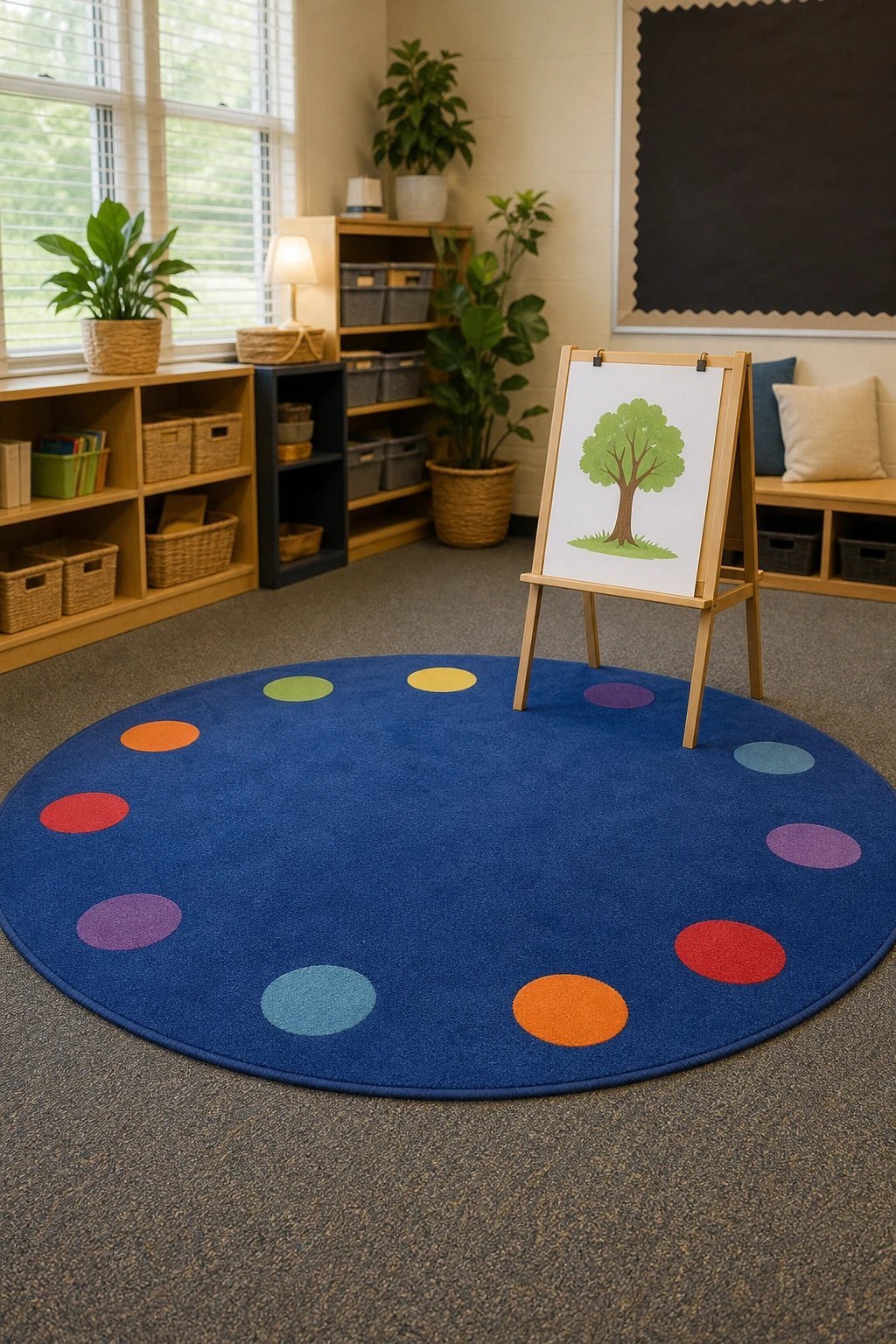 Save
The meeting rug needs its own short rules: sit on your spot, eyes on the speaker, hands in your lap. Put a small sign right at the rug, not across the room.
Get the look: a small sign on the easel by the rug.
15. Rules for centers and stations
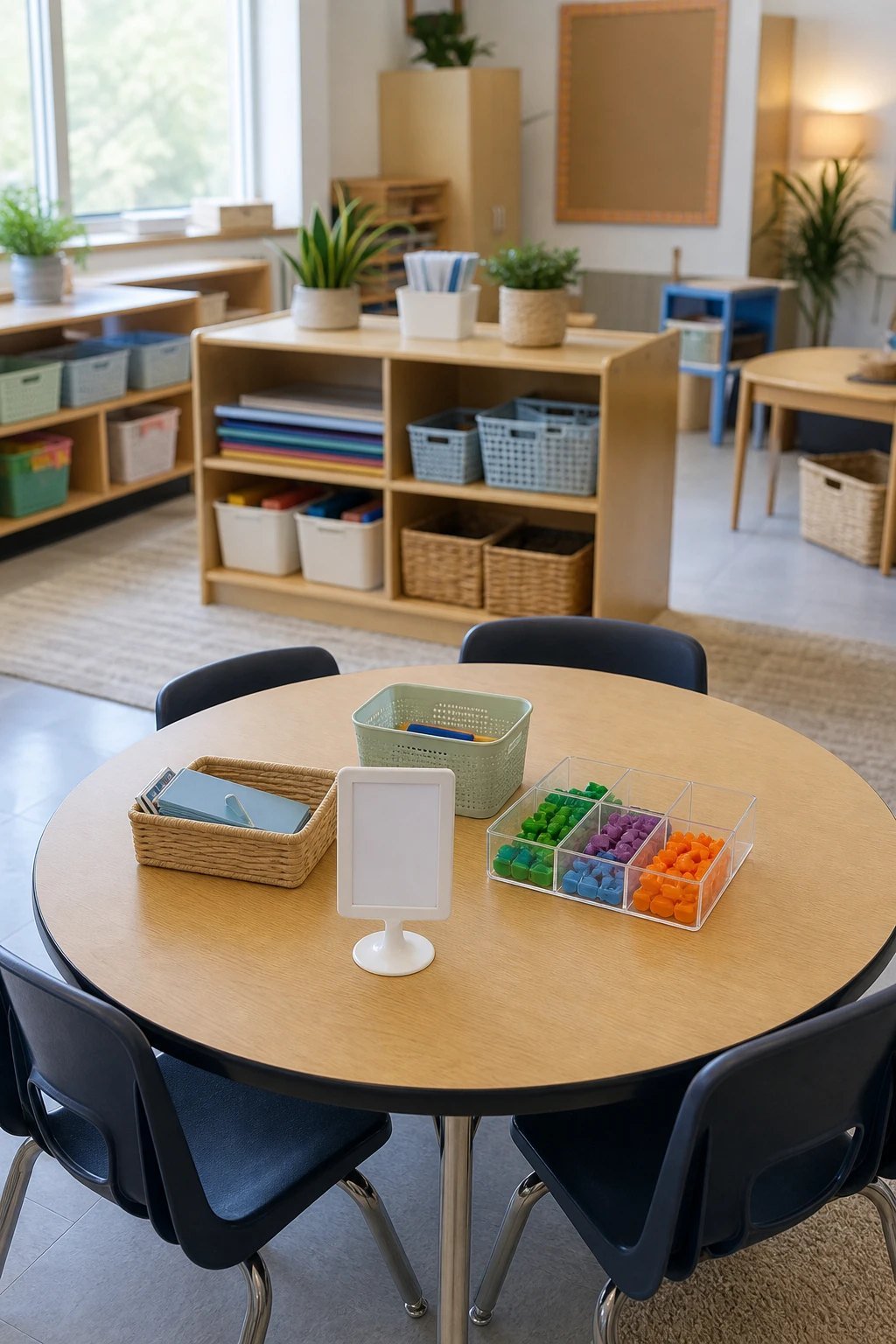 Save
Each center gets two or three rules on a small card: how many people, what to do when you are done, and how to clean up. Children can check the card instead of asking you.
Get the look: small laminated cards on each center table.
16. Hallway and bathroom routines
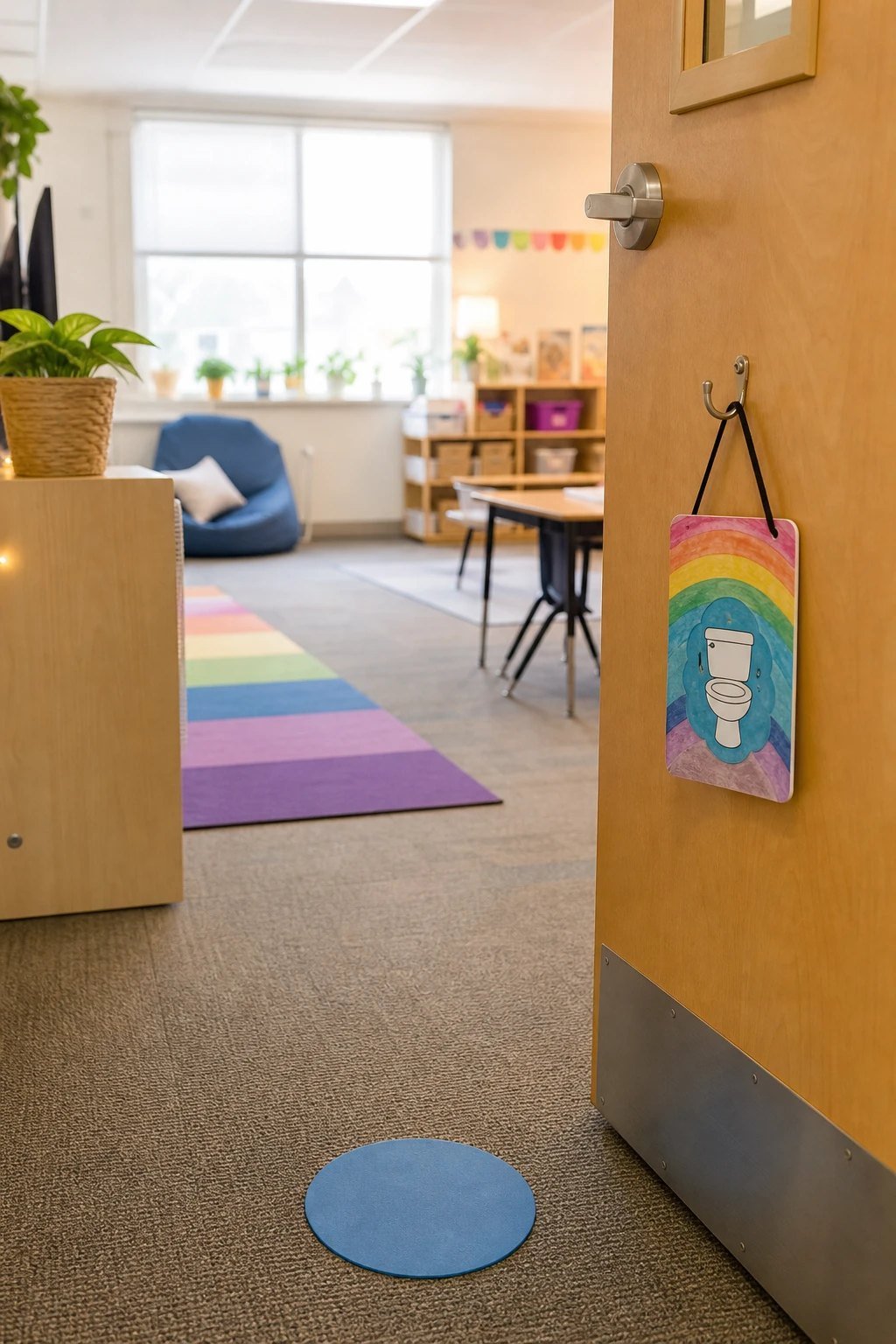 Save
Write simple routines for leaving the room, lining up and the bathroom pass. Practice them like a game: line up in silence, walk to the door, and back again.
Get the look: a bathroom pass hook by the door.
Teaching and practicing classroom rules
17. Teach one rule a day
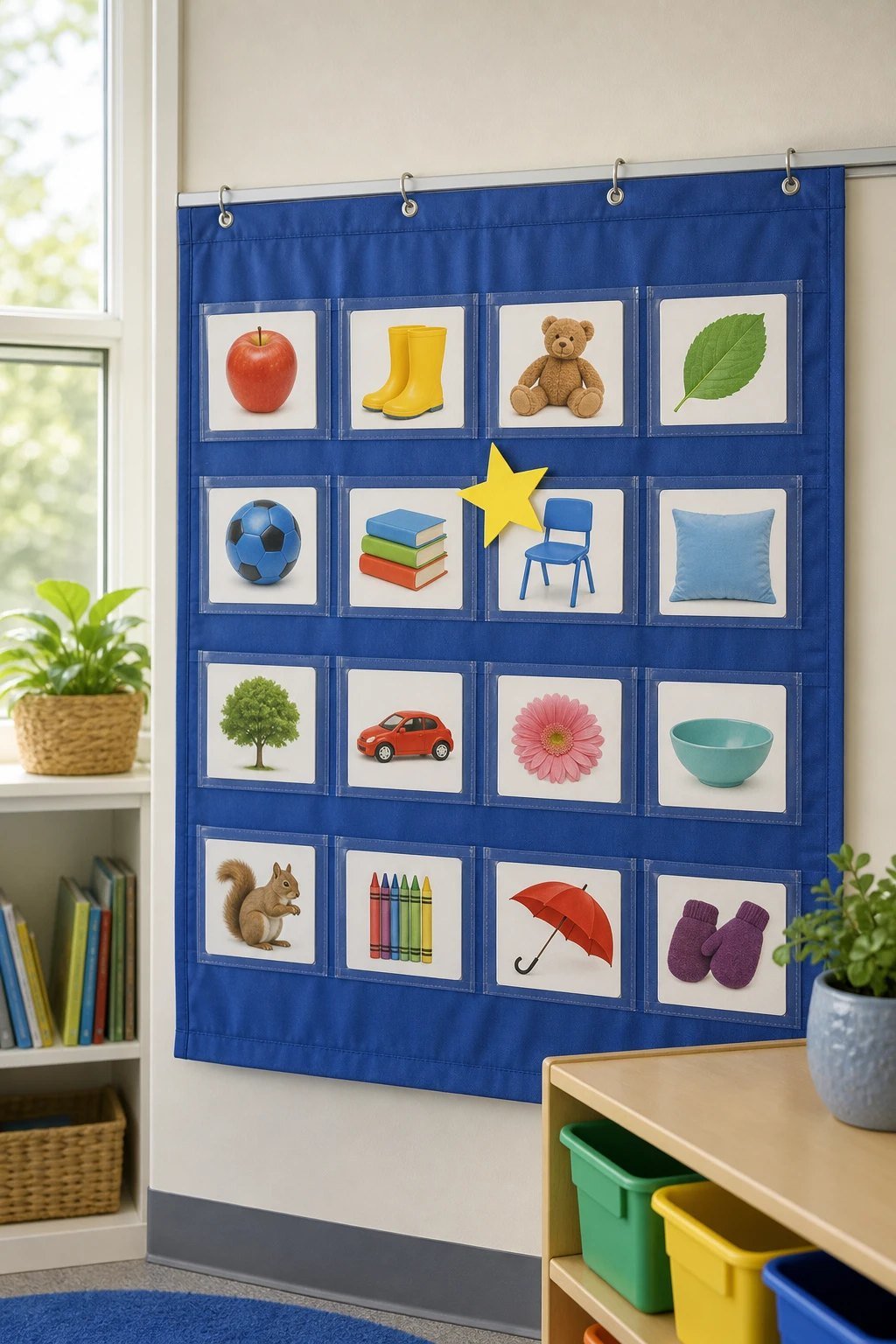 Save
In the first week, teach one rule each day. Talk about why it matters, model it, let children practice it and praise it the rest of the day. By Friday, they know them all.
Get the look: highlight the rule of the day with a star on the chart.
18. Model the right way and the silly way
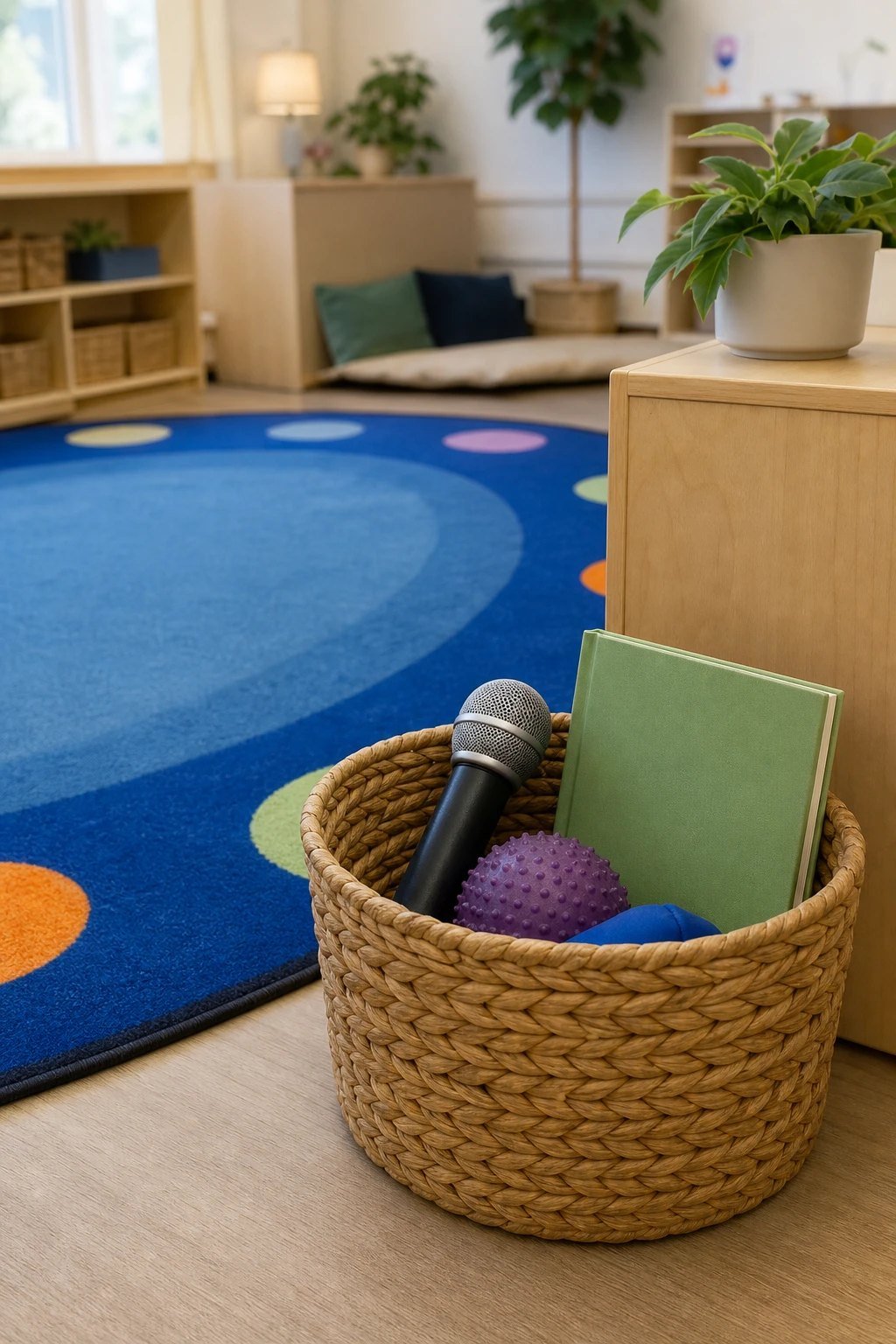 Save
Act out the wrong way to follow a rule, then let children show the right way. They laugh, they remember, and they get to be the experts.
Get the look: a few simple props in a basket by the rug.
19. “What would you do?” whiteboards
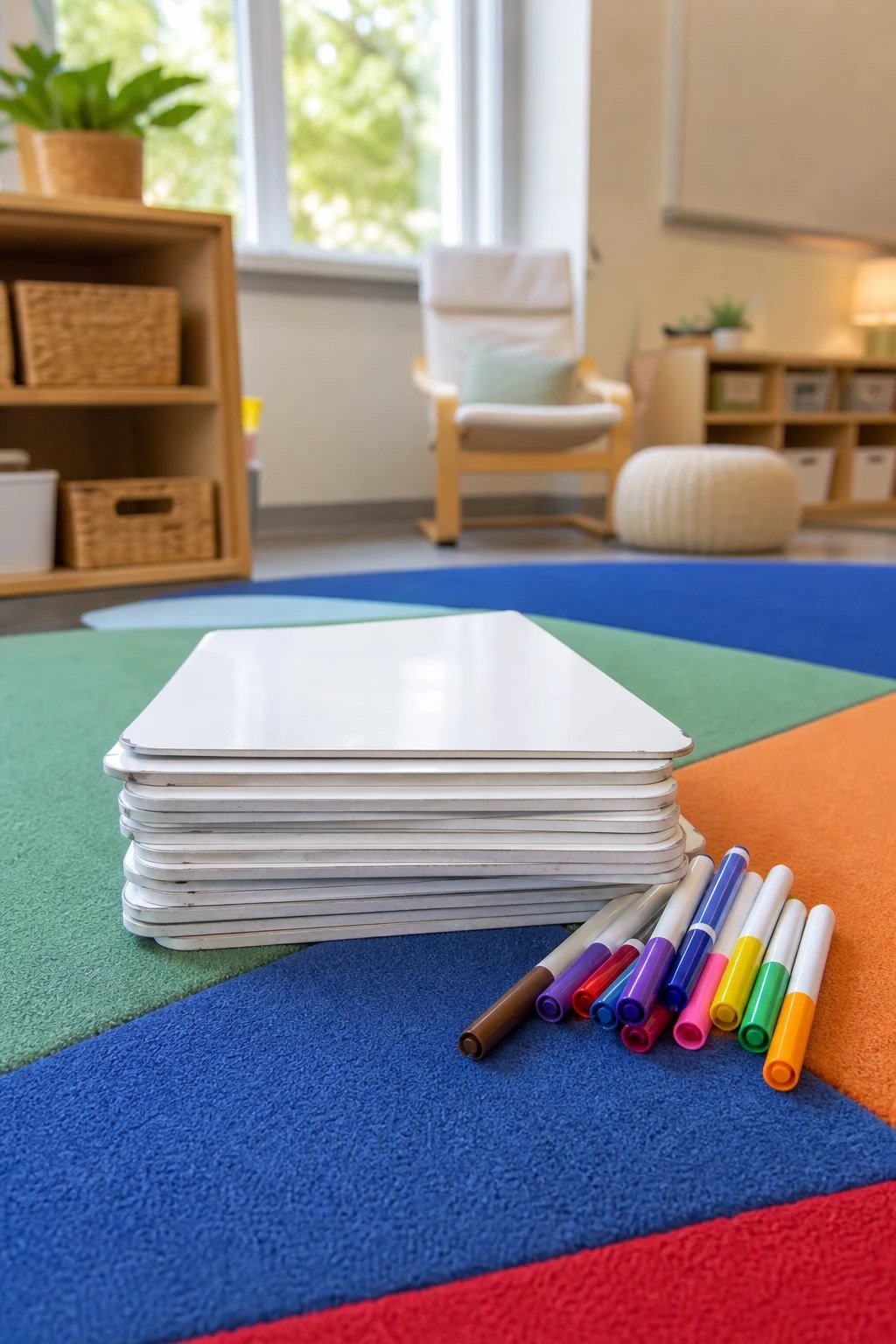 Save
Read a short scenario, like a friend takes your pencil, and have everyone write or draw what they would do on a whiteboard. Every child answers, and you see who needs more practice.
Get the look: mini magnetic whiteboards for the whole class.
20. Catch children following the rules
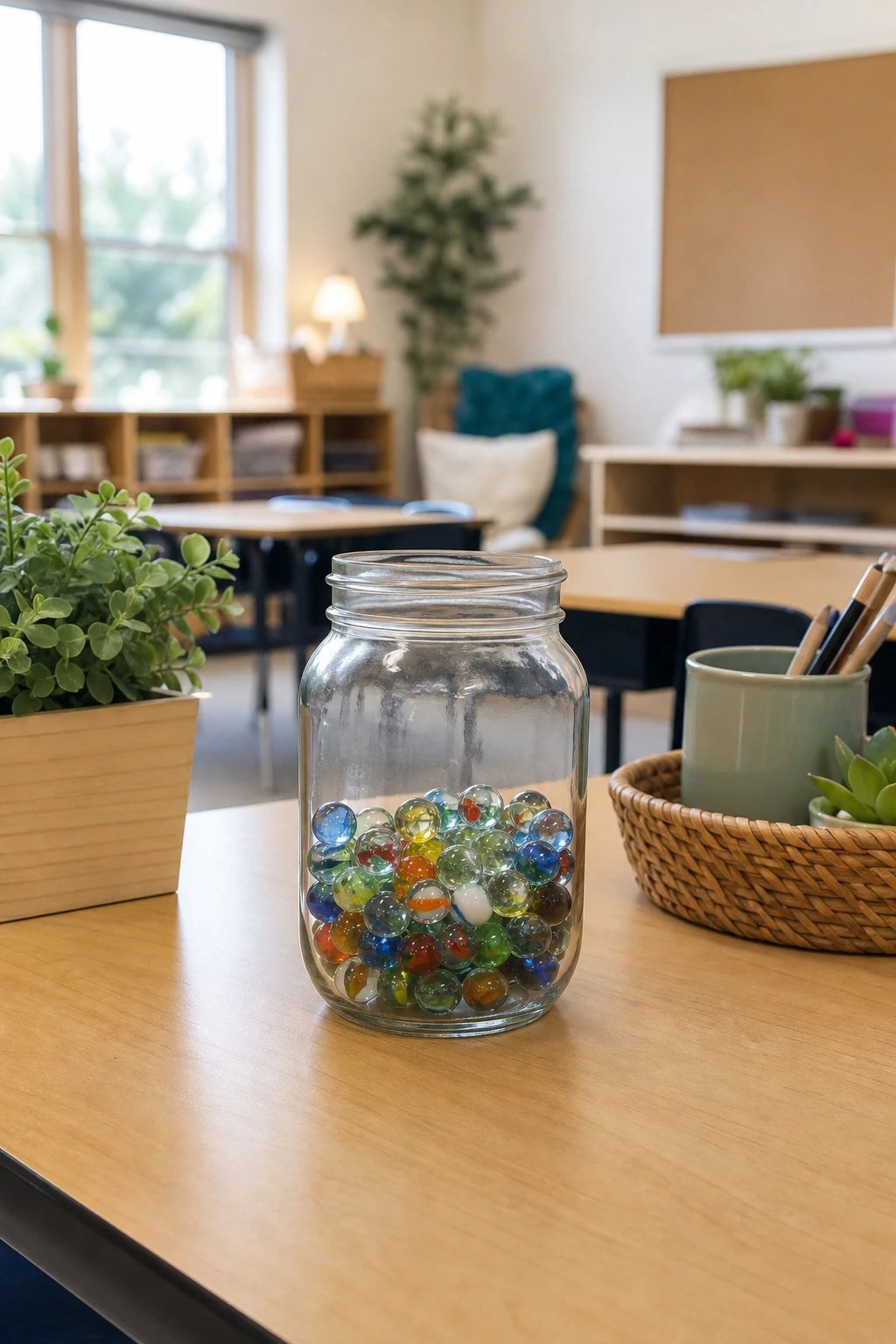 Save
Notice and name the rule out loud: “I see Table 3 using kind words.” Specific praise works better than reminders, and it keeps the rules in everyone’s mind.
Get the look: a simple reward chart or marble jar.
21. A calm, clear consequences ladder
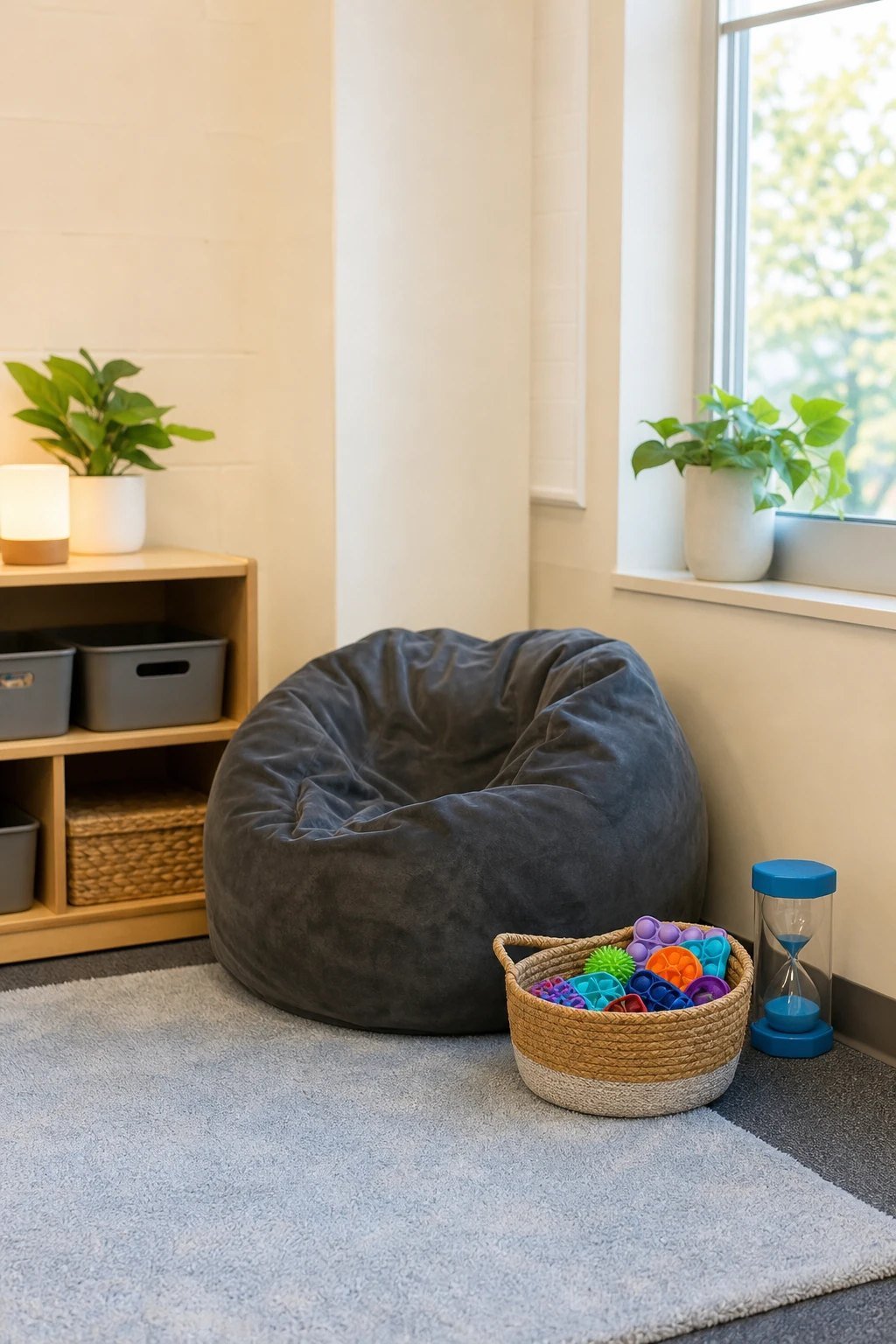 Save
Decide the steps ahead of time: a reminder, a quiet word, a short break in the calm corner, then a call home. Calm and consistent beats loud and surprising.
Get the look: a calm corner with a cushion and a timer.
22. Reset the rules after a break
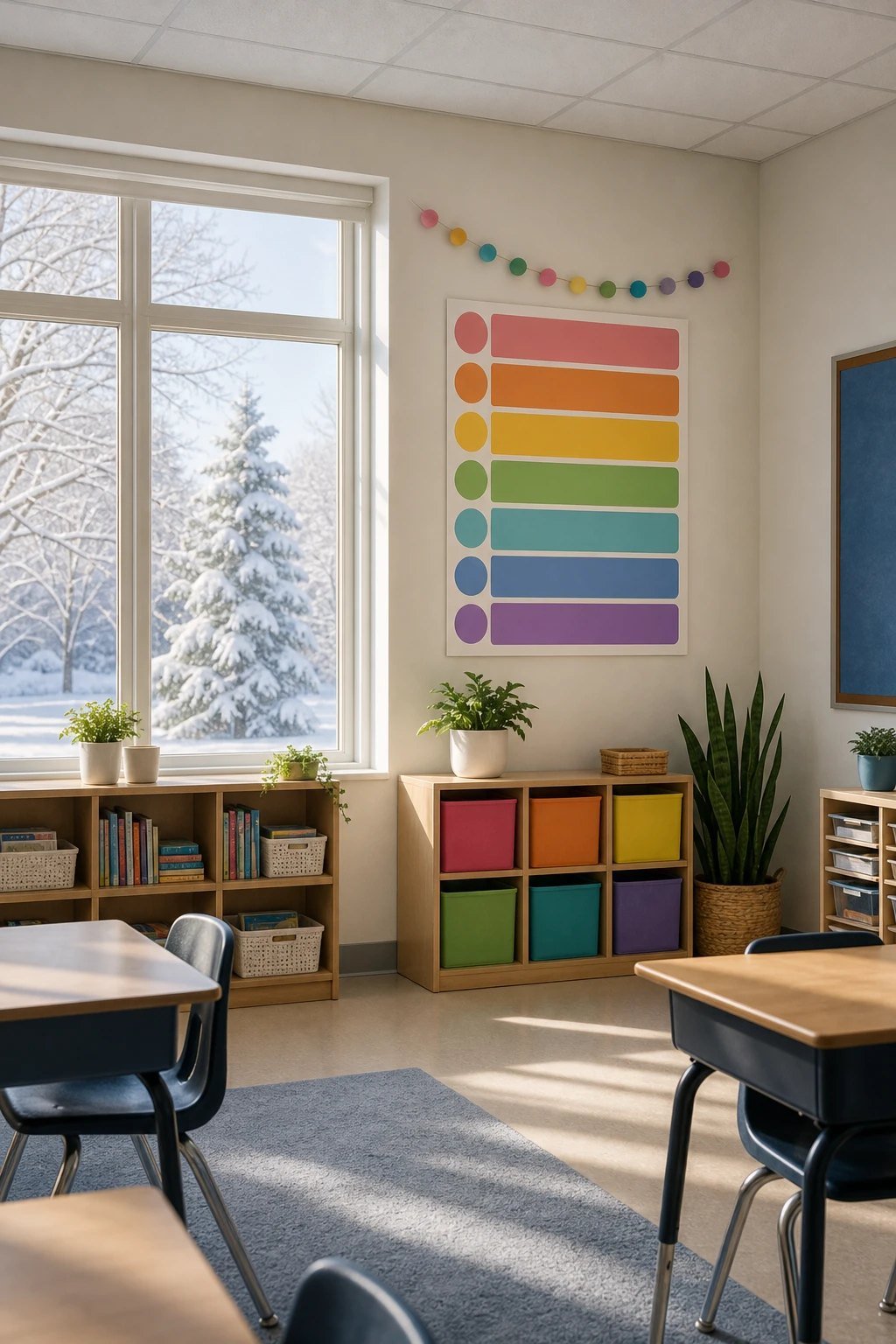 Save
After winter break, spring break or a long weekend, reteach the rules like it is the first week. Ten minutes on the first morning back saves a messy week.
Get the look: a fresh new year rules poster for January.
23. A Monday rules review
 Save
Start each week by reading the rules together and picking one to focus on. It takes two minutes and keeps the rules part of the routine.
Get the look: add the focus rule to your morning message.
Classroom rules by grade
24. Kindergarten classroom rules
 Save
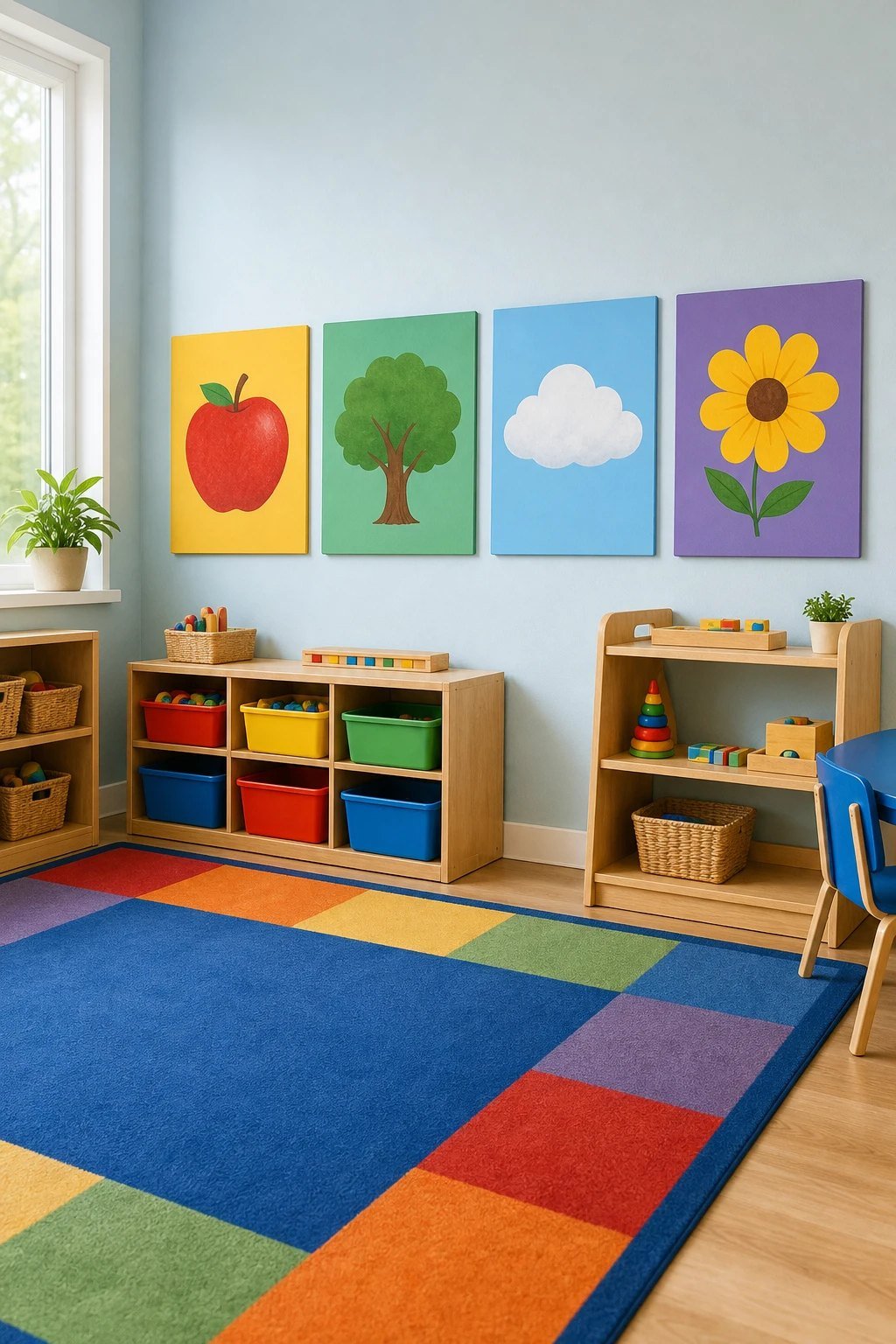
Keep kindergarten rules to three or four, with big pictures and actions: listening ears, walking feet, gentle hands, kind words. Sing them to a simple tune so they stick.
Get the look: big picture cards at the children’s eye level.
25. Rules for grades 3 to 5
 Save
Older children can handle rules about respect, responsibility and effort, and they like to debate them. Let them write the class agreement and sign it, then review it together each term.
Get the look: a class agreement poster with signatures.
How many classroom rules should you have?
Three to five. Fewer rules are easier to remember, easier to picture and easier to praise. Everything else, like how to line up or ask for the bathroom, is a procedure you teach and practice, not another rule on the wall.
How to reset classroom rules in January
On the first morning back, read the rules together, act out one or two, and ask the class which rule they want to get better at. Refresh the chart or poster so it looks new, and praise the rule a lot that first week. It feels like a fresh start for everyone.
Classroom rules supplies on Amazon


Laminators and classroom display supplies on Amazon



Keep reading
- Classroom management ideas that actually work
- How to quiet a noisy class
- How to set up a calm down corner
- 25 morning meeting activities and greetings
Frequently asked questions
Short, positive rules that say what to do, such as walk inside, use kind words, keep hands to yourself, listen when others talk and try your best.
Three to five. Other expectations, like lining up or using the bathroom pass, work better as practiced routines.
Yes. When children help write the rules, they understand them better and remind each other to follow them.
Teach one rule a day in the first week: explain why it matters, model it, practice it and praise it. Review the rules every Monday.
After any long break, such as winter break or spring break, and any time the class starts to slip. Ten minutes of reteaching saves a lot of reminders.
About the author: Shinku Studio is written by someone who works in an elementary classroom every day. These are the rules and routines we use with a real class, kept as simple as possible.