
Some links in this post are affiliate links. If you buy through one, I may earn a small commission at no extra cost to you. As an Amazon Associate I earn from qualifying purchases.
The short answer: a good morning meeting has four quick parts: a greeting, a short share, a group activity and a morning message. Keep it to about 15 minutes, sit in a circle so everyone can see each other, and rotate a handful of favorite greetings and games so children know what to expect. The routine is what settles the room.
I work in an elementary classroom, and the mornings we skip the meeting are the mornings that go sideways. Below are 25 morning meeting activities that have worked with real classes, grouped by part of the meeting, plus the few supplies that make it run smoothly. None of them need much prep, and all of them work from the first week of school to the last.
A few supplies make morning meeting run itself (we earn a small commission if you buy, at no cost to you):
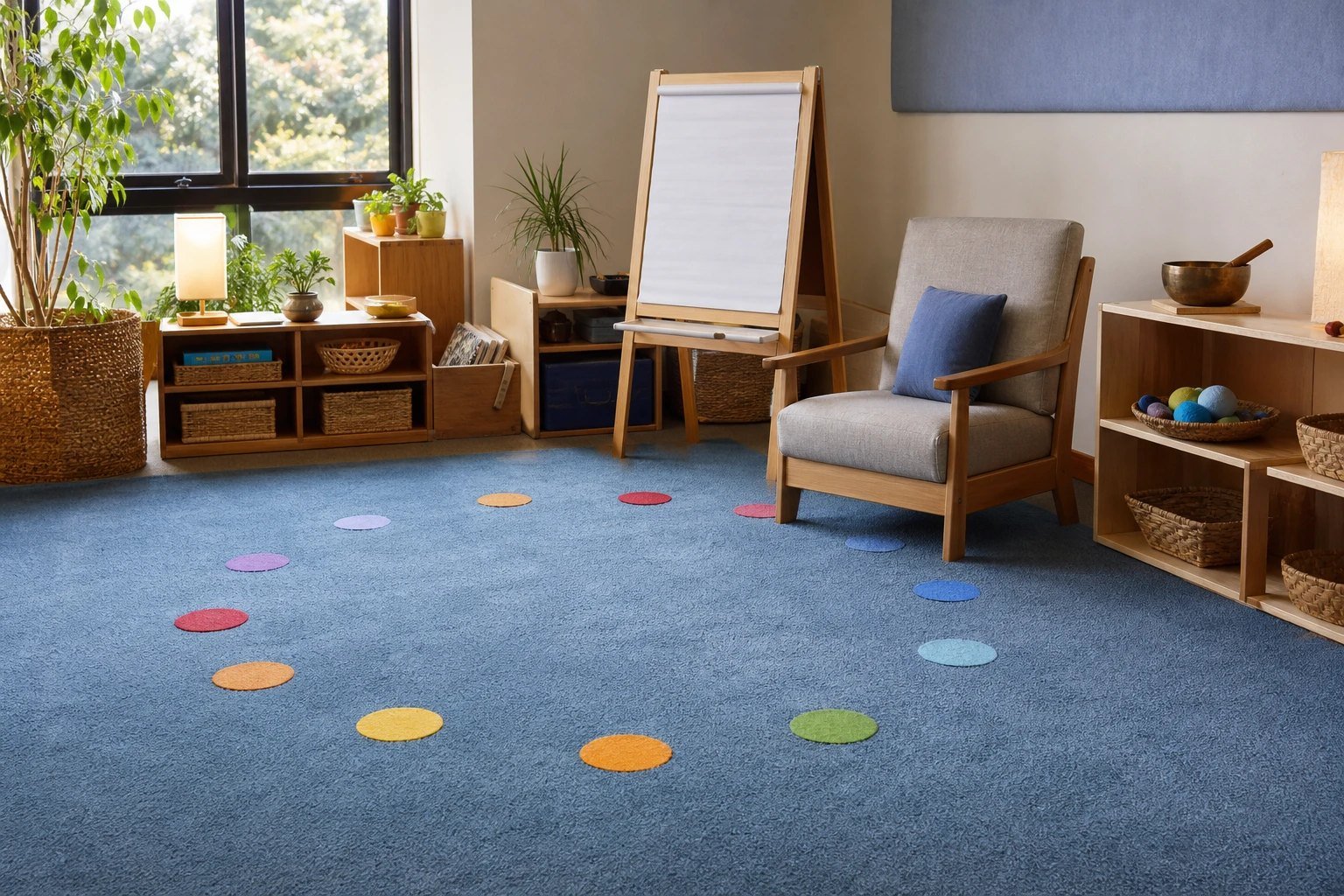
- Carpet spot markers: everyone knows exactly where to sit, so the circle forms in seconds.
- Mini magnetic dry erase boards: quick answers, votes and drawings during the share or the activity.
- Time Timer visual timer: children can see how long is left, which keeps the meeting to 15 minutes.
- Small singing bowl: one soft ring to start and end the meeting, no raised voice needed.
- Clear pocket chart: holds the greeting choices, the share question and the job cards.
 Save
Free printable
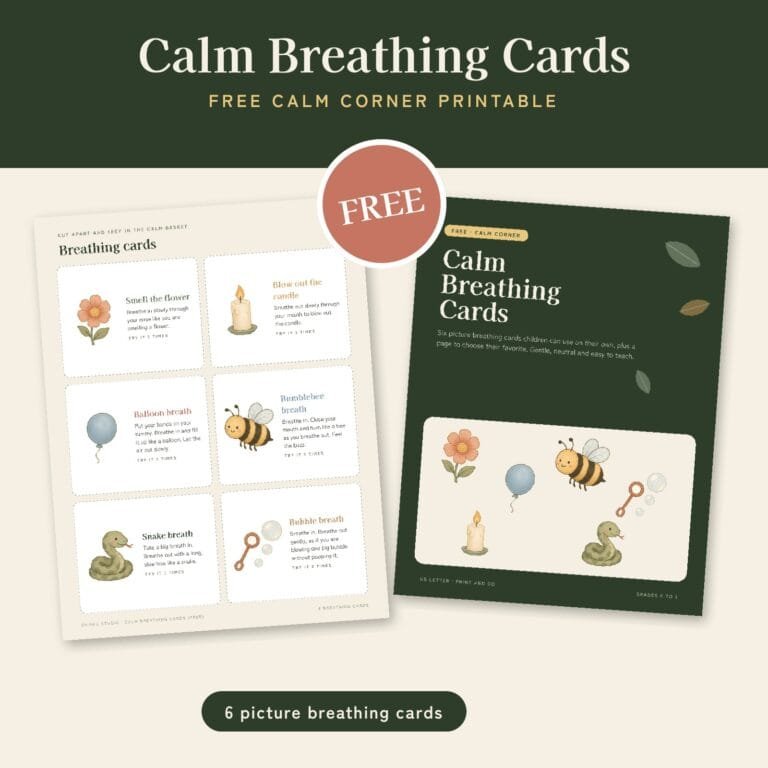
Free Calm Breathing Cards
6 picture breathing cards (smell the flower, bumblebee breath, snake breath and more) for your calm corner. Teach one a day.
Free download. You will also get a couple of follow-up emails with classroom ideas. Unsubscribe anytime.
How morning meeting works
Most teachers use the four-part shape from the Responsive Classroom approach: greeting, sharing, group activity and morning message. Sit in a circle on the rug, start with the same signal every day, and keep each part short. Teach one new greeting or game at a time and repeat it for a week before adding another, so children can focus on each other instead of on the rules.
Morning meeting greetings
1. Choice greeting chart
 Save
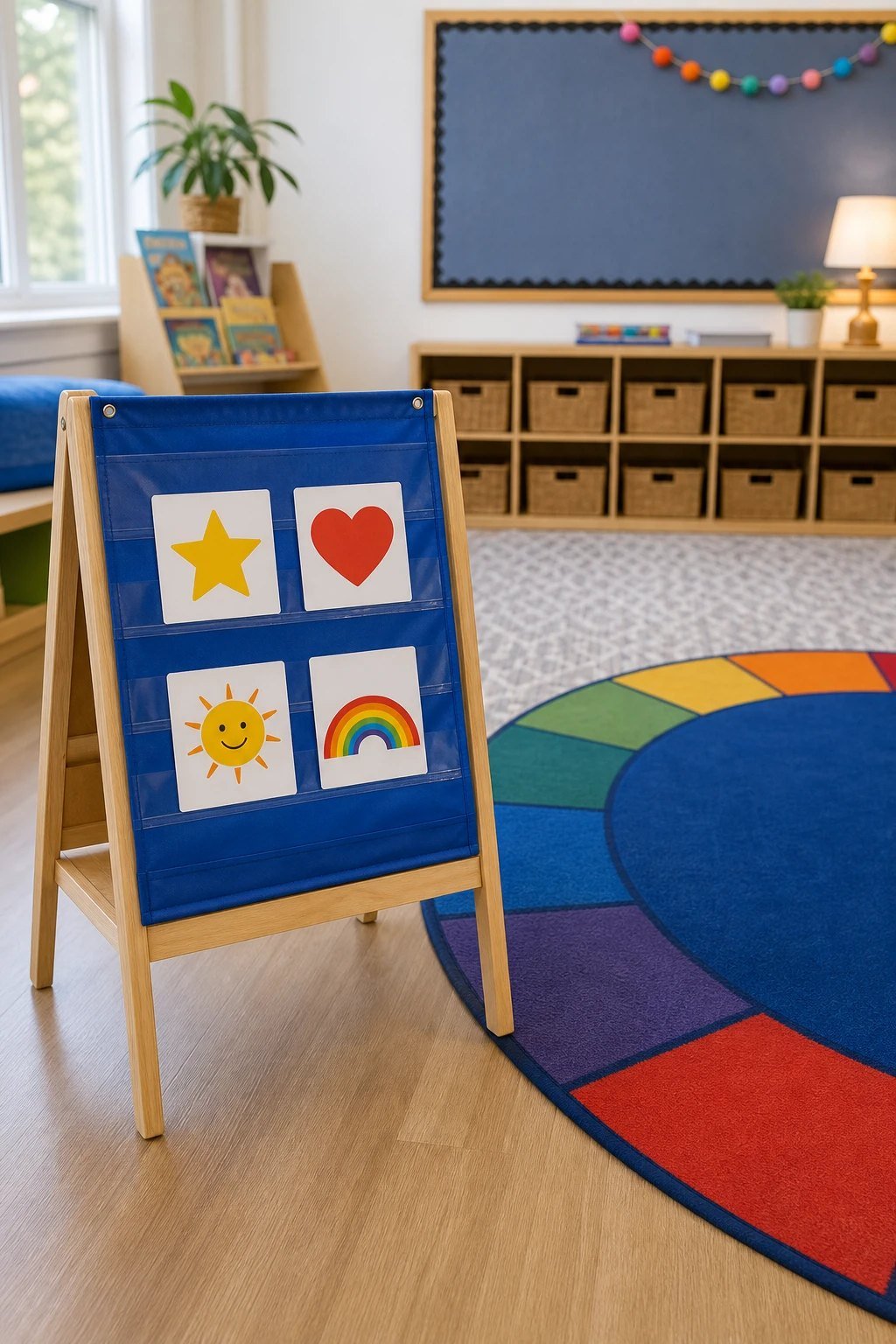
Put three or four greeting choices on a small chart, like a wave, a fist bump, a handshake or a smile, and let each child pick how they want to be greeted. It respects children who do not like touch and gets everyone saying good morning.
Get the look: a pocket chart with simple picture cards for each greeting.
2. Ball toss greeting
 Save
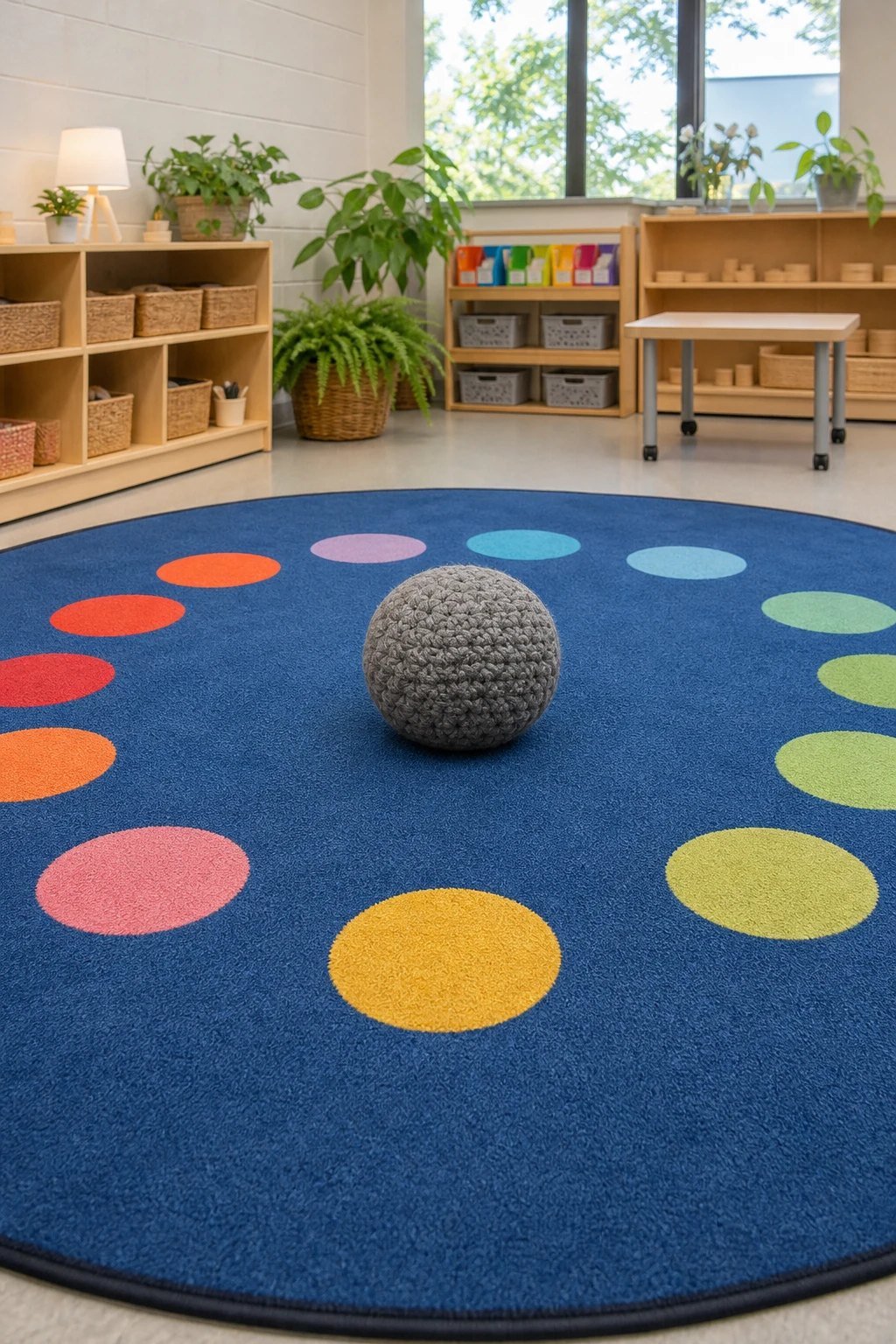
Say good morning and a child’s name, then gently toss a soft ball to them. They greet the next person the same way until everyone has had the ball once. It is quick, and the ball keeps everyone watching.
Get the look: a soft foam or knitted ball that will not bounce away.
3. Good morning around the world
 Save
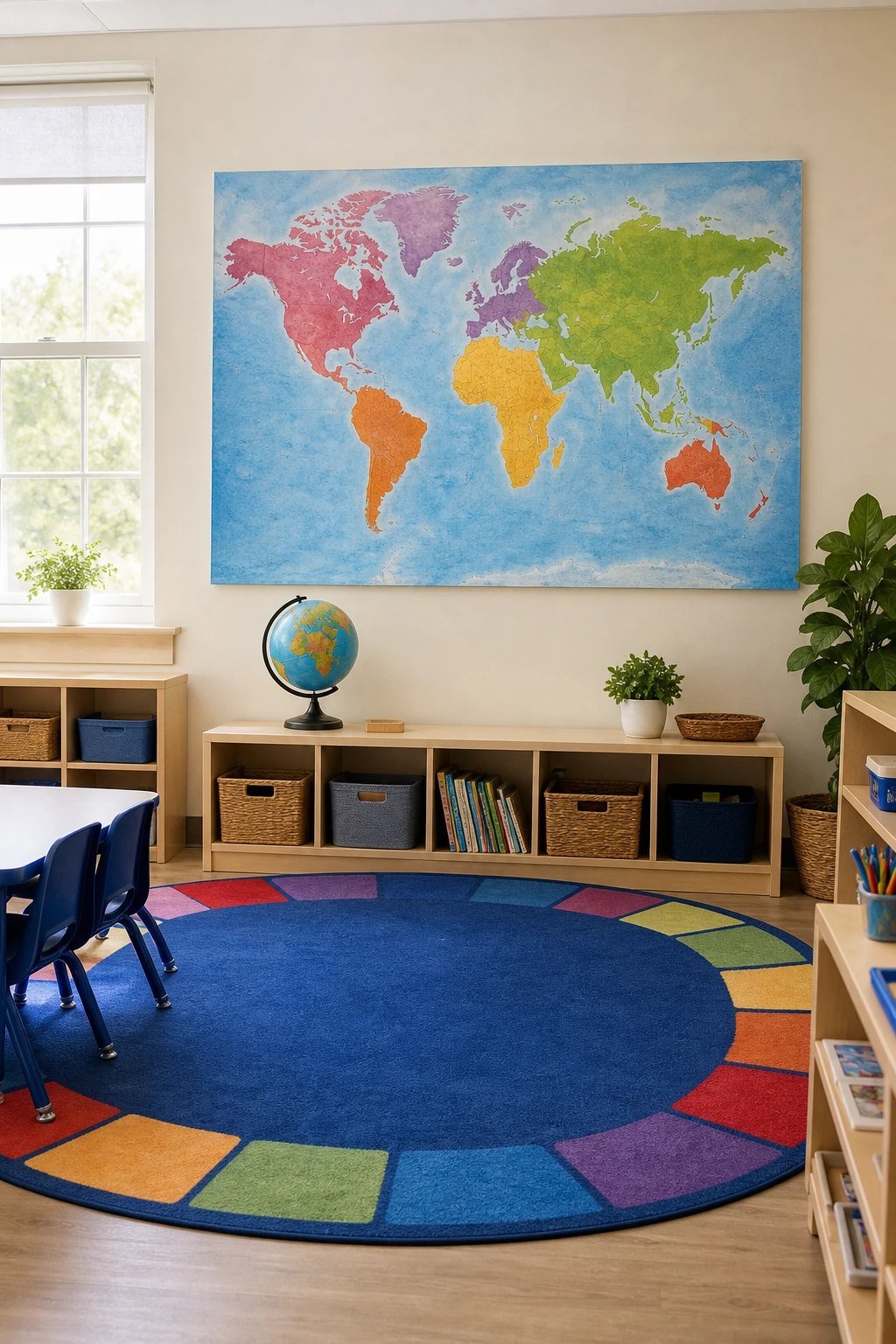
Teach good morning in a different language each week, such as buenos dias, bonjour or guten Morgen, and pass it around the circle. Invite families to share the words from home.
Get the look: a small world map near the meeting area.
4. Silent greeting
 Save
On a loud day, greet each other with a wave, a nod or sign language for good morning, with no words at all. It calms the room and children love the challenge.
Get the look: nothing at all, just a quiet signal to start.
5. Mirror greeting
 Save
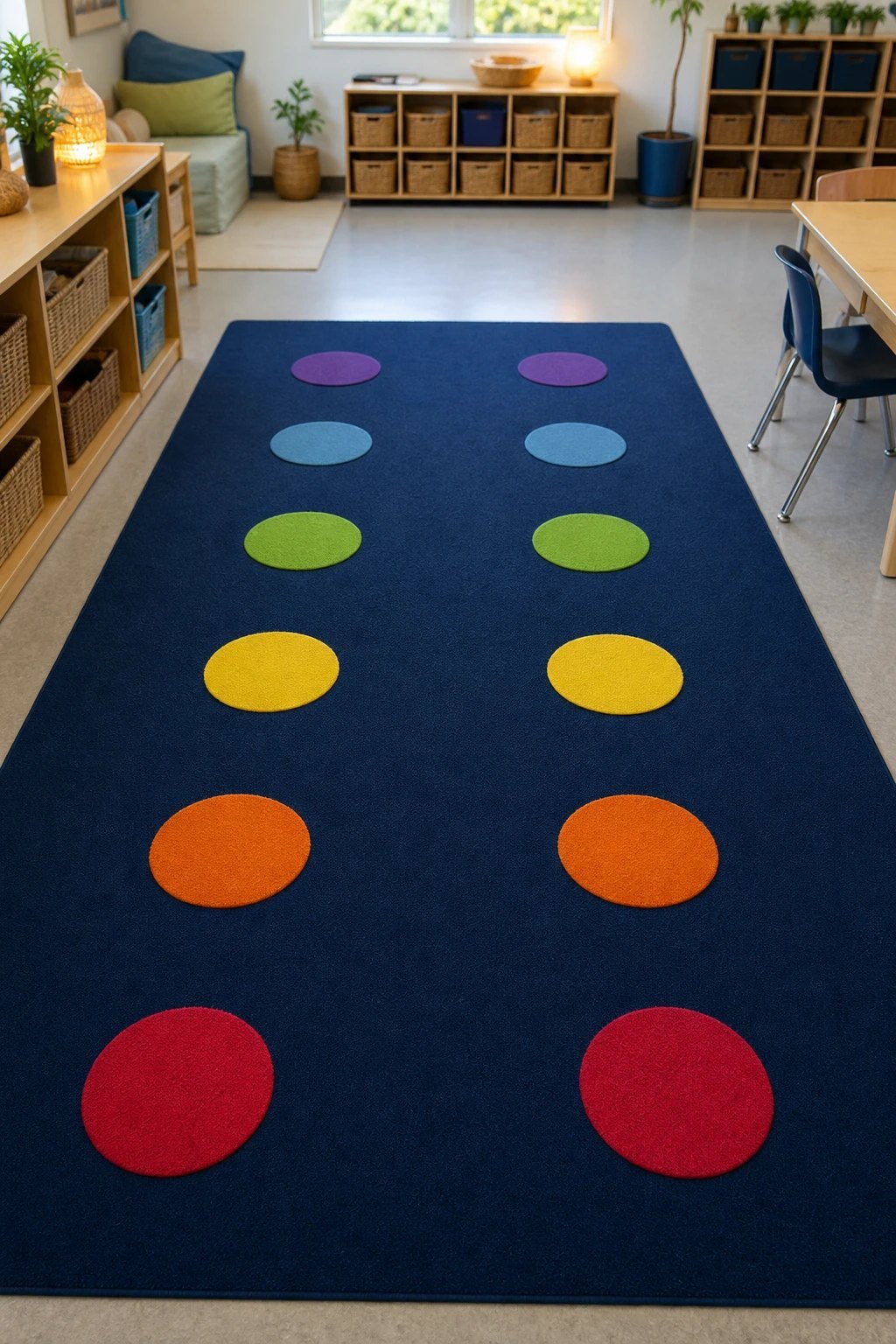
Partners face each other and copy a simple movement, then say good morning. Switch leaders after ten seconds. It is a gentle way to get wiggly bodies moving.
Get the look: carpet spots in pairs facing each other.
6. Name chant greeting
 Save
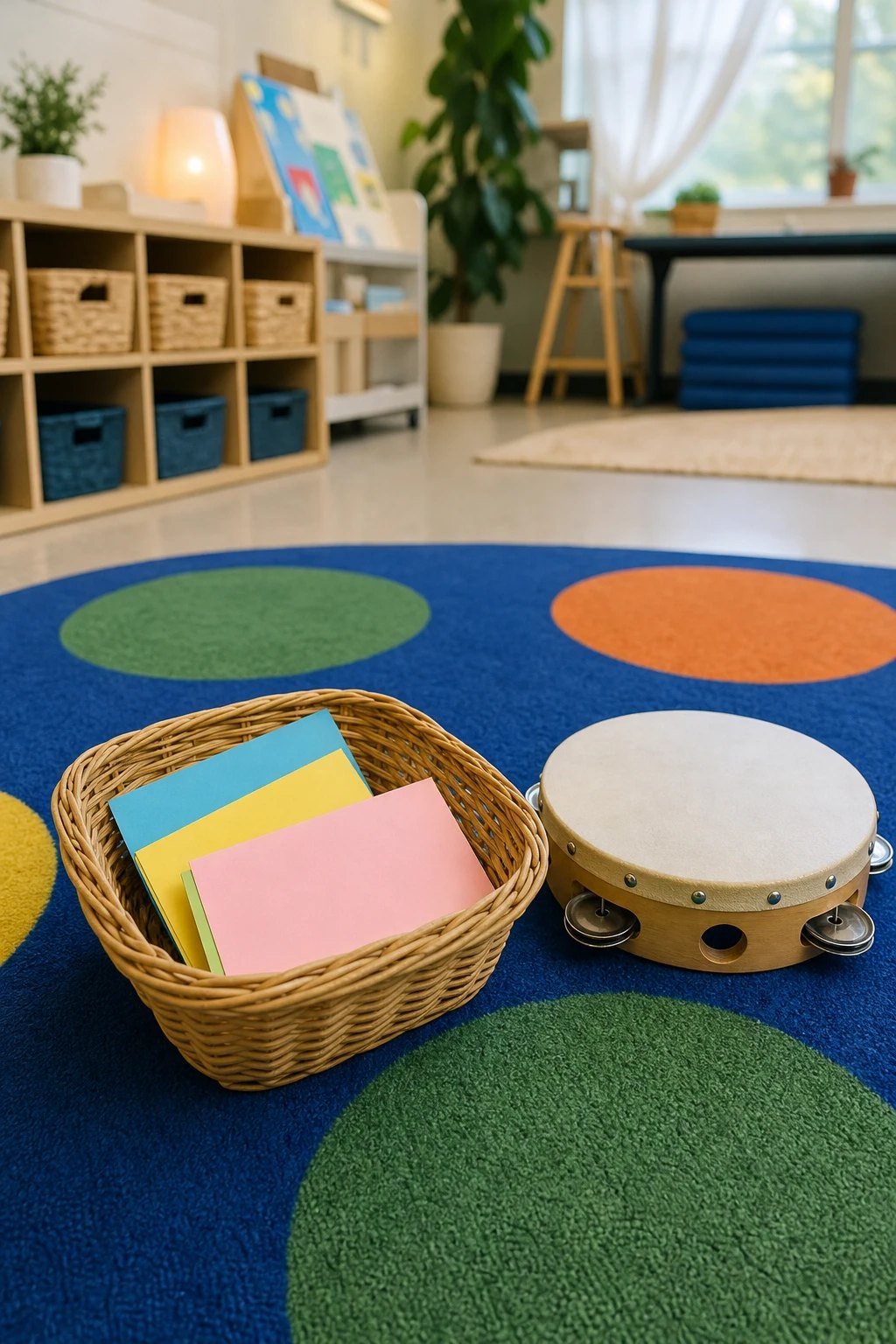
Clap the syllables of each name as the class says good morning together. Younger children practice phonics without noticing, and every name gets celebrated.
Get the look: a set of name cards in a small basket.
7. Compliment greeting
 Save
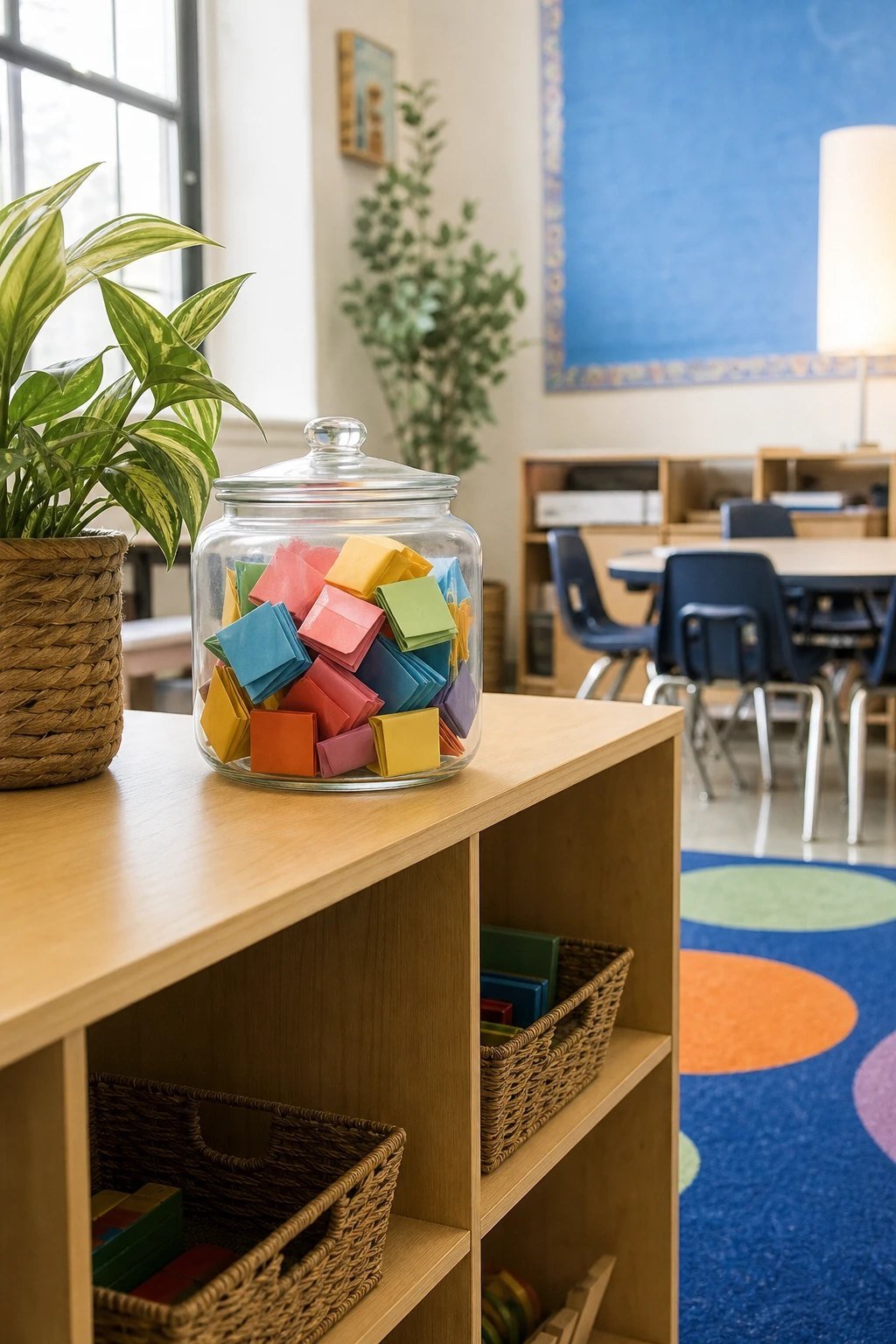
Greet the person next to you and add one kind thing you noticed about them yesterday. Model it first so the compliments stay specific and real.
Get the look: a small kindness jar on the meeting shelf.
Sharing ideas
8. Question of the day
 Save
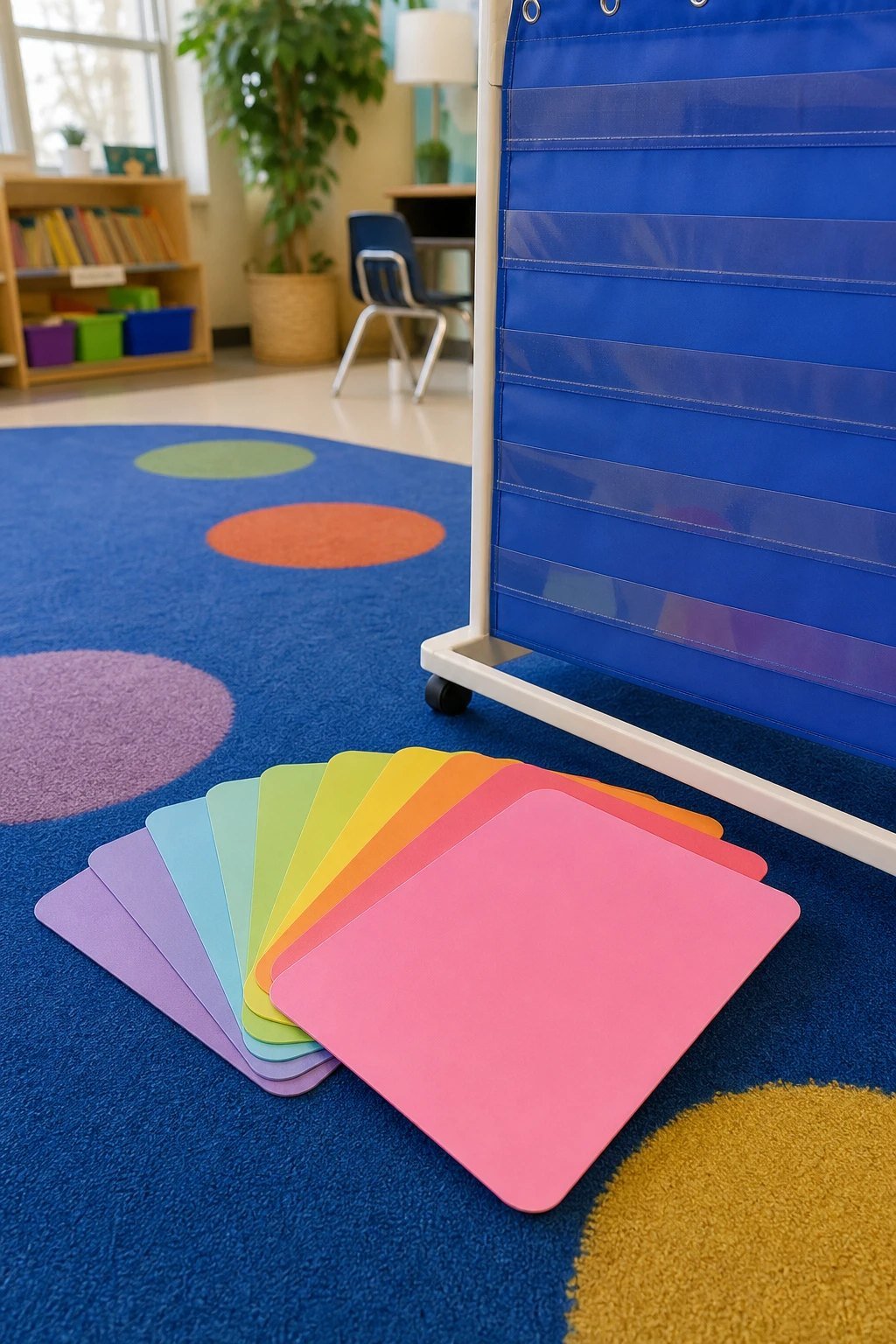
Post one question, like what would you take to a desert island, and give each child one sentence to answer. A simple routine like this is where a daily board or card set pays off.
Get the look: a pocket chart and a stack of question cards.
Want the daily cards ready to go? Our Classroom Management Bundle includes 24 daily announcement cards, calendar time pieces for today, yesterday and tomorrow, and a voice level chart, all in one printable set.
9. Partner share
 Save
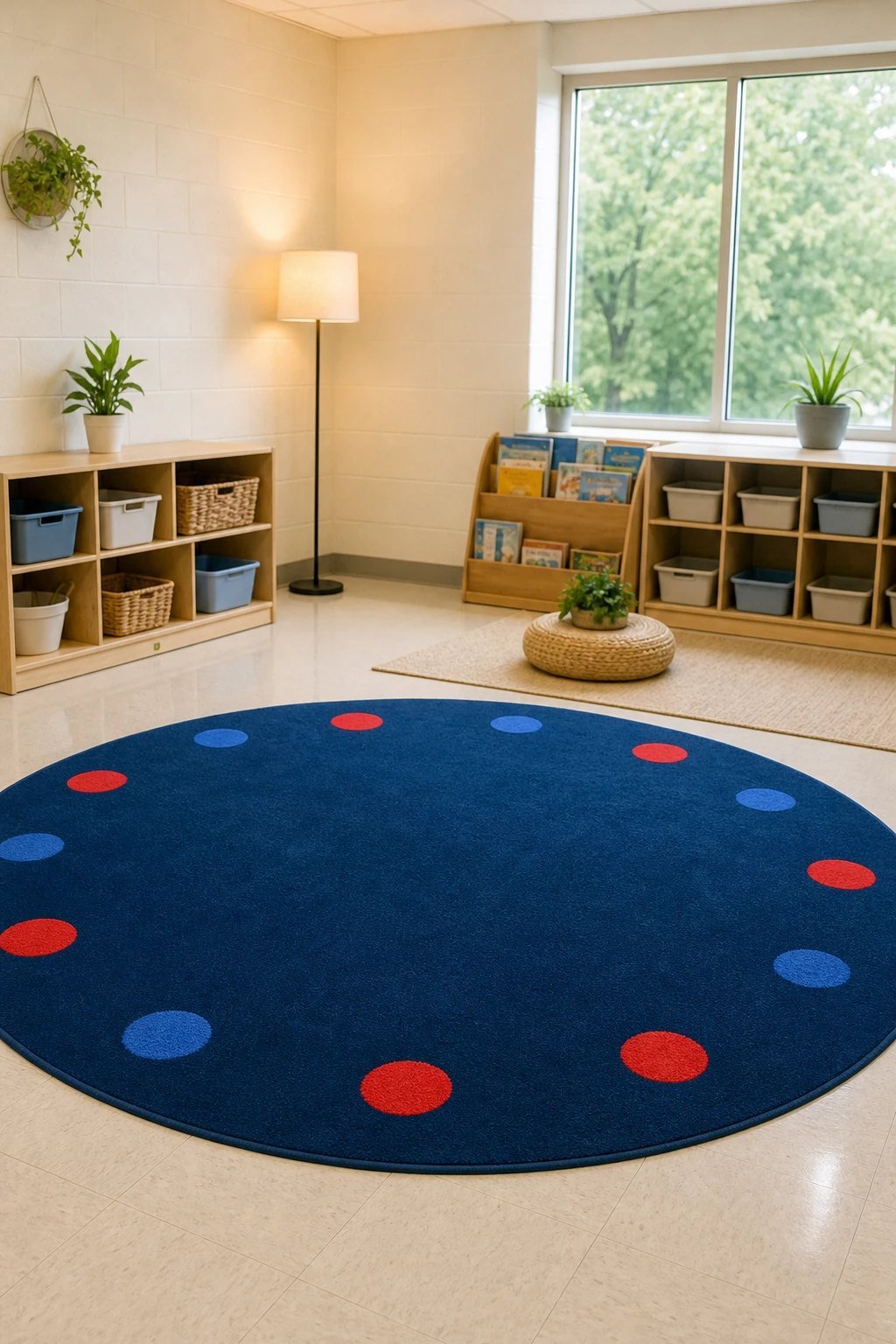
Instead of everyone sharing to the whole circle, turn and talk with a partner for one minute each. It is faster, and quieter children talk more.
Get the look: carpet spots in two colors so partners are easy to find.
10. Weekend news on mini whiteboards
 Save
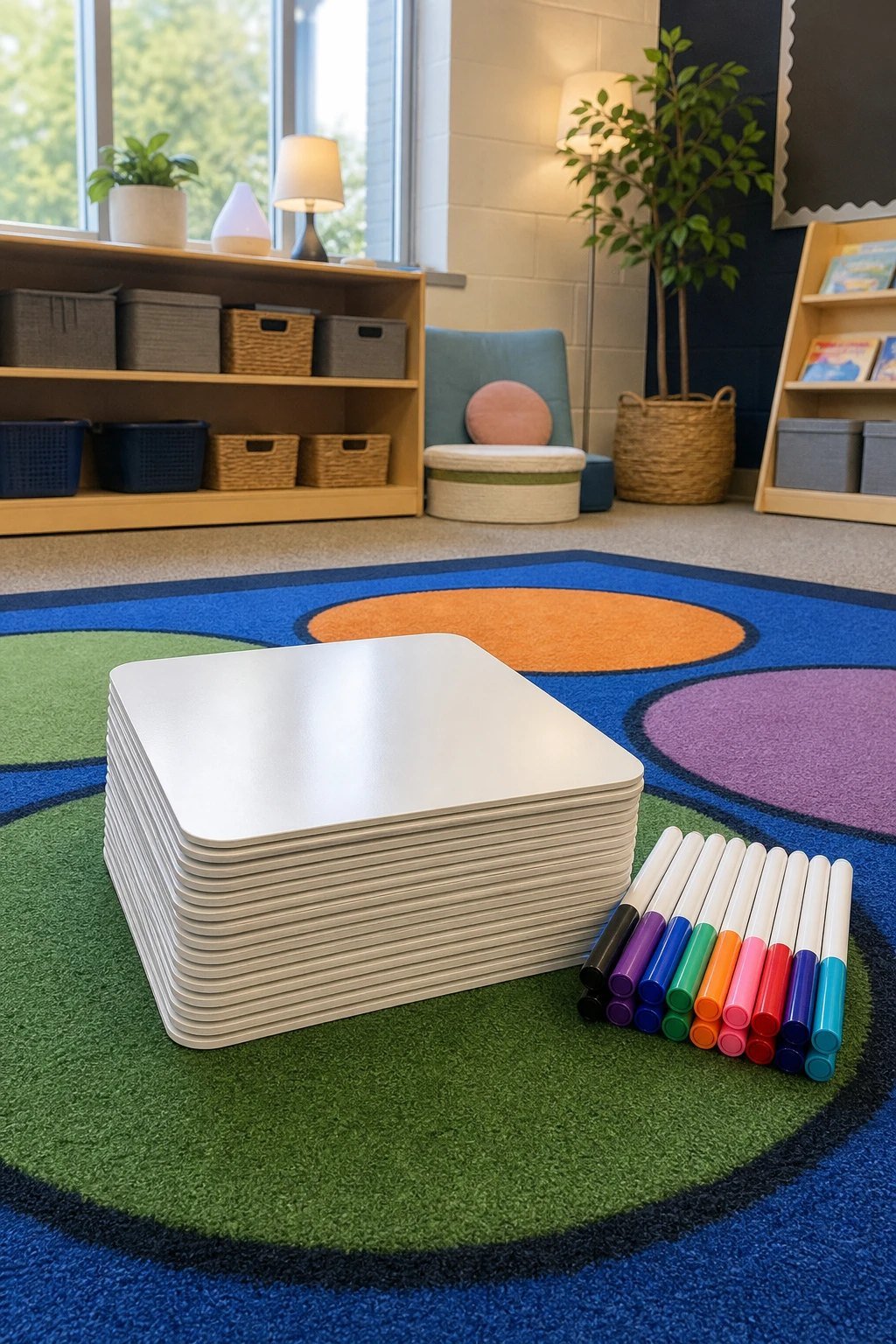
On Mondays, children draw or write one thing from their weekend on a mini whiteboard, then hold it up and share in one sentence.
Get the look: mini magnetic dry erase boards and dry erase markers.
11. Feelings check-in
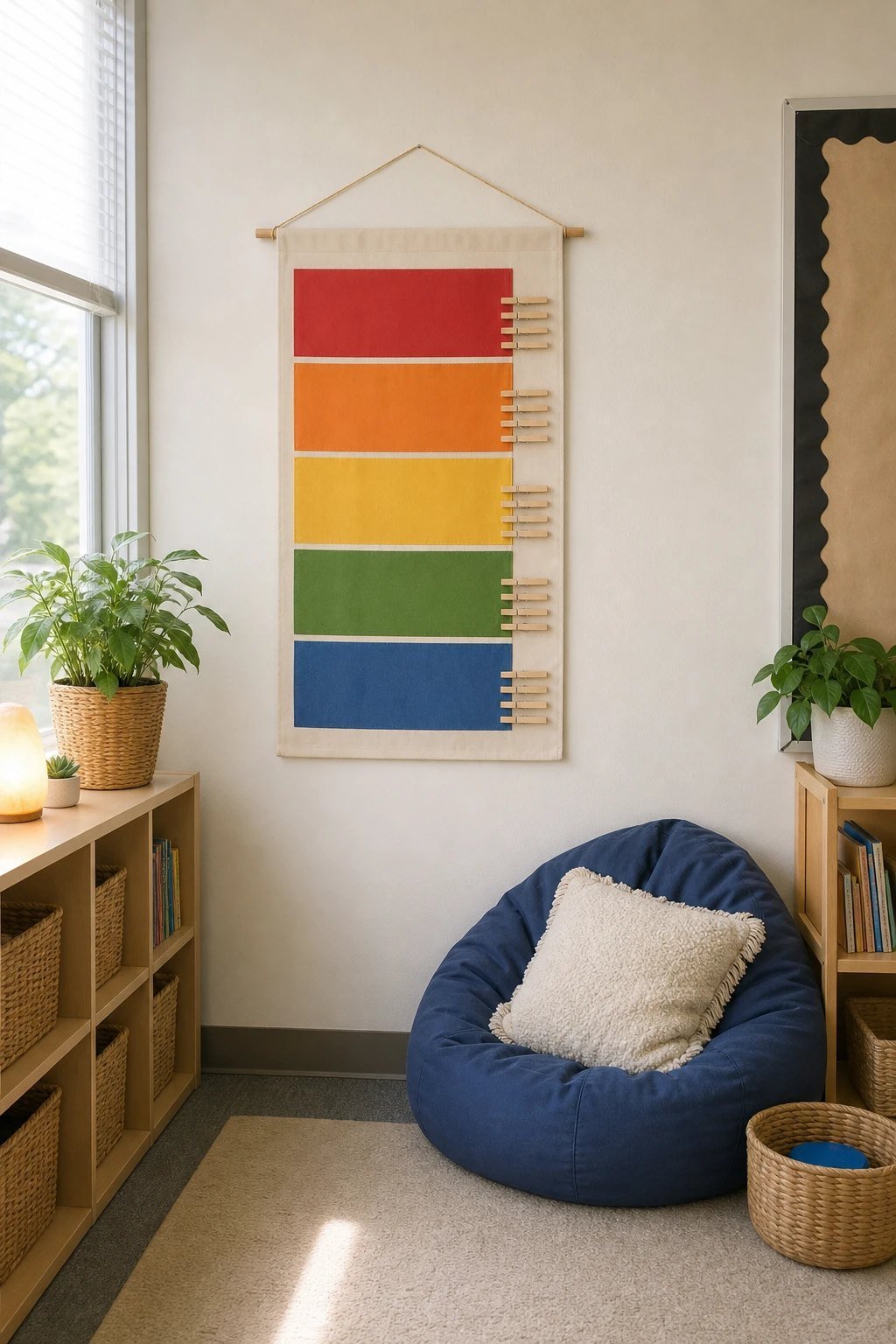 Save
Children point to or place a clip on how they feel this morning. You learn in thirty seconds who might need a quiet word later.
Get the look: a simple feelings chart with faces and colors.
12. Show and share bag
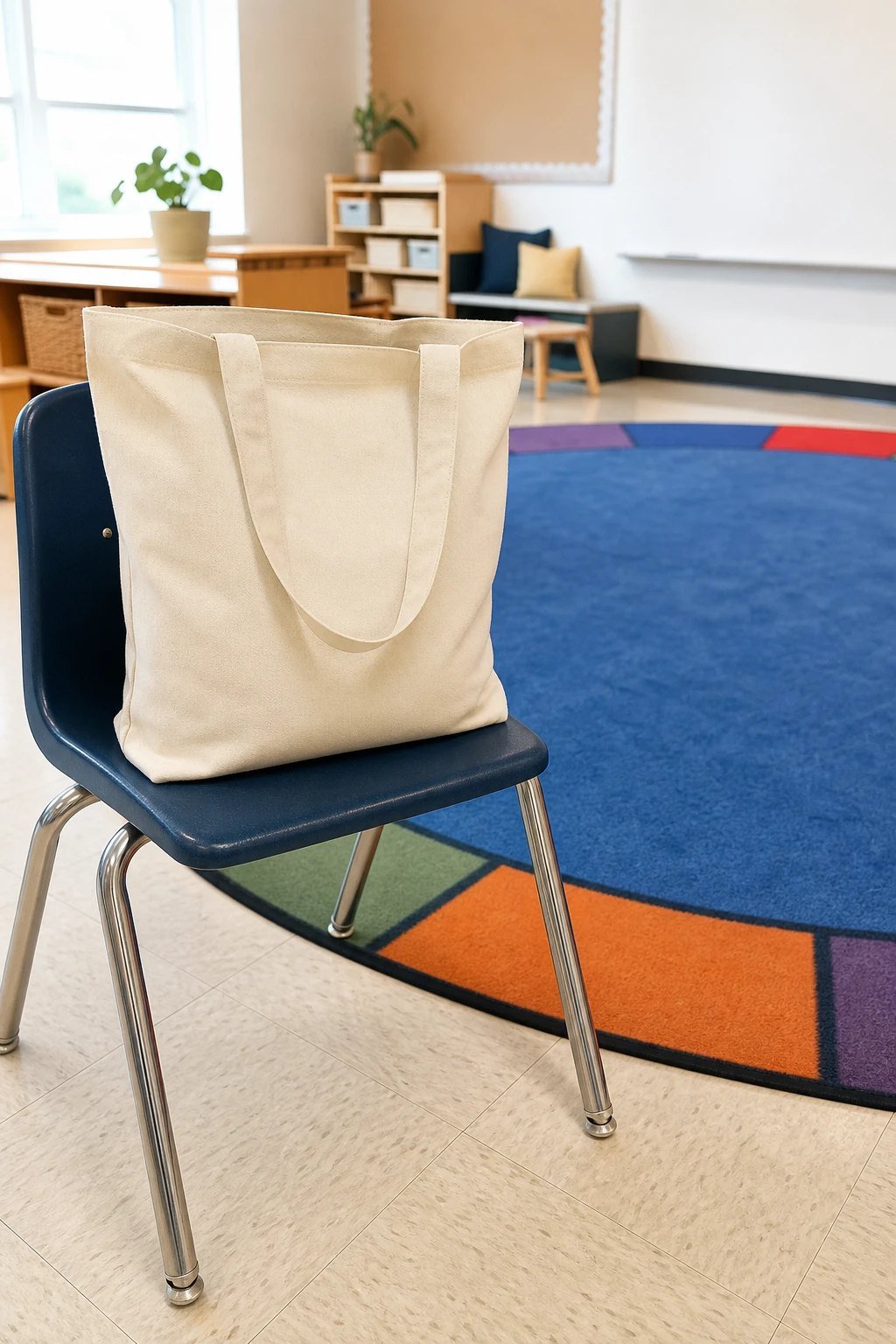 Save
One child a day takes home a cloth bag and brings back one small thing to share. Three questions from the class, then it is the next child’s turn.
Get the look: a sturdy canvas tote bag.
Group activities
13. Four corners
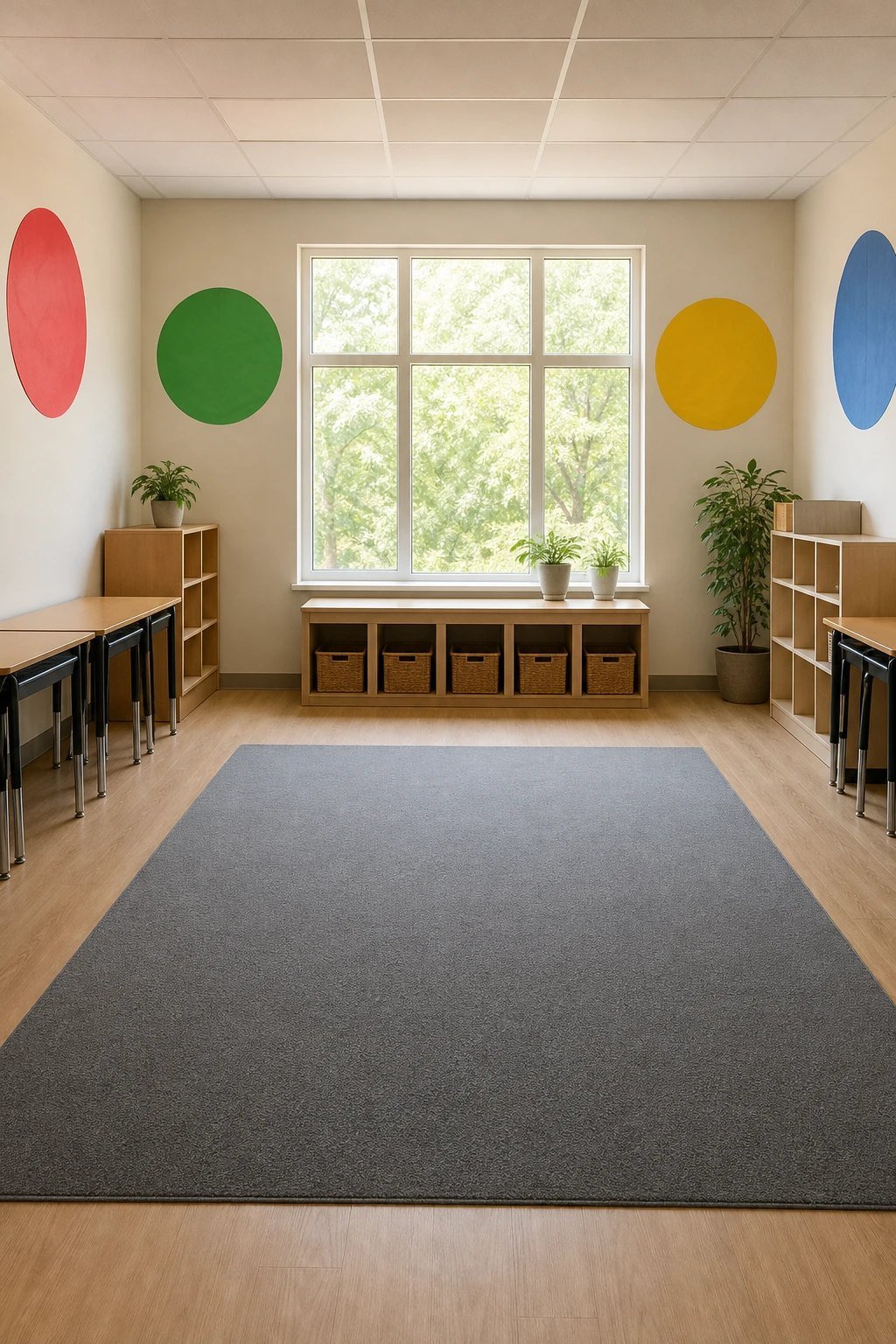 Save
Read out a question with four answers and point to a corner for each one. Children walk to their corner, chat for a moment, then return to the rug.
Get the look: four colored signs or paper shapes for the corners.
14. Would you rather
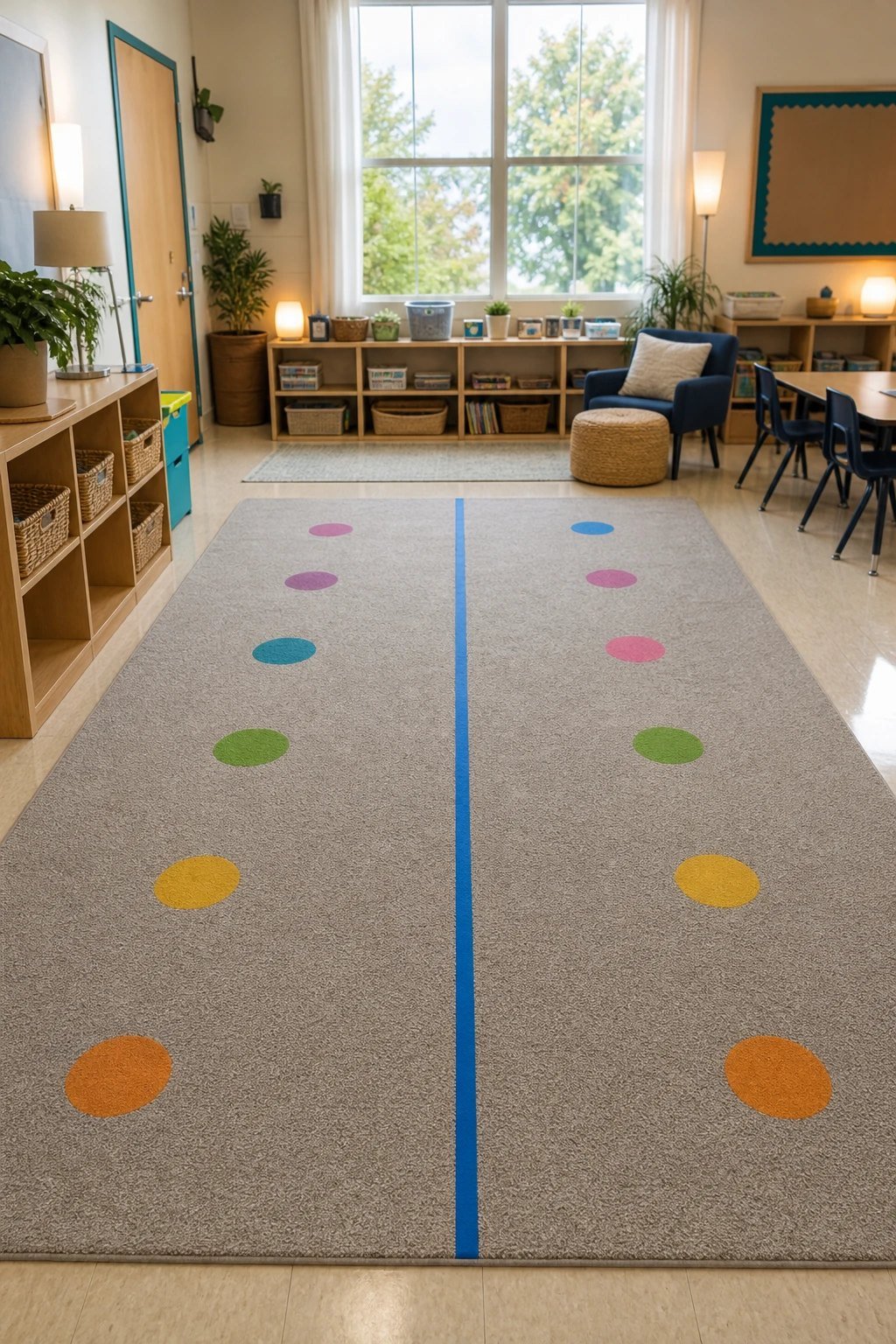 Save
Ask a would you rather question and have children move to one side of the rug or the other. It takes two minutes and gets everyone talking.
Get the look: a strip of tape down the middle of the rug.
15. Pass the pulse
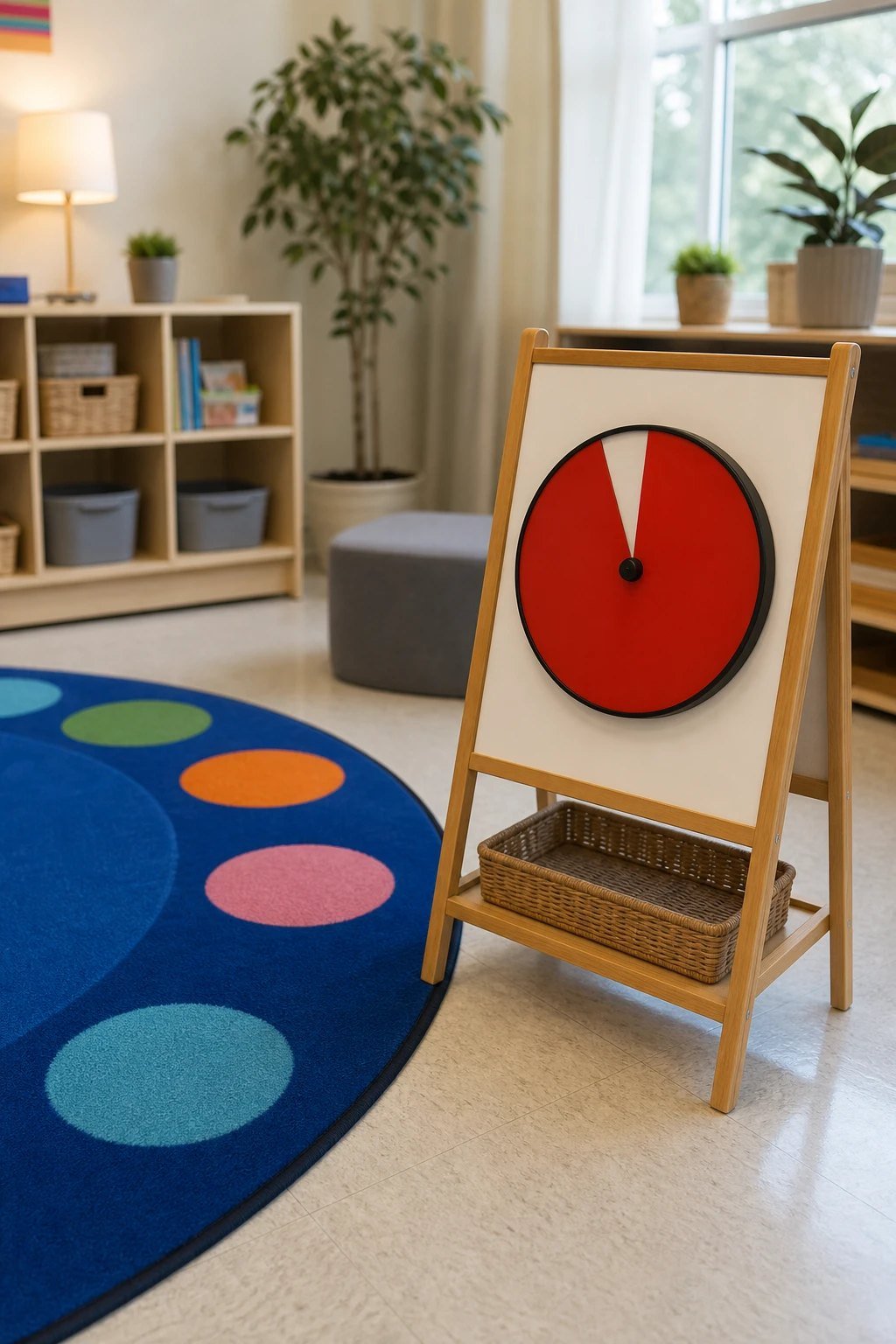 Save
Hold hands in a circle and pass a gentle squeeze around while counting how long it takes. Try to beat the time each day. It builds focus and teamwork.
Get the look: a visual timer on the easel.
16. Zip zap zop
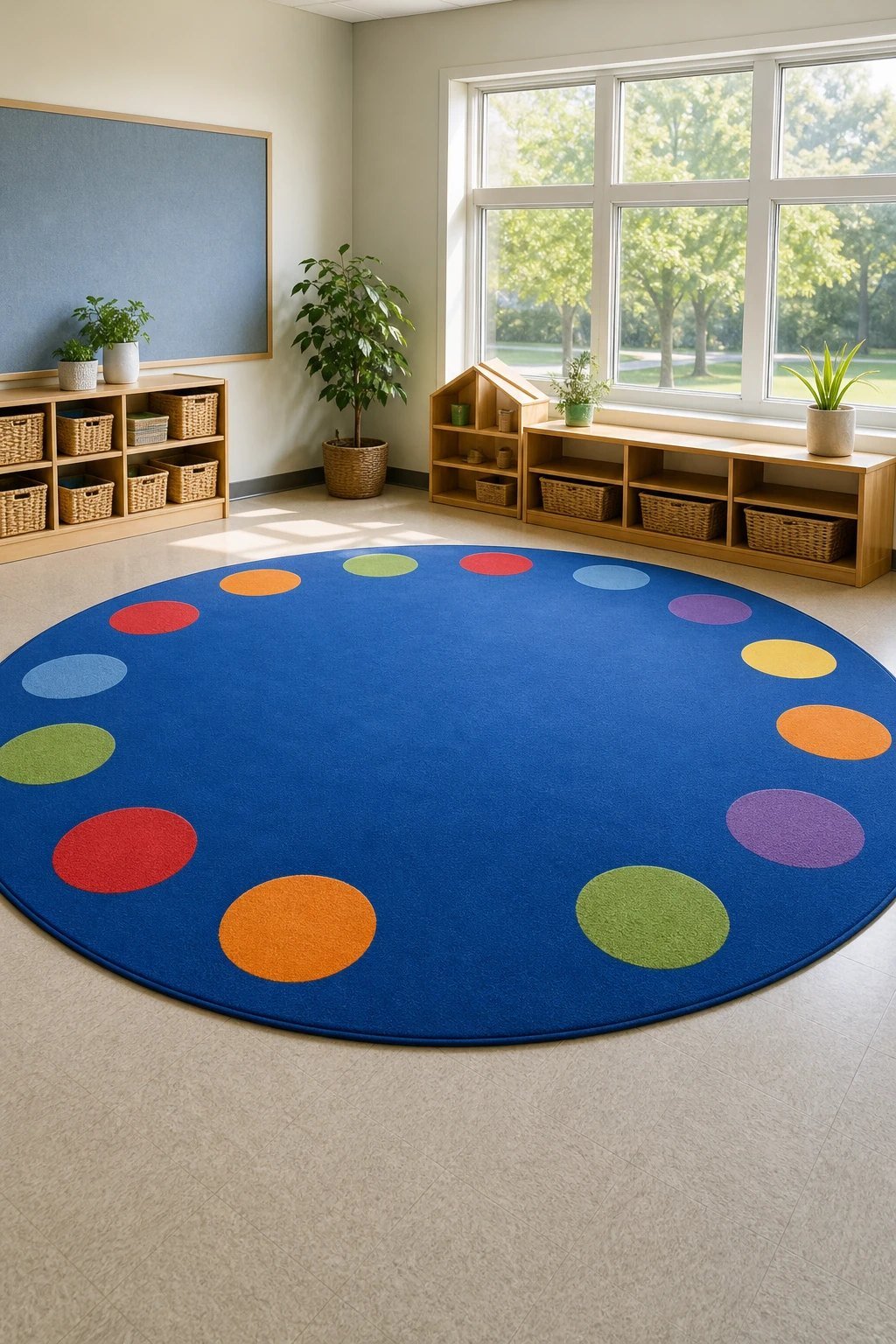 Save
A fast clapping and pointing game that needs nothing but attention. When someone misses, the game simply starts again, so no one is out.
Get the look: an open space on the rug.
17. Mini whiteboard math
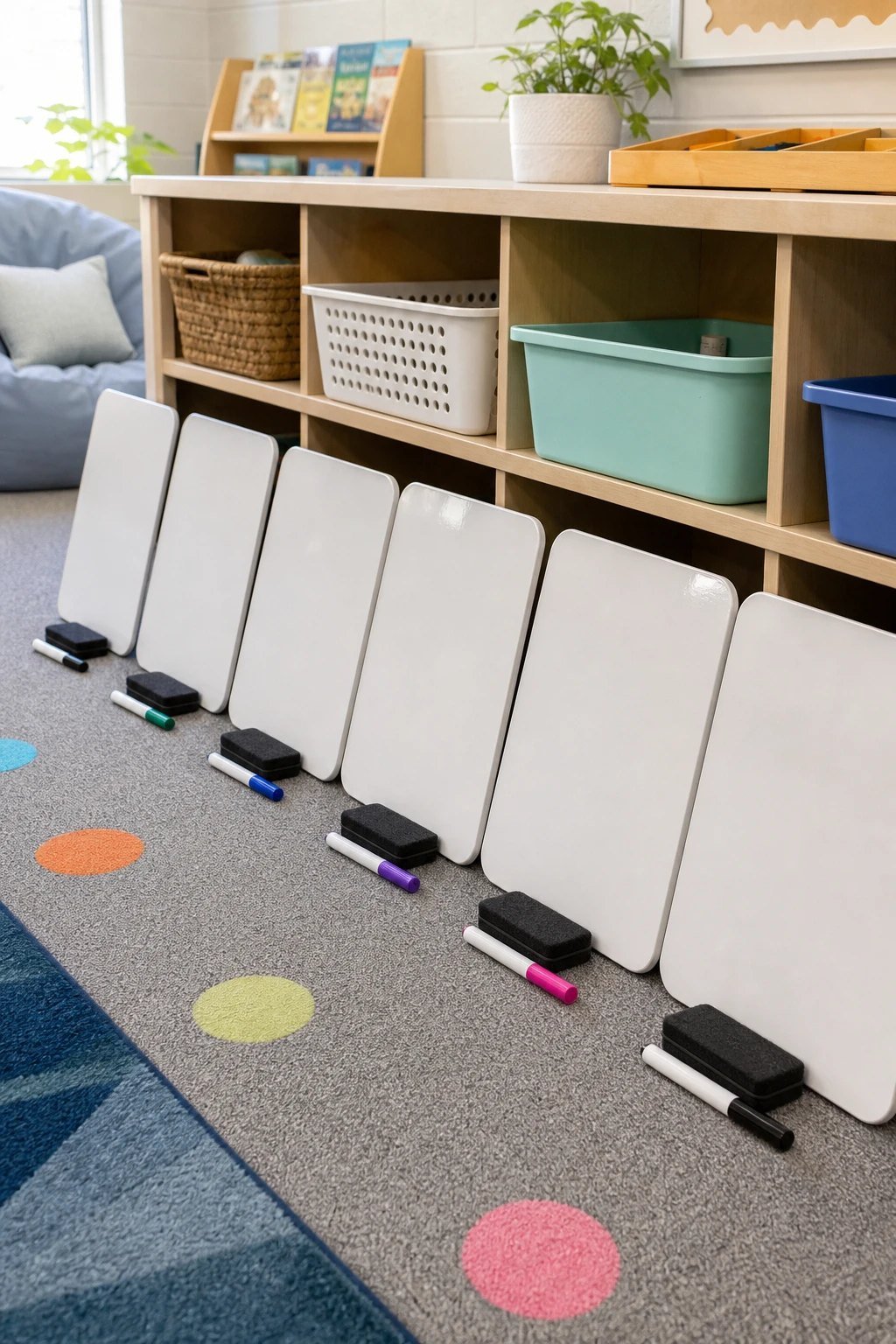 Save
Call out a quick problem and children show the answer on mini whiteboards. It warms up brains for the day and you see every answer at once.
Get the look: ScribbleDo mini magnetic dry erase boards, 10 pack.
18. Story chain
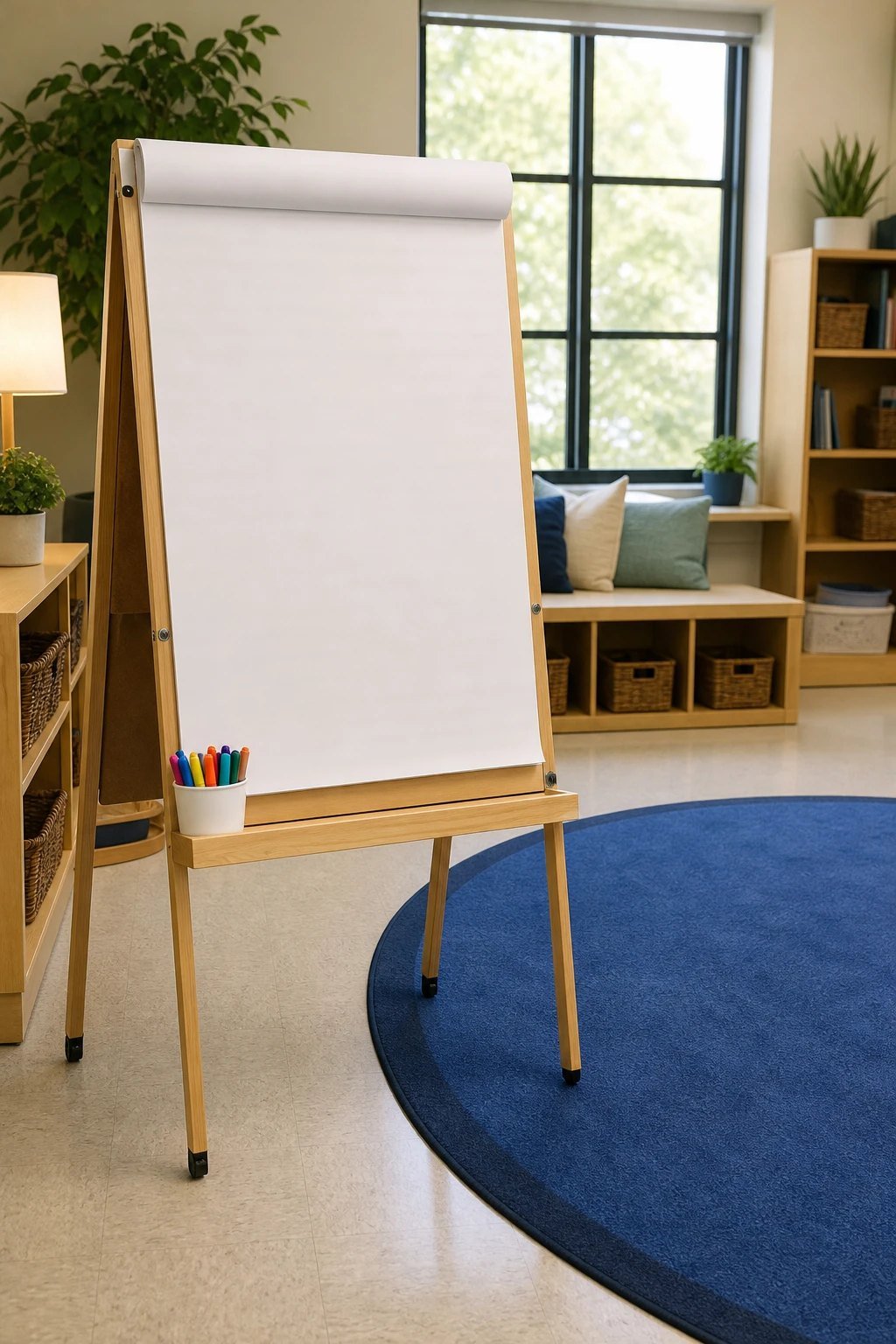 Save
One child starts a story with one sentence and the next adds another, all the way around the circle. Write it up later as a class book.
Get the look: a big blank class book or chart paper.
19. Mystery object bag
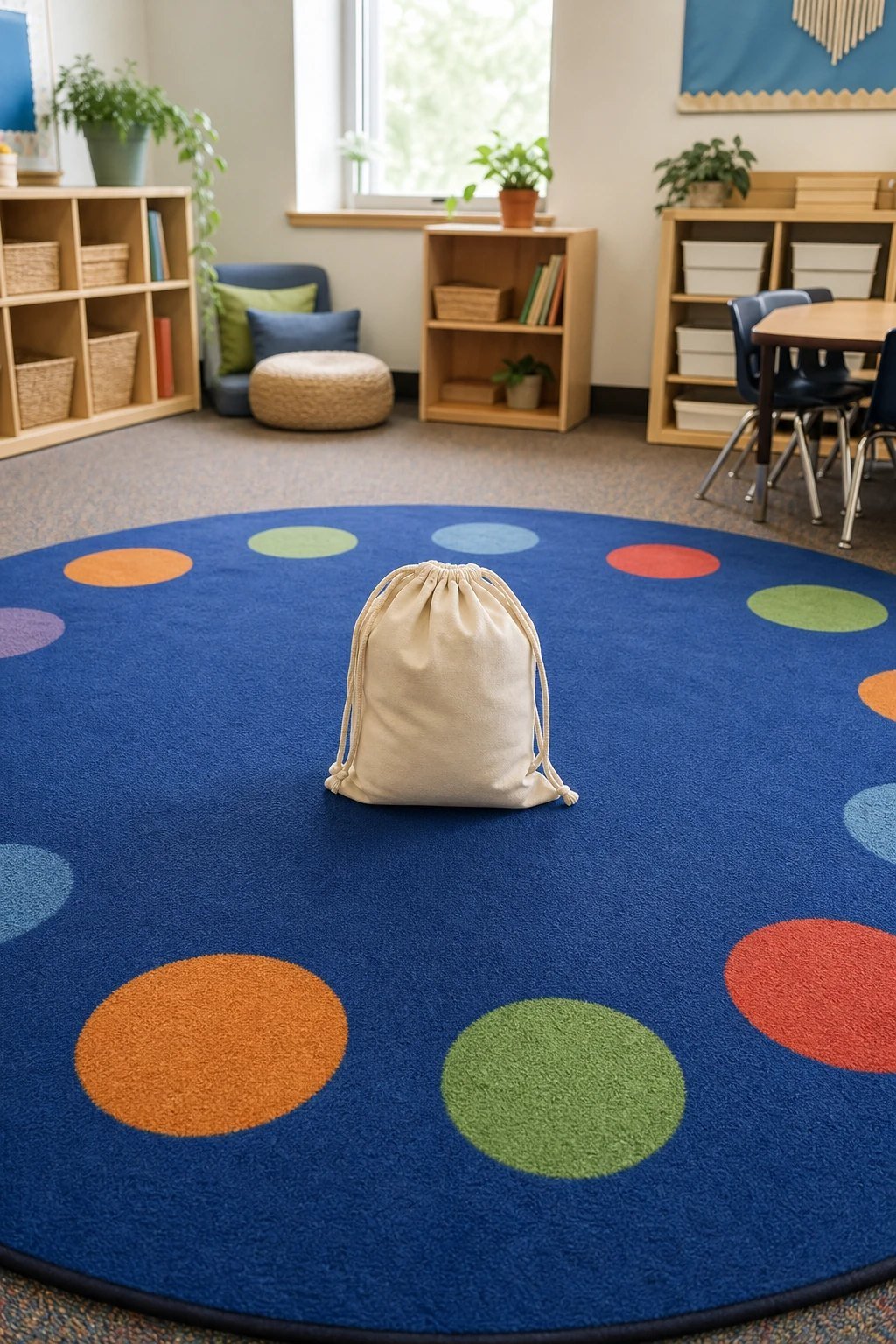 Save
Hide an object in a bag and give one clue at a time until someone guesses it. Children love taking a turn bringing the mystery object.
Get the look: a drawstring cloth bag.
Morning message
20. A short message on the easel
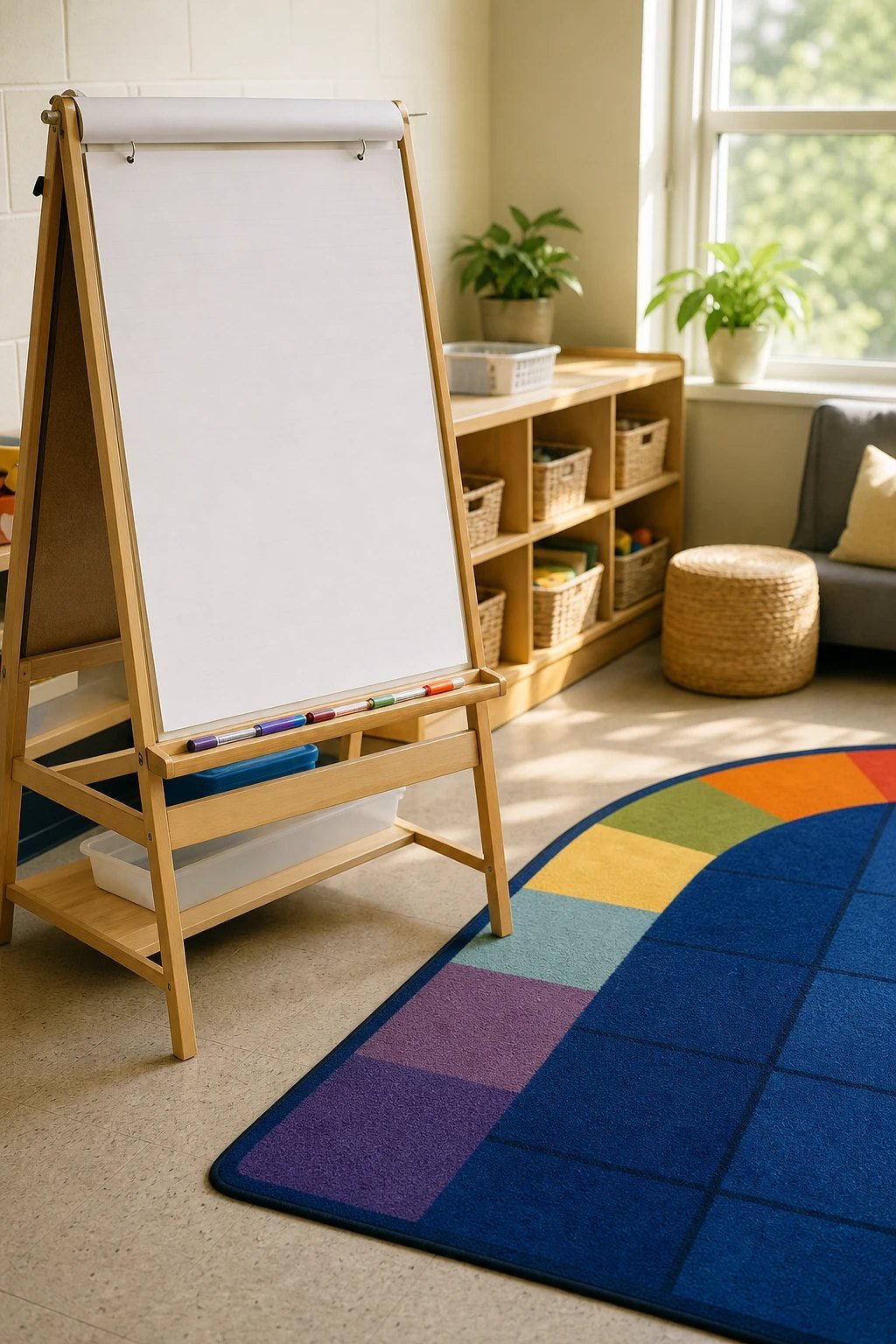 Save
Write a short message on chart paper before children arrive, with a greeting, one line about the day and one thing to think about. Read it together at the end of the meeting.
Get the look: an easel with chart paper and bright markers.
21. Fix the message
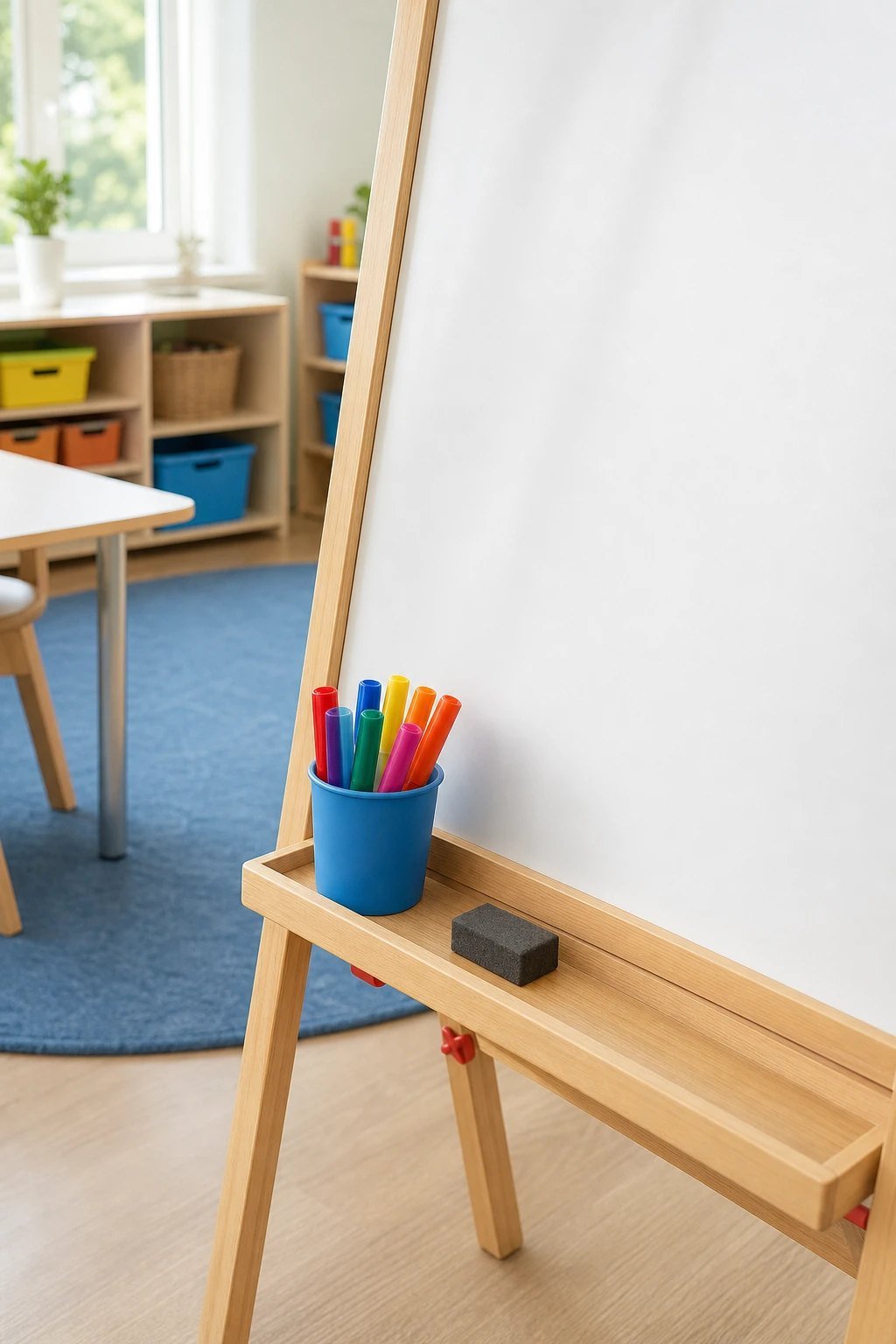 Save
Leave a few deliberate mistakes in the morning message and let children find and fix them. It turns a routine into a quick grammar lesson.
Get the look: a few colored markers just for corrections.
22. Calendar and today, yesterday and tomorrow
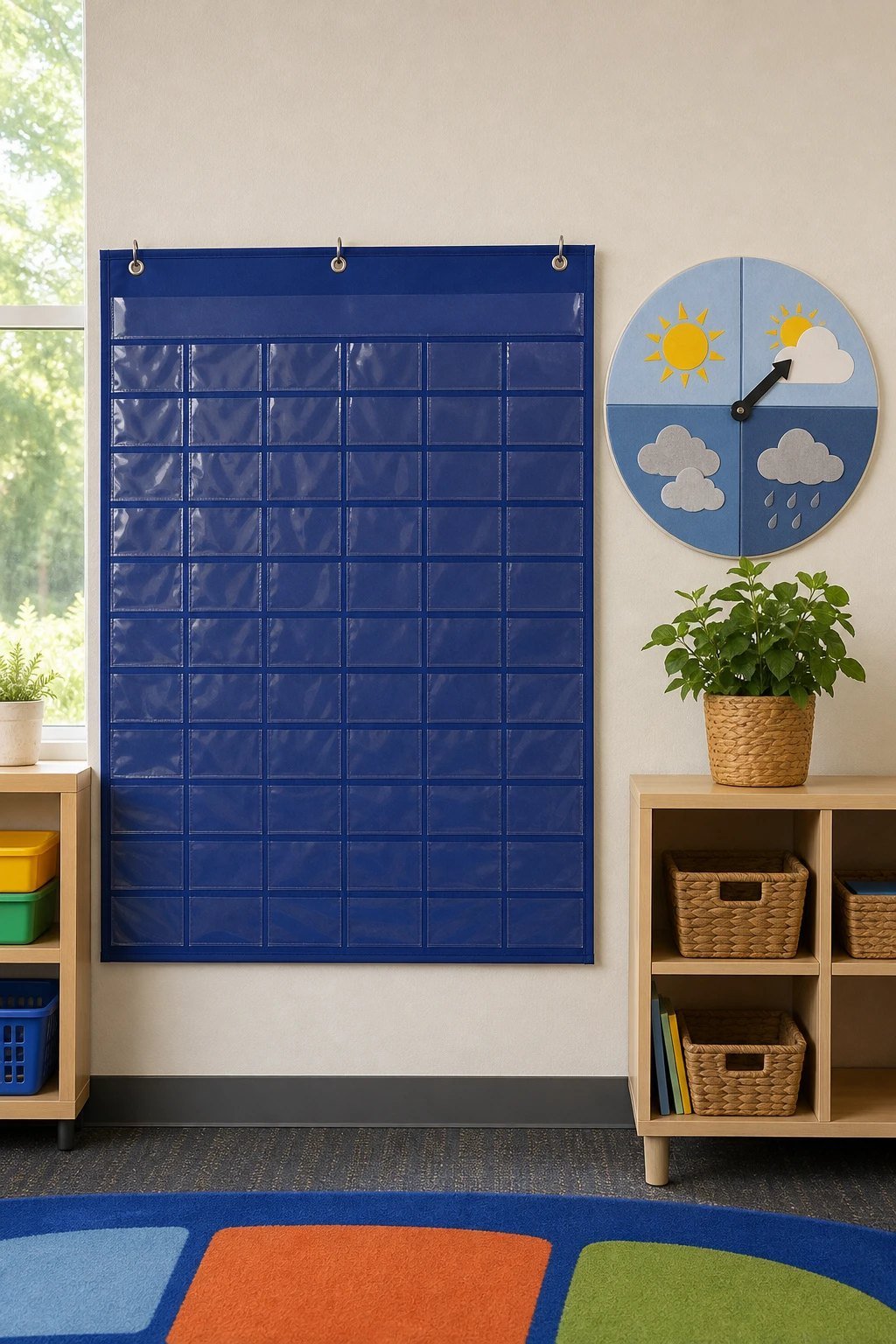 Save
Younger classes can fold calendar time into the morning message: today, yesterday, tomorrow, the weather and one thing coming up.
Get the look: a calendar pocket chart or printed calendar cards.
Calm starts
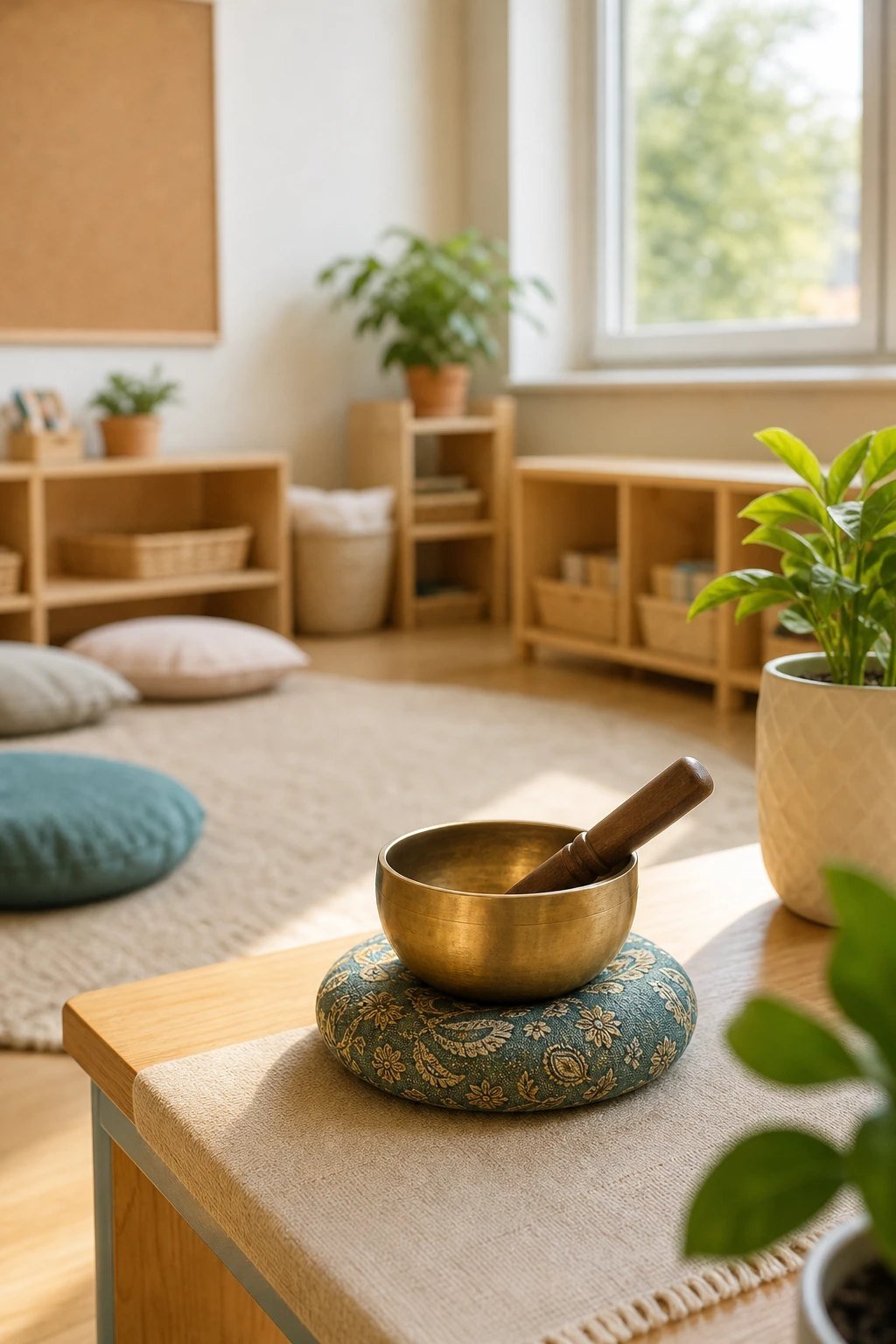
23. Three breaths with the bell
 Save
Ring a singing bowl and breathe in slowly until the sound fades, three times. It is the best transition we have found from busy hallway to calm room.
Get the look: small singing bowl.
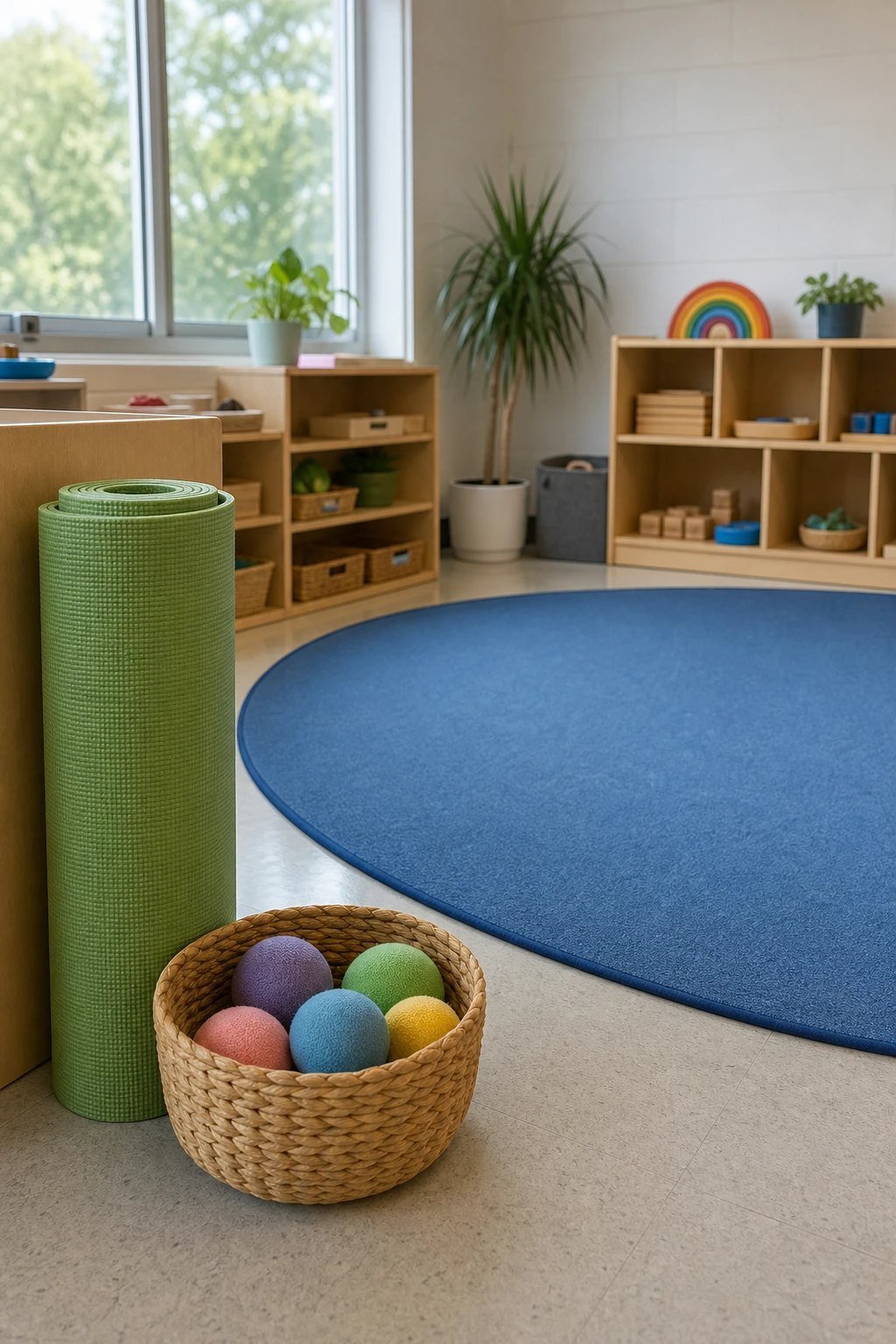
24. Stretch and settle
 Save
Lead a one-minute stretch: reach up tall, touch your toes, roll your shoulders, then sit back down. Wiggles out, focus in.
Get the look: a few simple stretch picture cards on the wall.
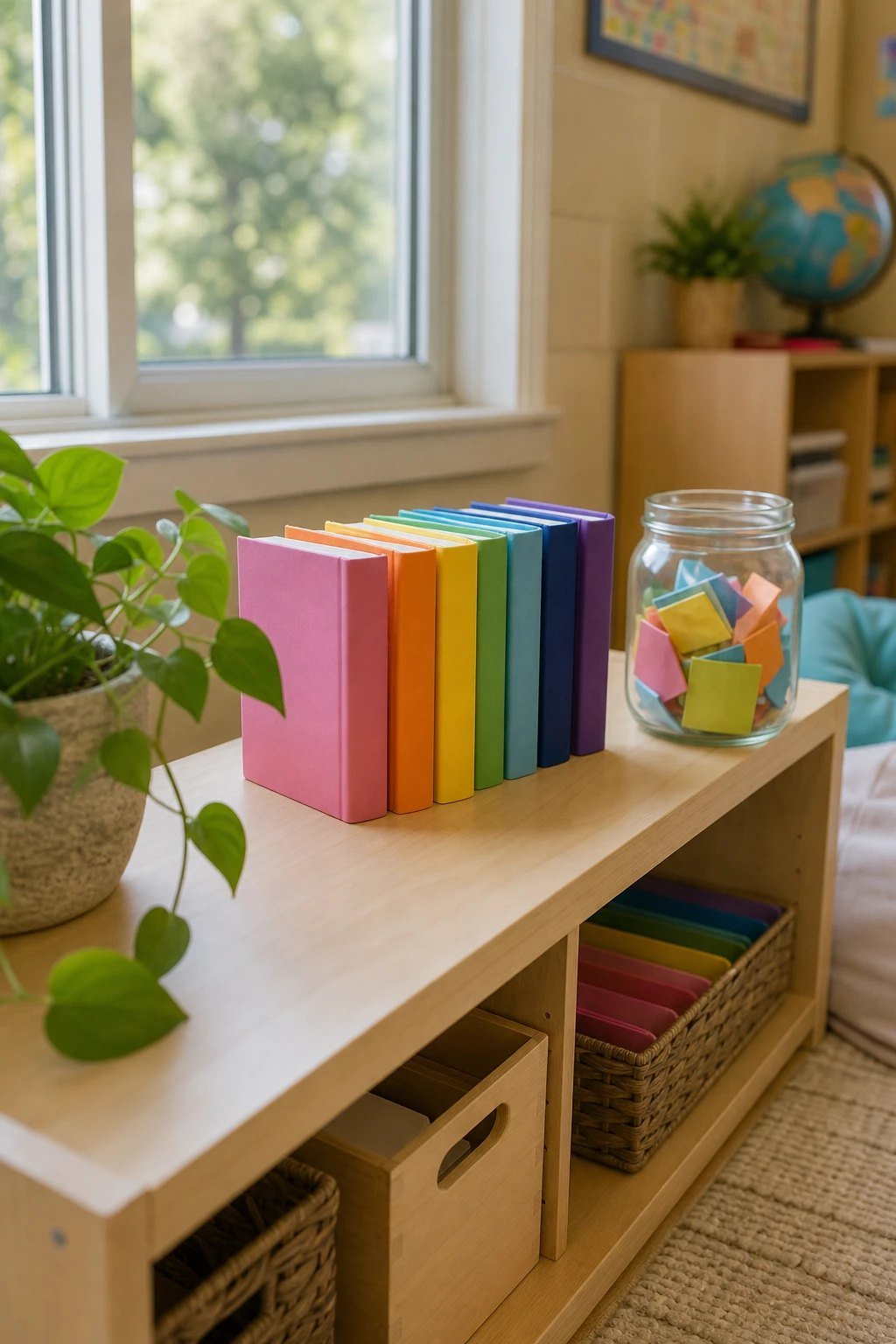
25. Quiet gratitude
 Save
Each child silently thinks of one thing they are grateful for, then a few volunteers share. It ends the meeting on a warm note.
Get the look: a gratitude jar or a small journal for each child.
How long should morning meeting be?
About 15 minutes is the sweet spot for most elementary classes, and 10 minutes works for kindergarten early in the year. Use a visual timer so you stay on track. A short meeting every day does more than a long one now and then.
Tips for a morning meeting that runs itself
Use the same start signal every day. Give each child a set spot on the rug. Teach one new greeting or game at a time. Keep a small basket with the ball, timer and cards right by the rug so nothing needs fetching. And if the class is wobbly, shorten the activity and keep the greeting: the greeting matters most.
Morning meeting supplies on Amazon


Classroom rugs and carpet spots on Amazon

Keep reading
- Classroom management ideas that actually work
- How to quiet a noisy class
- How to set up a calm down corner
- 20 classroom job chart ideas that run themselves
Frequently asked questions
Greeting, sharing, group activity and morning message. Many teachers add a quick calm start, like three slow breaths, at the beginning or the end.
About 15 minutes for most elementary classes, and around 10 minutes for kindergarten at the start of the year.
A choice greeting chart, a ball toss greeting, good morning in a different language, a silent wave greeting and a name chant are all easy to teach and quick to run.
Short, low-prep games like four corners, would you rather, pass the pulse, story chain and mini whiteboard math. Keep it to five minutes so the meeting stays short.
Yes. Grades 3 to 5 enjoy partner shares, would you rather, quick debates and fix the message activities. Give them more choice and more responsibility for leading.
About the author: Shinku Studio is written by someone who works in an elementary classroom every day. These are routines we use with a real class, kept as simple as possible.