
Some links in this post are affiliate links. If you buy through one, I may earn a small commission at no extra cost to you. As an Amazon Associate I earn from qualifying purchases.
The short answer: a good raised garden bed is no wider than 4 feet so you can reach the middle, at least 12 inches deep for most vegetables, and filled with a mix of good topsoil and compost. Cedar and galvanized metal last the longest, pallets and cinder blocks are the cheapest, and leaving 2 to 3 foot paths between beds makes the whole garden easier to use.
Updated November 2026.
Raised beds are the easiest way to grow food and flowers without fighting heavy clay, weeds or a bad back. Below are 19 raised garden bed ideas, from simple cedar boxes and budget pallet beds to potager layouts, trellis arches and frost covers, so you can plan a garden that works in your space before spring arrives.
Raised Bed Materials and Builds
1. Cedar Boxes in a Simple Grid
 Save
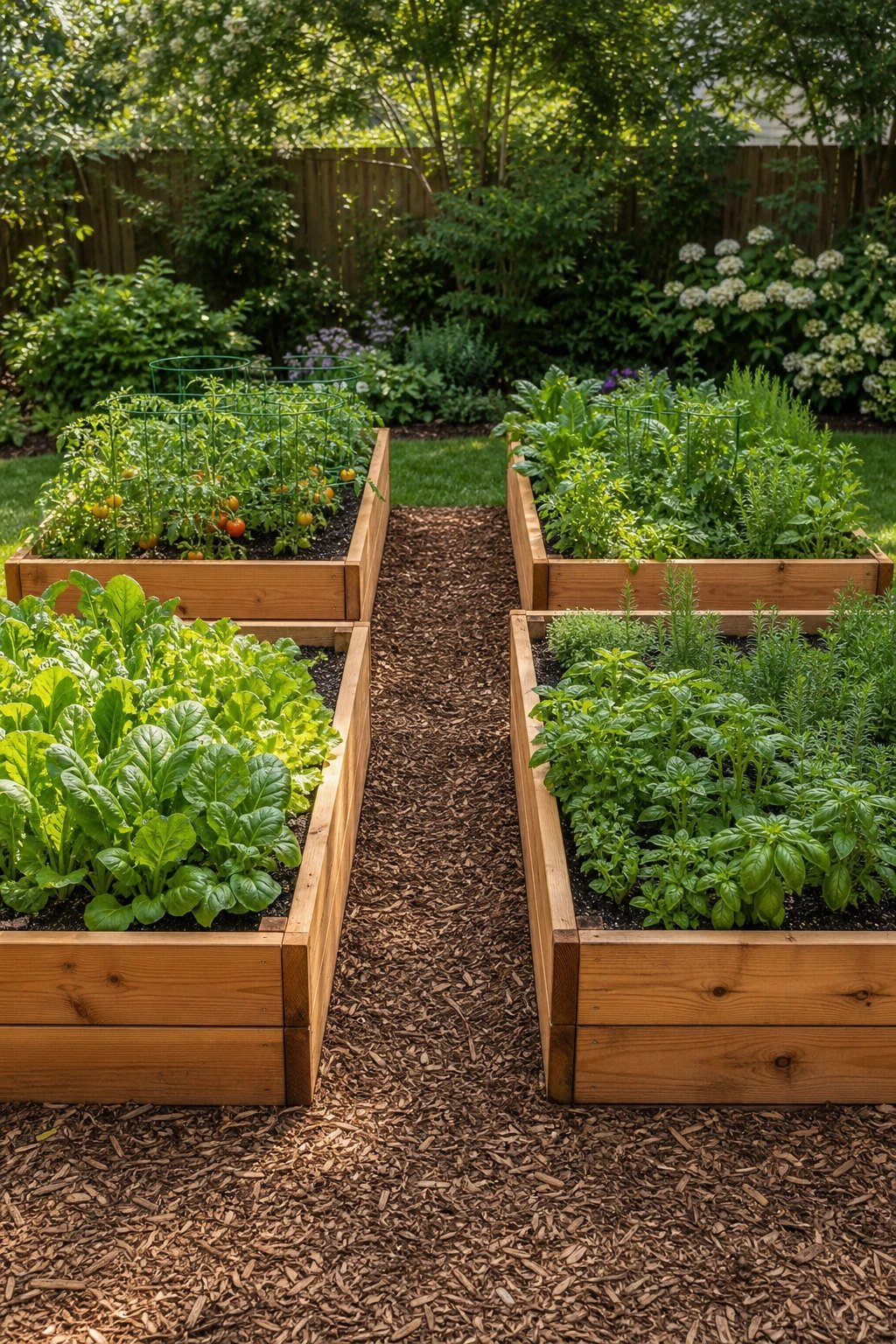
Four plain cedar beds, each about 4 by 8 feet, are the classic for a reason. Cedar resists rot without chemicals, a 4 foot width lets you reach the center from either side, and a grid makes crop rotation easy: move each crop one bed over every year.
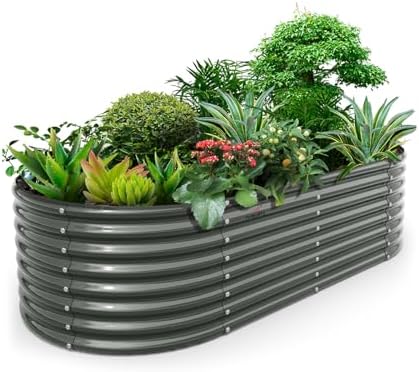
2. Galvanized Metal Beds
 Save
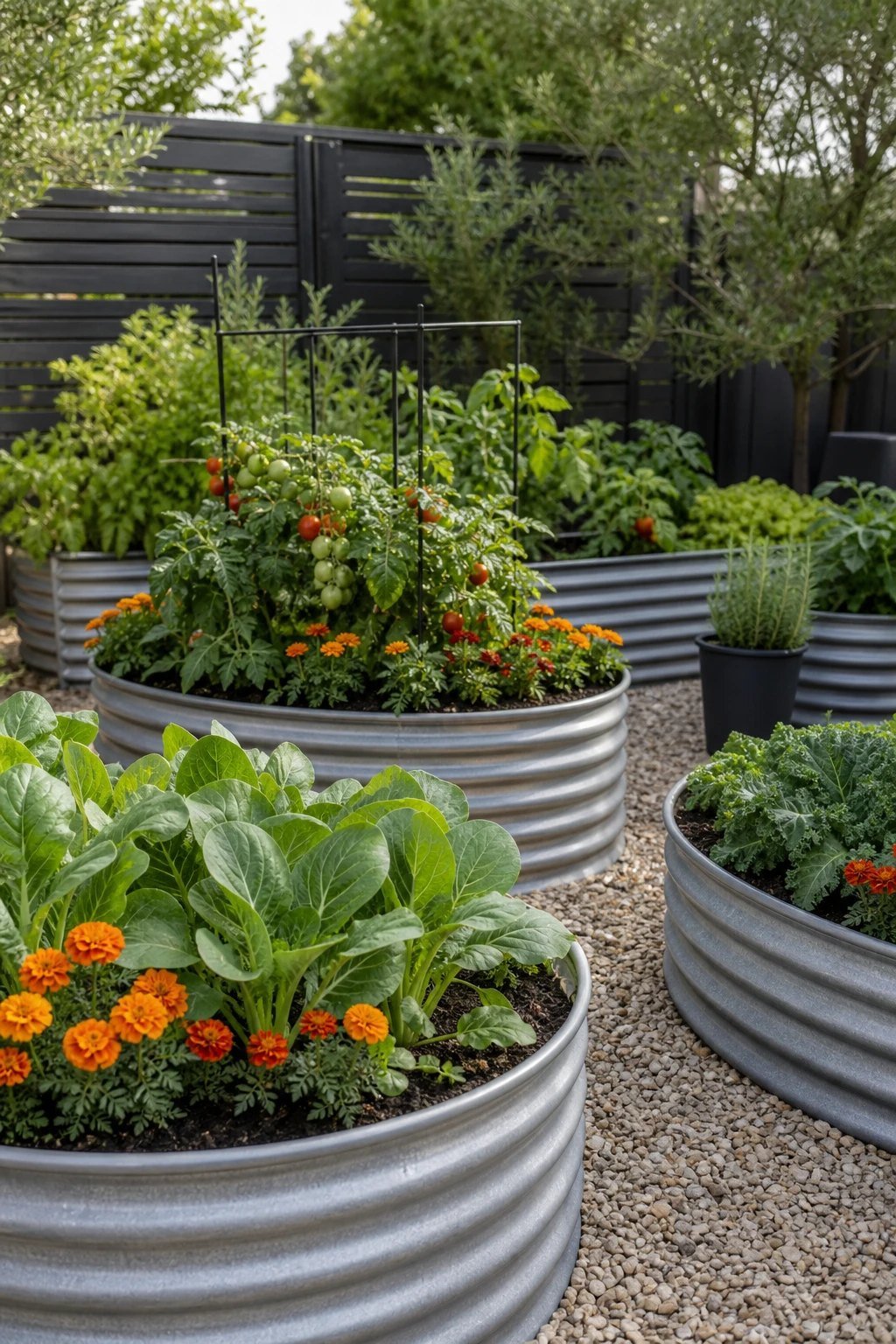
Round and oval galvanized beds warm up faster in spring, never rot and look sharp in a modern yard. Go for at least 17 inches tall so roots have room, and add a few inches of gravel around them to keep mowing simple.

3. Waist-High Elevated Beds
 Save
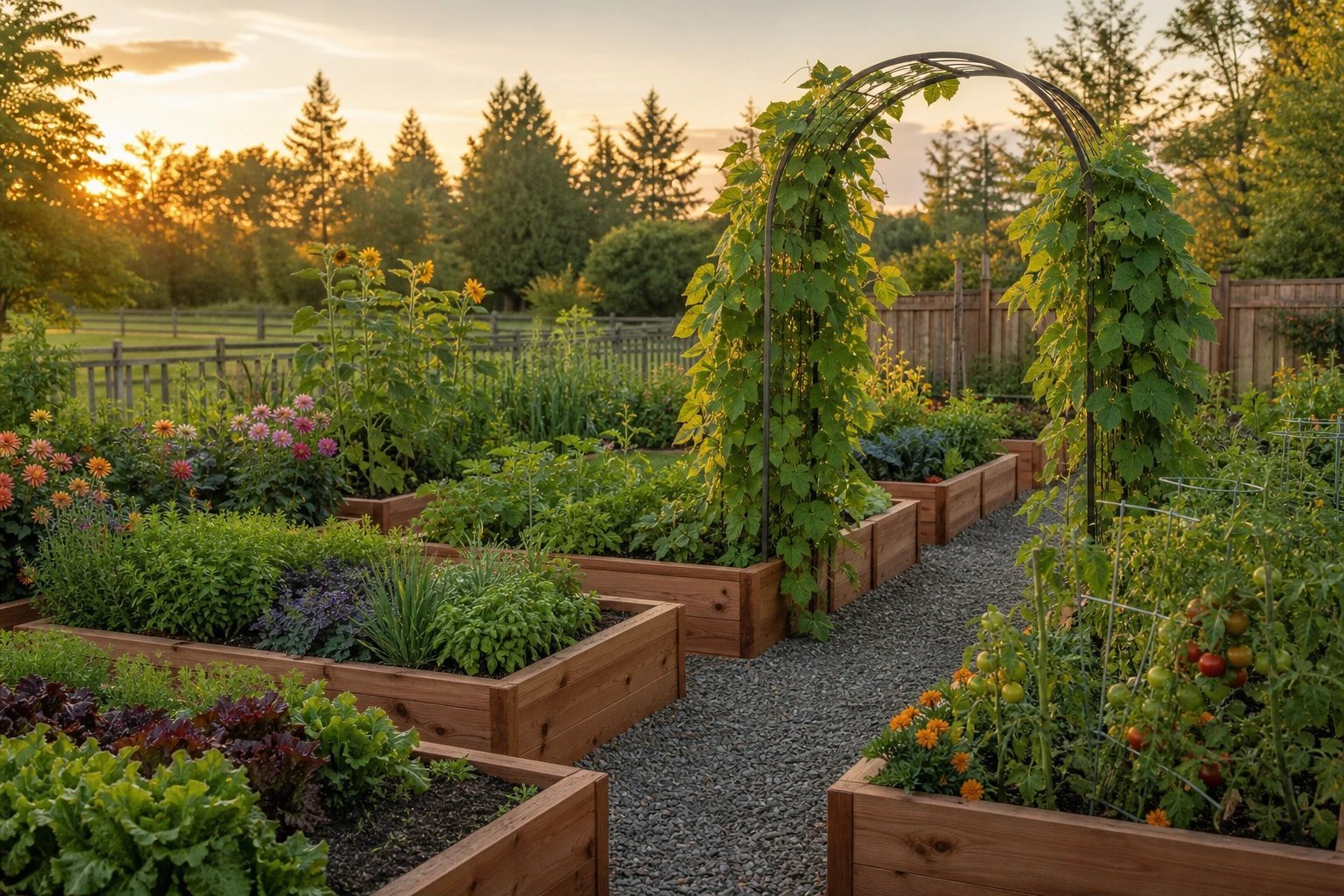
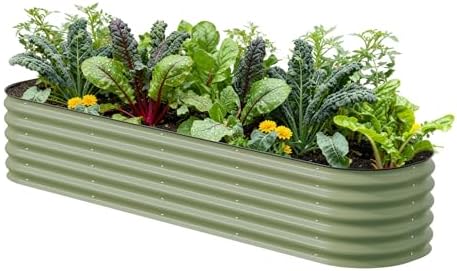
An elevated bed on legs puts salad greens and herbs at waist height, so there is no bending or kneeling. These are perfect for patios, decks and anyone with a sore back. Keep them shallow-rooted: lettuce, herbs, radishes and strawberries.
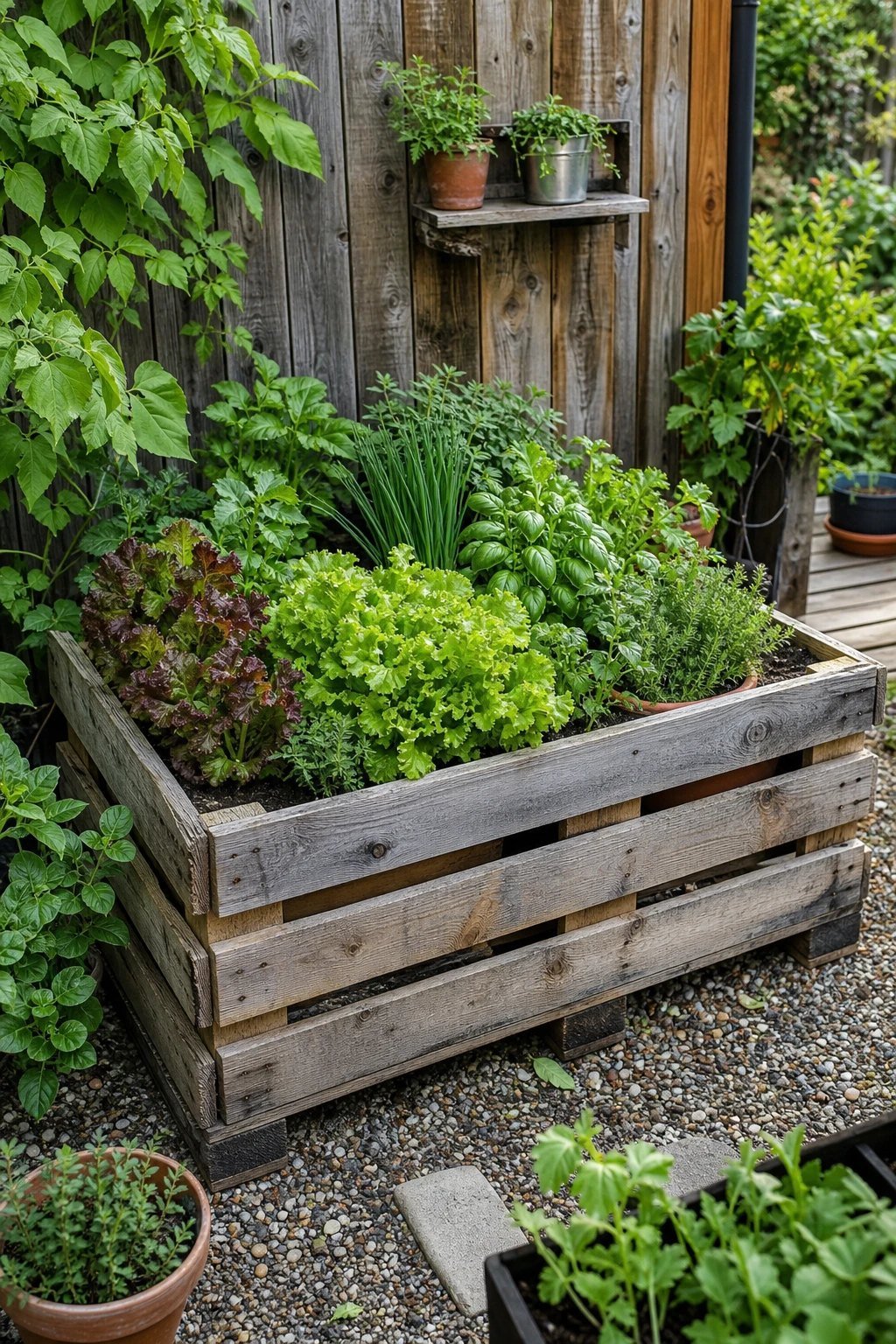
4. Pallet Beds on a Budget
 Save
Untreated wooden pallets (look for the HT stamp, which means heat treated, not chemically treated) make a free raised bed frame. Line the inside with landscape fabric so soil stays in, and expect two or three good seasons from it.
5. Cinder Block Beds
 Save
Cinder blocks stack into a sturdy bed in an afternoon with no tools. Plant herbs, strawberries or marigolds in the holes around the edge and vegetables in the middle, and you get a bonus border of tiny planters.
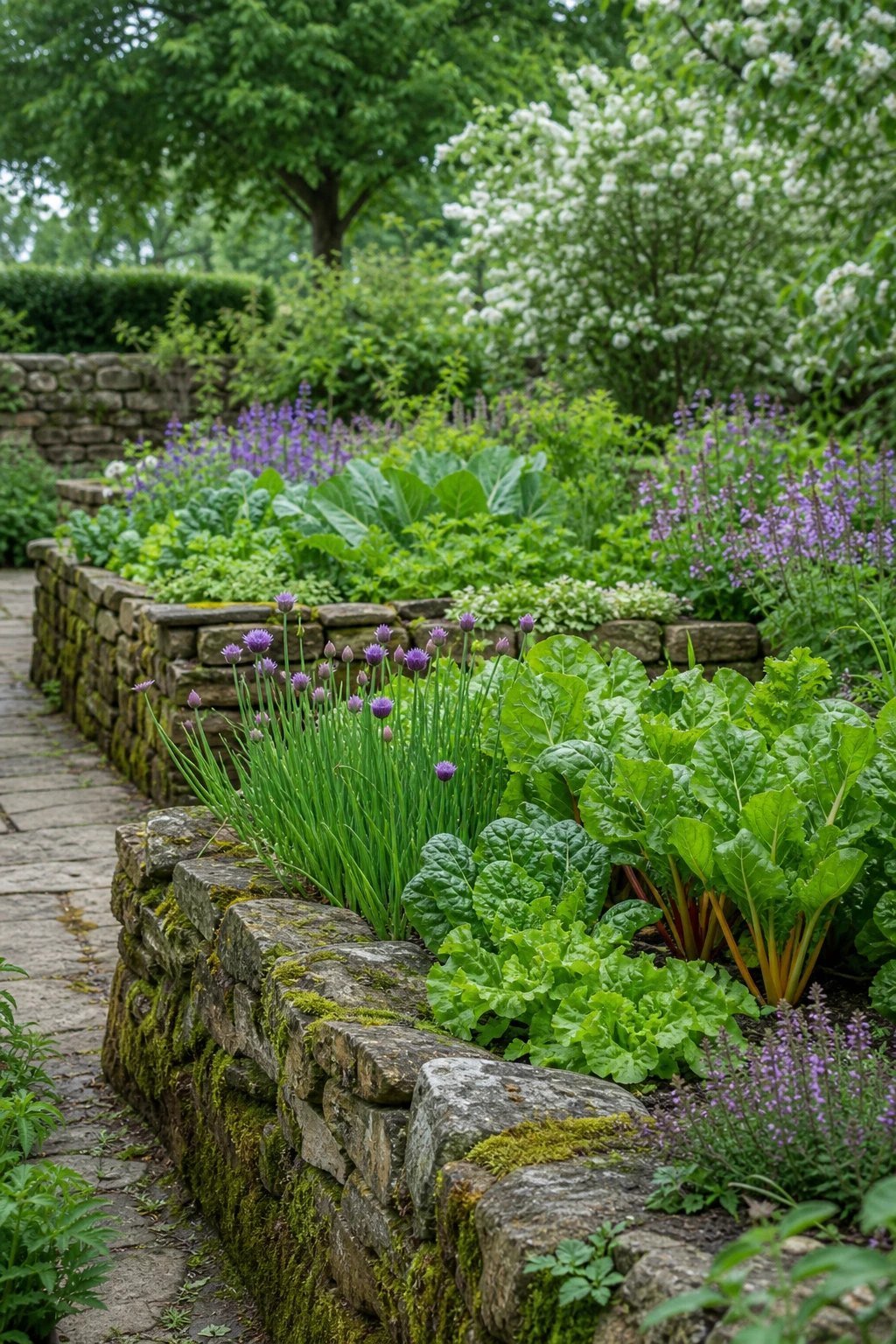
6. Natural Stone Walls
 Save
Dry-stacked stone gives a raised bed a cottage feel that looks like it has always been there. Keep walls under about 18 inches high if you are stacking without mortar, and tuck creeping thyme into the gaps.
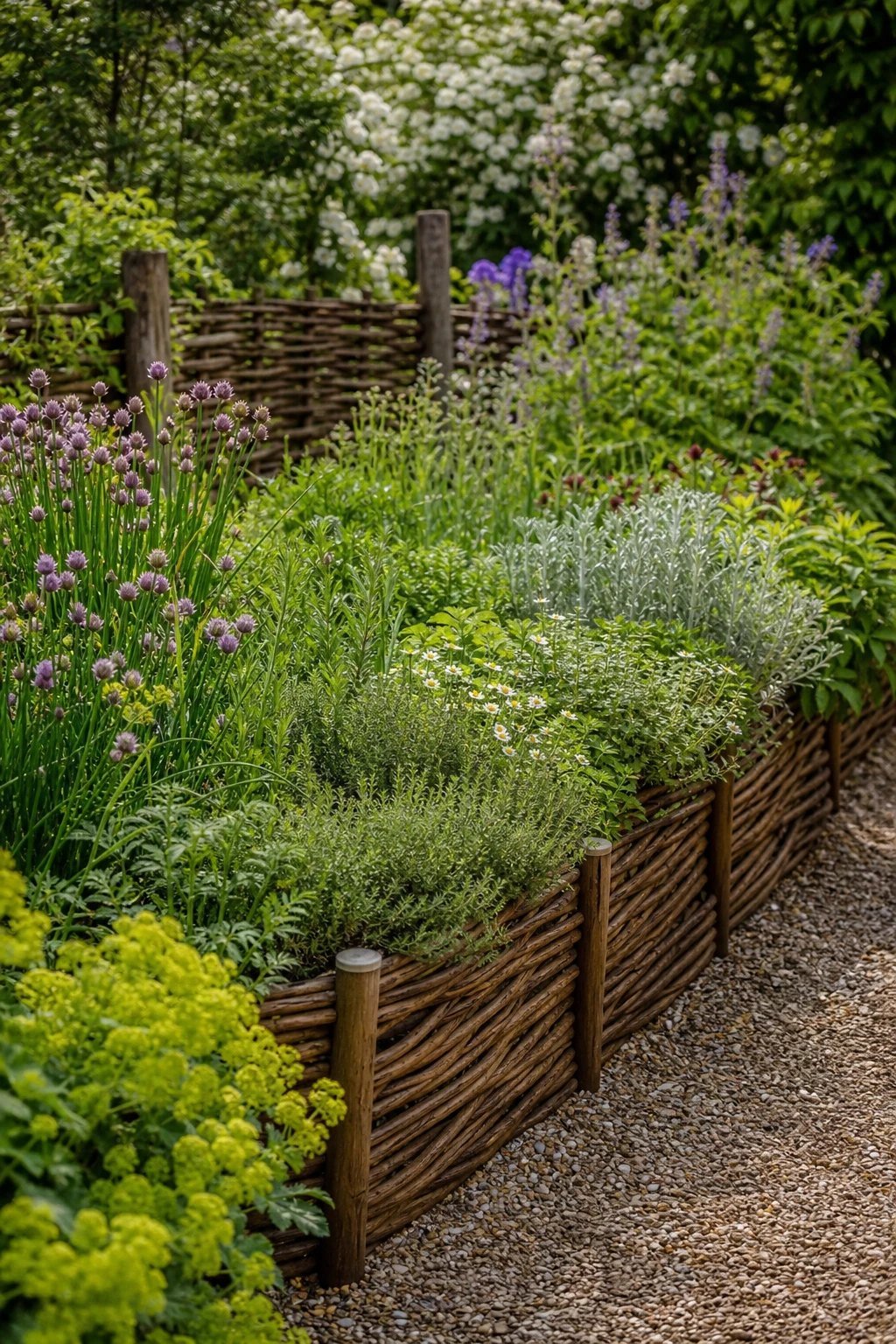
7. Woven Wattle Beds
 Save
Wattle beds are woven from flexible willow or hazel branches around wooden stakes. They are cheap if you have prunings, they look beautiful in a cottage or English style garden, and they last a few seasons before the wood softens.
Shop the look: popular picks for this section on Amazon.


Raised Bed Garden Layout Ideas
8. A Potager Layout Around a Center Bed
 Save
A potager is a French kitchen garden laid out like a pattern. Four rectangular beds around a round center bed, with a birdbath, obelisk or small tree in the middle, turns a vegetable patch into a garden you want to sit in.
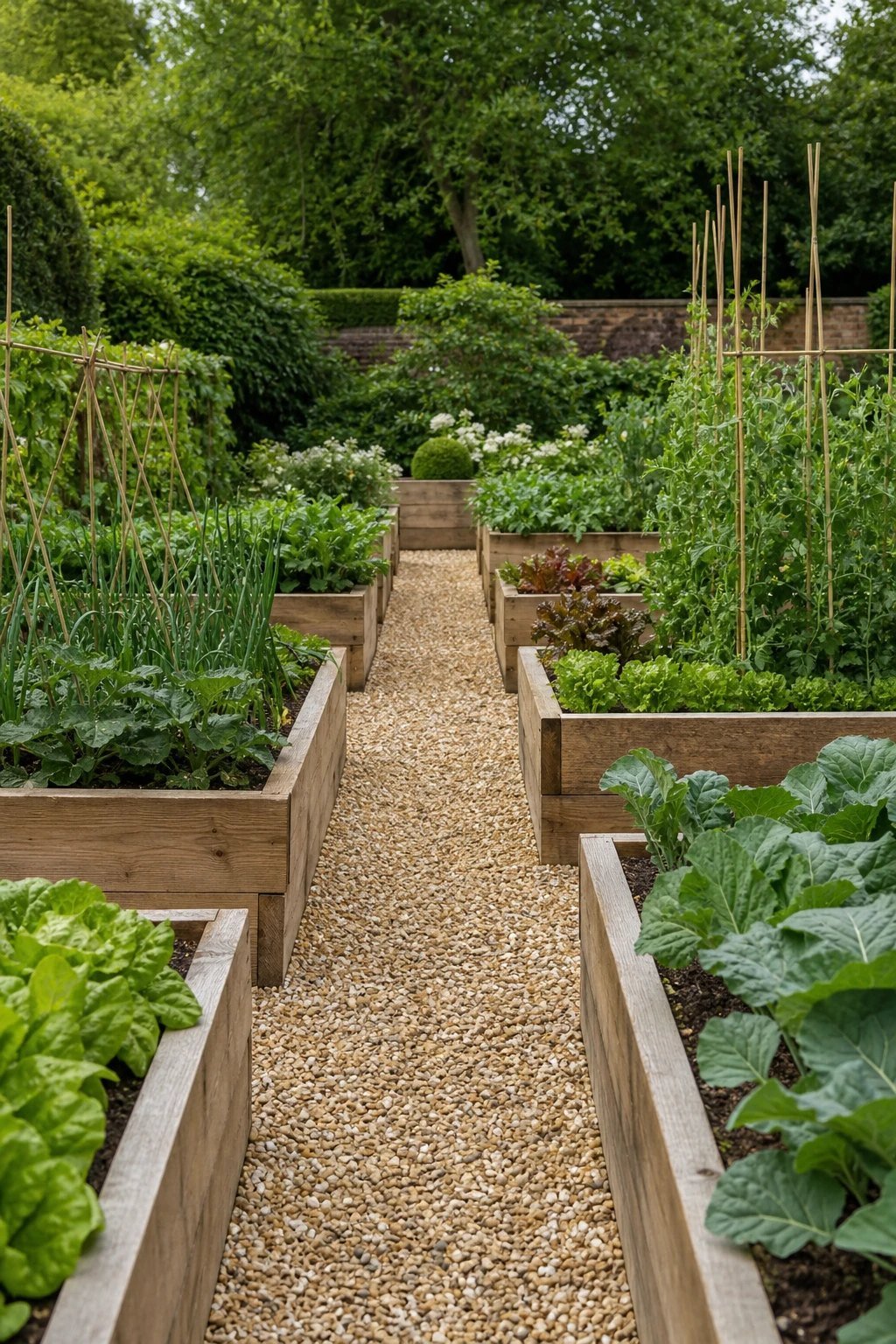
9. Wide Gravel Paths Between Rows
 Save
Plan paths at least 2 feet wide, or 3 feet if you use a wheelbarrow. Pea gravel over landscape fabric keeps weeds down, drains well and stays clean underfoot even after rain.
10. A Keyhole Bed
 Save
A keyhole bed is a round raised bed with a notch cut in so you can step into the center. A compost basket in the middle feeds the bed as you add kitchen scraps, which makes it great for dry, hot yards.
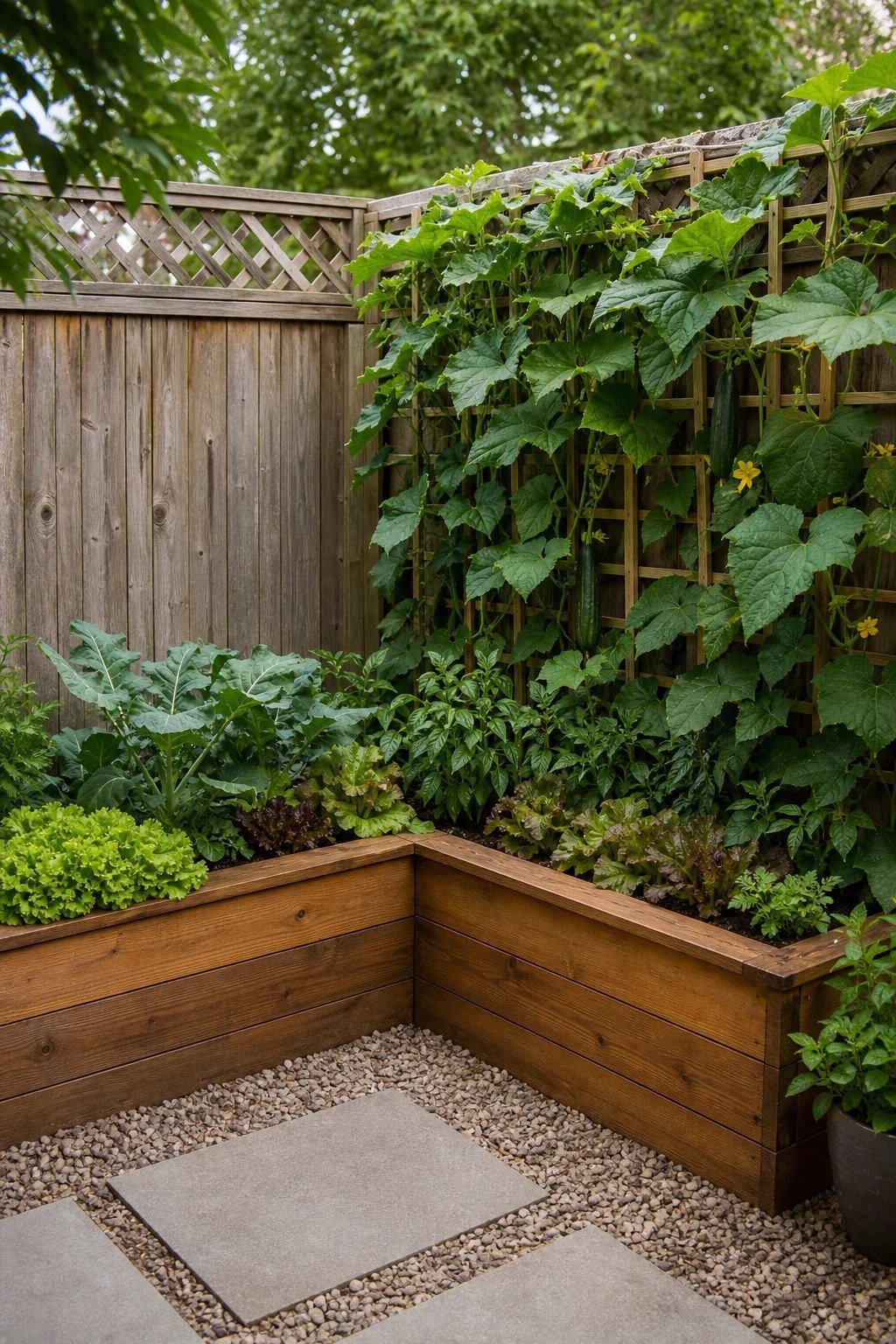
11. An L-Shaped Corner Bed
 Save
Turn an awkward fence corner into your most productive bed. An L-shaped bed uses the fence as a trellis for cucumbers, peas or climbing beans, and leaves the open lawn free for everything else.
12. Narrow Beds Along a Side Yard
 Save
Side yards and the strip beside a driveway are often wasted space. A bed just 18 to 24 inches wide still fits herbs, lettuce and a row of tomatoes, and you can reach it all from the path.
Free printable
No spam, just cozy home ideas now and then. Unsubscribe any time.
Trellises, Covers and Built-In Extras
13. An Arched Trellis Between Two Beds
 Save
A cattle panel or metal arch bridging two beds makes a living tunnel for beans, cucumbers and small squash. It saves ground space, keeps fruit off the soil and is the most photographed spot in any vegetable garden.
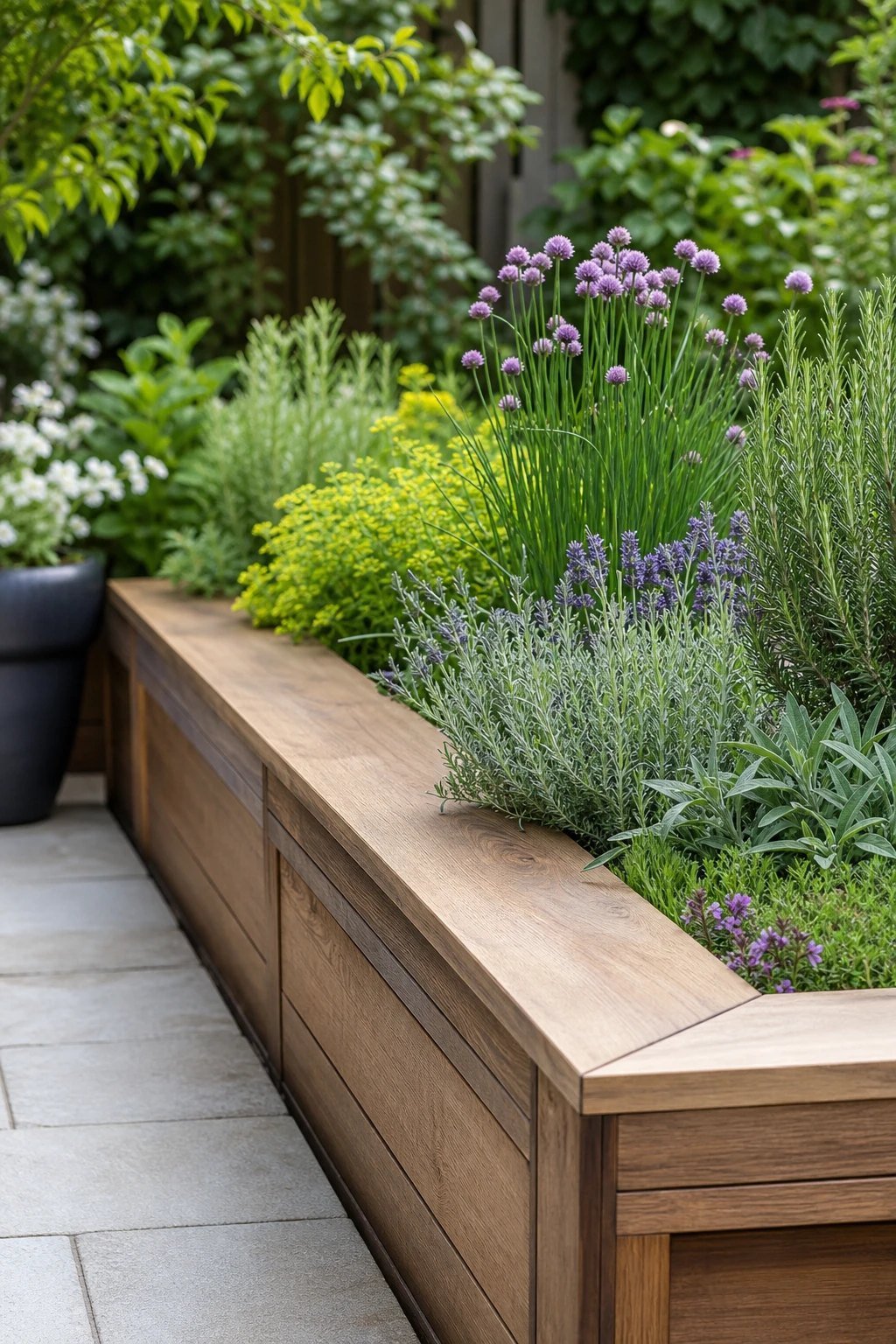
14. Built-In Bench Seating
 Save
Add a wide cap board along the top edge of a bed and it doubles as a seat for weeding, harvesting or just sitting with a coffee. Use a 2 by 6 or wider board and round the corners.
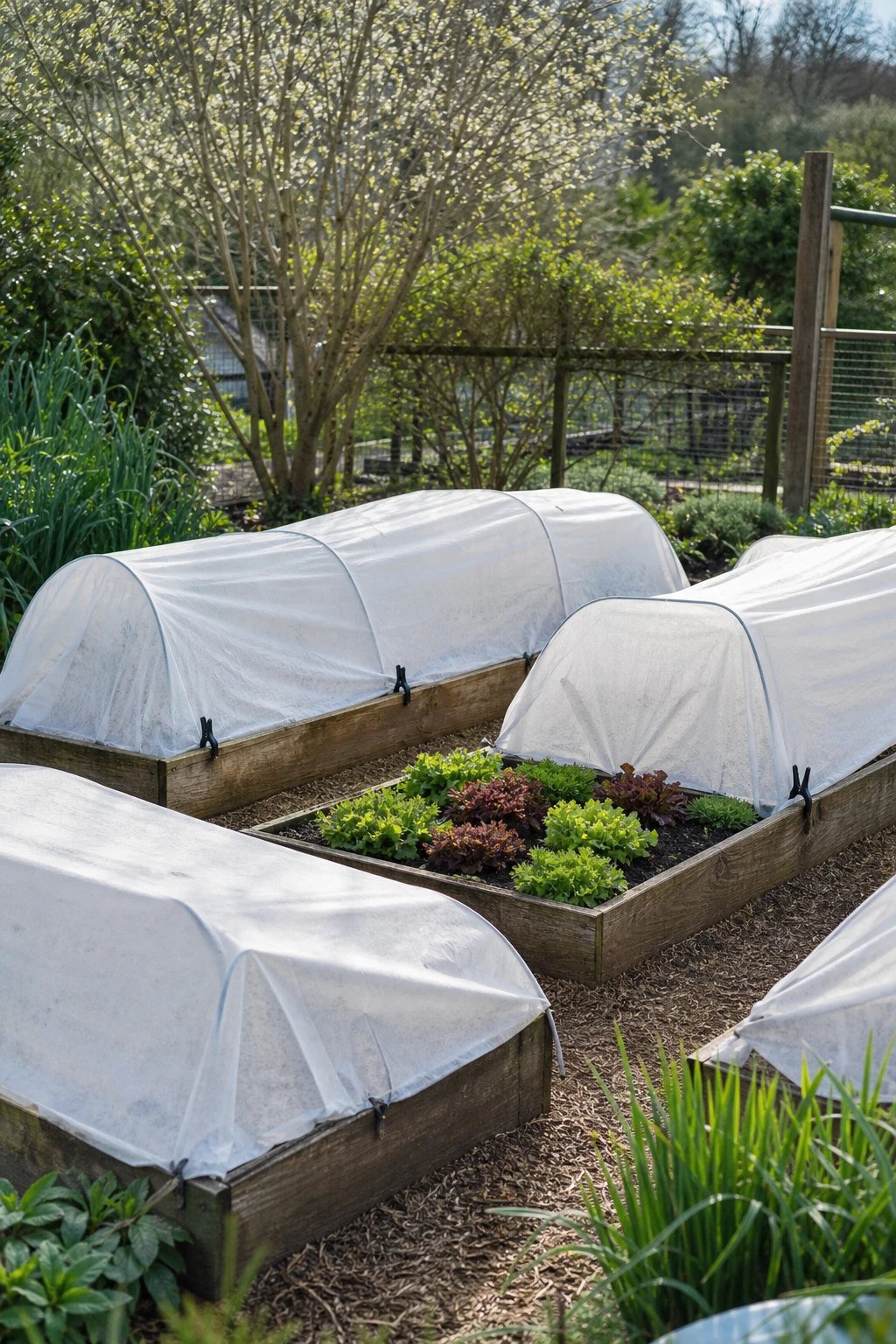
15. Hoops and Frost Covers
 Save
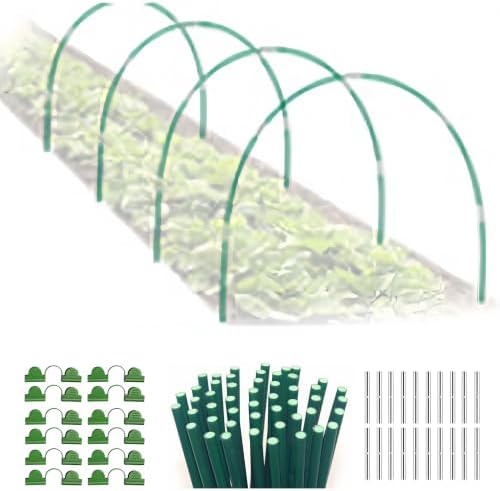
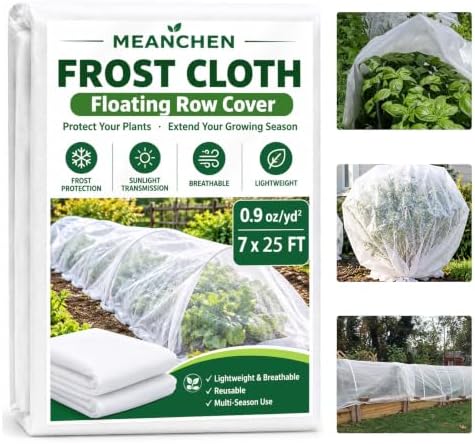
Bend plastic or metal hoops over a bed and drape frost cloth on top to start planting weeks earlier in spring and harvest later into fall. Clip the cloth to the hoops so wind cannot lift it.
16. A Fenced Bed to Keep Critters Out
 Save
Rabbits, deer and dogs love raised beds. A simple frame of wire mesh around the bed, with a small gate or hinged lid, protects everything without making the garden look like a cage.
Shop the look: popular picks for this section on Amazon.

What to Grow in Your Raised Beds
17. A Kitchen Door Herb Bed
 Save
Put one small bed as close to the back door as you can and fill it with basil, parsley, chives, thyme and rosemary. If it is close, you will actually use it every day.
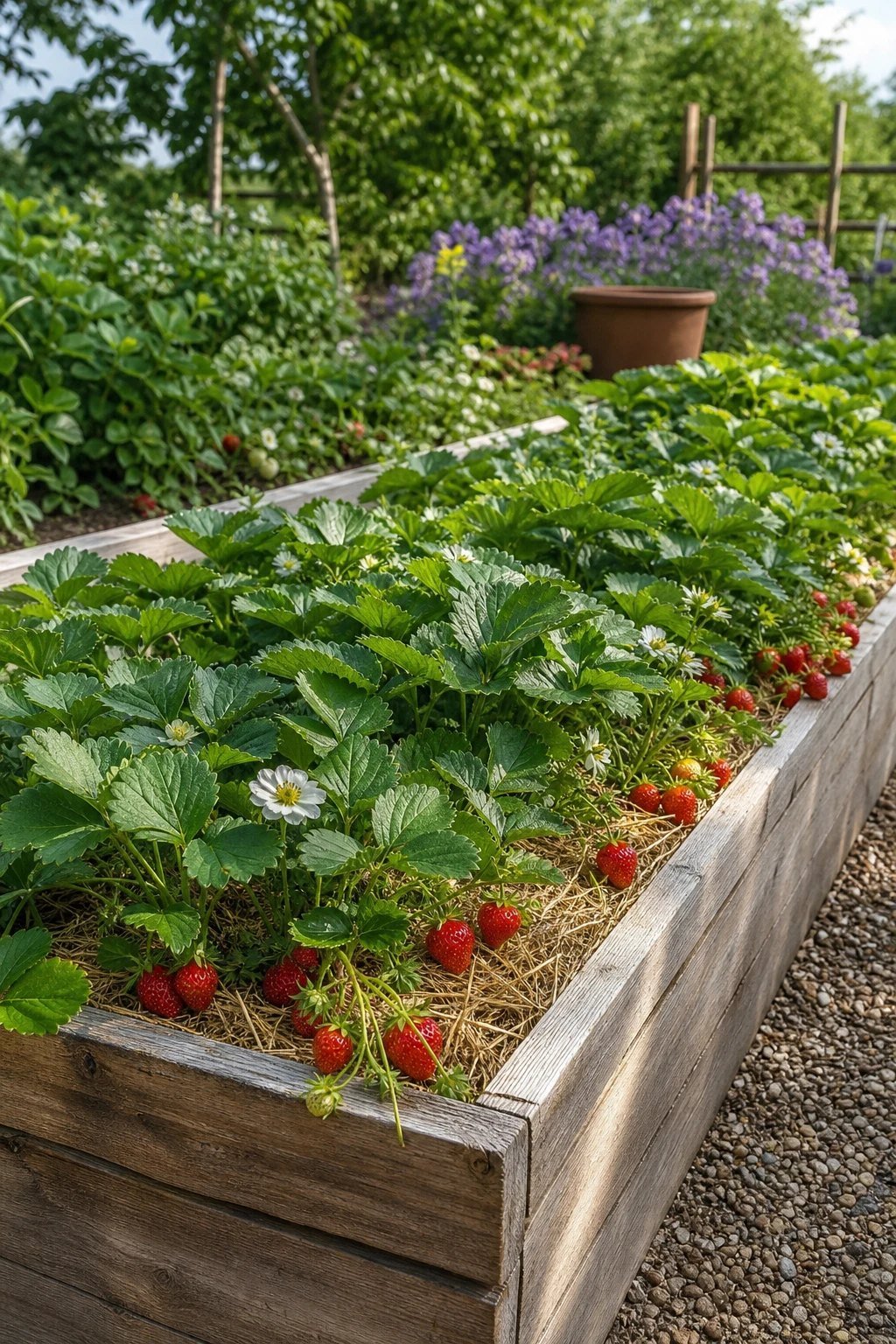
18. A Strawberry Bed
 Save
Strawberries love the drainage of a raised bed and the berries stay cleaner. Mulch with straw, plant about 12 inches apart and pinch off the runners in the first year for bigger plants.
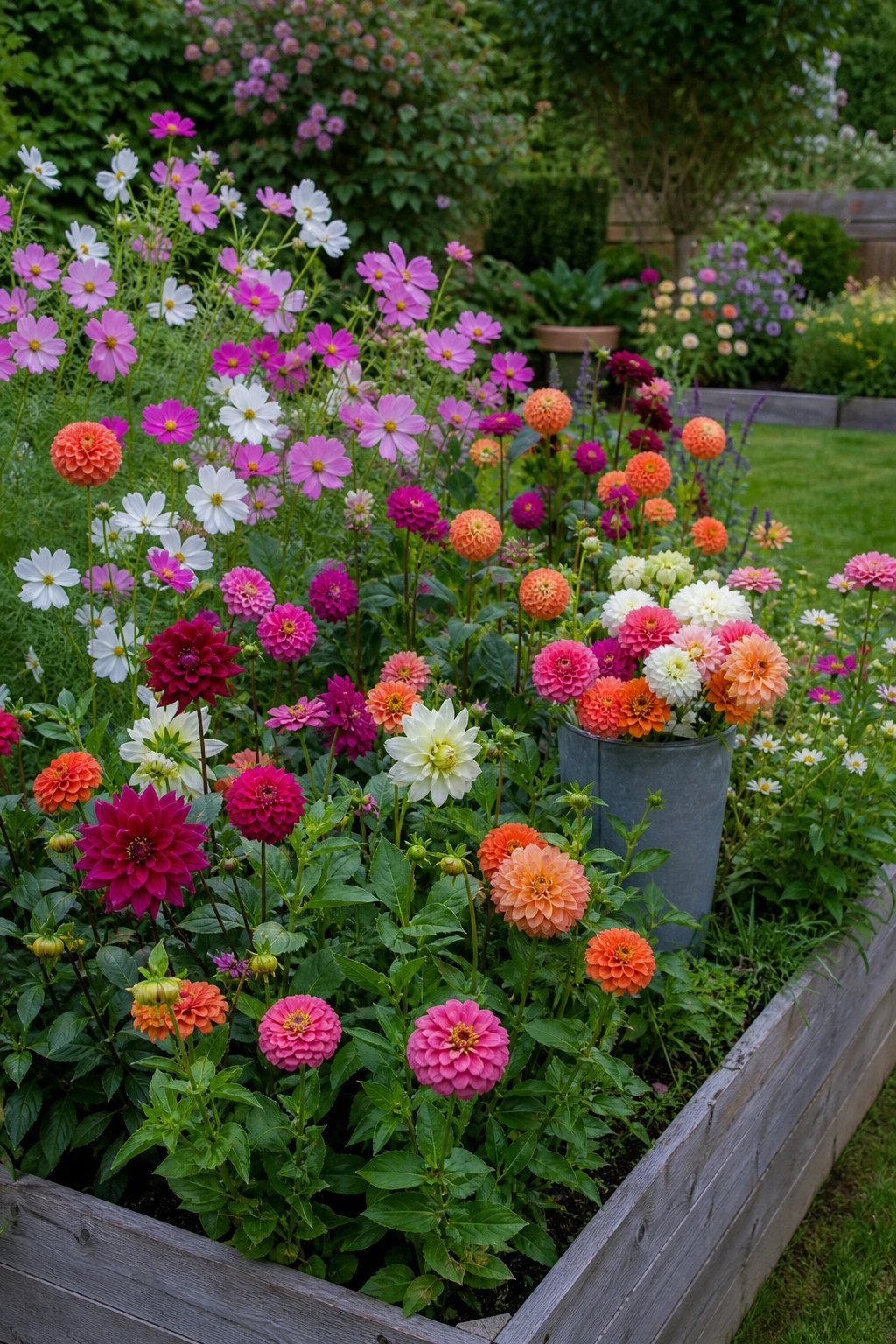
19. A Cut Flower Bed
 Save
Give one bed to cut flowers like zinnias, cosmos, dahlias and sunflowers. You get bouquets all summer, and the flowers bring in bees and other pollinators that help your vegetables too.
Keep Reading
Frequently Asked Questions
At least 12 inches works for most vegetables, herbs and flowers. Go 18 to 24 inches for carrots, potatoes and other deep-rooted crops, or if the ground underneath is hard clay.
Use a mix of good quality topsoil and compost, roughly half and half. For tall beds, you can fill the bottom third with logs, branches and leaves to save on soil, then top with the soil and compost mix.
No more than 4 feet wide if you can reach from both sides, or about 2 to 3 feet if the bed sits against a fence or wall. That way you never have to step on the soil.
Fall and late winter are ideal. Building early gives the soil time to settle, and the beds are ready to plant as soon as spring arrives.
Images in this post were created with AI to show each idea. This post contains affiliate links, so we may earn a small commission at no extra cost to you.